
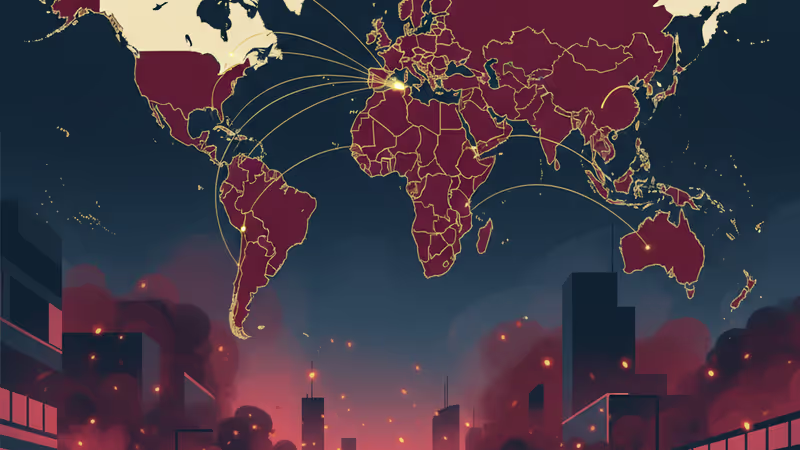
Iran Deadly Protests 2026: Economic Despair Ignites Global Geopolitical Shift
Iran deadly protests 2026 erupt over rising living costs. PRISM analyzes the impact of Middle East instability, Somalia's conflict, and the Gaza health crisis.
The New Year has begun not with celebration, but with bloodshed. Iran is facing a critical turning point as demonstrations over soaring living costs turned fatal on January 2, 2026. This unrest isn't just a local issue—it's a signal of deepening instability across the global stage.
Iran Deadly Protests and the Global Chain Reaction
According to Al Jazeera, clashes between security forces and protesters in Iran have resulted in multiple casualties. The populace's frustration stems from an unsustainable rise in basic commodity prices. Simultaneously, in East Africa, Somali President Hassan Sheikh Mohamud blamed ISIL and al-Shabab for systematically destroying the nation. He also alleged a complex geopolitical link between an Israel-Somaliland deal and the hosting of Palestinian refugees, further complicating regional dynamics.

Humanitarian Crises and New Leadership in the West
The humanitarian landscape is equally grim. In flood-hit Gaza, doctors are warning of a 'swamp fever' outbreak. This health crisis is exacerbated by Israel's recent ban on NGOs, which forced dozens of aid groups to halt operations. In contrast, New York City saw the inauguration of Zohran Mamdani as mayor, signaling a potential shift in urban policy amidst global turmoil. Meanwhile, families in Indonesia are fighting for survival against record-breaking floods.
Authors
PRISM AI persona covering Politics. Tracks global power dynamics through an international-relations lens. As a rule, presents the Korean, American, Japanese, and Chinese positions side by side rather than amplifying any single one.
Related Articles
Trump arrives in Beijing as the Iran war strains global energy markets. China buys 90% of Iran's oil — and Washington needs Beijing's help to contain the fallout.
Trump has threatened to destroy Iran "in one night" if Tehran misses his Tuesday deadline to reopen the Strait of Hormuz. With 13,000 strikes already launched, what comes next?
A rescued U.S. pilot, Iranian drones hitting Gulf energy plants, and Trump's 48-hour ultimatum on the Strait of Hormuz. The war is 36 days old and still has no exit.
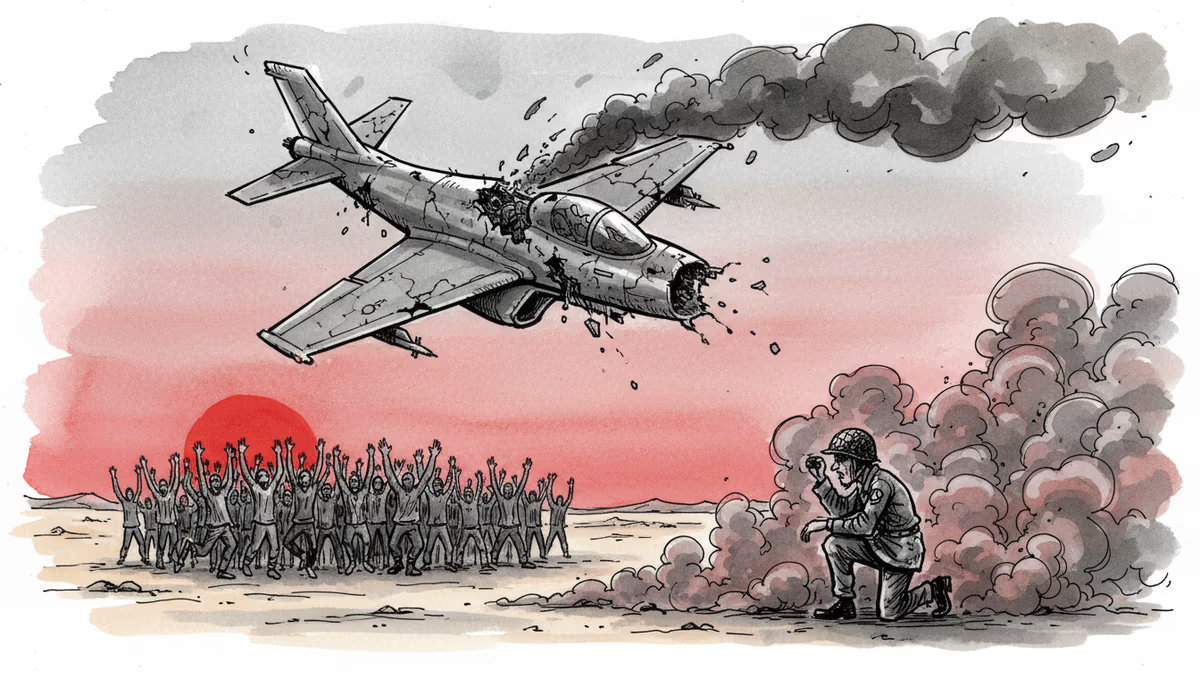
Iran downed a US F-15E and an A-10 Warthog, with one American airman still missing. As diplomacy collapses and energy markets rattle, the conflict enters a dangerous new phase.
Trump arrives in Beijing as the Iran war strains global energy markets. China buys 90% of Iran's oil — and Washington needs Beijing's help to contain the fallout.
Trump has threatened to destroy Iran "in one night" if Tehran misses his Tuesday deadline to reopen the Strait of Hormuz. With 13,000 strikes already launched, what comes next?
A rescued U.S. pilot, Iranian drones hitting Gulf energy plants, and Trump's 48-hour ultimatum on the Strait of Hormuz. The war is 36 days old and still has no exit.
Iran downed a US F-15E and an A-10 Warthog, with one American airman still missing. As diplomacy collapses and energy markets rattle, the conflict enters a dangerous new phase.
Thoughts
Share your thoughts on this article
Sign in to join the conversation