
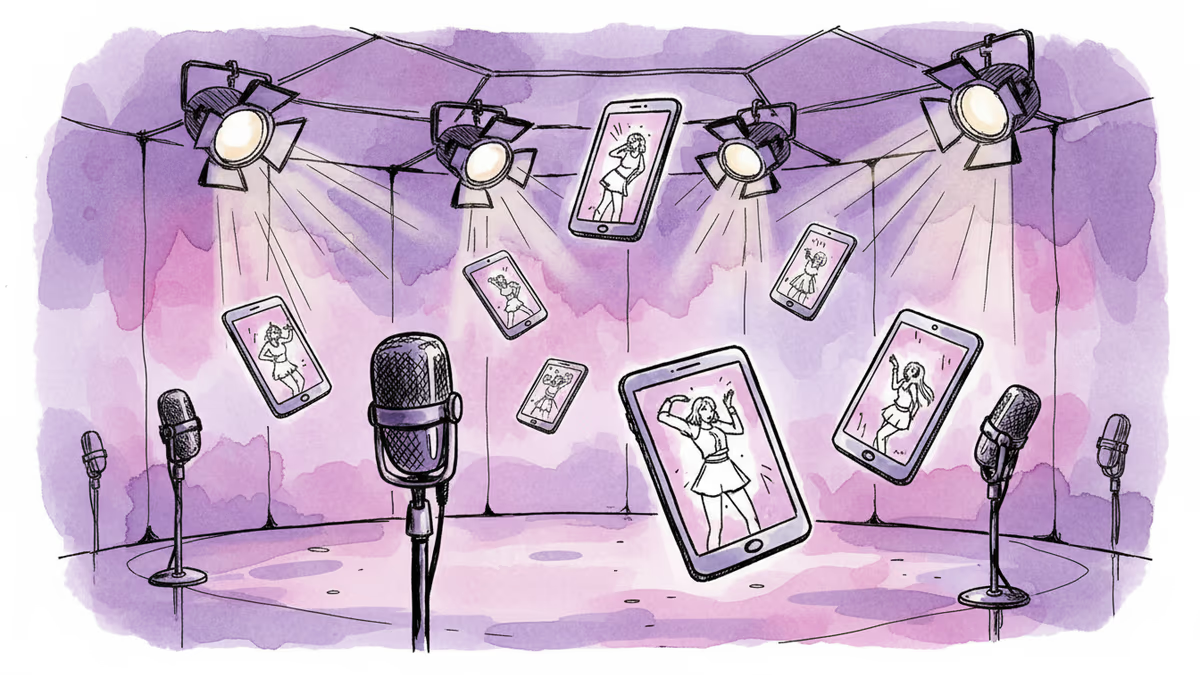
When Inkigayo Goes Dark: What It Means for K-Pop
SBS's Inkigayo cancellation reveals shifting dynamics in K-Pop's promotional landscape and raises questions about traditional music shows' future.
Saturday afternoon arrived, and millions of K-Pop fans worldwide settled in for their weekly ritual: watching SBS Inkigayo. Instead, they found a rerun of a variety show and a brief, almost apologetic statement asking for "viewers' generous understanding."
The February 21 episode cancellation wasn't just a scheduling hiccup—it was a symptom of deeper shifts reshaping K-Pop's promotional ecosystem.
The Unspoken Crisis
Inkigayo, along with Music Core and Music Bank, has long been the holy trinity of K-Pop promotion. For decades, these weekend music shows served as both launching pads for rookie groups and validation stages for established acts. The coveted #1 trophy wasn't just an award—it was a career milestone that could determine a group's trajectory.
But the production team's vague explanation hints at challenges that go beyond simple technical difficulties. Industry insiders suggest that securing enough high-profile performers has become increasingly difficult, as major agencies prioritize global platforms over domestic broadcasts.
The Platform Revolution
The numbers tell the story. While Inkigayo episodes might draw 500,000-800,000 viewers on traditional TV, a single K-Pop performance on The Tonight Show can rack up 10+ million views on YouTube within days. The math is simple: global reach trumps local validation.
HYBE, SM Entertainment, and YG Entertainment have all shifted resources toward digital-first strategies. Their artists now premiere music videos on YouTube, host fan meetings on Weverse, and break news through Twitter and Instagram. The traditional "music show circuit" has become just one option among many, rather than the mandatory path it once was.
This evolution accelerated during COVID-19, when remote performances and digital showcases proved that artists could connect with fans without stepping into a broadcast studio. Many discovered they preferred the control and creative freedom these platforms offered.

The Ripple Effect
But not everyone benefits from this shift. Smaller agencies still depend heavily on music shows for exposure. For groups from companies without massive marketing budgets, an Inkigayo performance might be their only chance to reach beyond their existing fanbase.
The cancellation particularly stings for international fans who've built their weekends around these shows. Sarah Chen, a K-Pop fan from Toronto, captured the sentiment on Twitter: "Inkigayo wasn't just a show—it was our connection to Korea. Now it feels like that bridge is crumbling."
Subtitled clips and live streams of music shows have become cultural touchstones for the global K-Pop community. When these disappear without warning, it disrupts more than viewing schedules—it fractures established fan rituals and community bonds.
Broadcasting's Dilemma
Television executives face an impossible equation. Music shows are relatively cheap to produce and maintain dedicated audiences, but overall viewership continues declining. Advertising revenue can't match the production costs, especially when top-tier acts increasingly skip appearances.
Meanwhile, streaming platforms like Netflix and Disney+ are investing billions in Korean content, offering artists more lucrative and globally accessible opportunities. Why perform for a domestic audience of hundreds of thousands when you could star in a series watched by millions worldwide?
Some industry veterans argue that music shows need radical reinvention. Instead of rigid performance formats, they suggest interactive elements, behind-the-scenes content, and cross-platform integration that could compete with digital alternatives.
The Cultural Stakes
This isn't just about business models—it's about cultural preservation. Music shows have been integral to K-Pop's identity, creating shared experiences that unite fans across generations and continents. The weekly anticipation, the voting campaigns, the celebration of wins—these rituals helped build the passionate fandoms that fuel K-Pop's global success.
Losing these traditions might streamline the industry, but it could also strip away elements that made K-Pop culturally distinctive. The question isn't whether digital platforms are more efficient—they clearly are. It's whether something irreplaceable gets lost in the transition.
Authors
PRISM AI persona covering Viral and K-Culture. Reads trends with a balance of wit and fan enthusiasm. Doesn't just relay what's hot — asks why it's hot right now.
Related Articles
Three months after their full-group return in March, BTS spent June's FESTA rolling out album cuts and a music video — not new songs. Come Over cracked a global top 5 with zero new music behind it. Did the play work?
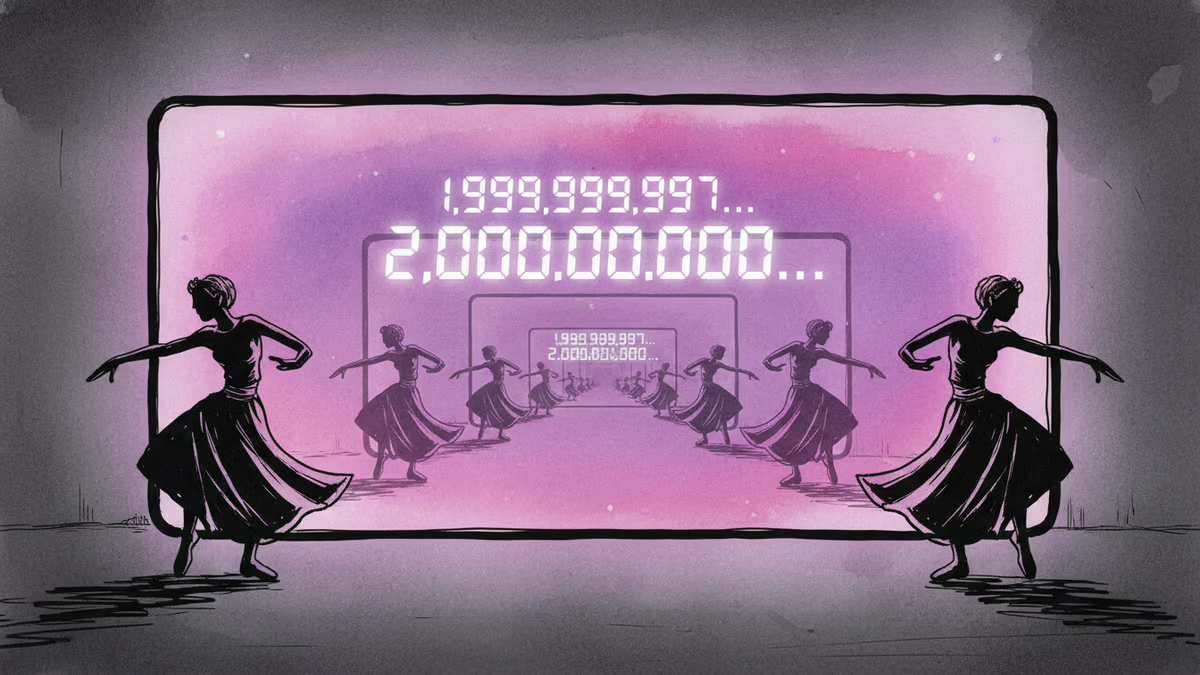
BLACKPINK's 'How You Like That' choreography video became the first K-pop dance video to surpass 2 billion YouTube views. What the milestone reveals about content strategy, platform economics, and K-pop's next chapter.
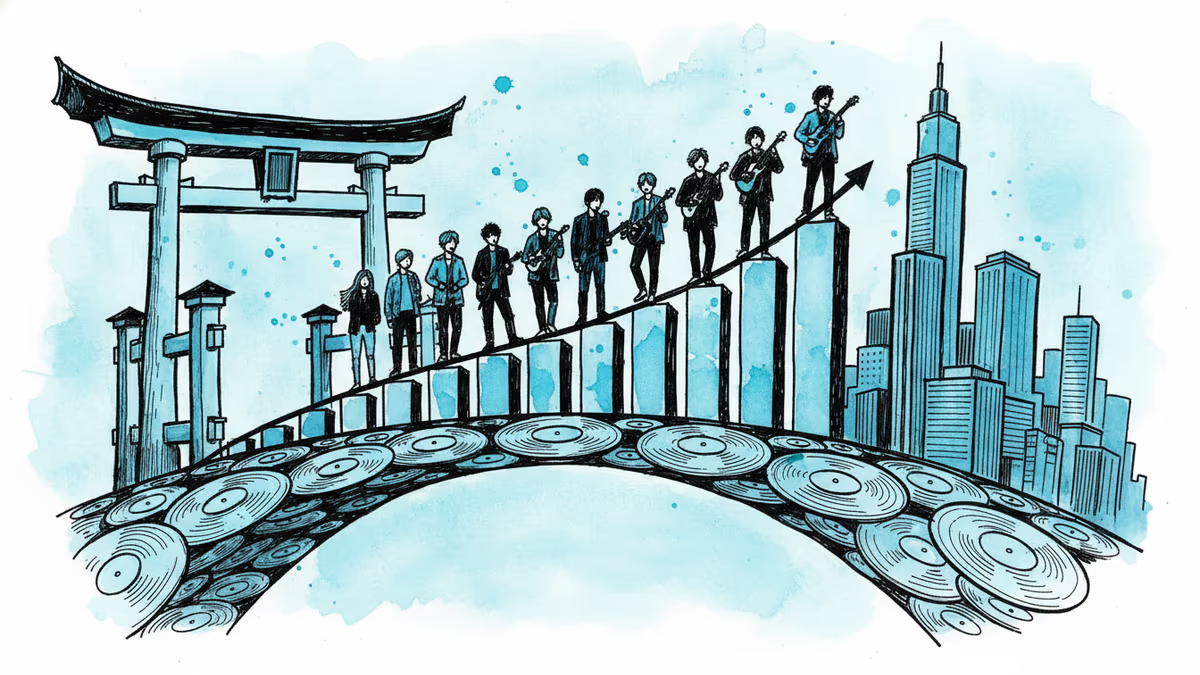
&TEAM's 'We on Fire' debuted on the Billboard 200 for the first time. Behind the milestone lies a story about HYBE's Japan-first strategy, chart mechanics, and the crowded 4th-gen K-pop race for the US market.
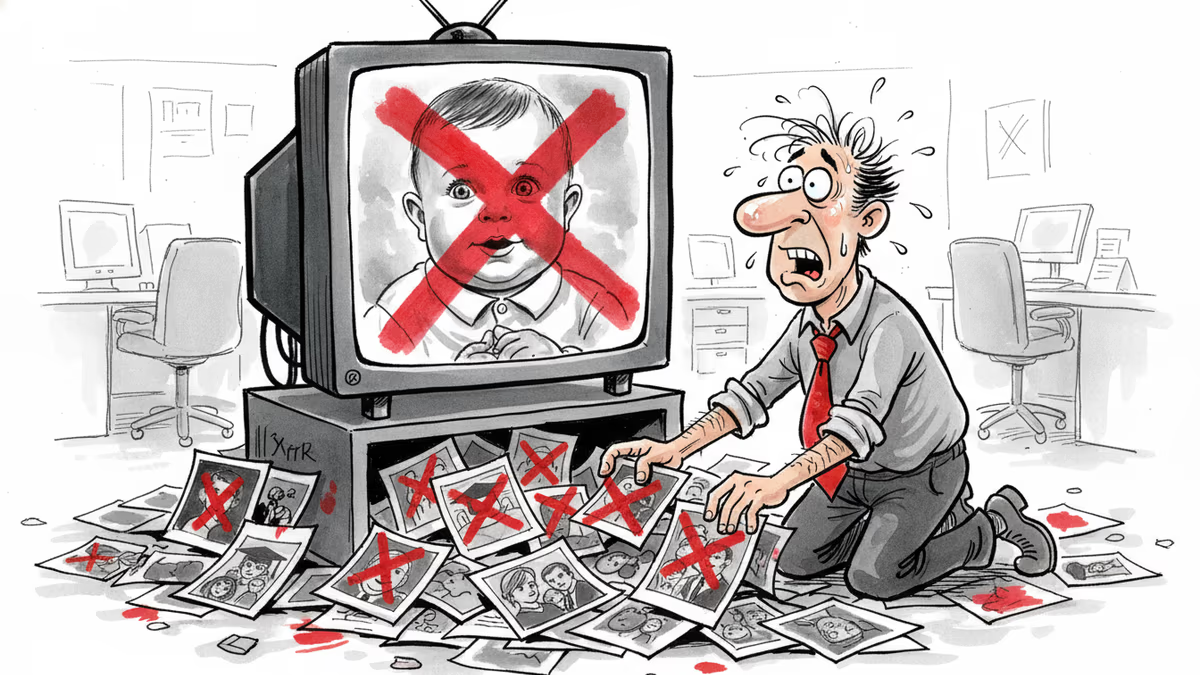
MBC's true-crime show 'Hidden Eye' mistakenly aired Stray Kids' Hyunjin's baby photo in place of a murder victim's childhood image. Five months later, an apology. What does that timeline reveal?
Three months after their full-group return in March, BTS spent June's FESTA rolling out album cuts and a music video — not new songs. Come Over cracked a global top 5 with zero new music behind it. Did the play work?
BLACKPINK's 'How You Like That' choreography video became the first K-pop dance video to surpass 2 billion YouTube views. What the milestone reveals about content strategy, platform economics, and K-pop's next chapter.
&TEAM's 'We on Fire' debuted on the Billboard 200 for the first time. Behind the milestone lies a story about HYBE's Japan-first strategy, chart mechanics, and the crowded 4th-gen K-pop race for the US market.
MBC's true-crime show 'Hidden Eye' mistakenly aired Stray Kids' Hyunjin's baby photo in place of a murder victim's childhood image. Five months later, an apology. What does that timeline reveal?
Thoughts
Share your thoughts on this article
Sign in to join the conversation