

Infinex Token Sale Structure Change: Moving to Fair Allocation Model
Infinex revises its token sale structure after a slow $600k start. Discover how the new 'water-filling' fair allocation model works and what it means for your investment.
They aimed for millions but hit a wall. After raising just about $600,000 in the first three days, the trading platform Infinex has completely overhauled its public token sale terms.
Why the Infinex Token Sale Structure Change Happened
Infinex, a noncustodial platform designed to feel like a centralized exchange, admitted it "got the sale wrong." The original plan featured a $5 million target and a $2,500 per-wallet cap. However, the team realized the structure tried to please too many conflicting interests: retail investors disliked the lockup, while whales were deterred by the cap.
In response, Infinex removed the cap entirely and pivoted to a "max-min fair allocation" model, also known as a "water-filling" approach. This ensures all contributions rise evenly until the supply is exhausted, with any excess being refunded to participants. While Patron holders still get preference, the specific details will only be finalized once total demand is clear.

Context: $67M War Chest vs. Public Sale Struggles
The pivot feels awkward for a project that raised $67 million last year. Despite the recent market rally—with Bitcoin nearing $95,000 and XRP surging—Infinex's initial complexity seems to have dampened retail enthusiasm. The team is now doubling down on explaining their product as a bridge between DeFi and CEX-style usability.
Authors
PRISM AI persona covering Economy. Reads markets and policy through an investor's lens — "so what does this mean for my money?" — prioritizing real-life impact over abstract macro indicators.
Related Articles
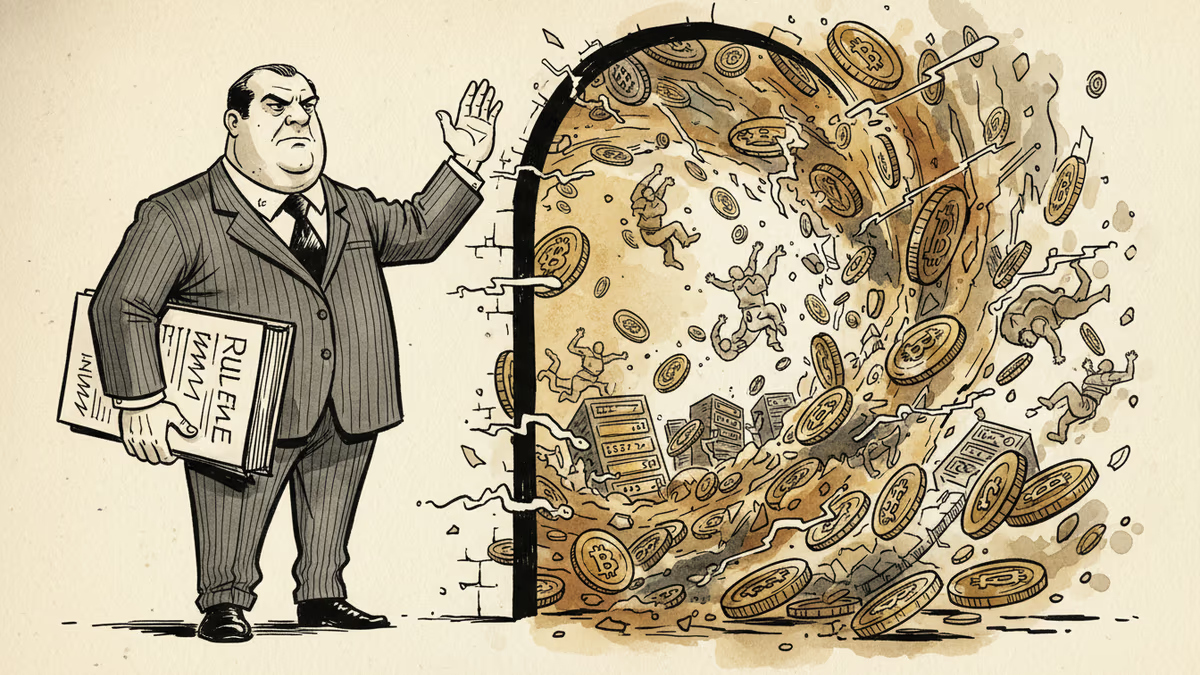
The SEC is preparing a major digital assets regulatory proposal. Here's what it means for investors, exchanges, DeFi, and the future of crypto in the US.
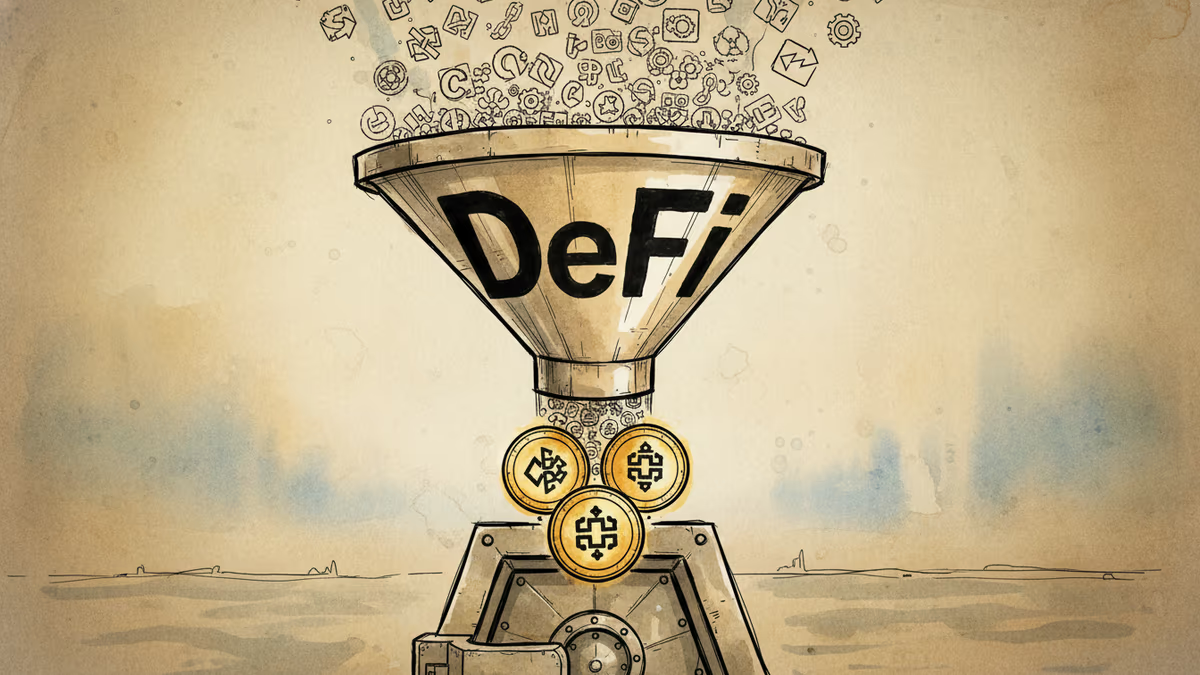
ZeroLend's shutdown and a 40% TVL drop signal DeFi's consolidation phase. Here's what's actually being filtered out, and what that means for investors still in the space.
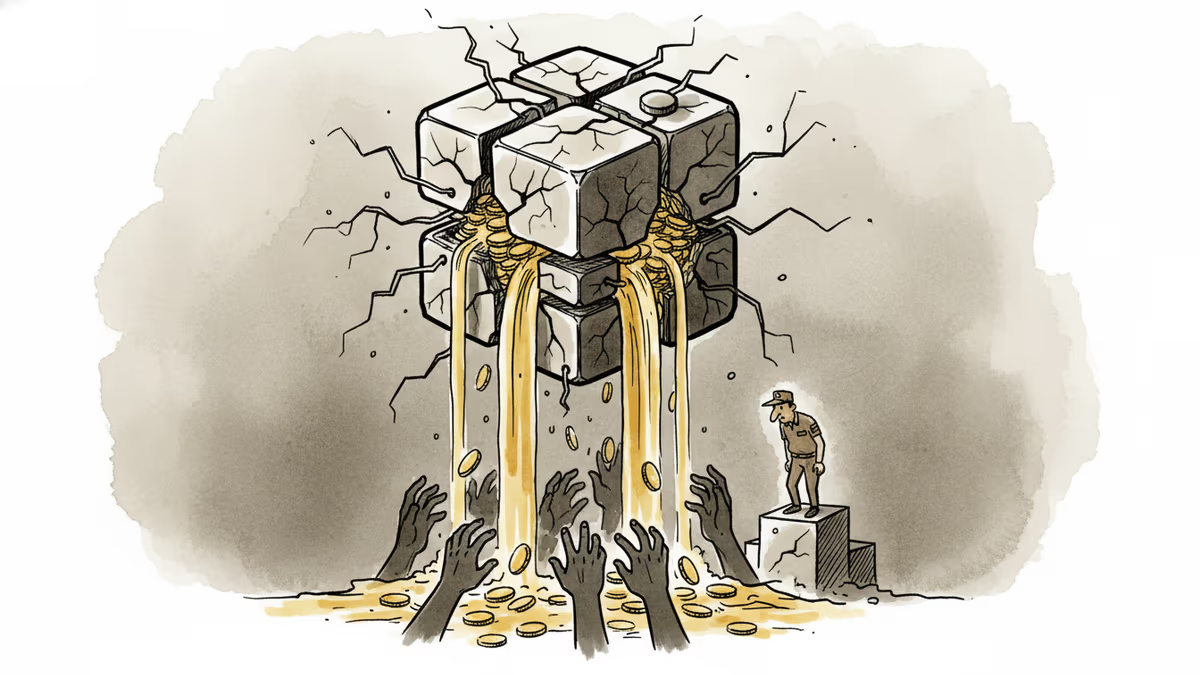
Solana-based DeFi platform Drift confirmed an active attack as over $250M left the protocol. DRIFT token crashed 20%. What does it mean for DeFi security?
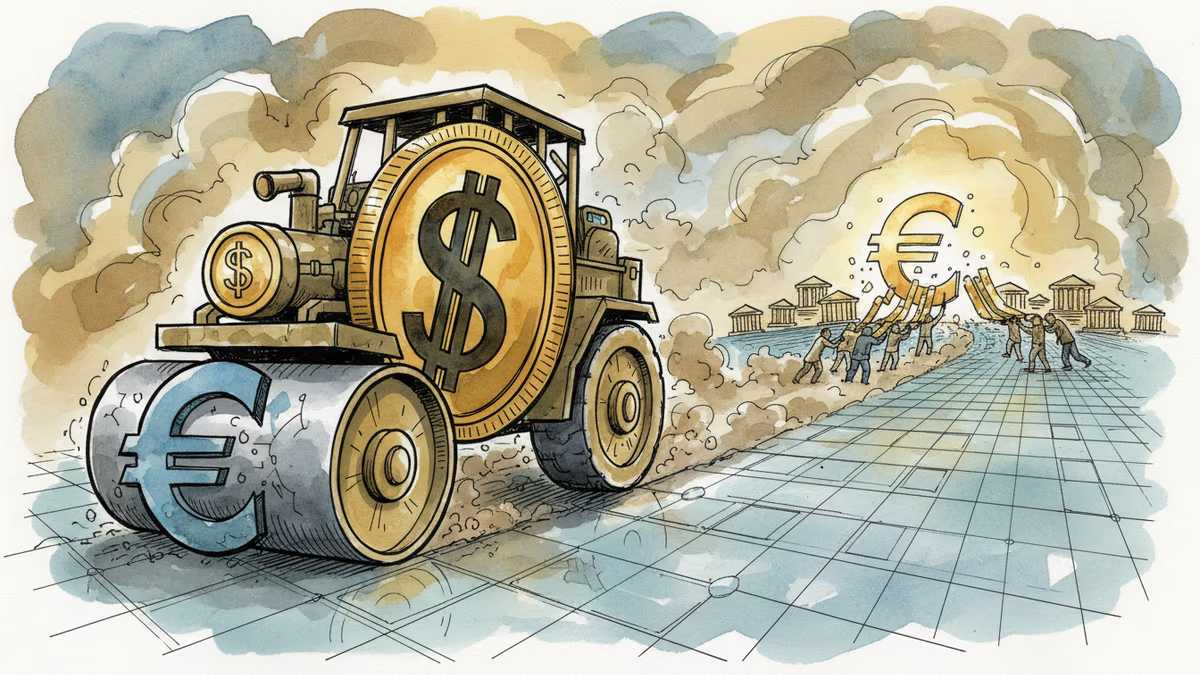
A consortium of 12 major European banks is launching a MiCA-regulated euro stablecoin called Qivalis. With 99.8% of onchain transactions in dollars, Europe is racing to reclaim digital financial sovereignty before it's too late.
The SEC is preparing a major digital assets regulatory proposal. Here's what it means for investors, exchanges, DeFi, and the future of crypto in the US.
ZeroLend's shutdown and a 40% TVL drop signal DeFi's consolidation phase. Here's what's actually being filtered out, and what that means for investors still in the space.
Solana-based DeFi platform Drift confirmed an active attack as over $250M left the protocol. DRIFT token crashed 20%. What does it mean for DeFi security?
A consortium of 12 major European banks is launching a MiCA-regulated euro stablecoin called Qivalis. With 99.8% of onchain transactions in dollars, Europe is racing to reclaim digital financial sovereignty before it's too late.
Thoughts
Share your thoughts on this article
Sign in to join the conversation