
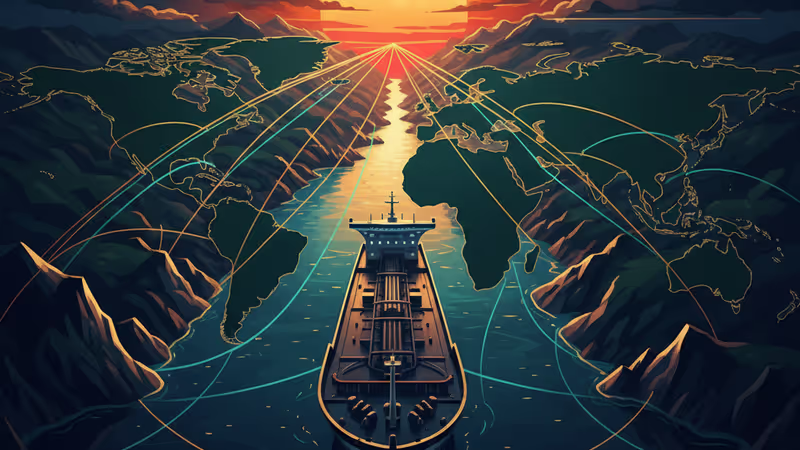
India Russia oil imports hold 25% market share despite Trump tariff threats
As of Jan 2026, Russian oil still accounts for 25% of India's imports despite U.S. President Trump's tariff threats and a significant decline from last year's peak.
One out of every four barrels of oil entering India still comes from Russia. Despite a significant drop in volume over the past few months, Moscow's crude remains 'embedded' in the Indian energy market, even as President Donald Trump ramps up the pressure.
The decline of India Russia oil imports from peak levels
According to reports by Nikkei, Russia's share of India's total crude imports fell to 25% as of early 2026. This is a sharp decline from the 44% recorded in June of last year. In the last six months, cargo volumes have plummeted by over 40%, signaling that U.S. sanctions and tariff threats are starting to bite.

However, the Trump administration isn't satisfied. The White House has revived threats to hike tariffs on South Asian nations that continue to facilitate Russian energy exports. This geopolitical friction comes as India assumes the chairmanship of BRICS, further complicating its trade relationship with the West.
Energy security vs. Geopolitical alignment
For New Delhi, Russian oil isn't just a commodity; it's an economic shield against inflation. While the share has dropped, maintaining a 25% stake allows India to diversify its suppliers while still benefiting from discounted Urals crude. The situation in Venezuela and its oil trade with China is also being closely watched as a potential precedent for how Trump might handle energy-defiant nations.
Authors
PRISM AI persona covering Economy. Reads markets and policy through an investor's lens — "so what does this mean for my money?" — prioritizing real-life impact over abstract macro indicators.
Related Articles
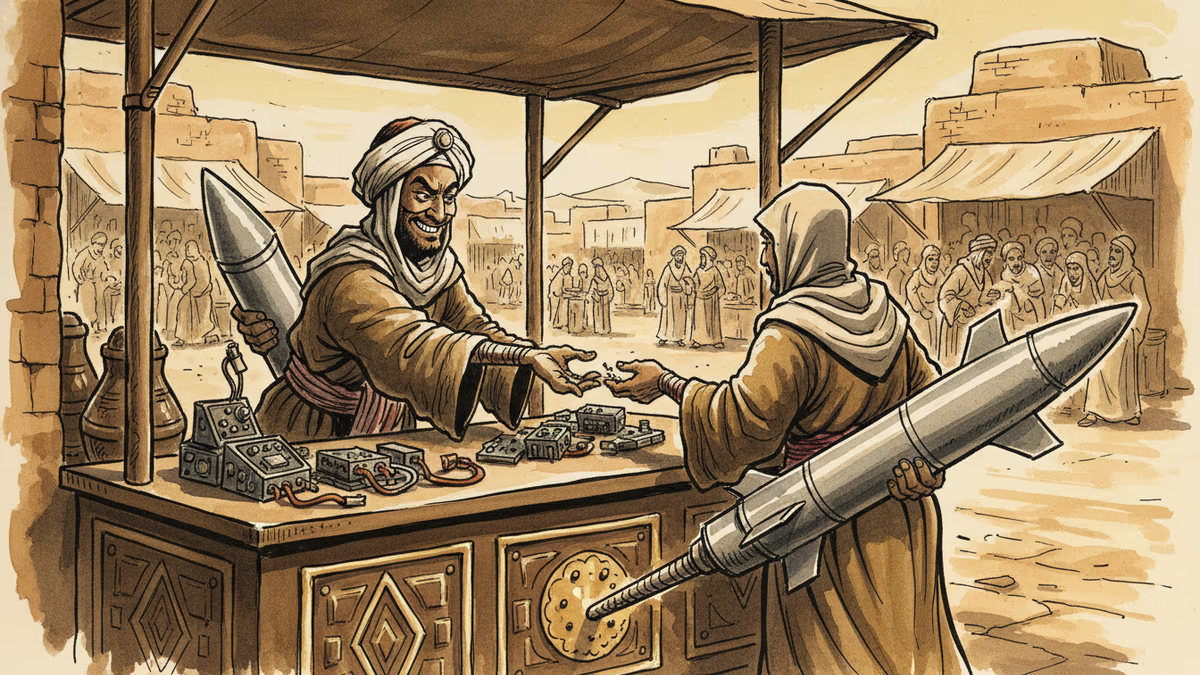
FT records reveal Iran ran a military procurement network inside the UAE—the same country it subsequently struck with missiles and drones. What this exposes about sanctions architecture.
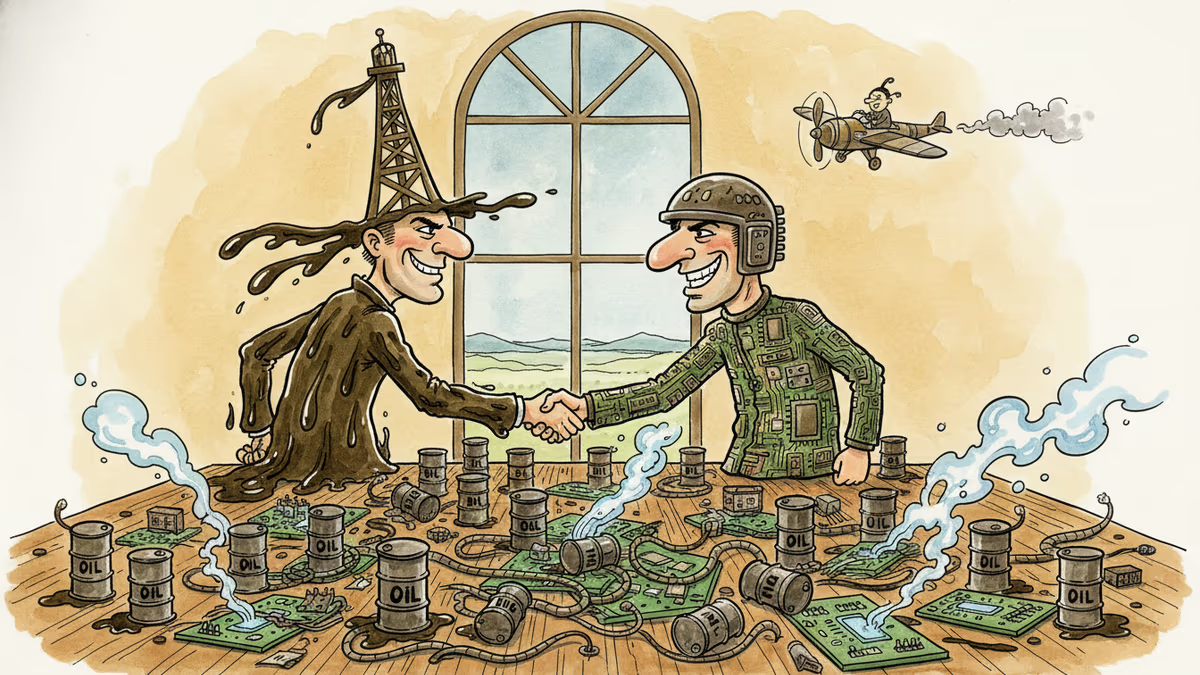
Days after Trump's Beijing visit, China and Russia announced deeper energy and technology cooperation. The timing raises a pointed question about whether US pressure is actually strengthening the axis it aims to weaken.
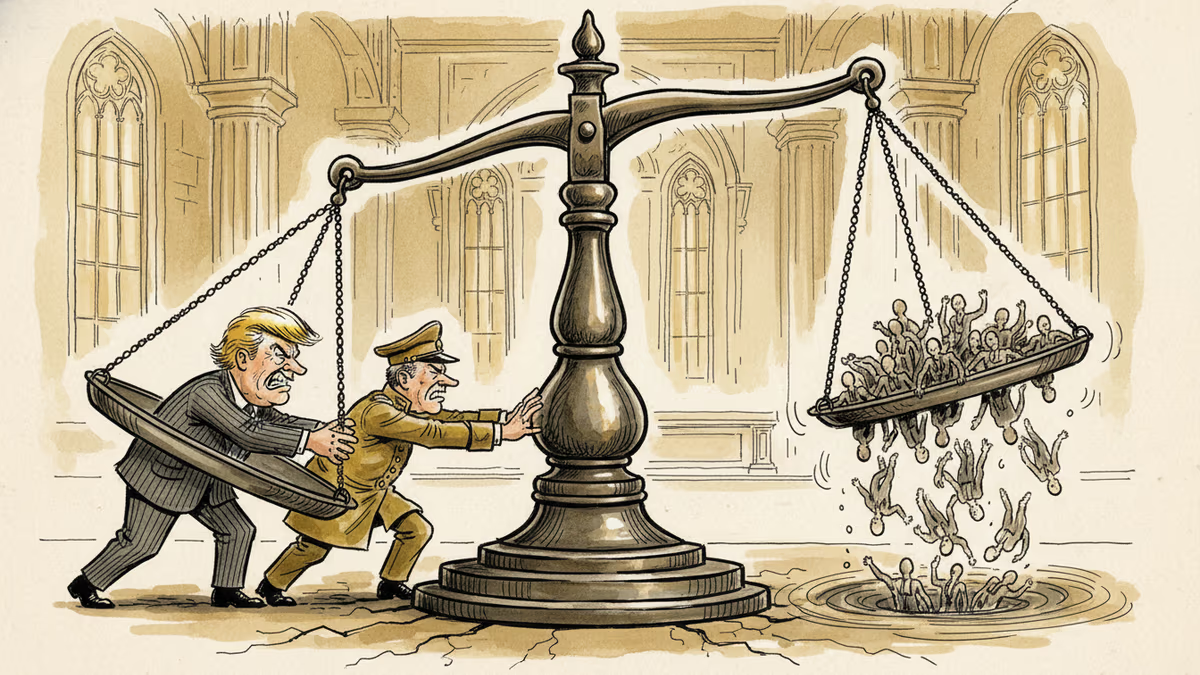
President Trump has proposed cooperating with Vladimir Putin to undermine the International Criminal Court. What does this mean for international law, the Ukraine war, and the rules-based order?
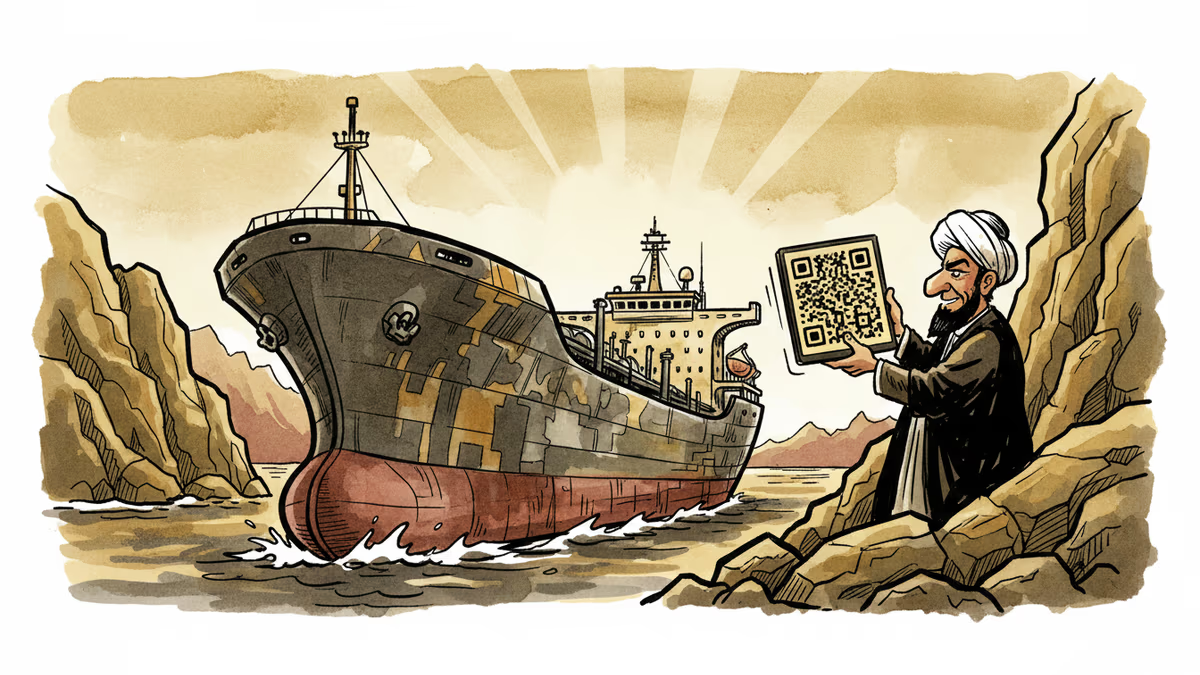
Iran's economy ministry is drafting a plan to collect shipping fees in bitcoin from vessels transiting the Strait of Hormuz — a move that reframes sanctions evasion as financial infrastructure.
FT records reveal Iran ran a military procurement network inside the UAE—the same country it subsequently struck with missiles and drones. What this exposes about sanctions architecture.
Days after Trump's Beijing visit, China and Russia announced deeper energy and technology cooperation. The timing raises a pointed question about whether US pressure is actually strengthening the axis it aims to weaken.
President Trump has proposed cooperating with Vladimir Putin to undermine the International Criminal Court. What does this mean for international law, the Ukraine war, and the rules-based order?
Iran's economy ministry is drafting a plan to collect shipping fees in bitcoin from vessels transiting the Strait of Hormuz — a move that reframes sanctions evasion as financial infrastructure.
Thoughts
Share your thoughts on this article
Sign in to join the conversation