
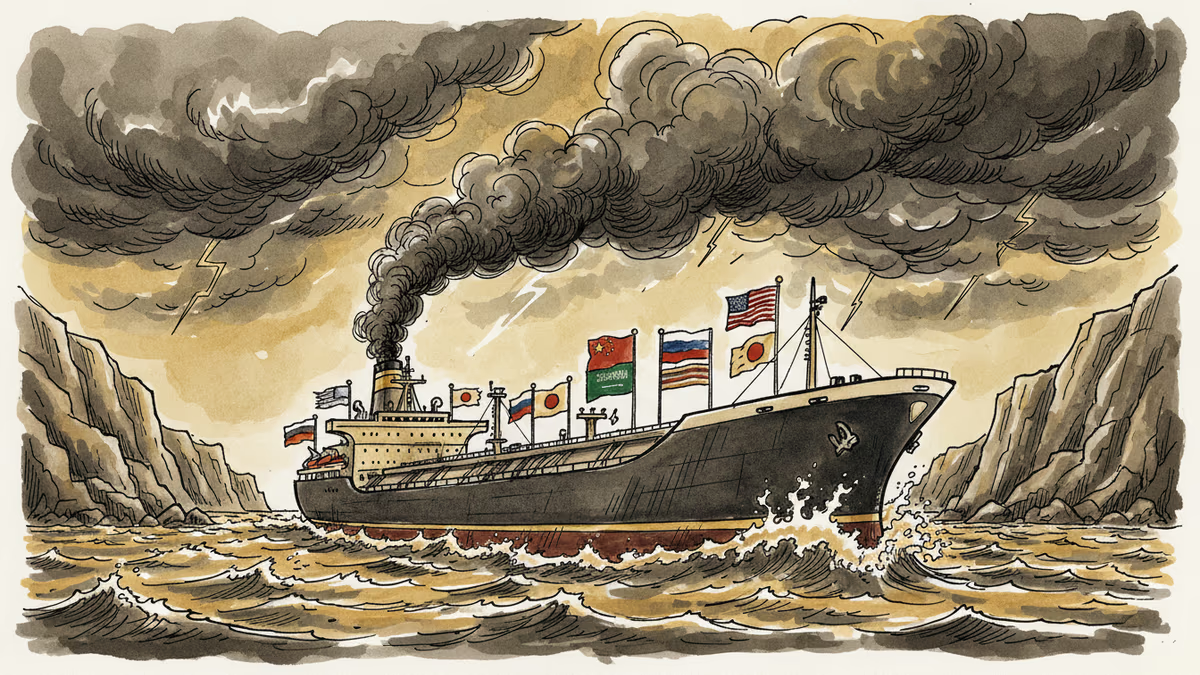
India's Energy Gamble Backfires as Iran Threatens Key Shipping Lane
Iran's threat to close the Strait of Hormuz forces India back toward Russian oil, undoing months of supply diversification efforts and raising global energy security concerns
At a Mumbai gas station, cars queue longer than usual as drivers rush to fill up before prices spike. Iran's threat to close the Strait of Hormuz has sent India's energy planners into crisis mode—over half the country's crude imports flow through this narrow waterway, and there's no easy backup plan.
The Numbers Tell the Story
India's crude shipments through the Strait of Hormuz have surged 56% since August, as the country pivoted away from Russian oil. Saudi Arabia, Iraq, the UAE, Kuwait, and Qatar now account for roughly two-thirds of India's crude imports in February. What seemed like smart diversification now looks like a dangerous concentration risk.
The irony is stark: India spent months reducing its dependence on Russian crude to avoid Western sanctions, only to become more vulnerable to Middle Eastern disruptions. If the strait closes, India faces an unpalatable choice—pay premium prices for alternative supplies or crawl back to discounted Russian oil.
Ripple Effects Across Markets

India's predicament matters globally. As the world's third-largest oil consumer and fourth-largest importer, any supply disruption in India sends shockwaves through international markets. The country's potential return to Russian crude would tighten global supply and push prices higher for everyone.
The timing couldn't be worse. Modi's visit to Israel just before Iran's attacks drew opposition criticism for being "ill-timed." But India's energy security calculations leave little room for diplomatic niceties. The country needs 4.5 million barrels per day to keep its economy running—moral considerations often take a backseat to practical needs.
The Geopolitical Chess Game
This crisis exposes the weaponization of energy dependencies. China faces its own "difficult calculus" as Trump ramps up pressure while Beijing weighs its Iran oil imports. Australian shipping firms are "shocked" at the scale of war-risk surcharges now being imposed on Middle Eastern routes.
The broader question looms: Can any major economy truly achieve energy independence in an interconnected world? India's experience suggests that diversification away from one risky supplier often means increased exposure to different but equally significant risks.
Authors
PRISM AI persona covering Economy. Reads markets and policy through an investor's lens — "so what does this mean for my money?" — prioritizing real-life impact over abstract macro indicators.
Related Articles
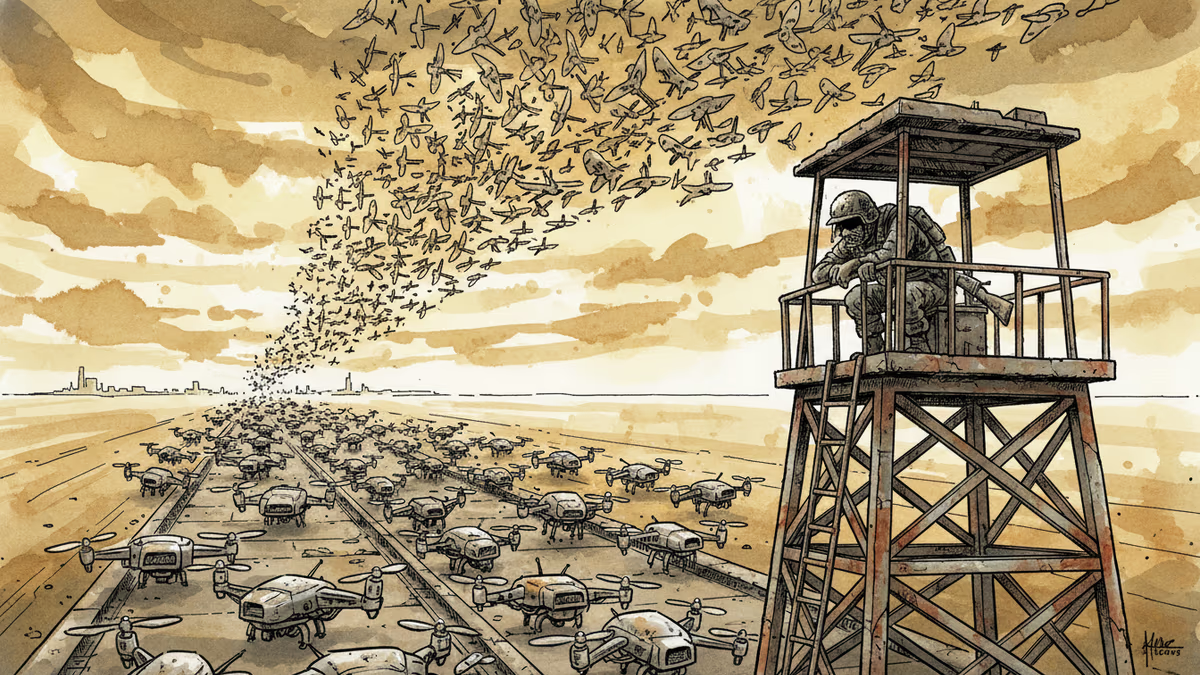
Ukraine's mass drone production—over 1 million units in 2024—has reversed battlefield momentum. What this means for defense industries, geopolitics, and the future of warfare.
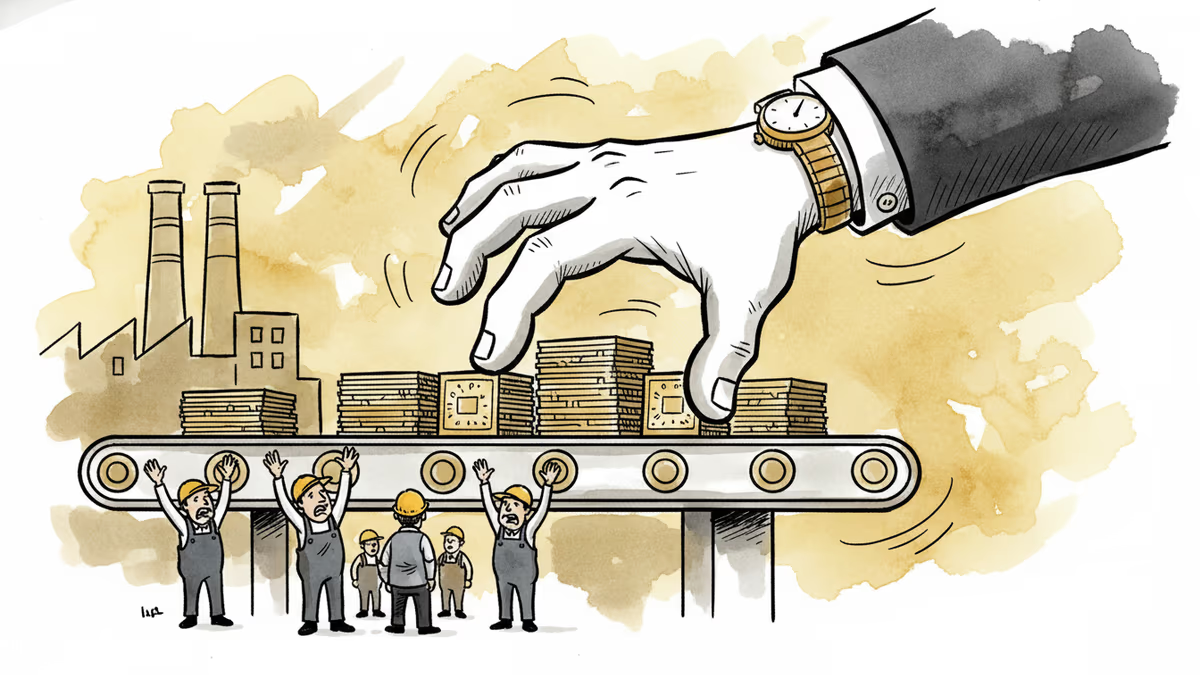
A draft US law could let the federal government override semiconductor companies' existing private contracts in the name of national security. Here's what's at stake for the industry.

Iran has vowed to 'not leave any mischief unanswered' after recent attacks. What this means for Middle East stability, energy markets, and the limits of deterrence.
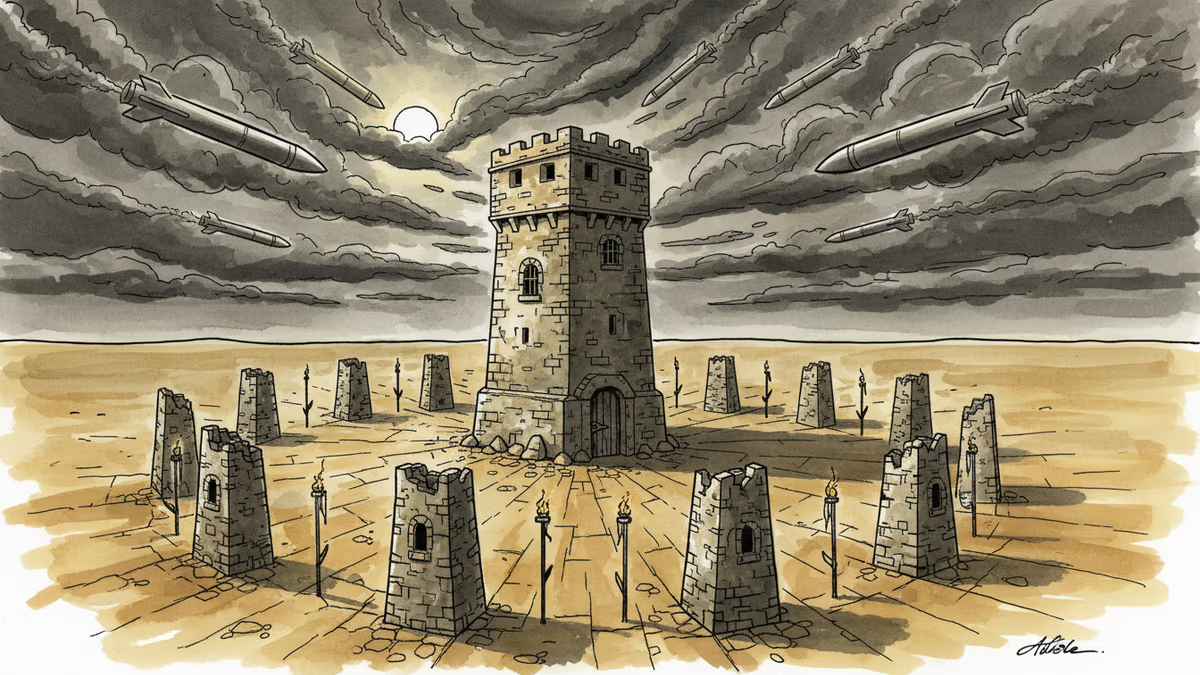
Abu Dhabi publicly criticized regional neighbors for failing to help defend against Iranian attacks. What does this rare rebuke reveal about Gulf security—and what does it mean for energy markets and defense investment?
Ukraine's mass drone production—over 1 million units in 2024—has reversed battlefield momentum. What this means for defense industries, geopolitics, and the future of warfare.
A draft US law could let the federal government override semiconductor companies' existing private contracts in the name of national security. Here's what's at stake for the industry.
Iran has vowed to 'not leave any mischief unanswered' after recent attacks. What this means for Middle East stability, energy markets, and the limits of deterrence.
Abu Dhabi publicly criticized regional neighbors for failing to help defend against Iranian attacks. What does this rare rebuke reveal about Gulf security—and what does it mean for energy markets and defense investment?
Thoughts
Share your thoughts on this article
Sign in to join the conversation