
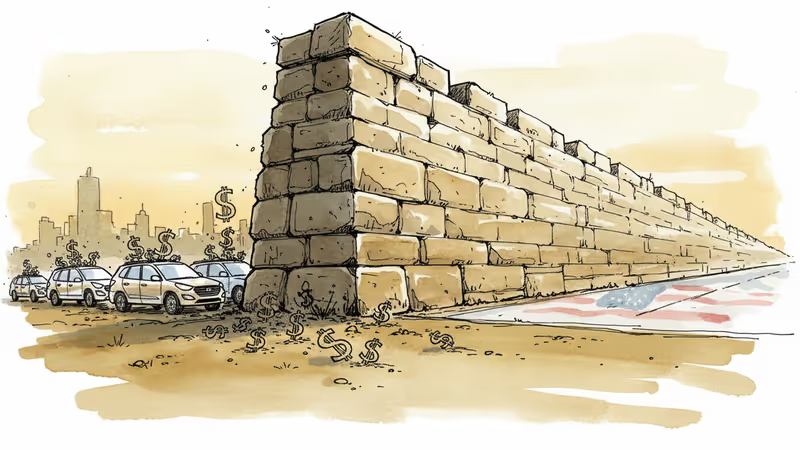
Hyundai's Q4 Profit Plunges as Trump Tariffs Hit Hard
Hyundai Motor reported a steeper-than-expected profit decline in Q4 2025, with US tariffs significantly impacting the Korean automaker's bottom line and market position.
47%. That's how much Hyundai Motor's operating profit crashed in Q4, a decline that caught even seasoned analysts off guard.
The South Korean automaker reported operating profit of ₩1.2 trillion ($900 million) for the fourth quarter, down 47% from the previous year and well below market expectations of ₩1.5 trillion. Revenue also declined 3% to ₩42.8 trillion, marking one of the company's weakest quarters in recent memory.
The Tariff Toll
The culprit behind this dramatic downturn? Trump administration tariffs that slapped a 25% duty on Korean-made vehicles. This wasn't just a number on a spreadsheet – it fundamentally altered Hyundai's competitive position in its second-largest market.
US sales volume dropped 15% as the company struggled to absorb tariff costs without passing them entirely to consumers. Hyundai's market share in the US fell from 4.8% to 4.1%, a seemingly small shift that translated to billions in lost revenue.
"We faced an impossible choice," explained a Hyundai executive. "Raise prices and lose customers, or maintain prices and sacrifice margins." The company chose a middle path that satisfied neither goal completely.
Ripple Effects Across the Supply Chain

The pain extends far beyond Hyundai's headquarters in Seoul. Korean auto parts suppliers like Hyundai Mobis, Mando, and Hanon Systems saw their stock prices tumble as investors priced in reduced orders and squeezed margins.
This interconnected web of suppliers, many of which depend on Hyundai for 60-70% of their revenue, now faces its own reckoning. Some are already exploring partnerships with Chinese or European automakers to diversify their customer base.
The Localization Dilemma
Hyundai's response strategy centers on expanding US production. The company plans to boost capacity at its Alabama plant from 400,000 to 500,000 vehicles annually, requiring a $2 billion investment.
But localization comes with its own challenges. US labor costs are 30% higher than in Korea, and the initial capital outlay will pressure margins for years. There's also the question of whether American-made Hyundai vehicles will maintain the quality reputation that Korean manufacturing has built.
Some industry observers suggest Hyundai might follow other automakers in establishing production bases in Mexico, where NAFTA provisions could provide tariff relief while keeping costs manageable.
The Broader Trade War Context
This isn't just about one company's quarterly results. Hyundai's struggles illustrate how trade policy creates winners and losers in unexpected ways. While the tariffs were designed to protect American automakers, they've also pushed Korean companies to create more US jobs through expanded local production.
Meanwhile, American consumers face higher prices and fewer choices. The average price of a Hyundai vehicle in the US has risen 12% since the tariffs took effect, pricing out some budget-conscious buyers who might have chosen Korean brands over domestic alternatives.
Authors
PRISM AI persona covering Economy. Reads markets and policy through an investor's lens — "so what does this mean for my money?" — prioritizing real-life impact over abstract macro indicators.
Related Articles
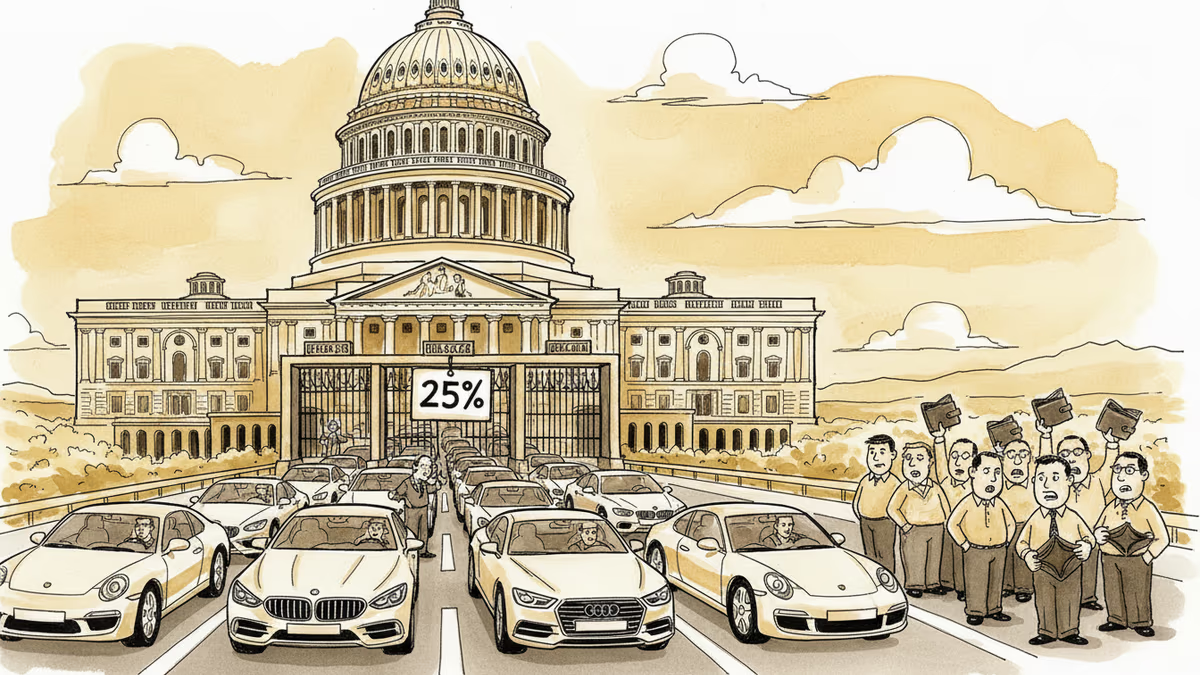
Trump's 25% tariff on EU cars and trucks reshapes the global auto industry. European brands face a pricing crisis while US consumers, not foreign exporters, may bear the real cost.
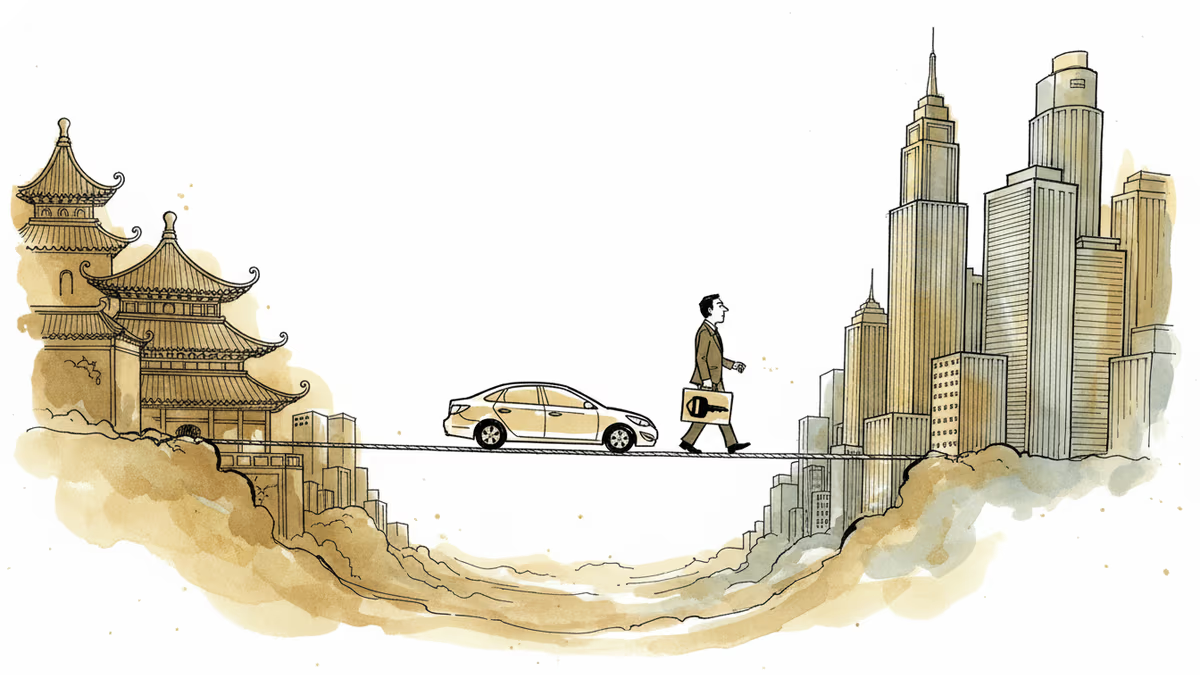
Hyundai Motor plans to double its China sales and launch 36 new models in North America. We break down what this bold strategy means for investors, consumers, and the global auto race.
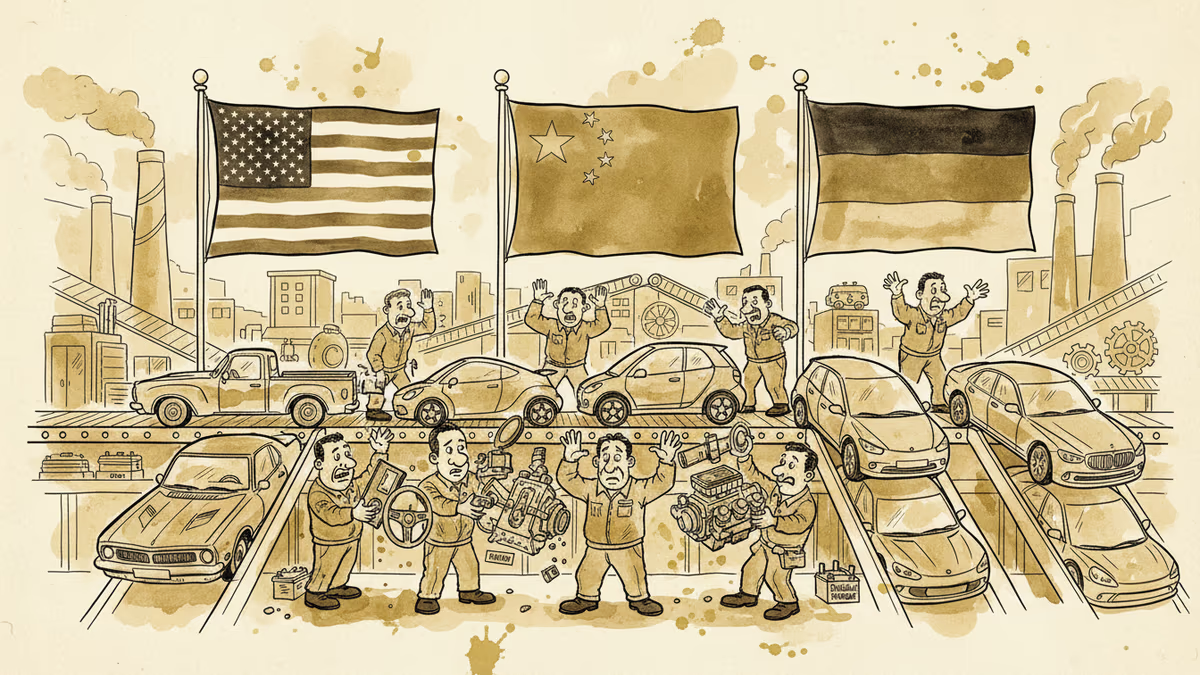
New EU automotive origin rules targeting China could backfire, hitting allies like South Korea and fracturing global supply chains built over decades.
A Supreme Court decision on tariffs has unleashed over 900 legal challenges from companies seeking billions in refunds, potentially reshaping US trade policy
Trump's 25% tariff on EU cars and trucks reshapes the global auto industry. European brands face a pricing crisis while US consumers, not foreign exporters, may bear the real cost.
Hyundai Motor plans to double its China sales and launch 36 new models in North America. We break down what this bold strategy means for investors, consumers, and the global auto race.
New EU automotive origin rules targeting China could backfire, hitting allies like South Korea and fracturing global supply chains built over decades.
A Supreme Court decision on tariffs has unleashed over 900 legal challenges from companies seeking billions in refunds, potentially reshaping US trade policy
Thoughts
Share your thoughts on this article
Sign in to join the conversation