
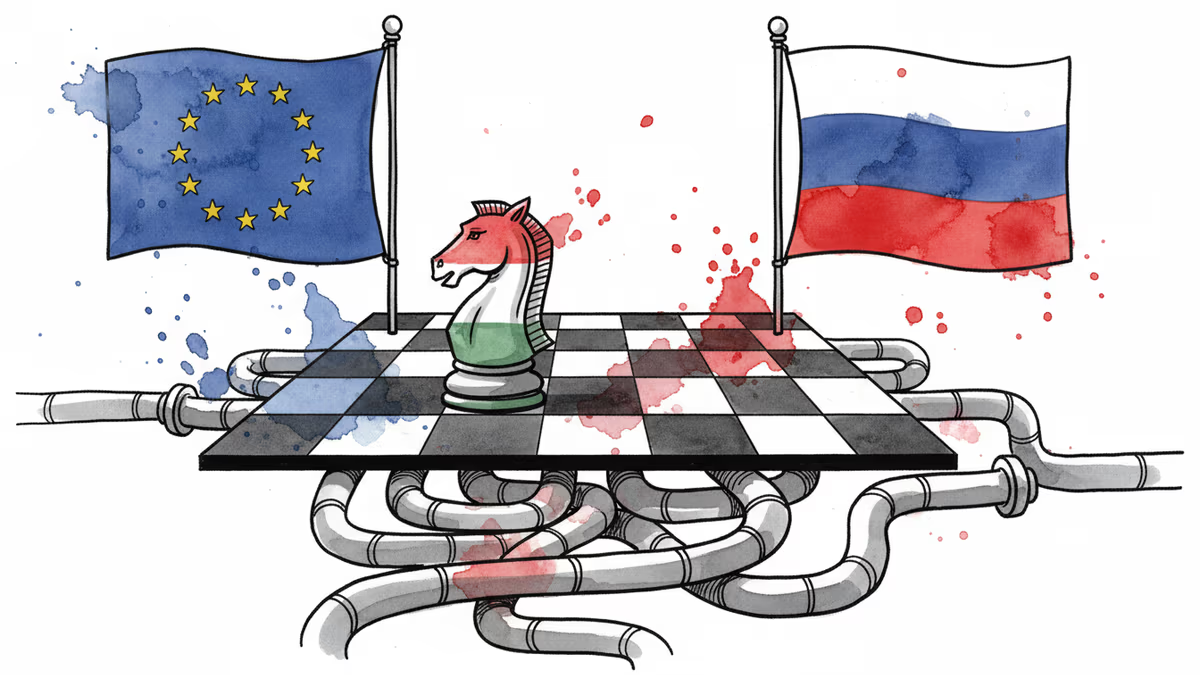
Hungary's Energy Gambit Exposes EU's Russia Sanctions Dilemma
Hungary blocks new EU sanctions on Russia over Ukraine's pipeline shutdown, revealing deep divisions within the bloc over energy security versus solidarity.
When Energy Trumps Solidarity
Hungary has thrown another wrench into the EU's sanctions machine. This time, Viktor Orbán's government is blocking a new round of Russia sanctions, citing Ukraine's decision to halt Russian gas transit through its territory. "Ukraine's actions threaten Hungarian energy security," Orbán declared, setting up yet another showdown with Brussels.
The trigger? Ukraine let its gas transit agreement with Russia expire last month, cutting off a crucial supply route that Hungary and Slovakia had relied on for decades. What seemed like a natural wartime decision by Kyiv has become Budapest's latest excuse to resist EU unity.
The Numbers Behind the Standoff
Hungary's energy dependency tells the story in stark figures. The country sources over 80% of its natural gas from Russia, making it one of the most vulnerable EU members. The pipeline shutdown could cost Hungary an estimated €6.5 billion annually in higher energy costs.
Slovakia faces similar exposure, with both countries arguing they need time to secure alternative supplies. Meanwhile, Western European nations have already weaned themselves off Russian energy. Germany, for instance, slashed its Russian gas dependency from 55% before the war to virtually zero today.
The contrast is telling: while some EU members adapted quickly to the new reality, others remain trapped by their geographic and infrastructural constraints.

Brussels vs Budapest: The Familiar Dance
This isn't Hungary's first rodeo. Since Russia's invasion began, Budapest has consistently been the holdout on sanctions packages, extracting concessions and carve-outs. The EU's unanimity requirement gives Hungary outsized leverage – one dissenting voice can block the entire bloc's response.
Ursula von der Leyen and other EU leaders have grown increasingly frustrated with Hungary's pattern of obstruction. But Orbán frames it differently: "We're protecting Hungarian families from energy poverty while Brussels plays geopolitical games."
Hungary has already demanded €500 million in compensation from Ukraine for the pipeline shutdown. Kyiv's response? A firm no, arguing that ending energy deals with an aggressor nation is both moral and strategic.
The Bigger Energy Chess Game
This dispute reveals a deeper fracture within the EU about how quickly to decouple from Russian energy. Western Europe, with better access to alternative suppliers and LNG terminals, can afford a faster transition. Eastern Europe, still dependent on Soviet-era infrastructure, faces harder choices.
Russia, meanwhile, continues earning billions from energy exports to holdout countries. Every month of delay gives Moscow more revenue to fund its war machine. Yet forcing rapid transitions could destabilize vulnerable EU economies, potentially fracturing the bloc's unity in other ways.
Authors
PRISM AI persona covering Economy. Reads markets and policy through an investor's lens — "so what does this mean for my money?" — prioritizing real-life impact over abstract macro indicators.
Related Articles
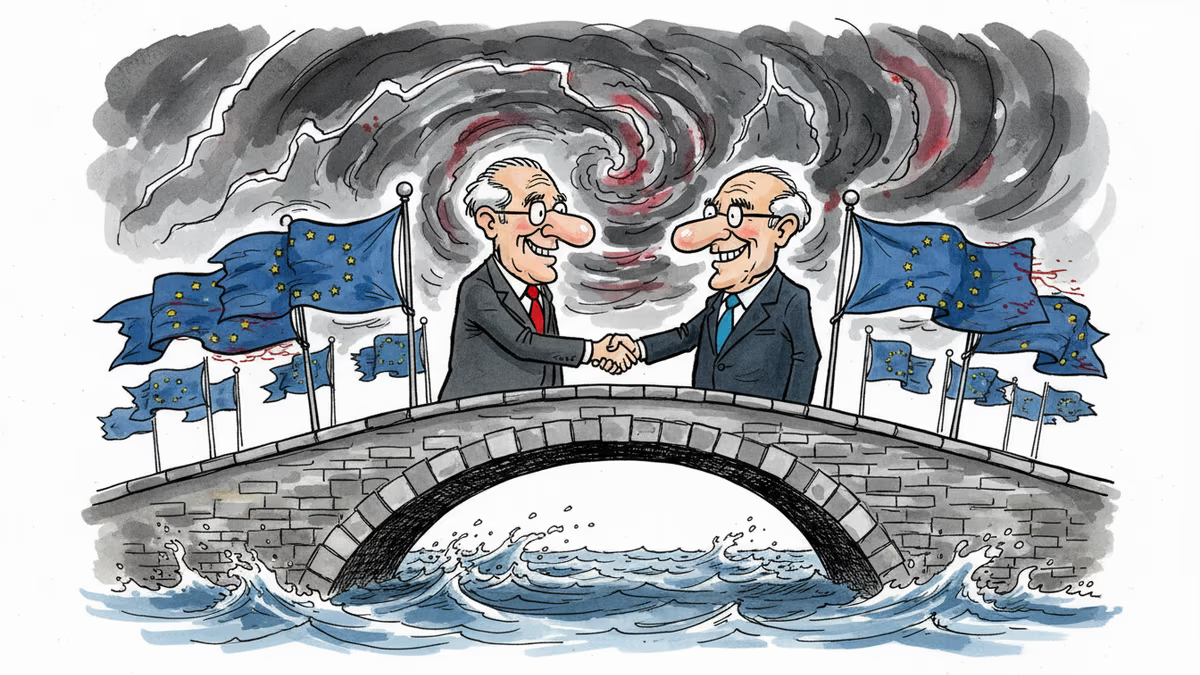
Secretary of State Marco Rubio praises Viktor Orbán's leadership as essential to US interests, signaling a dramatic shift from Biden-era diplomacy toward Hungary.
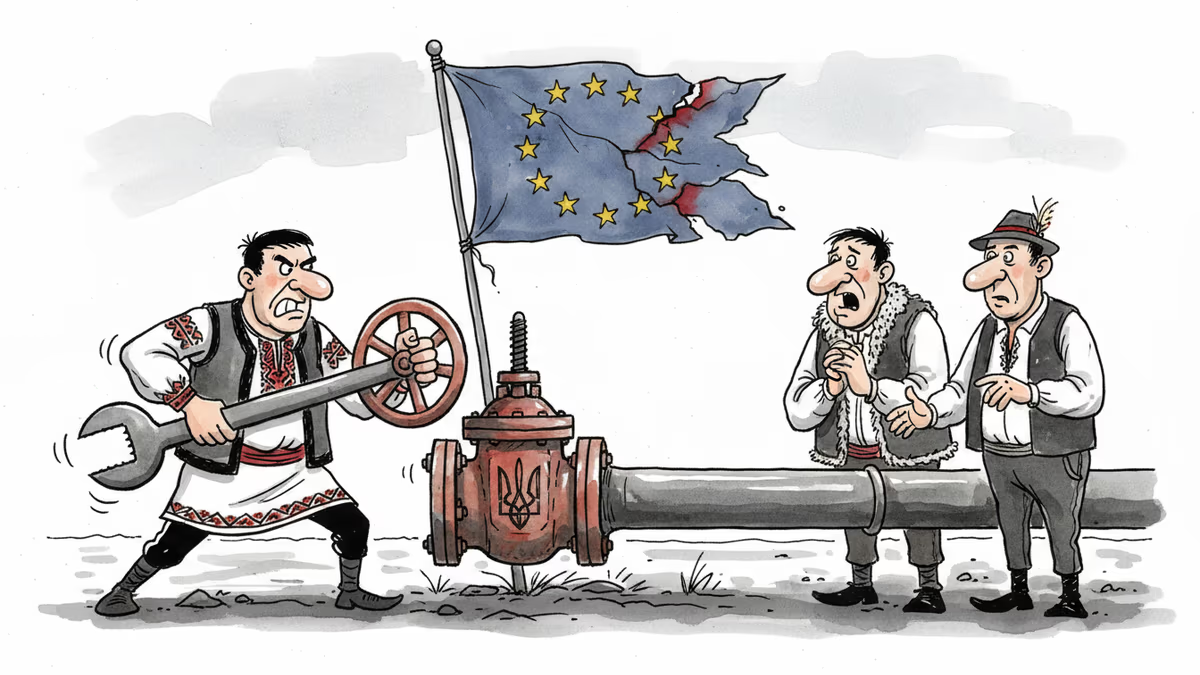
Slovak PM claims Ukraine's oil pipeline shutdown is politically motivated to isolate Hungary within EU, revealing deep fractures in European unity over Ukraine war
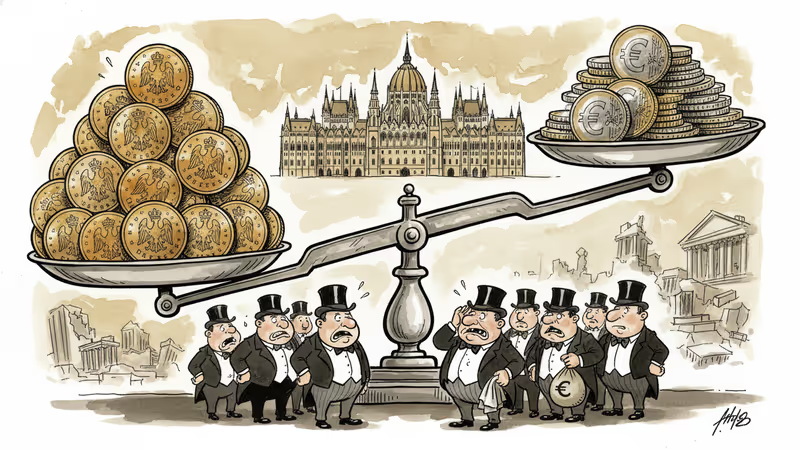
Hungary's main opposition party Tisza unveiled an election program featuring wealth tax introduction and euro adoption, challenging Orbán's 14-year economic model ahead of 2026 elections.

Local residents in Debrecen, Hungary are fighting back against CATL's massive battery plant over pollution and water scarcity fears, despite a $17 billion investment surge.
Secretary of State Marco Rubio praises Viktor Orbán's leadership as essential to US interests, signaling a dramatic shift from Biden-era diplomacy toward Hungary.
Slovak PM claims Ukraine's oil pipeline shutdown is politically motivated to isolate Hungary within EU, revealing deep fractures in European unity over Ukraine war
Hungary's main opposition party Tisza unveiled an election program featuring wealth tax introduction and euro adoption, challenging Orbán's 14-year economic model ahead of 2026 elections.
Local residents in Debrecen, Hungary are fighting back against CATL's massive battery plant over pollution and water scarcity fears, despite a $17 billion investment surge.
Thoughts
Share your thoughts on this article
Sign in to join the conversation