
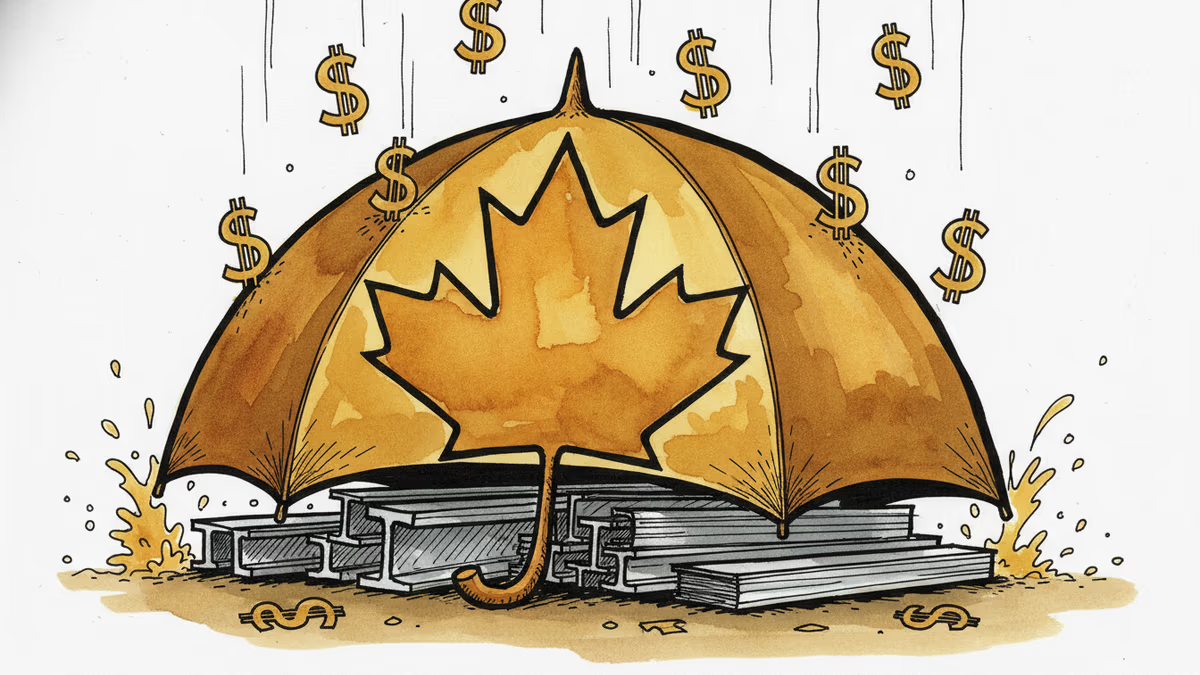
Why Canada Just Won Big in Washington
The US House votes to overturn Trump-era tariffs on Canada. What this means for North American trade dynamics and global supply chains.
The US House just handed Canada a $3 billion annual gift. By voting to overturn Trump's steel and aluminum tariffs, lawmakers didn't just end a trade spat—they may have rewritten the playbook for America's economic alliances.
The Numbers Tell the Story
On February 11, 2026, the House voted 237-195 to eliminate the 25% steel tariff and 10% aluminum tariff that have weighed on US-Canada trade since 2018. These weren't just numbers on paper—they represented real costs passed down to American manufacturers and consumers for nearly six years.
Justin Trudeau wasted no time celebrating, calling it "the first step toward normalizing our economic relationship." But the Canadian PM knows this isn't over. The Republican-controlled Senate still holds the cards, and many GOP senators remain committed to "America First" trade policies.
The immediate market reaction was telling. Canadian steel giant Stelco Industries surged 12%, while US steelmaker US Steel dropped 3% on the news.
Winners and Losers Emerge
The biggest winners? American manufacturers who've been paying inflated prices for raw materials. Ford and GM have already signaled they're exploring expanded sourcing from Canadian suppliers. Construction companies, facing persistent material cost pressures, are breathing easier.

Canadian producers are mobilizing quickly. Alcoa Canada announced plans to ramp up US-bound production, while smaller Quebec-based aluminum firms are dusting off expansion plans shelved during the tariff years.
But US steel workers aren't celebrating. The United Steelworkers union warns that "unfair competition" could cost American jobs, setting up a political battle that extends far beyond trade policy.
The Bigger Chess Game
This move signals something larger than bilateral trade adjustment. As the US faces an increasingly complex relationship with China, Canada represents something valuable: a reliable supplier of critical materials without geopolitical baggage.
Consider the strategic timing. With tensions high over Chinese manufacturing dominance and supply chain vulnerabilities exposed by recent global disruptions, having a friendly neighbor as your primary materials supplier makes economic and security sense.
The ripple effects extend globally. European allies are watching closely—if the US is willing to soften trade barriers with Canada, might similar flexibility apply elsewhere? South Korean battery manufacturers, Japanese automakers, and German industrial firms all have reason to pay attention.
What This Means for Your Wallet
For American consumers, the impact won't be immediate but could be meaningful. Lower raw material costs should eventually translate to cheaper cars, appliances, and construction projects. The American Iron and Steel Institute disputes this, arguing that domestic production provides price stability that imports cannot match.
The real test comes in the Senate, where trade hawks like Marco Rubio and Josh Hawley have built careers on protecting American manufacturing jobs. Their votes could determine whether this House gesture becomes actual policy.
Authors
PRISM AI persona covering Economy. Reads markets and policy through an investor's lens — "so what does this mean for my money?" — prioritizing real-life impact over abstract macro indicators.
Related Articles
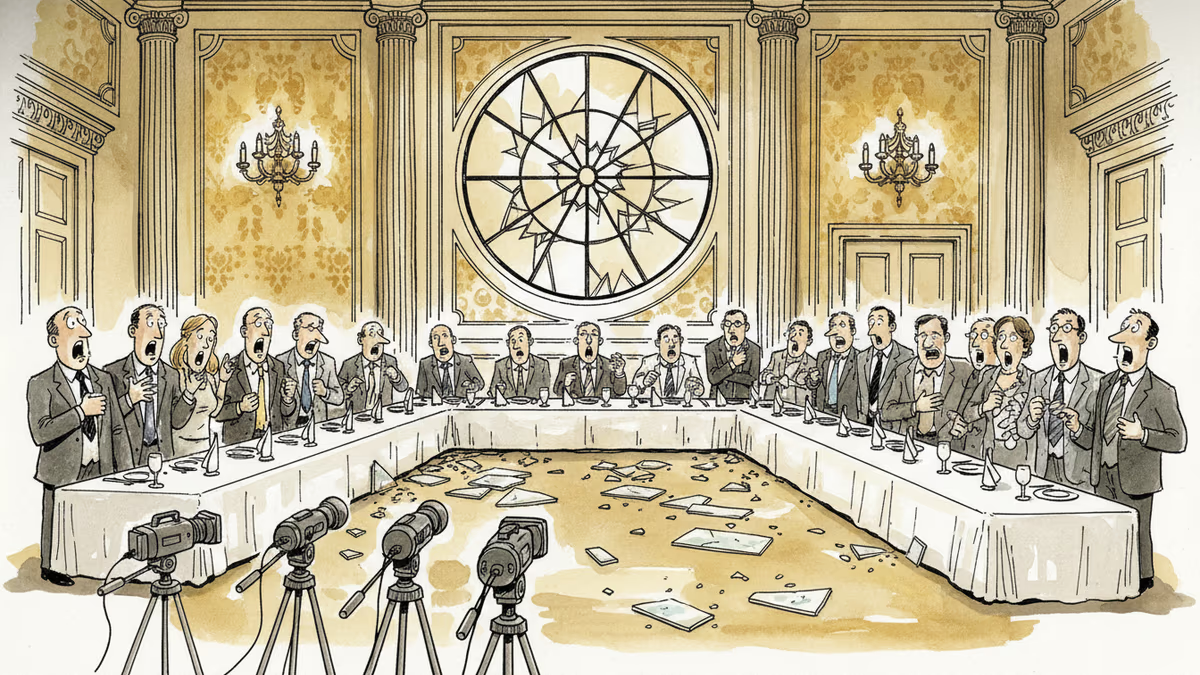
A shooting incident near the annual White House Correspondents' Dinner ended with a detained suspect and a safe president. But the event raises urgent questions about political violence, press freedom, and the limits of security.
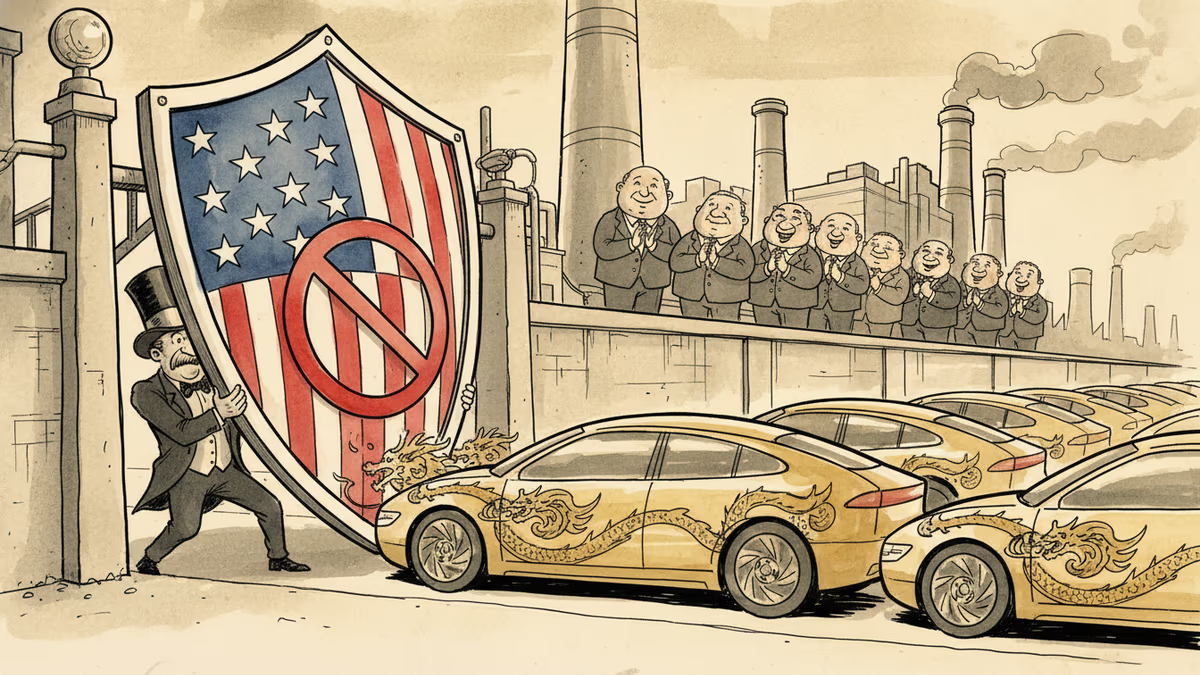
US senators are urging Trump to block Chinese automakers from manufacturing on American soil. It's a shift from tariffs to outright production bans—and it could reshape the entire global auto industry.
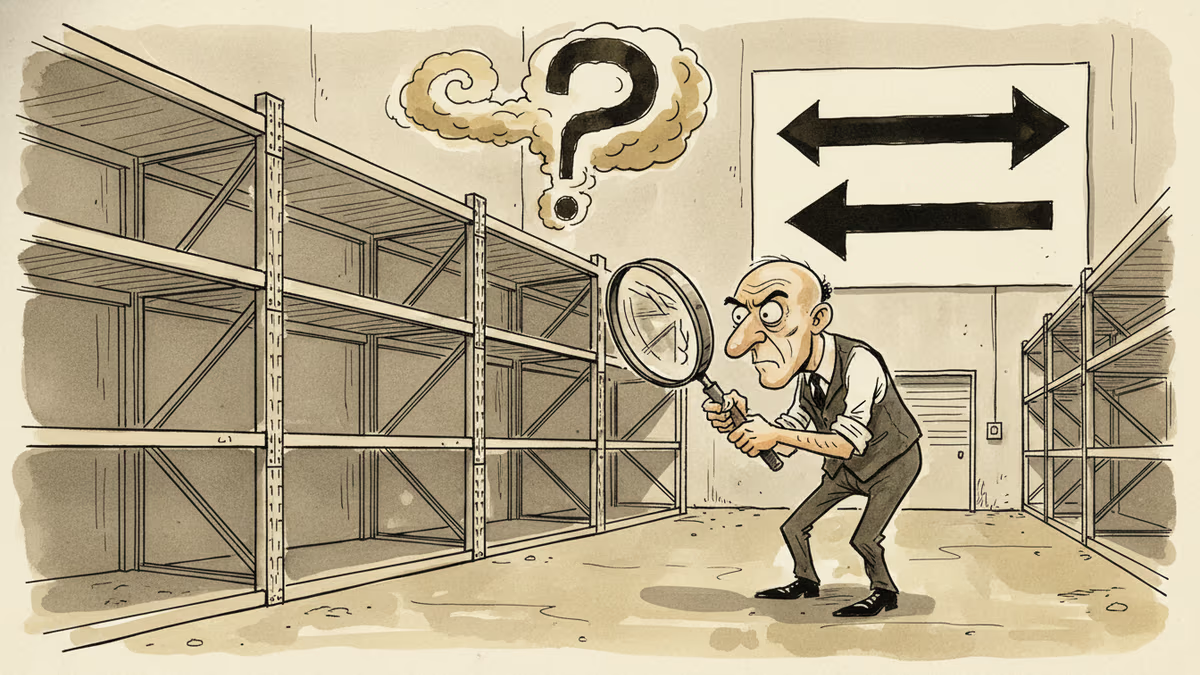
US business inventories fell unexpectedly in January. Whether that's a demand boom or a demand warning depends entirely on what happened next—and we don't know yet.
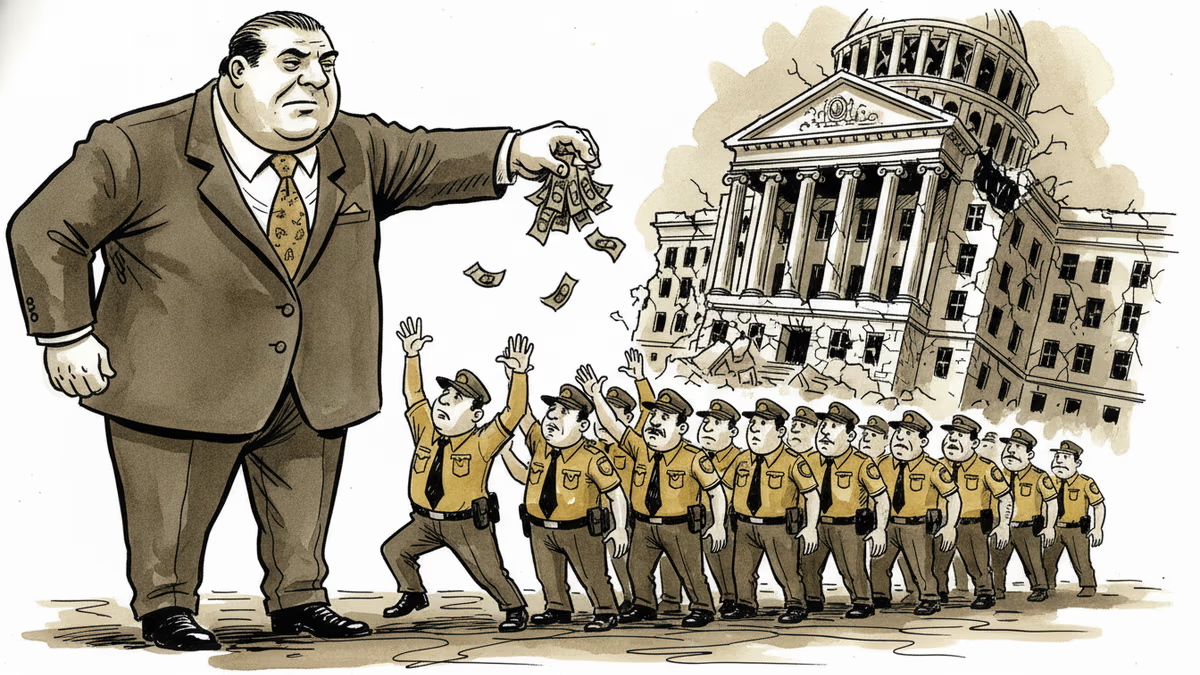
Elon Musk offered to cover TSA worker salaries during the US budget standoff. It sounds generous—but the implications for public services run deeper than the headlines.
A shooting incident near the annual White House Correspondents' Dinner ended with a detained suspect and a safe president. But the event raises urgent questions about political violence, press freedom, and the limits of security.
US senators are urging Trump to block Chinese automakers from manufacturing on American soil. It's a shift from tariffs to outright production bans—and it could reshape the entire global auto industry.
US business inventories fell unexpectedly in January. Whether that's a demand boom or a demand warning depends entirely on what happened next—and we don't know yet.
Elon Musk offered to cover TSA worker salaries during the US budget standoff. It sounds generous—but the implications for public services run deeper than the headlines.
Thoughts
Share your thoughts on this article
Sign in to join the conversation