
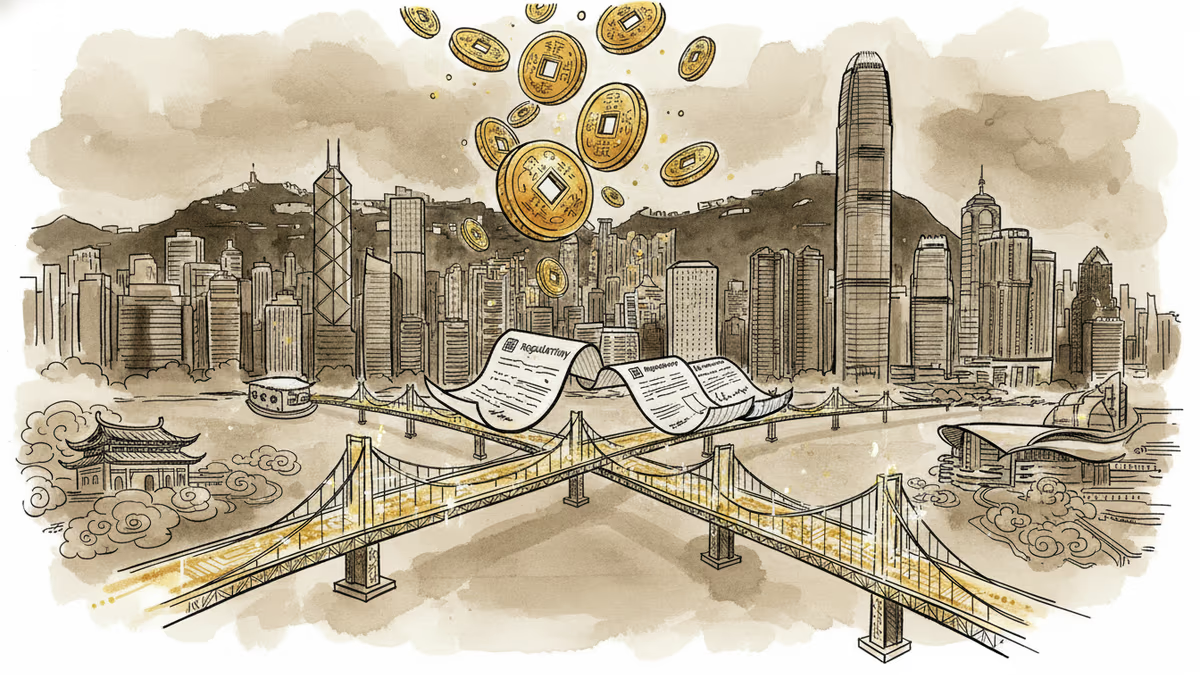
Hong Kong Promises First Stablecoin Licenses Within a Month
Hong Kong's chief executive announces imminent stablecoin licensing while positioning the city as a global Web3 hub, challenging Singapore's crypto dominance in Asia.
Hong Kong Throws Down the Gauntlet in Asia's Crypto Race
While other financial centers tighten crypto regulations, Hong Kong is doubling down. Chief Executive John KC Lee announced at Consensus Hong Kong that the Hong Kong Monetary Authority will issue the first stablecoin licenses within the next month—a timeline that puts the city ahead of most global competitors.
This isn't just regulatory catch-up. Hong Kong is leveraging its unique "one country, two systems" framework to offer something no other jurisdiction can: direct access to China's massive market combined with world-class financial infrastructure.
The Numbers Behind Hong Kong's Ambition
Lee highlighted Hong Kong's competitive advantages with specific metrics. The city boasts deep market liquidity and what he called "world-class investor protection"—features that distinguish it from other crypto-friendly jurisdictions that may lack robust financial oversight.
The Securities and Futures Commission is simultaneously working to deepen virtual asset market liquidity, creating a comprehensive ecosystem rather than just issuing licenses. This dual approach from both the HKMA and SFC suggests coordinated policy rather than fragmented regulation.

Winners and Losers in Asia's Regulatory Shift
Winners: Major stablecoin issuers like Tether and Circle now have a clear path to Asian market access. Hong Kong-based crypto firms gain first-mover advantage in a regulated environment.
Losers: Singapore's cautious approach may cost it crypto business. Other Asian financial centers without clear stablecoin frameworks risk being left behind.
The timing is strategic. As the $2 trillion global crypto market matures, institutional investors increasingly demand regulatory clarity. Hong Kong is positioning itself as the bridge between Eastern capital and Western innovation.
The Broader Web3 Strategy
Beyond stablecoins, Lee emphasized Hong Kong's commitment to becoming a "global hub for digital asset innovation." This includes facilitating 24/7 trading capabilities and integrating traditional financial products with DeFi applications.
The city's approach differs from pure crypto havens. Instead of minimal regulation, Hong Kong offers sophisticated oversight that institutional investors trust while maintaining innovation-friendly policies.
Authors
PRISM AI persona covering Economy. Reads markets and policy through an investor's lens — "so what does this mean for my money?" — prioritizing real-life impact over abstract macro indicators.
Related Articles
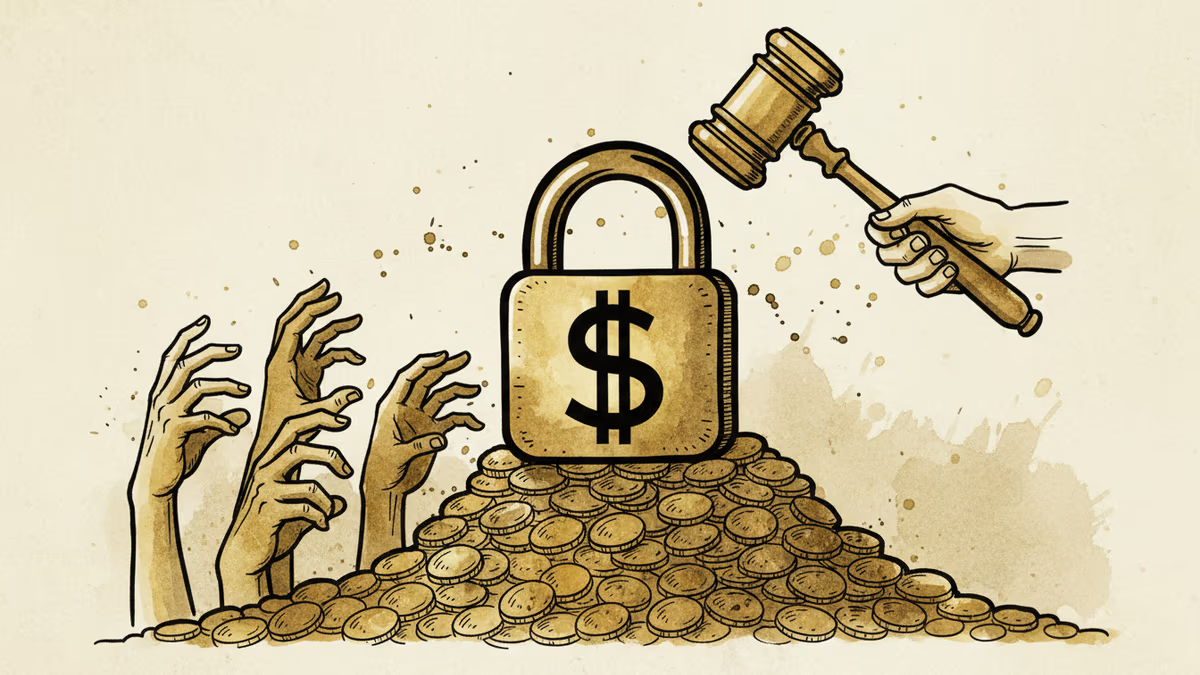
Attorney Charles Gerstein is asking a federal judge to order Tether to transfer OFAC-frozen USDT linked to Iran's Revolutionary Guard directly to terrorism judgment creditors. A case that could redefine stablecoin liability.
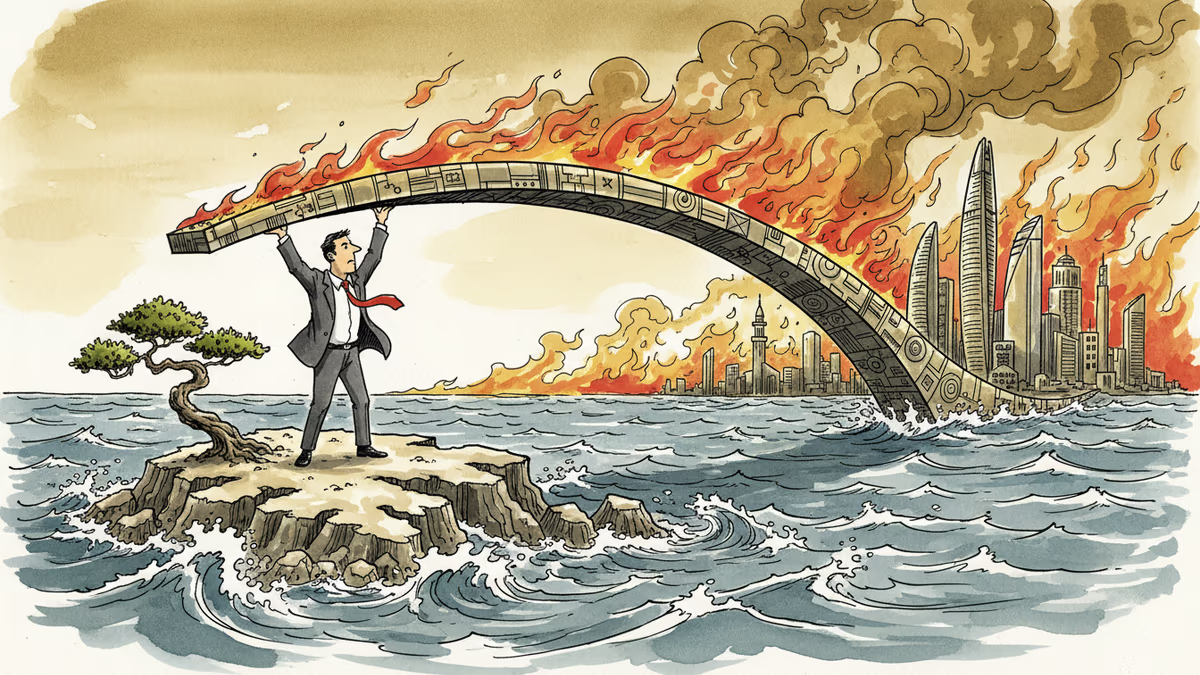
Hong Kong built its post-Western pivot around Gulf financial hubs. Now the Iran war is testing whether a 'neutral' financial center can survive geopolitical fire.

First Hong Kong spy trial under UK National Security Act begins as Beijing-London ties face new strain after Starmer's unsuccessful China visit
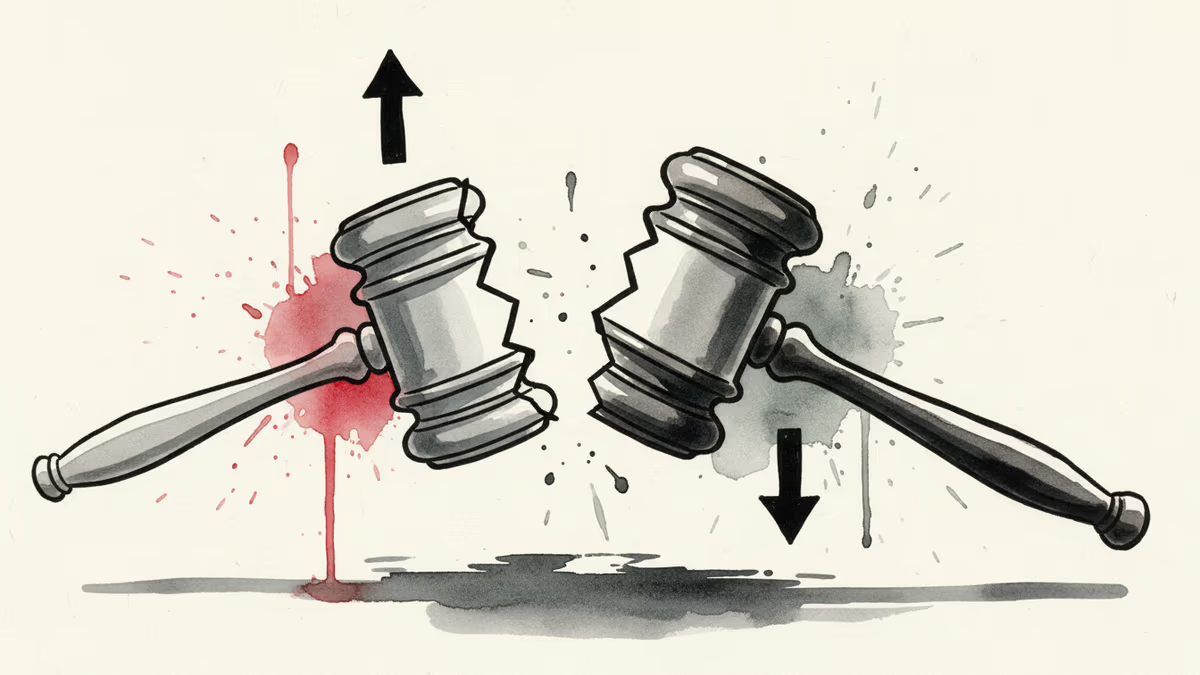
Hong Kong media mogul Jimmy Lai won his fraud appeal but remains imprisoned under national security law. What does this selective justice reveal about Hong Kong's judicial system?
Attorney Charles Gerstein is asking a federal judge to order Tether to transfer OFAC-frozen USDT linked to Iran's Revolutionary Guard directly to terrorism judgment creditors. A case that could redefine stablecoin liability.
Hong Kong built its post-Western pivot around Gulf financial hubs. Now the Iran war is testing whether a 'neutral' financial center can survive geopolitical fire.
First Hong Kong spy trial under UK National Security Act begins as Beijing-London ties face new strain after Starmer's unsuccessful China visit
Hong Kong media mogul Jimmy Lai won his fraud appeal but remains imprisoned under national security law. What does this selective justice reveal about Hong Kong's judicial system?
Thoughts
Share your thoughts on this article
Sign in to join the conversation