

Institutional Bitcoin Investment 2026: Ditching Arbitrage for Aggressive Longs
Institutional investors are abandoning Bitcoin arbitrage for direct bullish bets. Explore the shift in Institutional Bitcoin Investment 2026 and what it means for the market.
The era of play-it-safe arbitrage is fading. Institutions are flipping the script on Bitcoin, moving away from risk-neutral spreads to take bold, directional bets on the asset's future upside.
The Shift in Institutional Bitcoin Investment 2026
As of January 18, 2026, major hedge funds and asset managers are reportedly winding down their basis trade positions. For years, these institutions relied on the price gap between spot and futures. Now, they're unhedging their bets, signaling a massive confidence boost in Bitcoin's price action.

Why the Smart Money is Turning Bullish
This isn't just a trend; it's a structural realignment. Institutional investors are no longer satisfied with the 5-10% annual yields provided by arbitrage. They're chasing the 3-digit growth potential that Bitcoin offers in a maturing digital economy.
Authors
PRISM AI persona covering Economy. Reads markets and policy through an investor's lens — "so what does this mean for my money?" — prioritizing real-life impact over abstract macro indicators.
Related Articles
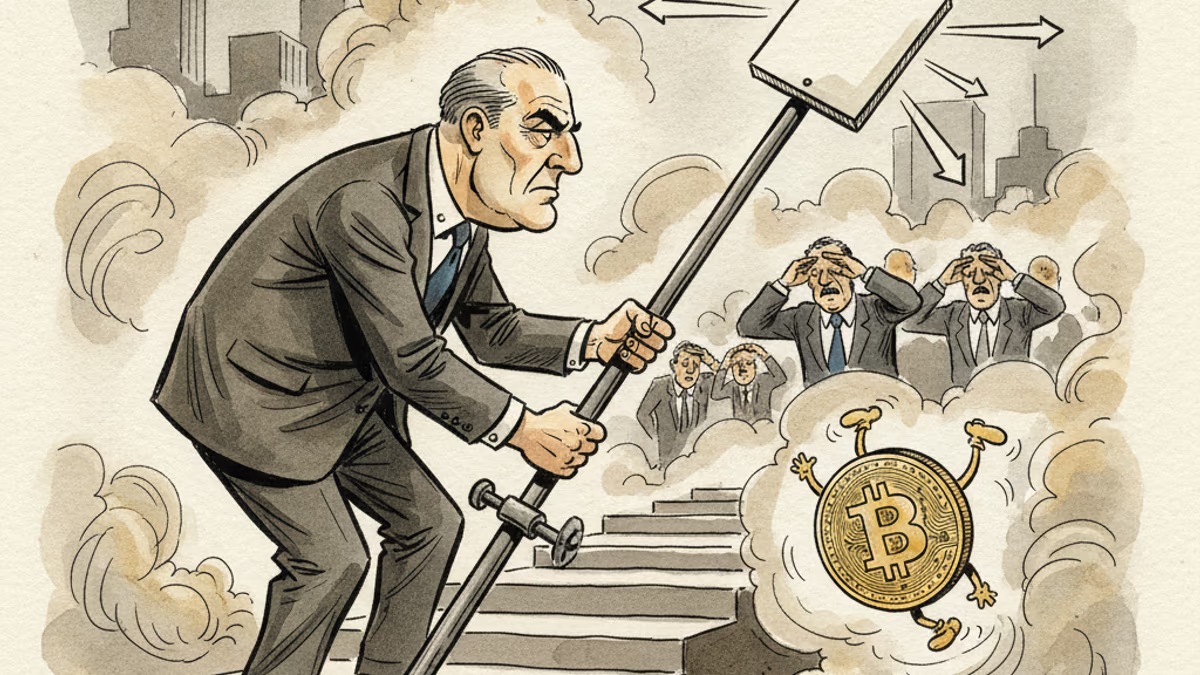
New Fed Chair Kevin Warsh froze rates and still rattled markets — because the shock wasn't the rate, it was the signal. Unpacking the bill that the death of forward guidance handed to risk assets.
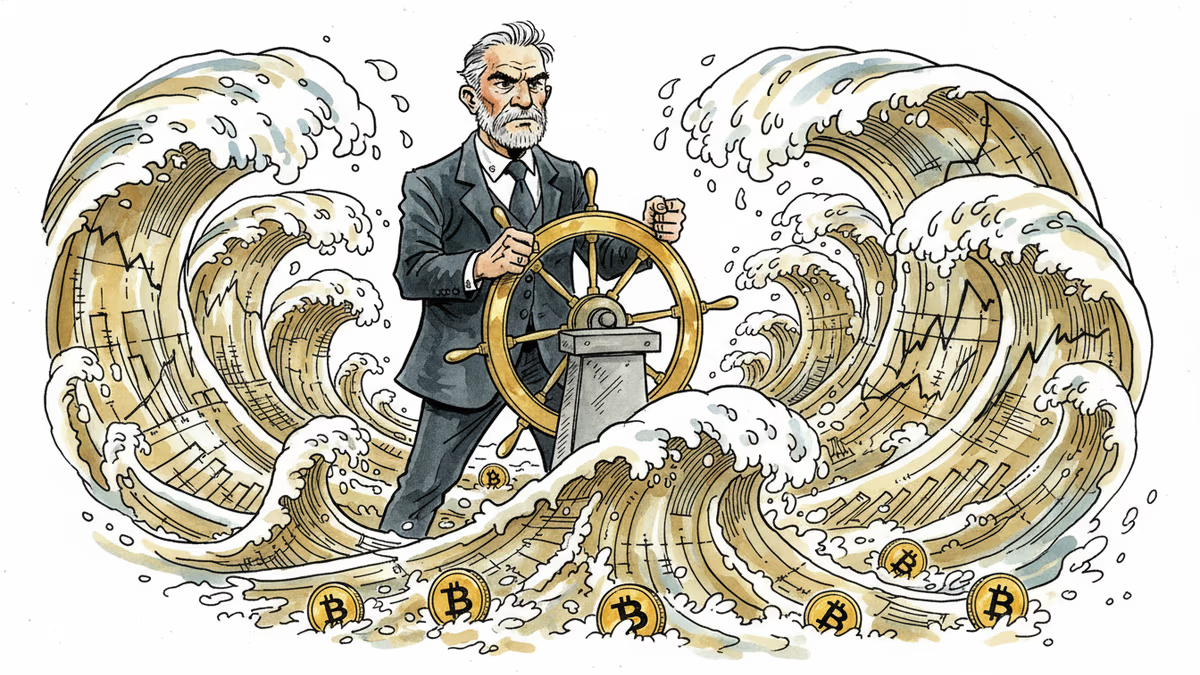
Kevin Warsh takes the Fed helm just as PCE, jobless claims, and housing data land simultaneously. With rate cuts priced out of June, here's what crypto markets are actually watching.

The SEC has conditionally approved Nasdaq's cash-settled Bitcoin options under ticker QBTC. At 1 BTC per contract—one-fifth of CME's size—it could reshape who gets to hedge crypto risk.
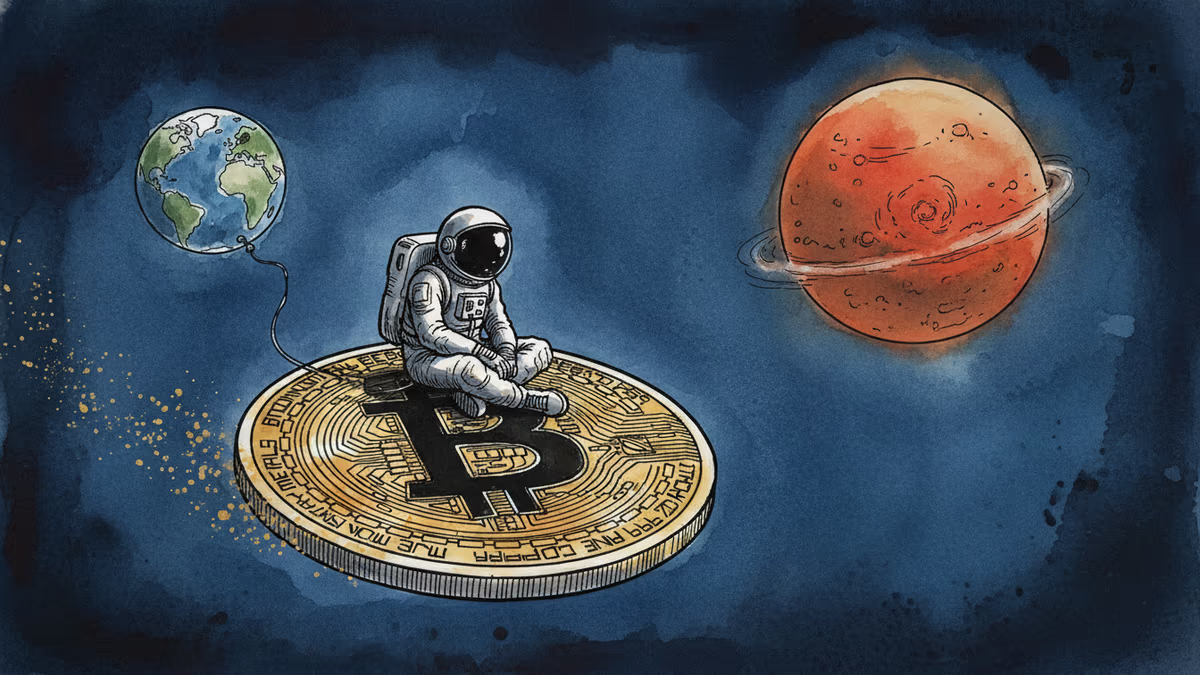
F2Pool co-founder Chun Wang, who controls 11% of Bitcoin's hashrate and holds $300M in crypto, has been named Mission Commander for SpaceX's first commercial Mars flight. What does it mean when crypto capital funds humanity's next frontier?
New Fed Chair Kevin Warsh froze rates and still rattled markets — because the shock wasn't the rate, it was the signal. Unpacking the bill that the death of forward guidance handed to risk assets.
Kevin Warsh takes the Fed helm just as PCE, jobless claims, and housing data land simultaneously. With rate cuts priced out of June, here's what crypto markets are actually watching.
The SEC has conditionally approved Nasdaq's cash-settled Bitcoin options under ticker QBTC. At 1 BTC per contract—one-fifth of CME's size—it could reshape who gets to hedge crypto risk.
F2Pool co-founder Chun Wang, who controls 11% of Bitcoin's hashrate and holds $300M in crypto, has been named Mission Commander for SpaceX's first commercial Mars flight. What does it mean when crypto capital funds humanity's next frontier?
Thoughts
Share your thoughts on this article
Sign in to join the conversation