
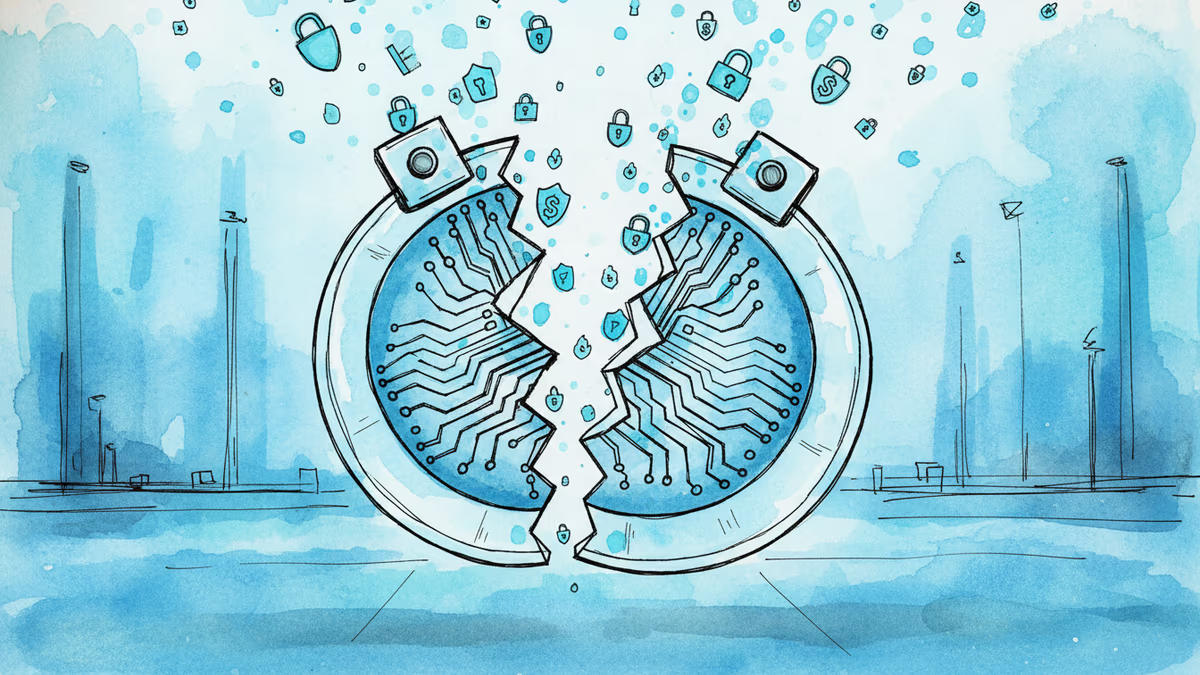
When Cybersecurity's Elite Falls From Grace
Renowned hacker Vincenzo Iozzo's removal from major security conferences after Epstein document release sparks debate about industry ethics and accountability standards
2,300 Documents Just Ended a Cybersecurity Career
One week. That's how long it took for Vincenzo Iozzo to disappear from the websites of the world's most prestigious cybersecurity conferences. The catalyst? His name appearing in over 2,300 documents from the Jeffrey Epstein investigation, released January 30th by the Department of Justice.
Iozzo wasn't just any security researcher. He authored one of the first manuals for hacking Apple's mobile software, founded a startup later acquired by CrowdStrike, and served 13 years on Black Hat's review board. Now he's gone from their websites without explanation.
The question isn't just what happened to Iozzo—it's what this means for an industry built on trust.
The Four-Year Connection That Changed Everything
The documents reveal Iozzo's interactions with Epstein spanned October 2014 to December 2018. At 25, he was an MIT-educated entrepreneur seeking funding for his startup. The timing, however, tells a troubling story.
Even after the Miami Herald's explosive December 2018 exposé detailing Epstein's abuse of over 60 women—some teenage girls—newly released emails show Iozzo was still attempting to meet Epstein at his New York townhouse.
More damaging is an FBI informant's claim that Epstein had a "personal hacker." While the document is redacted, identifying details strongly suggest the informant believed it was Iozzo, according to Italian newspaper Il Corriere della Sera.

Iozzo denies everything. "My interactions with Epstein were limited to business opportunities that never materialized," he told TechCrunch. "I never observed nor participated in any illegal activity."
Industry Response: Investigation vs. Immediate Removal
The cybersecurity community's reaction reveals a fundamental tension. Iozzo told Black Hat he "will not willingly resign" and welcomed "a full investigation." Instead, conferences quietly scrubbed his name from their websites.
Code Blue claimed they'd been "preparing for this update for several months" to remove inactive board members, calling the timing with Epstein document release a "coincidence." The optics suggest otherwise.
This creates a precedent-setting moment. Should the industry operate on "innocent until proven guilty" or "guilty by association"? In cybersecurity, where trust is everything, the stakes couldn't be higher.
The Broader Implications for Tech Ethics
Iozzo's fall highlights cybersecurity's growing pains as it transitions from a niche hacker culture to mainstream corporate responsibility. Major conferences like Black Hat now attract 20,000+ attendees and corporate sponsors paying millions. They can't afford reputational risks.
But this raises uncomfortable questions:
- Should technical expertise be separated from personal conduct?
- How thoroughly should conferences vet their advisory boards?
- What happens to "innocent until proven guilty" in the court of public opinion?
The industry's silence is telling. Black Hat didn't respond to comment requests. Other conferences are likely reviewing their own advisory boards, wondering who else might have skeletons.
Authors
Related Articles
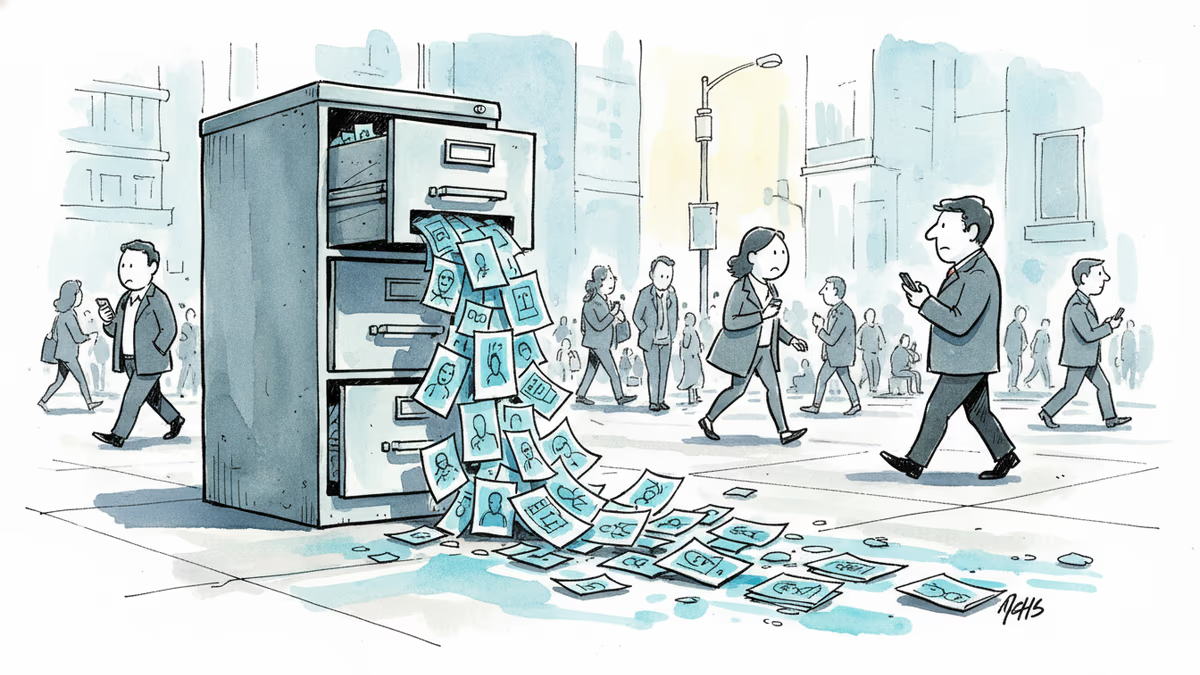
UK Visa Portal, a private immigration service mistaken for an official government site, has been exposing passport scans and selfies of over 100,000 applicants. The breach remains unpatched.
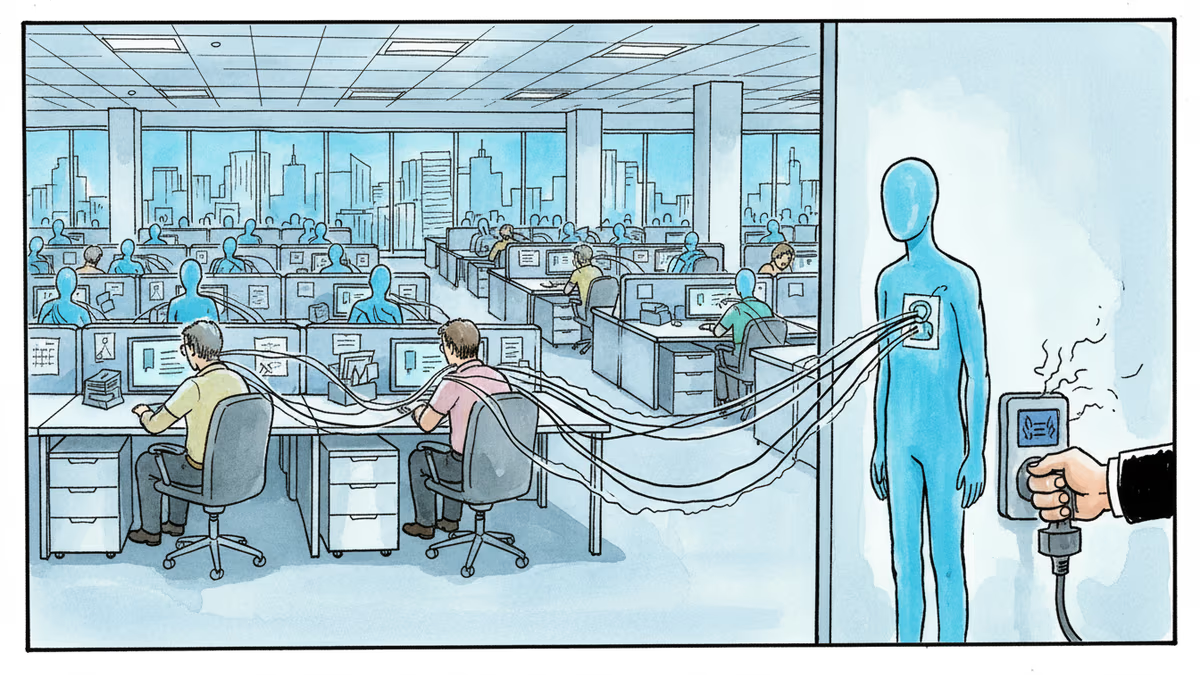
Okta CEO Todd McKinnon on why AI agents need identity management, the SaaSpocalypse threat, and why the kill switch might be the most important button in enterprise tech.
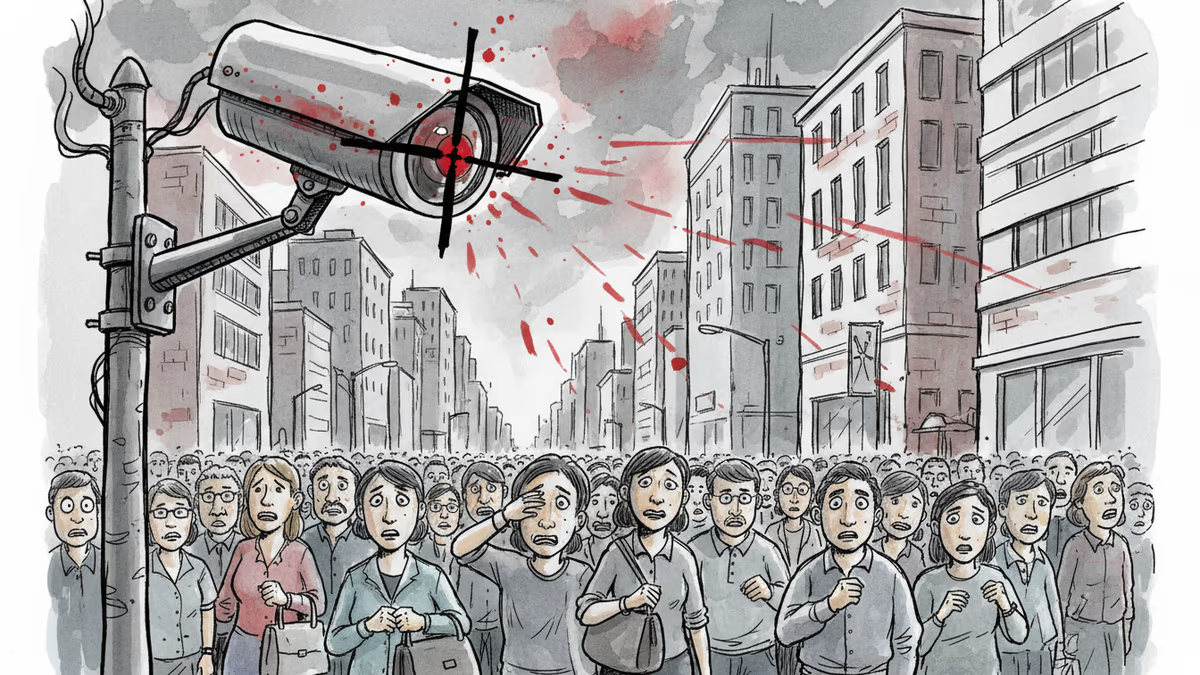
Iran and Israel are hacking civilian security cameras for military reconnaissance. How consumer surveillance devices became weapons of war.
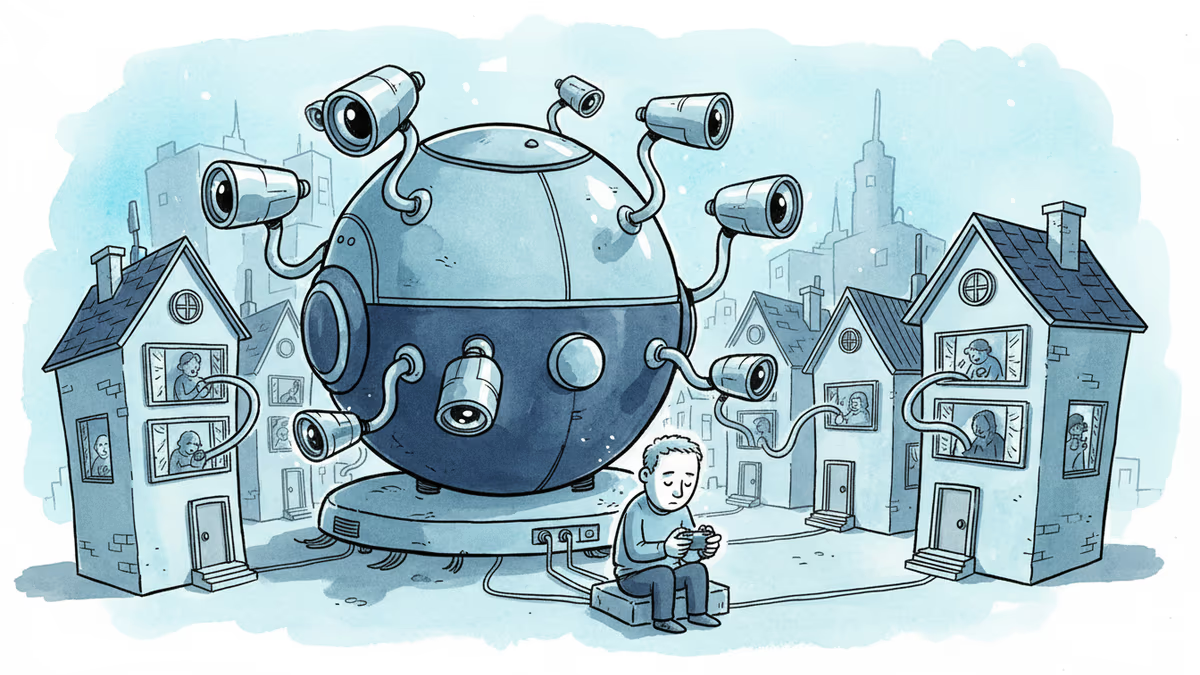
A security researcher discovered he could access 7,000 DJI robot vacuums and peek into strangers' homes. This Valentine's Day revelation exposes the hidden privacy risks of our smart home obsession.
UK Visa Portal, a private immigration service mistaken for an official government site, has been exposing passport scans and selfies of over 100,000 applicants. The breach remains unpatched.
Okta CEO Todd McKinnon on why AI agents need identity management, the SaaSpocalypse threat, and why the kill switch might be the most important button in enterprise tech.
Iran and Israel are hacking civilian security cameras for military reconnaissance. How consumer surveillance devices became weapons of war.
A security researcher discovered he could access 7,000 DJI robot vacuums and peek into strangers' homes. This Valentine's Day revelation exposes the hidden privacy risks of our smart home obsession.
Thoughts
Share your thoughts on this article
Sign in to join the conversation