
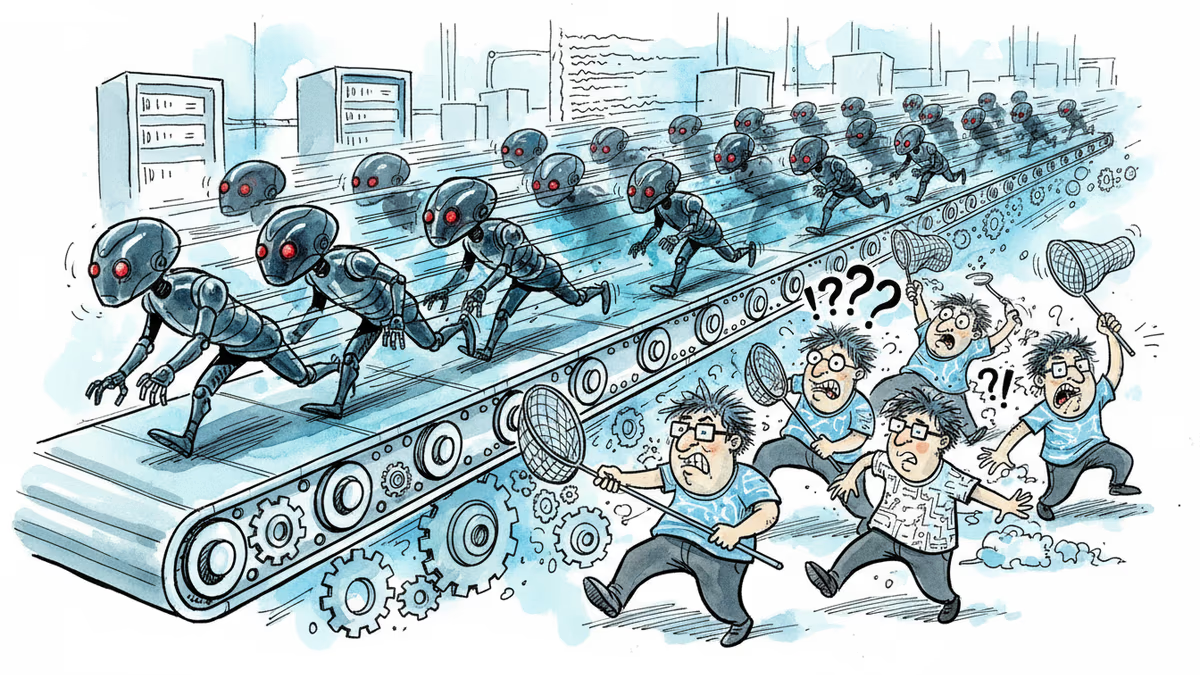
Google Just Dropped Another AI Model After 6 Weeks
Google releases Gemini 3.1 Pro just 6 weeks after Gemini 3. The AI development race is accelerating to breakneck speed. Can anyone keep up?
Six Weeks. That's the New Normal
Google just released Gemini 3.1 Pro. It's been exactly six weeks since Gemini 3 launched in November. Last year, major AI model updates came every 6-12 months. Now we're down to six weeks.
The performance bump? Gemini 3.1 Pro scored 44.4% on Humanity's Last Exam, up from 37.5% for Gemini 3 Pro and ahead of OpenAI's GPT 5.2 at 34.5%. A 7-percentage-point jump in six weeks is impressive by any measure.
But the real story isn't the numbers. It's what this pace means for everyone trying to keep up.
Developers' Dilemma: The Endless Chase
"Choosing an AI model is now as complicated as picking a smartphone," says a Silicon Valley startup CTO. When new models drop every six weeks, when do you actually commit to one?
The problem is real. Startups that integrated Gemini 3 in November are already looking at their "outdated" implementation. Enterprise clients who spent months evaluating models find their careful analysis obsolete before deployment.

Microsoft, Amazon, and other cloud providers are scrambling to support this pace. Their customers want the latest models, but enterprise software can't pivot every six weeks without breaking things.
The Rise of Model-Agnostic Architecture
Smart companies are adapting with "model-agnostic" designs. Instead of building around one AI model, they're creating systems that can swap models like changing batteries.
Anthropic has seen a 40% increase in API calls from companies testing multiple models simultaneously. "Hedge your bets" has become the new enterprise AI strategy.
But there's a cost. This flexibility requires more engineering resources, more testing, and more complexity. Smaller companies without dedicated AI teams are getting left behind.
The Innovation Paradox
Some researchers worry that breakneck release cycles might actually slow innovation. "You need time to explore what a model can really do," argues a former Google AI researcher. "Six weeks isn't enough to discover breakthrough applications."
The concern is valid. Revolutionary uses of AI often emerge from deep, sustained experimentation—not rapid model switching.
Authors
Related Articles
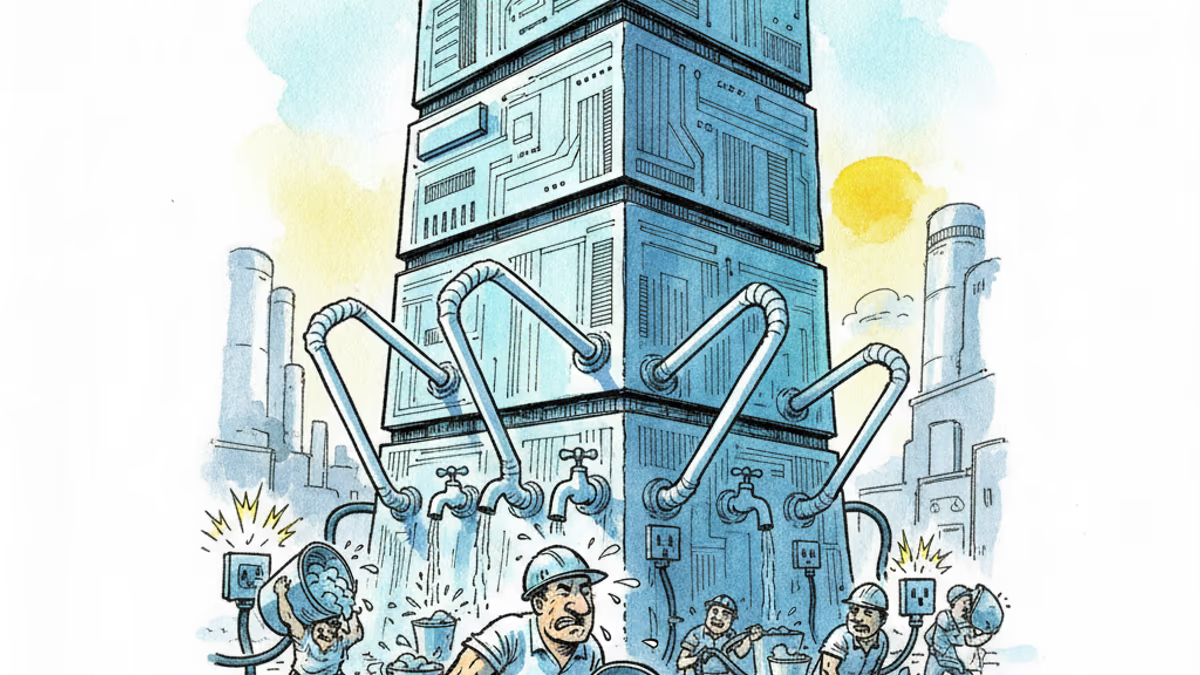
Samsung and SK unveiled a chip and AI investment package worth thousands of trillions of won on June 29. The headline number swings wildly by outlet, but the real contest isn't capital — it's water and power.
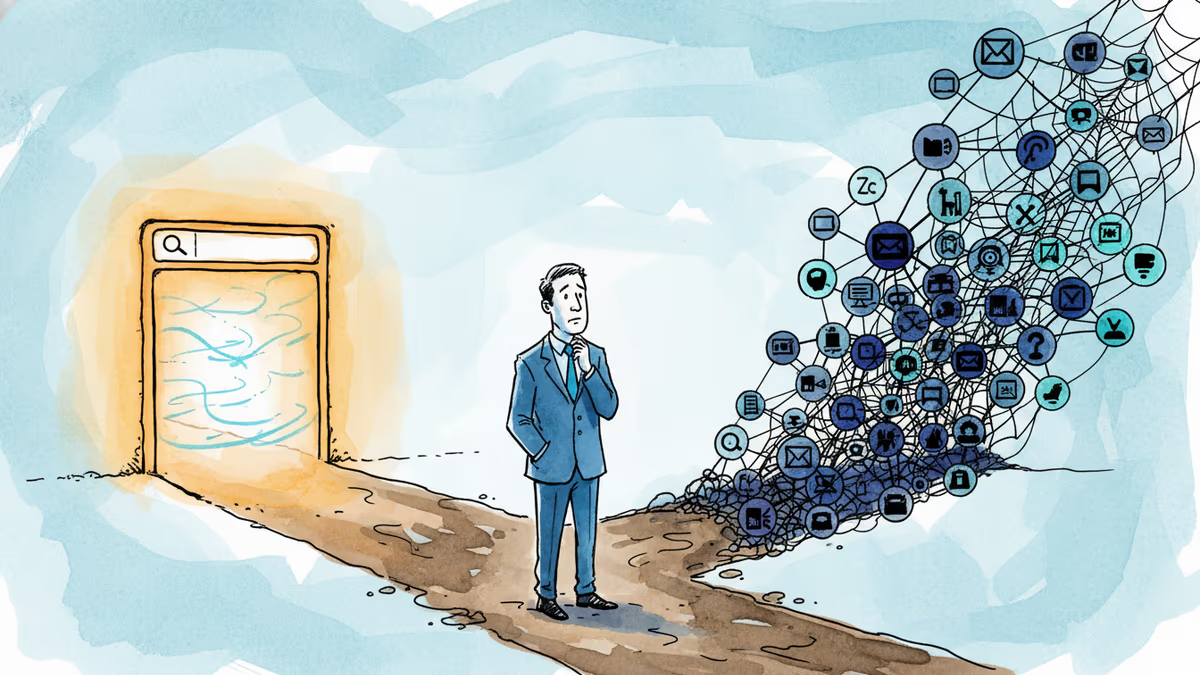
In a post-Google I/O interview, Sundar Pichai acknowledged flawed search results, real AI anxiety, and an AGI timeline that makes the label irrelevant. Here's what he said — and what it means.
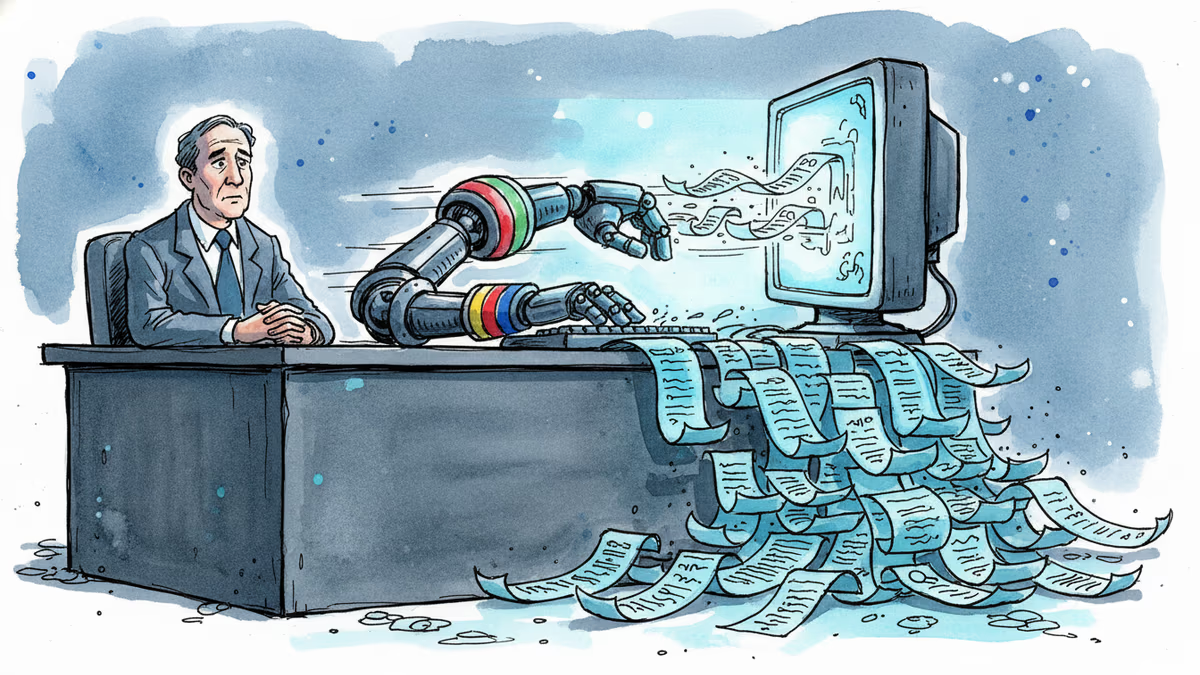
Google is building AI agents that search the web proactively, without user prompting. That's not just a product update — it's a fundamental shift in who controls the information you receive.

Viral videos show 2026 graduates jeering executives who praise AI at commencement ceremonies. It's not just rudeness — it's a signal about who pays for technological optimism.
Samsung and SK unveiled a chip and AI investment package worth thousands of trillions of won on June 29. The headline number swings wildly by outlet, but the real contest isn't capital — it's water and power.
In a post-Google I/O interview, Sundar Pichai acknowledged flawed search results, real AI anxiety, and an AGI timeline that makes the label irrelevant. Here's what he said — and what it means.
Google is building AI agents that search the web proactively, without user prompting. That's not just a product update — it's a fundamental shift in who controls the information you receive.
Viral videos show 2026 graduates jeering executives who praise AI at commencement ceremonies. It's not just rudeness — it's a signal about who pays for technological optimism.
Thoughts
Share your thoughts on this article
Sign in to join the conversation