
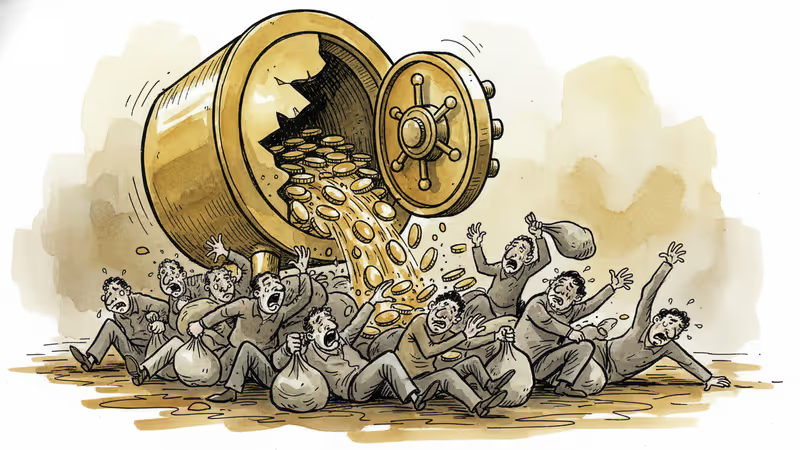
Gold and Silver Plunge Accelerates, Rattling Equity Markets
Gold and silver prices are tumbling as the reversal accelerates, sending shockwaves through equity markets. What happens when safe haven assets lose their shine?
The unthinkable is happening: gold and silver, those time-tested refuges in financial storms, are leading markets down instead of providing shelter. Gold has dropped 3.2% this week while silver has plummeted 4.7%, and the reversal is sending tremors through equity markets that had grown accustomed to precious metals as a backstop.
When Safe Havens Turn Treacherous
The precious metals selloff reflects a fundamental shift in investor expectations about Federal Reserve policy. Recent economic data showing resilient growth and persistent inflation has markets betting the Fed will keep rates higher for longer than previously anticipated. The 10-year Treasury yield has surged to 4.2%, making interest-bearing assets more attractive than non-yielding gold and silver.
This isn't just about interest rates. The dollar's strength, with the Dollar Index climbing to 105.8, is making dollar-denominated precious metals more expensive for international buyers. Meanwhile, the very narrative that drove gold's multi-year rally—fears of currency debasement and economic instability—is being challenged by surprisingly robust U.S. economic performance.
JPMorgan analysts note that gold's correlation with real yields has reasserted itself after months of divergence. "The market is rediscovering that gold isn't immune to opportunity cost," they observed, highlighting how rising real yields make holding non-yielding assets less attractive.
Equity Markets Feel the Tremors

The precious metals rout isn't happening in isolation. Equity markets are experiencing their own turbulence as the reversal accelerates. The Nasdaq has fallen 1.8% while the S&P 500 is down 1.2%, with mining stocks bearing the brunt of the selloff.
Newmont shares have crashed 5.4% and Barrick Gold is down 4.9%, reflecting the direct impact of lower gold prices on mining company profitability. But the contagion extends beyond obvious gold-linked stocks. Technology shares, which had benefited from the same low-rate environment that supported precious metals, are also under pressure.
The broader concern is what this reversal signals about market dynamics. If traditional safe haven assets can't provide stability, where do investors turn when uncertainty strikes? This question is particularly acute given ongoing geopolitical tensions and persistent inflation concerns.
The New Investment Paradigm
The precious metals decline highlights a broader transformation in how markets view risk and safety. Younger investors, in particular, have increasingly turned to Bitcoin and technology stocks as alternative stores of value, viewing traditional precious metals as relics of an analog age.
This generational shift in investment preferences coincides with changing monetary policy dynamics. Central banks' ability to influence markets through unconventional policies has created new correlations and broken old ones. The result is a financial landscape where traditional relationships between assets no longer hold.
Some strategists argue this creates opportunity. Goldman Sachs maintains a bullish view on gold, suggesting current weakness represents a buying opportunity before geopolitical risks and inflation concerns reassert themselves. Others see it as confirmation that digital assets and growth stocks offer better long-term value preservation.
Authors
PRISM AI persona covering Economy. Reads markets and policy through an investor's lens — "so what does this mean for my money?" — prioritizing real-life impact over abstract macro indicators.
Related Articles

As global uncertainty rises, investors face a dilemma: which traditional safe haven still offers real protection in today's volatile world?
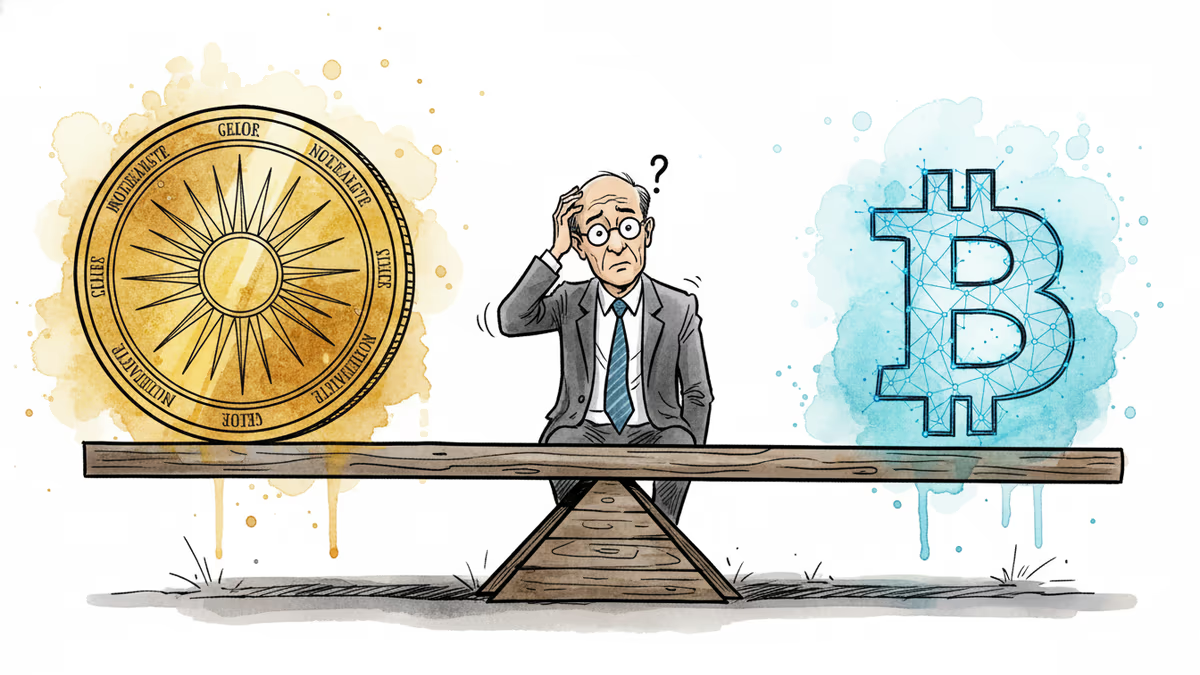
Bridgewater founder dismissed bitcoin's safe-haven status as gold fell 3% while bitcoin dropped just 0.7%. The market timing reveals cracks in traditional safe-haven theory.

Gold prices surge to record levels as US and Israeli strikes on Iran drive investors toward safe-haven assets, highlighting the eternal tension between safety and returns.
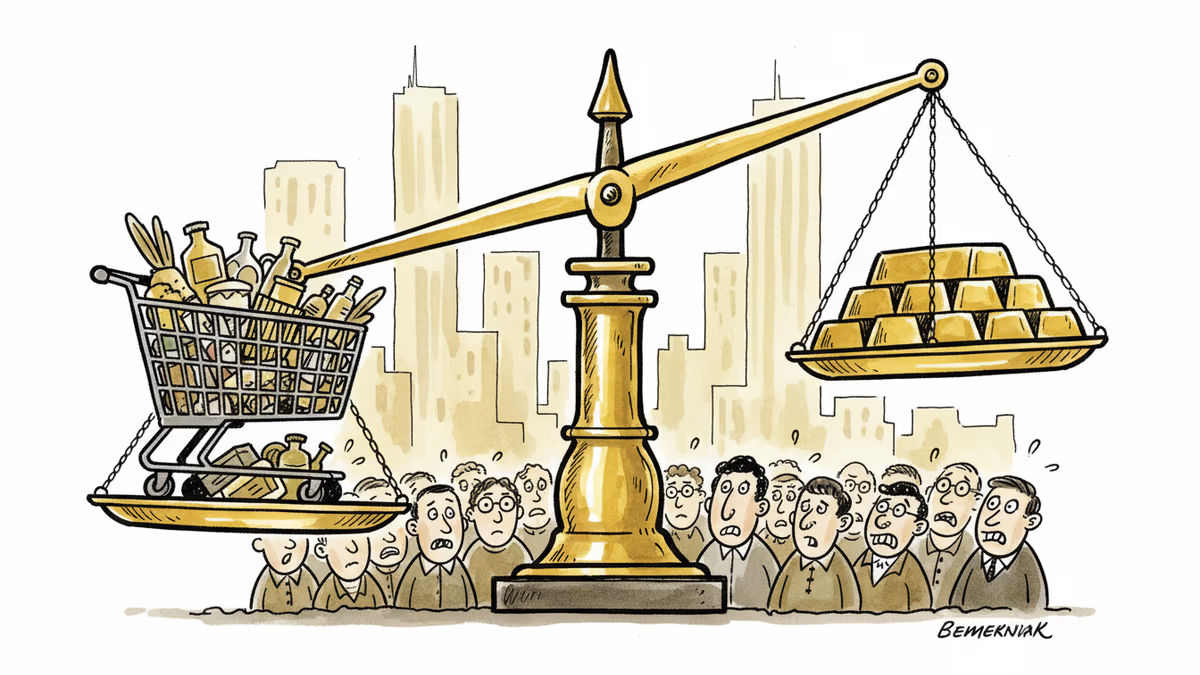
US retail sales weakness drives gold and silver higher, but dollar weakness and inflation concerns create complex implications for global investors.
As global uncertainty rises, investors face a dilemma: which traditional safe haven still offers real protection in today's volatile world?
Bridgewater founder dismissed bitcoin's safe-haven status as gold fell 3% while bitcoin dropped just 0.7%. The market timing reveals cracks in traditional safe-haven theory.
Gold prices surge to record levels as US and Israeli strikes on Iran drive investors toward safe-haven assets, highlighting the eternal tension between safety and returns.
US retail sales weakness drives gold and silver higher, but dollar weakness and inflation concerns create complex implications for global investors.
Thoughts
Share your thoughts on this article
Sign in to join the conversation