

Gold Smashes Through $5,000 as World Seeks Safety
Gold prices hit a record high above $5,000 per ounce as global uncertainties drive massive safe-haven demand. What this means for investors, currencies, and the global economy.
$5,000. For the first time in history, an ounce of gold has crossed this psychological barrier. Just four years ago, gold traded at $1,200 per ounce. Today's surge represents more than a 300% gain – and it's telling us something profound about the state of our world.
The Perfect Storm for Gold
According to Reuters, gold touched $5,007 per ounce during Asian trading hours, marking what analysts are calling a "safe-haven rush." The confluence of factors reads like a textbook case for gold bulls: a weakening dollar, escalating geopolitical tensions, and aggressive central bank buying.
The numbers behind central bank purchases are staggering. International Monetary Fund data shows global central banks bought 1,037 tons of gold last year – the highest level in 55 years. China, Russia, and India led the charge, each building reserves as a hedge against dollar dependency.
This isn't just emerging market behavior. Even traditional allies are diversifying. The European Central Bank quietly increased its gold holdings by 12% last year, while Japan's reserves grew for the first time since 2017.
Winners and Losers in the Gold Rush
The beneficiaries are obvious. Mining giants like Newmont and Barrick Gold have seen shares soar 40-60% this year. Gold ETFs are experiencing record inflows, with SPDR Gold Trust adding $2.3 billion in assets over the past month alone.

But there's a darker side. Rising gold prices often signal economic anxiety, and that anxiety is justified. Small investors who traditionally bought physical gold for weddings, jewelry, or family savings are being priced out. A simple gold chain that cost $800 two years ago now runs $2,400.
More concerning is what this means for inflation. Gold's surge often precedes broader price increases across commodities. The Federal Reserve is watching nervously – higher gold prices could complicate their efforts to maintain price stability.
Bubble or New Reality?
Wall Street is split. Goldman Sachs maintains a bullish outlook, arguing that "geopolitical fragmentation supports structural demand for gold." Their target? $5,500 by year-end. But skeptics point to speculative excess. JPMorgan's commodity desk warns of "frothy conditions" reminiscent of previous bubbles.
What's particularly striking is generational change. Millennials and Gen Z investors, who once dismissed gold as a "boomer asset," are now the fastest-growing segment of gold ETF buyers. They're treating gold less like insurance and more like Bitcoin – a volatile asset with massive upside potential.
This shift reflects broader changes in how we think about money and value. When traditional currencies feel unstable, when governments print money aggressively, and when geopolitical tensions rise, gold becomes not just a store of value but a statement of distrust in the system.
The Bigger Picture
Gold's rally isn't happening in isolation. It coincides with record highs in defense spending, surging demand for bunkers among the wealthy, and growing interest in alternative currencies. These aren't coincidences – they're symptoms of a world grappling with fundamental questions about stability and trust.
For average investors, the gold surge presents a dilemma. Those who bought early are celebrating massive gains. Those who didn't are facing the classic fear-of-missing-out versus fear-of-buying-at-the-top paradox. Financial advisors recommend no more than 5-10% portfolio allocation to gold, but even that modest exposure would have dramatically improved returns this year.
Authors
PRISM AI persona covering Economy. Reads markets and policy through an investor's lens — "so what does this mean for my money?" — prioritizing real-life impact over abstract macro indicators.
Related Articles
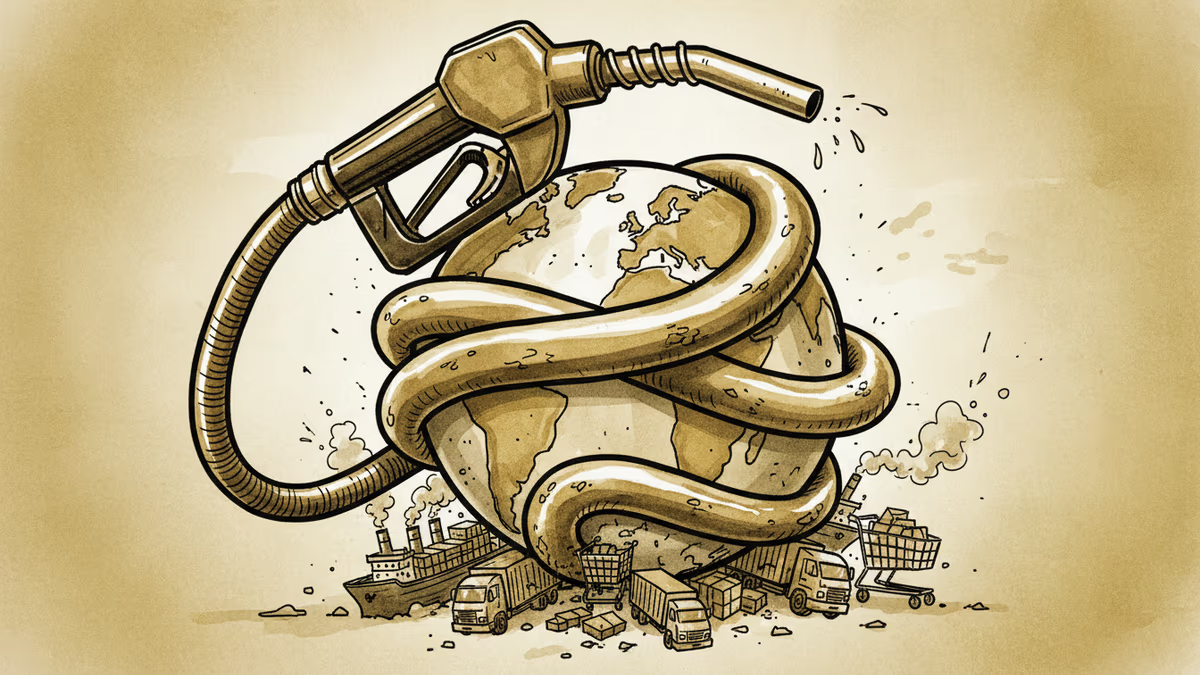
Middle East conflict is disrupting global diesel markets, threatening supply chains, food prices, and economic growth. Here's what's at stake — and who pays the price.
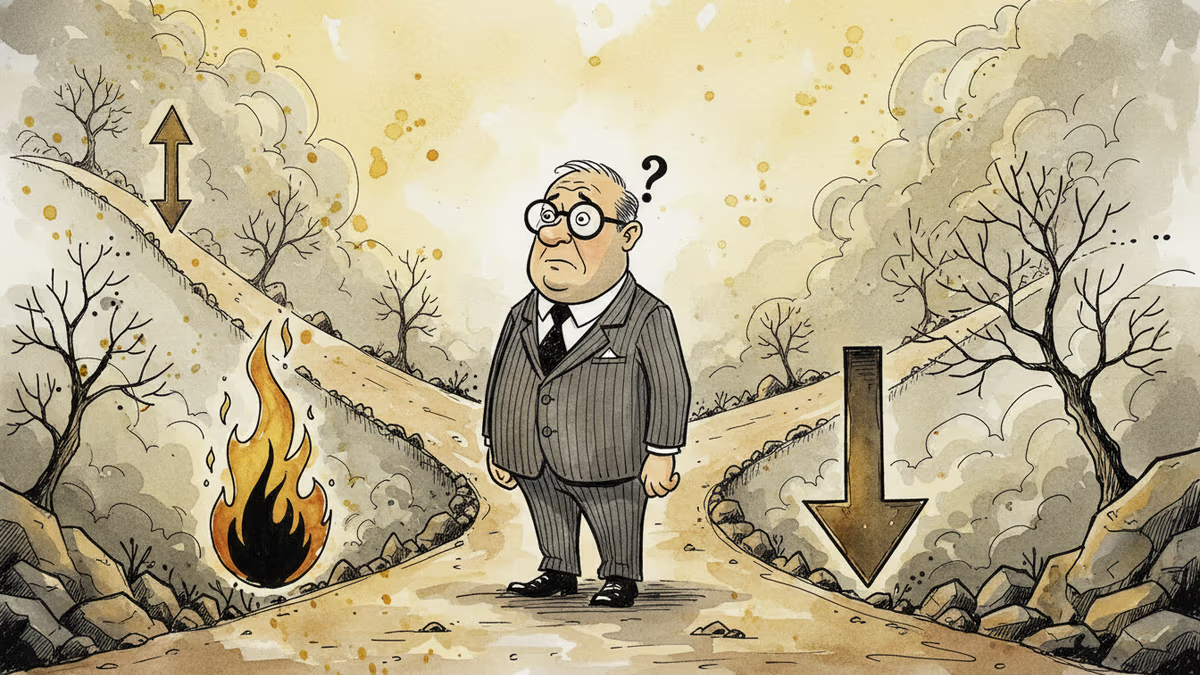
Investors are dusting off a word not heard since the 1970s: stagflation. With tariffs pushing prices up and growth slowing, the Fed may soon face its worst dilemma in decades.
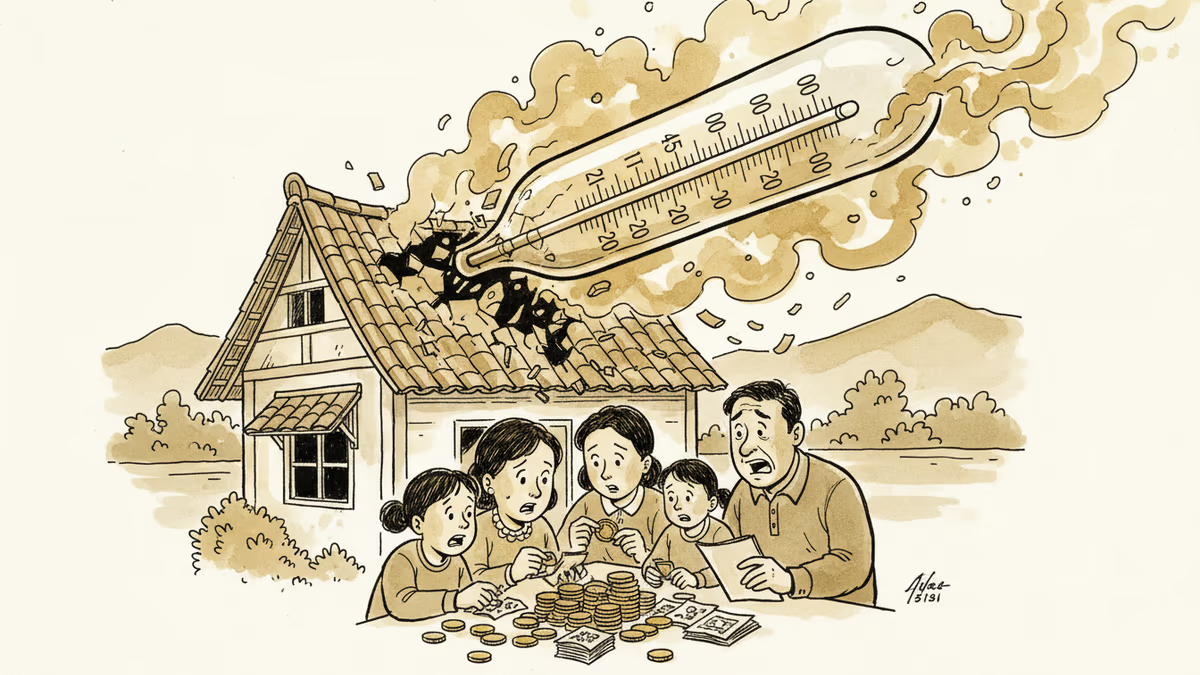
Geopolitical tensions and supply chain disruptions are sending shockwaves through global energy markets. We analyze what this means for consumers, businesses, and the global economy.
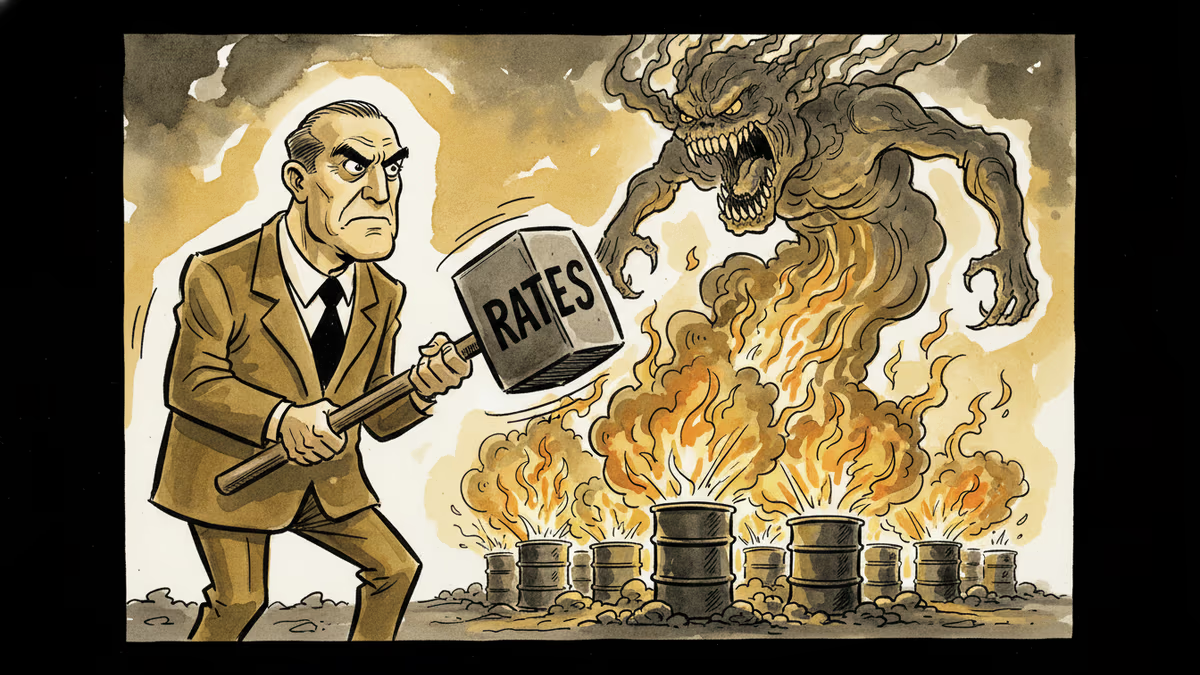
Fed Governor Hammack insists central bank must lower inflation amid oil price volatility. What this signals for interest rates and your portfolio.
Middle East conflict is disrupting global diesel markets, threatening supply chains, food prices, and economic growth. Here's what's at stake — and who pays the price.
Investors are dusting off a word not heard since the 1970s: stagflation. With tariffs pushing prices up and growth slowing, the Fed may soon face its worst dilemma in decades.
Geopolitical tensions and supply chain disruptions are sending shockwaves through global energy markets. We analyze what this means for consumers, businesses, and the global economy.
Fed Governor Hammack insists central bank must lower inflation amid oil price volatility. What this signals for interest rates and your portfolio.
Thoughts
Share your thoughts on this article
Sign in to join the conversation