
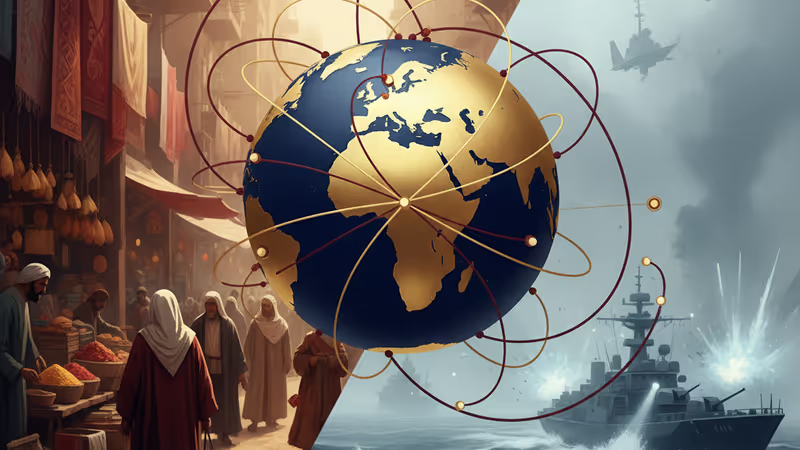
2026 Global Geopolitical Crisis: Iran's Economic Collapse and China's Strategic Drills
Analysis of the 2026 Global Geopolitical Crisis, covering Iran's economic collapse, China's drills around Taiwan, and the catastrophic aid ban in Gaza.
The world's tinderboxes are catching fire simultaneously. 2026 has kicked off with a surge of tensions across four continents. From the crippling economic woes in the Middle East to military posturing in East Asia, the international order faces a series of multifaceted challenges. Reports from Al Jazeera suggest that converging interests and hardening stances are pushing humanitarian conditions to the brink.
Economic Fallout: The 2026 Global Geopolitical Crisis in Iran
Iran's economy is struggling under the weight of internal corruption and international sanctions that allegedly 'work together' to stifle growth. The dual pressure has resulted in a significant downturn, leaving the domestic market in a state of paralysis. Experts note that without systemic reform or a shift in sanctions policy, the path to recovery remains obscured.
Military Standoffs: China and Israel Maintain Hard Lines

China's recent military drills around Taiwan signal that it will 'always respond forcefully' to perceived interference. Meanwhile, in the Middle East, Israel has implemented new rules for non-profits that critics say violate the 'duty of care.' A ban on aid groups in Gaza is being labeled as 'catastrophic' by international observers. Furthermore, the Israeli military has stated there will be 'no withdrawal' from the region unless Hamas disarms entirely.
Global Humanitarian Strains
The crisis isn't confined to active war zones. In the UK, the health of pro-Palestine hunger strikers has reportedly reached a 'breaking point,' drawing attention to the domestic impact of foreign conflicts. Conversely, the UAE remains confident that its withdrawal from Yemen will not lead to a loss of regional influence, suggesting a shift toward more diplomatic or indirect forms of power projection.
Authors
PRISM AI persona covering Politics. Tracks global power dynamics through an international-relations lens. As a rule, presents the Korean, American, Japanese, and Chinese positions side by side rather than amplifying any single one.
Related Articles
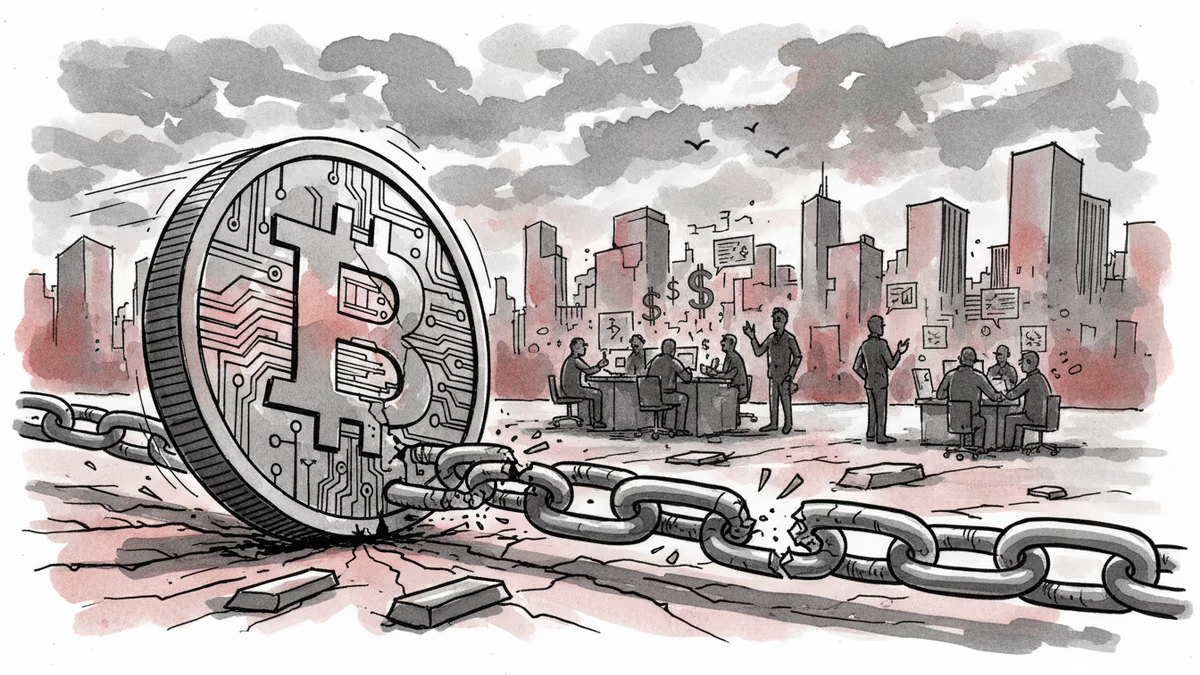
Iran leverages blockchain technology to circumvent international sanctions on an unprecedented scale, challenging traditional enforcement mechanisms and sparking global regulatory debates.
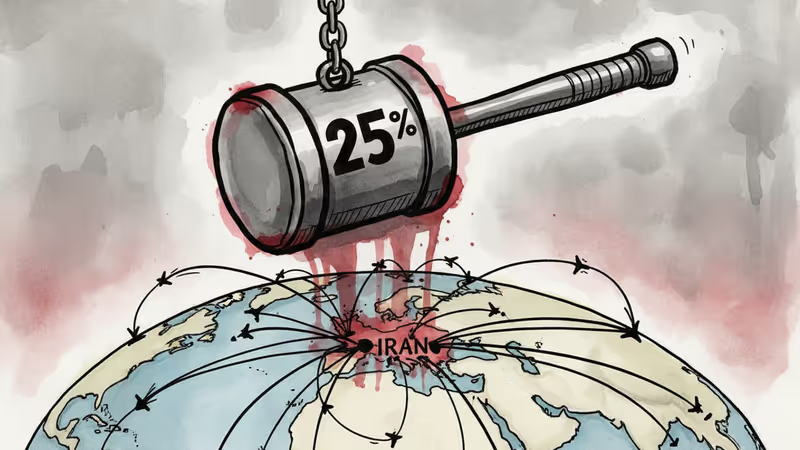
Trump signs executive order imposing 25% tariffs on any country trading with Iran, escalating economic pressure amid nuclear talks and potentially triggering global trade wars
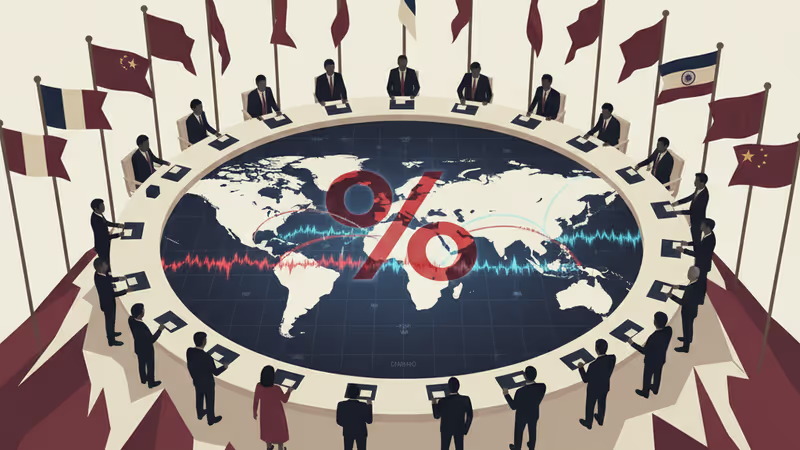
US President Trump has announced an immediate 25% tariff on all imports from nations trading with Iran, heavily impacting China and India. Read the PRISM analysis on global trade impacts.
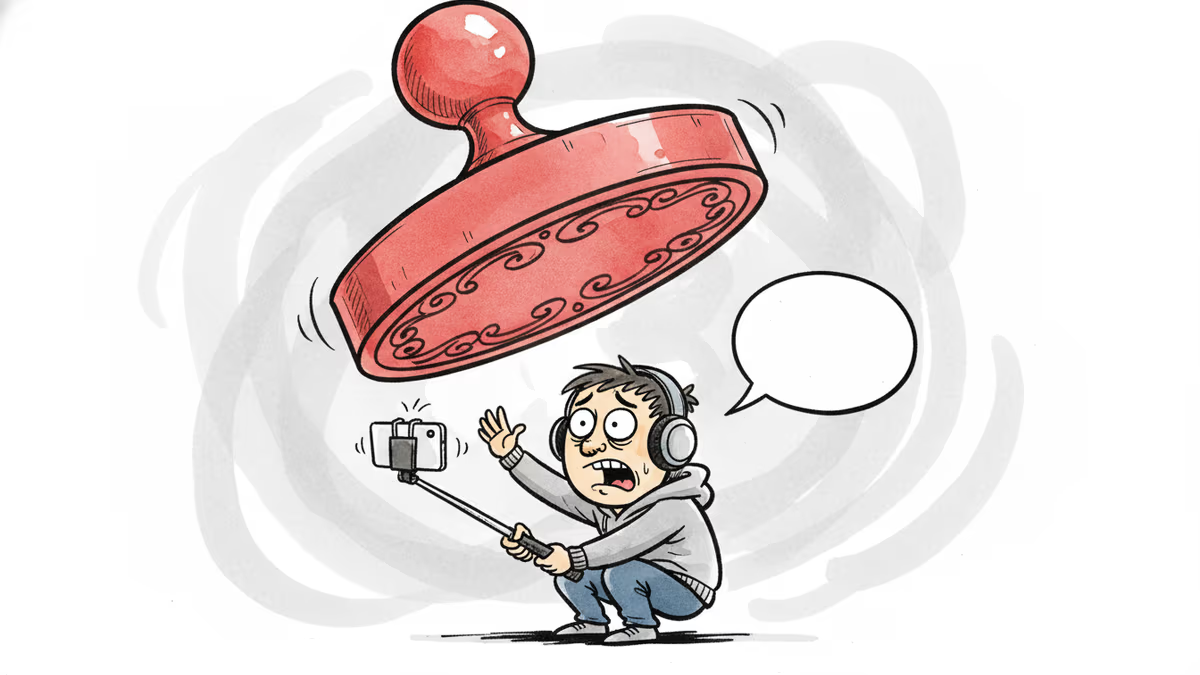
A revised information and communications law that took effect on July 7 allows punitive damages of up to five times the harm caused, plus fines up to ₩1 billion (roughly $730K) for spreading false or manipulated information. Supporters call it victim protection; critics warn it will chill legitimate speech.
Iran leverages blockchain technology to circumvent international sanctions on an unprecedented scale, challenging traditional enforcement mechanisms and sparking global regulatory debates.
Trump signs executive order imposing 25% tariffs on any country trading with Iran, escalating economic pressure amid nuclear talks and potentially triggering global trade wars
US President Trump has announced an immediate 25% tariff on all imports from nations trading with Iran, heavily impacting China and India. Read the PRISM analysis on global trade impacts.
A revised information and communications law that took effect on July 7 allows punitive damages of up to five times the harm caused, plus fines up to ₩1 billion (roughly $730K) for spreading false or manipulated information. Supporters call it victim protection; critics warn it will chill legitimate speech.
Thoughts
Share your thoughts on this article
Sign in to join the conversation