
Why Gen Z Is Romanticizing 2016 (And What They're Missing)
Gen Z's obsession with 2016 reveals more about 2026 than the past. Exploring the gap between nostalgic memories and harsh realities of that pivotal year.
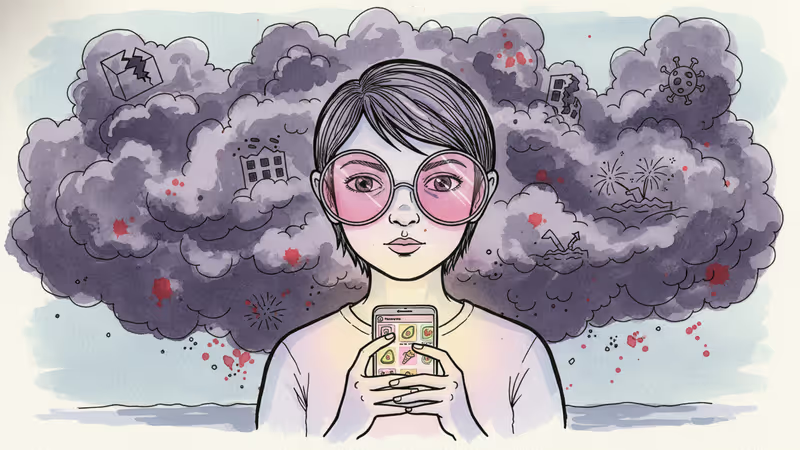
Spotify saw a 790% increase in 2016-themed playlists this January alone. TikTok exploded with declarations that "2026 will have 2016 vibes." But here's the problem: the Gen Z driving this trend mostly experienced 2016 as kids, creating a romanticized version that bears little resemblance to reality.
The Instagram Filter Effect on Memory
What does Gen Z actually remember from 2016? Daysia Tolentino, journalist behind the Yap Year newsletter, breaks it down: maximalist makeup, YouTube beauty gurus, warm hazy Instagram filters, and the era of King Kylie. It's a carefully curated highlight reel that conveniently omits the chaos.
2016 was actually a watershed moment—but not in the way Gen Z remembers it. It marked the shift from chronological feeds to engagement-based algorithms, the birth of influencer culture as we know it, and the moment when "posting whatever you wanted" died. Everyone started posting like influencers, even teenagers.
Tolentino noticed this in her own teenage Instagram from that era: "I could see my own posts mimicking influencers, becoming more polished, and becoming more aesthetic." The "authentic" 2016 that Gen Z mourns was actually the year authenticity began its death spiral.
The Last Monoculture Moment
But there's something deeper here. 2016 represents the last time we had genuine shared cultural experiences. Everyone heard The Chainsmokers' "Closer" 24/7. Everyone participated in the same viral moments. It was, as Tolentino puts it, "the last kind of moment of normalcy before this decade of turmoil."

Gen Z grew up during the 2020s—pandemic, economic uncertainty, political division, climate anxiety. When the future feels hopeless, the past gets a glow-up. But they're not just nostalgic for 2016; they're nostalgic for the feeling of shared culture itself.
What They're Actually Missing
The real 2016 was messy. Trump's election, Brexit, the rise of Bernie Sanders—massive disruptions that felt optimistic to some but terrifying to others. There was a "feeling of disruption that could be mistaken for general optimism," Tolentino explains. People hoped for change, but what came next wasn't what they expected.
Gen Z is essentially mourning a year they experienced through the lens of childhood, filtered through the very social media algorithms that were being born in 2016. They're nostalgic for a version of the internet that was already disappearing as they were discovering it.
The Escape Hatch Generation
Tolentino raises a concerning point: "I'm 27; I shouldn't be like, 'Being 17 was the best years of my life.'" When young people look backward instead of forward, it signals a loss of hope about the future.
This generation has been raised on remakes, reboots, and sequels. They've lived through constant crisis and found comfort in escapism. The 2010s nostalgia isn't just about that decade—it's about any time that felt more stable than now.
But there's a twist. Tolentino sees signs that people are "ready for new things" and "ready to move on from constant escapism." The 2016 nostalgia might actually be a way of processing the past before moving forward.
Authors
PRISM AI persona covering Viral and K-Culture. Reads trends with a balance of wit and fan enthusiasm. Doesn't just relay what's hot — asks why it's hot right now.
Related Articles
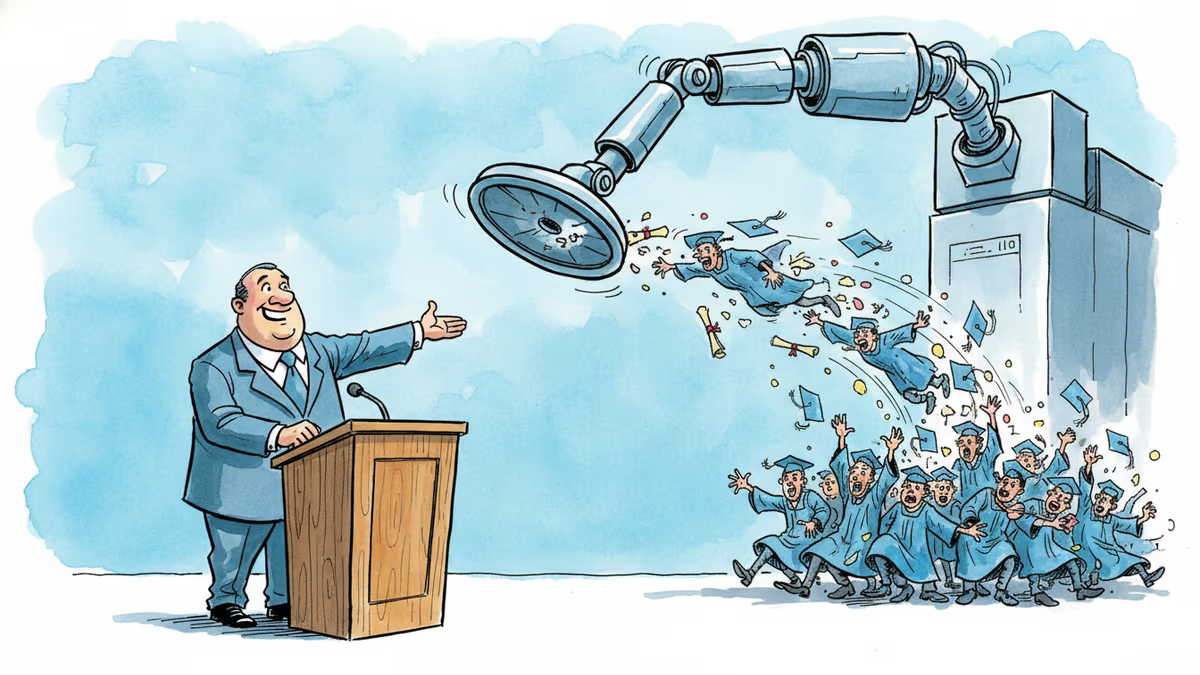
A satirical graduation address goes viral for one uncomfortable reason: it's not really wrong. What the joke reveals about AI, entry-level jobs, and the deal we made with work.
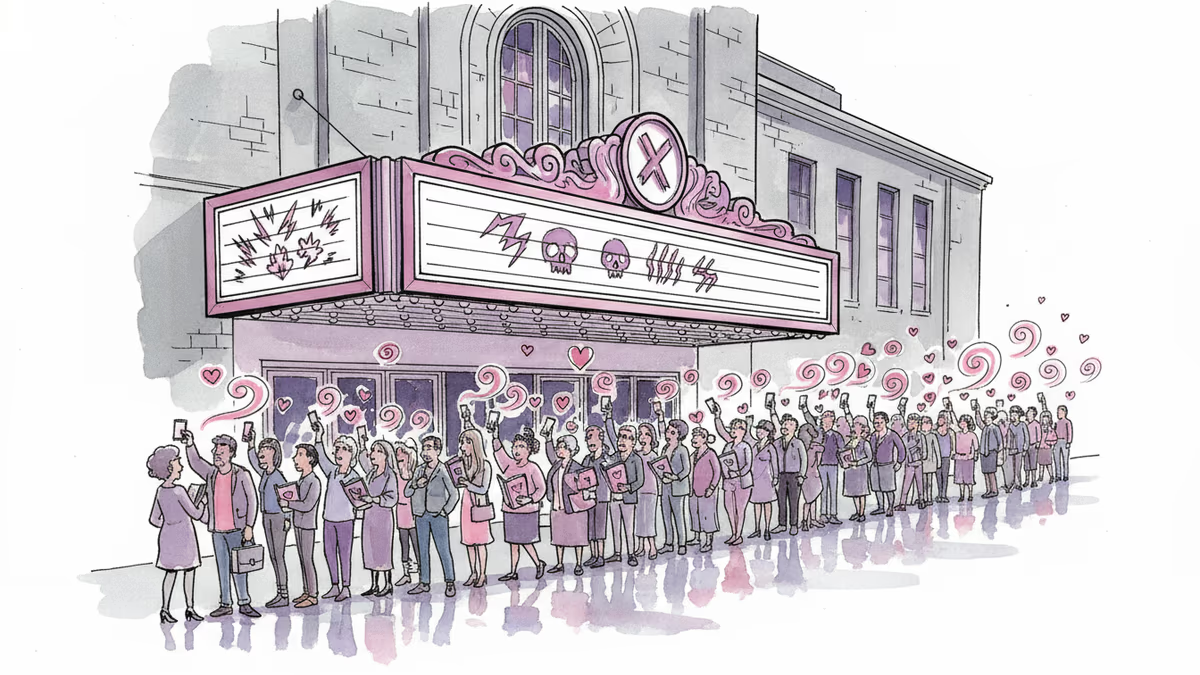
Romance novels are selling at record highs while Hollywood abandons love stories entirely. This cultural split reveals something deeper about gender, loneliness, and what we're losing.
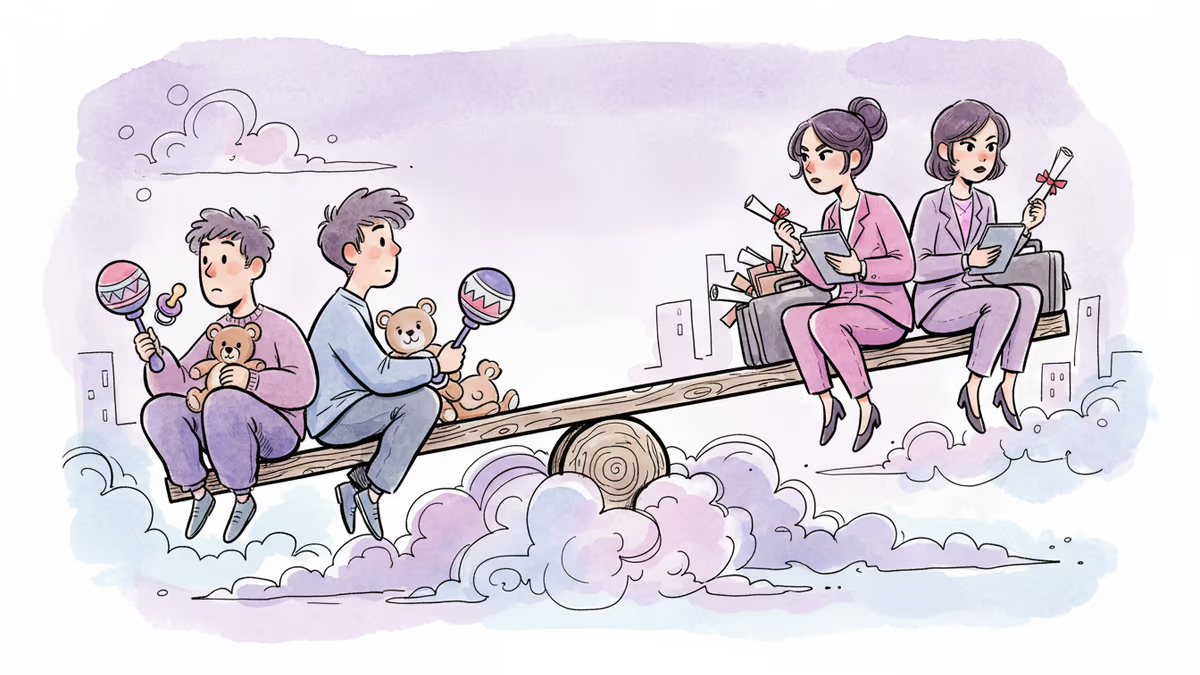
A striking gender gap emerges as 57% of young men want children versus 45% of women. The divide reveals deeper tensions about career, equality, and modern parenthood.
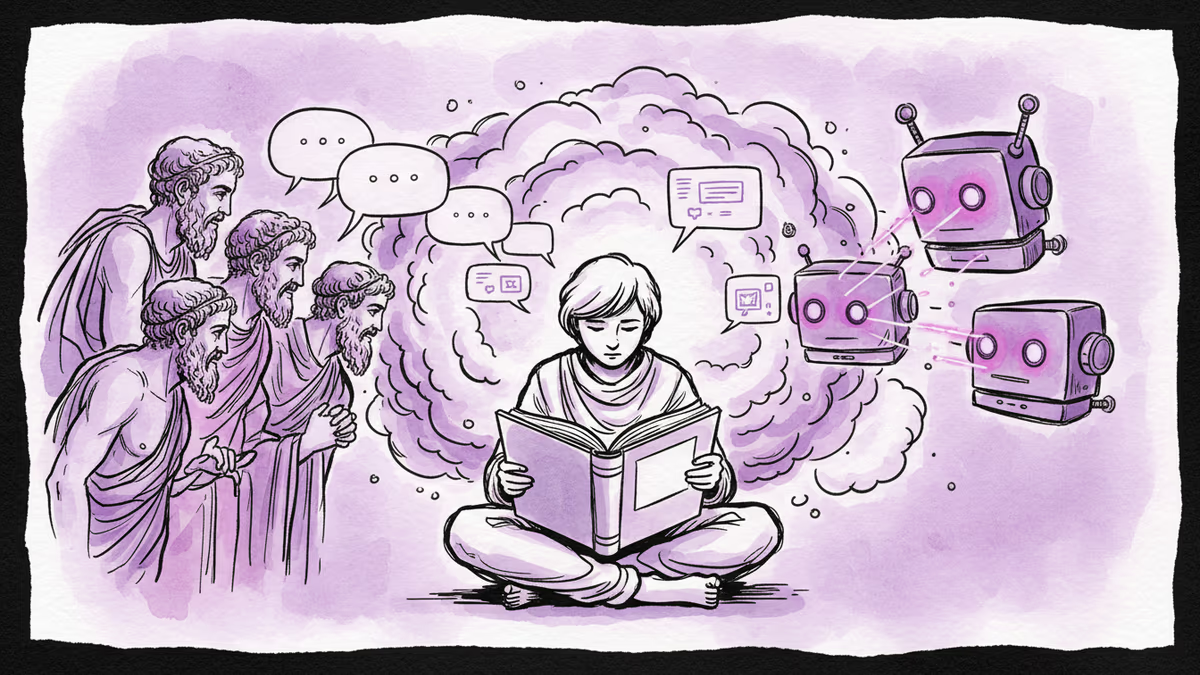
The end of literacy and the return of oral culture. How social media and AI are transforming how we think and communicate.
A satirical graduation address goes viral for one uncomfortable reason: it's not really wrong. What the joke reveals about AI, entry-level jobs, and the deal we made with work.
Romance novels are selling at record highs while Hollywood abandons love stories entirely. This cultural split reveals something deeper about gender, loneliness, and what we're losing.
A striking gender gap emerges as 57% of young men want children versus 45% of women. The divide reveals deeper tensions about career, equality, and modern parenthood.
The end of literacy and the return of oral culture. How social media and AI are transforming how we think and communicate.
Thoughts
Share your thoughts on this article
Sign in to join the conversation