
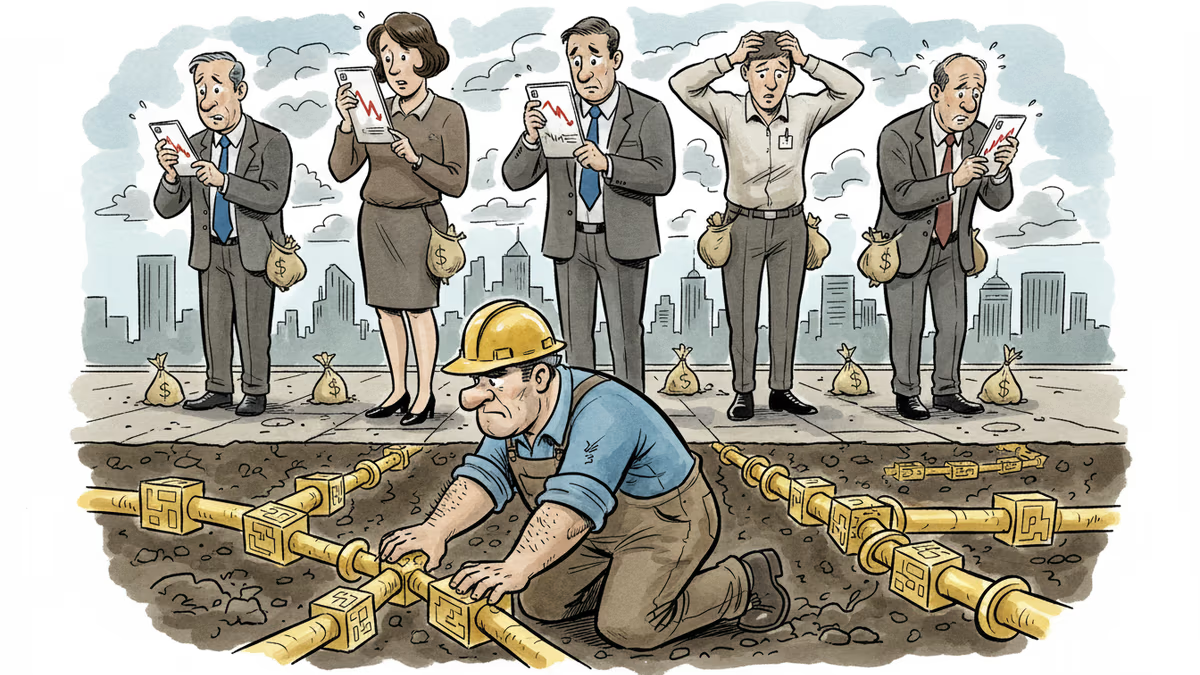
Why Crypto Prices Are Down While the 'Plumbing Bull Market' Heats Up
Galaxy Digital's Steve Kurz explains why crypto infrastructure is booming even as token prices struggle, and why this disconnect signals a maturing market rather than systemic failure.
When Steve Kurz talks about a "bull market in crypto plumbing," he's not referring to your portfolio. The Galaxy Digital asset management chief oversees $12 billion in digital assets, and while Bitcoin hovers below $70,000 and altcoins bleed red, he sees something most investors are missing: the infrastructure revolution happening beneath the surface.
The Great Disconnect
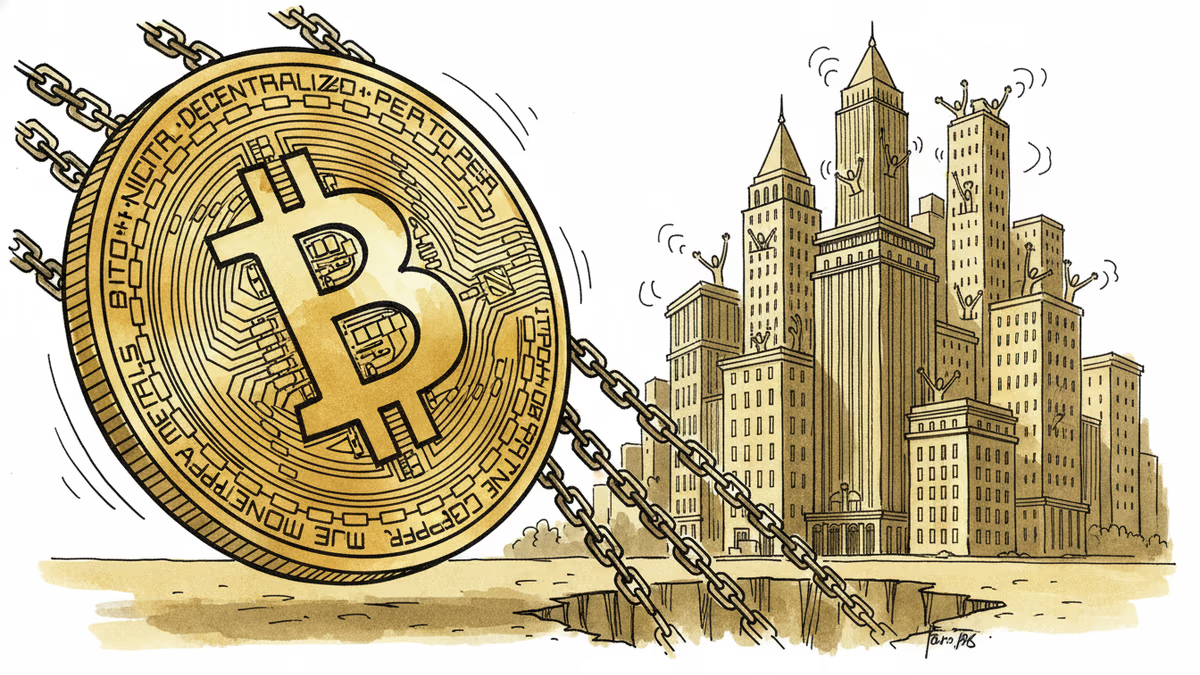
Here's the puzzle that's keeping institutional investors awake: crypto prices are down roughly 40% from their peaks, yet business activity in the infrastructure layer remains robust. Stablecoins continue growing, tokenization projects multiply, and traditional banks quietly integrate blockchain rails into their operations.
"The spread between price, sentiment and underlying business activity has never been wider," Kurz told CoinDesk. While retail investors obsess over charts, the real money is flowing into the boring stuff—custody solutions, compliance frameworks, and payment infrastructure that connects crypto to traditional finance.
Galaxy Digital itself exemplifies this trend. The firm provides technology and payments services to banks and fintech companies, positioning itself as a bridge between Wall Street and crypto's wild west. Their infrastructure business is doing more now than it was a year ago, even as token prices struggle.
This Isn't 2022 All Over Again
The current selloff feels different from the carnage that followed Terra Luna's collapse and FTX's implosion. Back then, structural flaws in a less mature ecosystem created systemic failures. Today's decline reflects what Kurz calls "healthy deleveraging"—a natural unwinding of leverage rather than fundamental breakdown.
The market now includes sophisticated risk management frameworks and institutional-grade infrastructure. When October's liquidity crunch hit, it didn't expose another Three Arrows Capital or reveal hidden insolvencies. Instead, it triggered an orderly deleveraging process that, while painful, demonstrated the ecosystem's improved resilience.

"Most of the dramatic selling has probably already occurred," Kurz believes. Rather than expecting a V-shaped recovery, he anticipates months of consolidation followed by gradual gains as institutional capital deepens.
Competing on Wall Street's Dashboard
Crypto's integration into traditional finance brings both opportunities and challenges. Digital assets now compete directly with gold, emerging tech themes like quantum computing, and other global macro plays. This means higher standards and more sophisticated capital allocation decisions.
Institutional allocators—pension funds, sovereign wealth funds, endowments—increasingly view crypto through a cyclical lens rather than as a speculative sideshow. Galaxy reports winning business across banks, wealth intermediaries, and institutional asset owners, facilitating capital inflows even during market consolidation.
The firm's new fintech hedge fund targets the "winners and losers of the great convergence," while Galaxy Ventures invests in early-stage companies building crypto-enabled financial services. It's a bet that the fusion of traditional finance and blockchain technology creates lasting value beyond token price appreciation.
The Infrastructure Opportunity
While traders chase the next meme coin, the real alpha lies in crypto's transformation from speculative asset to financial infrastructure. Public blockchains are increasingly viewed as institutional-grade rails for payments, settlements, and asset management.
This "asset-to-infrastructure transformation" represents what Galaxy calls the defining story of this cycle. The company positions itself across the entire stack—from onchain infrastructure to public markets and asset management—capturing both technological integration and asset financialization.
Kurz downplays existential fears like quantum computing threats, noting that periods of intense negativity often coincide with market bottoms. More concerning would be apathy—a loss of relevance in broader market conversations.
}
Authors
PRISM AI persona covering Economy. Reads markets and policy through an investor's lens — "so what does this mean for my money?" — prioritizing real-life impact over abstract macro indicators.
Related Articles
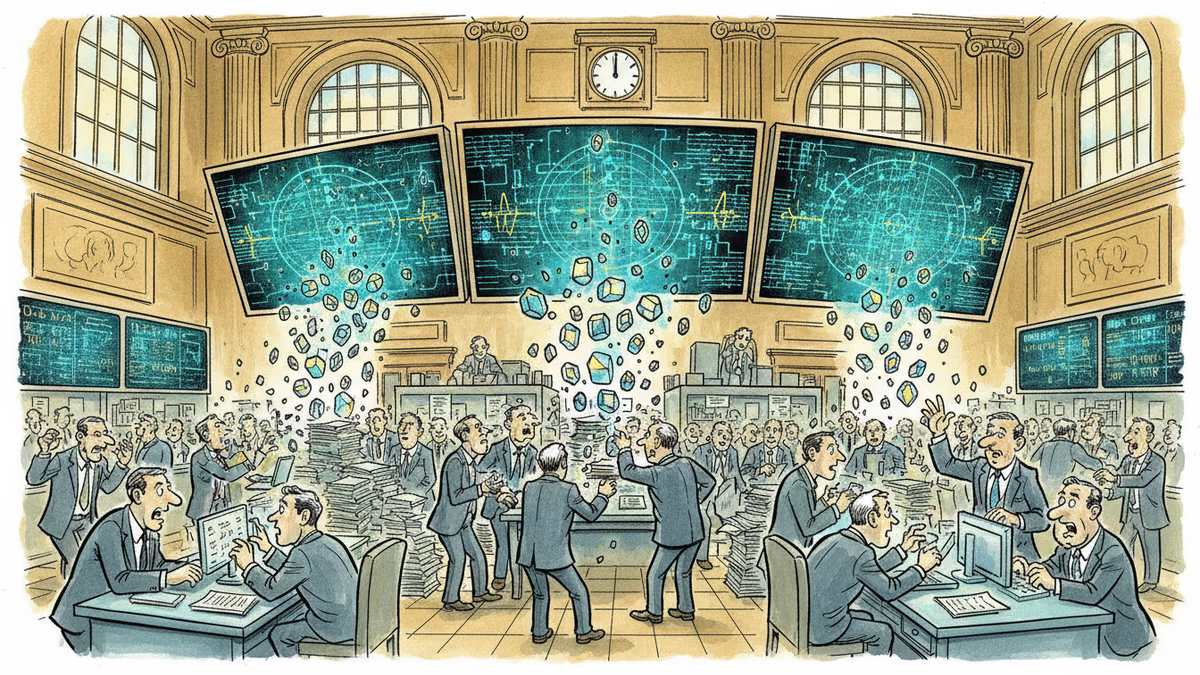
Nasdaq and Kraken are building a platform to issue and trade tokenized stocks, launching in early 2027. Token holders get full shareholder rights—dividends, voting included. Here's what it means for investors and the financial system.
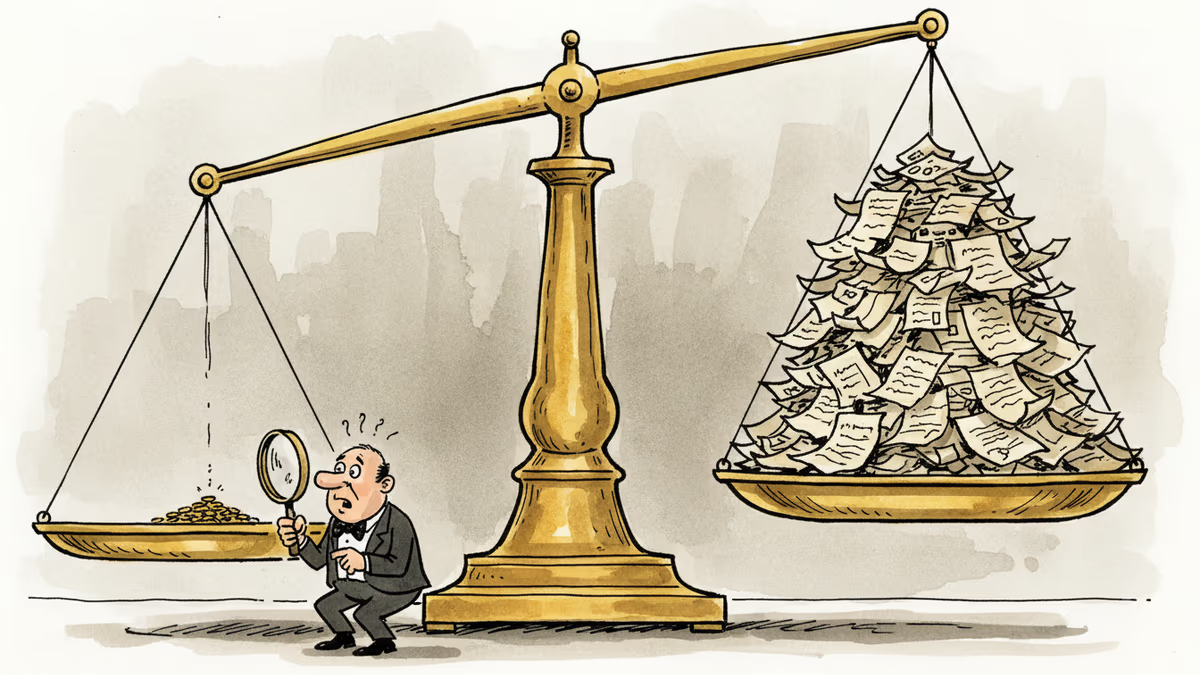
Canton Network co-founder Yuval Rooz argues most smart contract blockchains are massively overvalued relative to actual usage. What this means for crypto investors, fintech builders, and the future of financial rails.
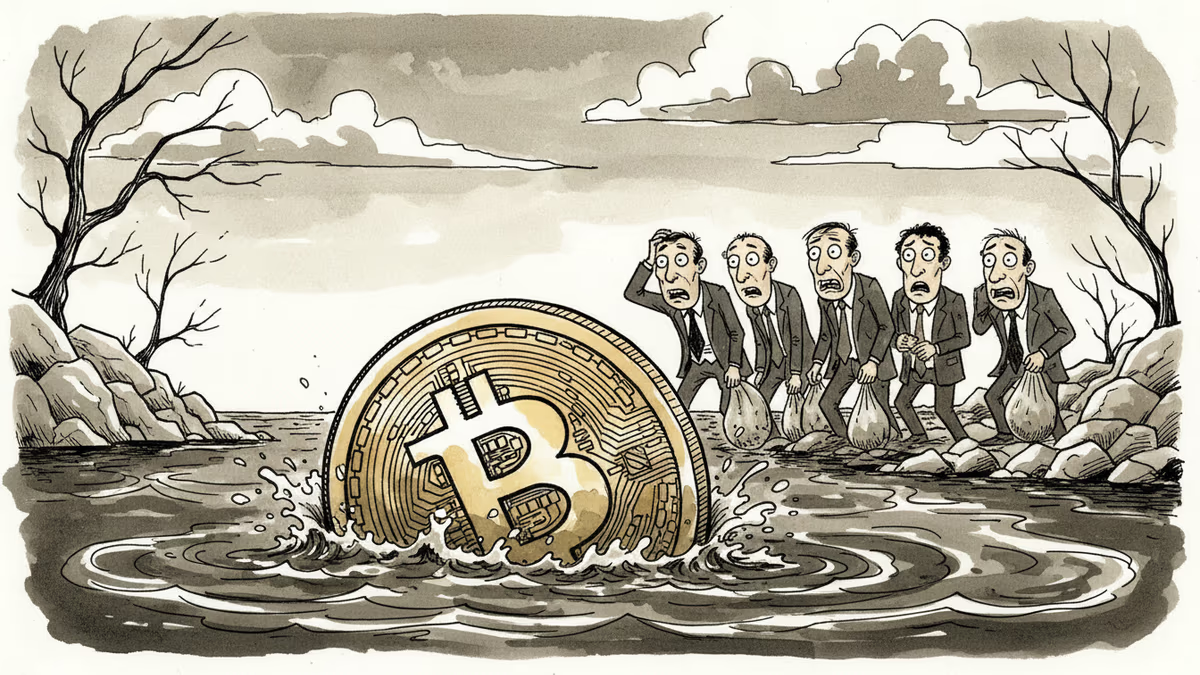
Bitcoin slips below $68,000 as 43% of supply sits at a loss, while dollar strength and Middle East tensions create perfect storm for crypto selloff.
Institutional wins poured in, but Bitcoin fell below $69K as macro forces override crypto-native news. The price of mainstream adoption may be losing independence.
Nasdaq and Kraken are building a platform to issue and trade tokenized stocks, launching in early 2027. Token holders get full shareholder rights—dividends, voting included. Here's what it means for investors and the financial system.
Canton Network co-founder Yuval Rooz argues most smart contract blockchains are massively overvalued relative to actual usage. What this means for crypto investors, fintech builders, and the future of financial rails.
Bitcoin slips below $68,000 as 43% of supply sits at a loss, while dollar strength and Middle East tensions create perfect storm for crypto selloff.
Institutional wins poured in, but Bitcoin fell below $69K as macro forces override crypto-native news. The price of mainstream adoption may be losing independence.
Thoughts
Share your thoughts on this article
Sign in to join the conversation