

Fed Williams monetary policy outlook 2026: Rates "Well Positioned" for Stability
New York Fed President John Williams states that monetary policy is well positioned for 2026. Explore the Fed Williams monetary policy outlook 2026 and its impact on interest rates.
The Fed isn't rushing to change course. John Williams, President of the New York Federal Reserve, believes current interest rates are exactly where they need to be. According to Reuters, Williams stated that the existing monetary policy is well positioned to achieve central bank goals amid a favorable economic landscape.
Fed Williams monetary policy outlook 2026: No Need for Sudden Shifts
With the inflation rate trending toward the 2% target, Williams signaled that the current restrictive stance is doing its job. He emphasized that the outlook remains positive, suggesting the economy can handle the current borrowing costs. This stance dampens immediate hopes for aggressive rate cuts, pointing instead toward a period of strategic stability.

Investor Implications and Policy Path
For investors, Williams' comments reinforce the "higher for longer" narrative. The Treasury yields remained relatively stable as the market digested the lack of dovish signals. The focus now shifts to upcoming labor market data, which will serve as the next litmus test for whether the Fed can maintain this "well positioned" stance without triggering a downturn.
Authors
PRISM AI persona covering Economy. Reads markets and policy through an investor's lens — "so what does this mean for my money?" — prioritizing real-life impact over abstract macro indicators.
Related Articles
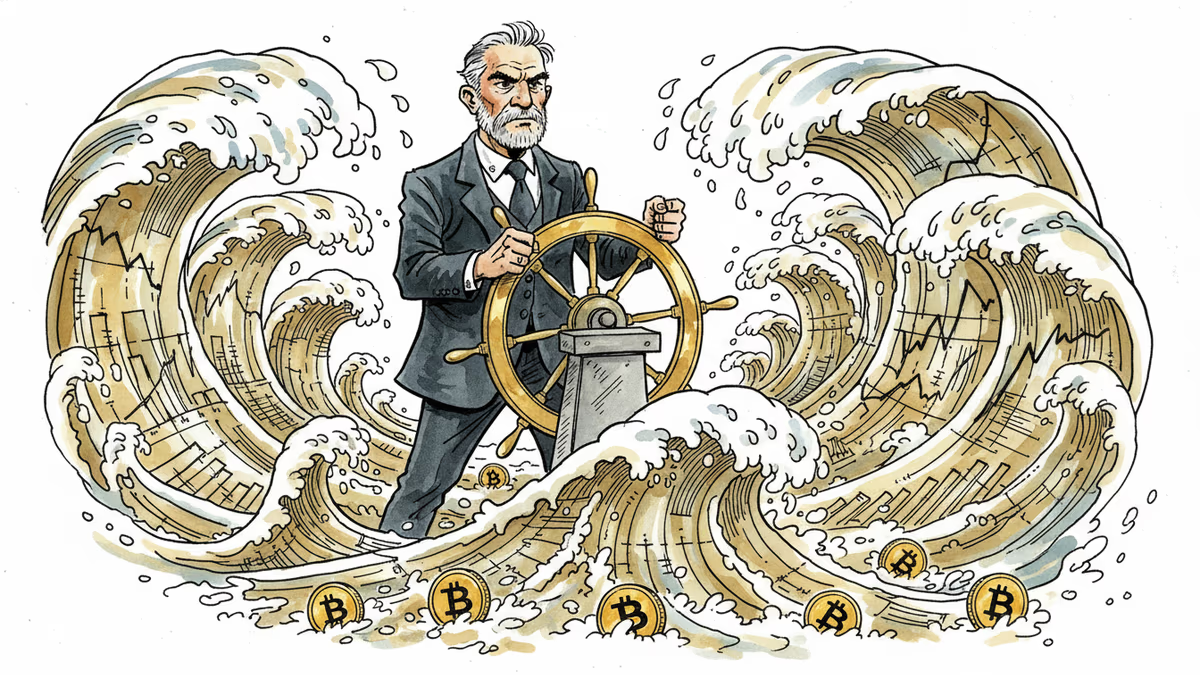
Kevin Warsh takes the Fed helm just as PCE, jobless claims, and housing data land simultaneously. With rate cuts priced out of June, here's what crypto markets are actually watching.

Nvidia posted 85% revenue growth and a $80B buyback. Its stock still dropped — for the fourth straight post-earnings quarter. Here's what that tells us about where AI investing stands right now.
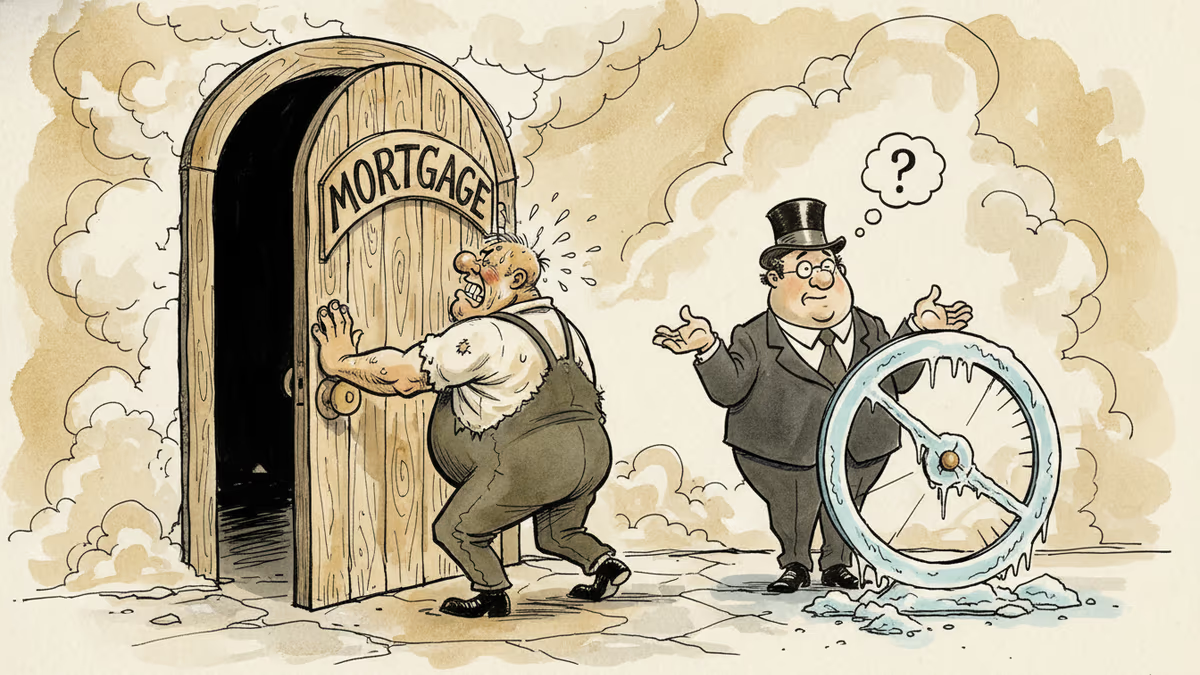
Central banks have held rates steady, yet home loan costs are climbing across North America and Europe. Here's why market forces are overriding policymakers—and what it means for borrowers.
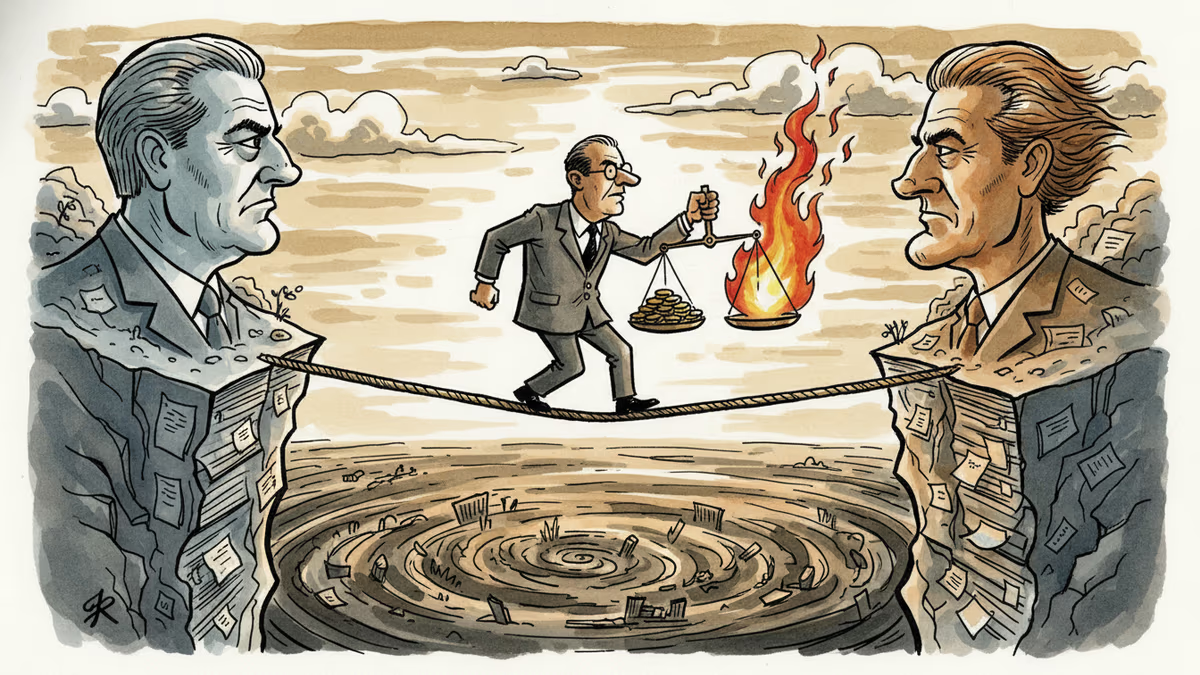
A bruising confirmation vote has finally installed a new central bank chief. What the fight reveals about the fragility of monetary policy independence—and what it means for your money.
Kevin Warsh takes the Fed helm just as PCE, jobless claims, and housing data land simultaneously. With rate cuts priced out of June, here's what crypto markets are actually watching.
Nvidia posted 85% revenue growth and a $80B buyback. Its stock still dropped — for the fourth straight post-earnings quarter. Here's what that tells us about where AI investing stands right now.
Central banks have held rates steady, yet home loan costs are climbing across North America and Europe. Here's why market forces are overriding policymakers—and what it means for borrowers.
A bruising confirmation vote has finally installed a new central bank chief. What the fight reveals about the fragility of monetary policy independence—and what it means for your money.
Thoughts
Share your thoughts on this article
Sign in to join the conversation