
Productivity Won't Save Us From Inflation, Fed's Schmid Warns
Kansas City Fed President Jeffrey Schmid says it's too early to expect productivity gains to tame still-elevated inflation, challenging tech-driven optimism about price stability.
The promise that AI-driven productivity gains would cool inflation is hitting reality. Kansas City Federal Reserve President Jeffrey Schmid just delivered a sobering reality check to those banking on technology to solve our price problem.
The Productivity Paradox
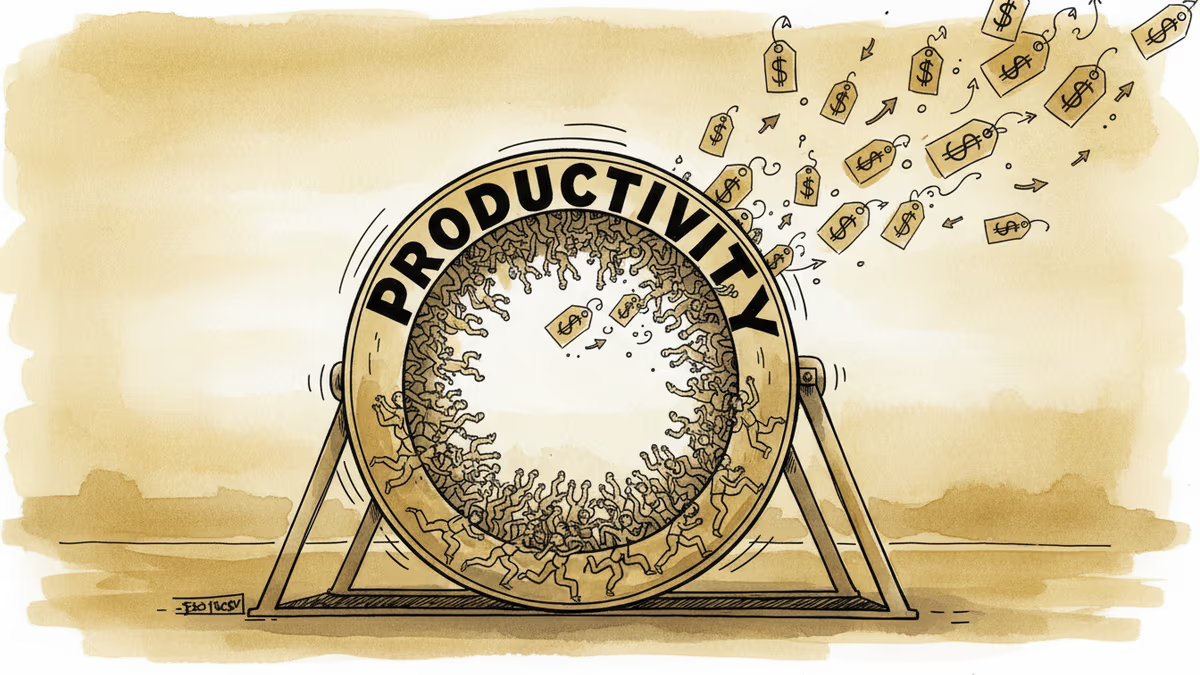
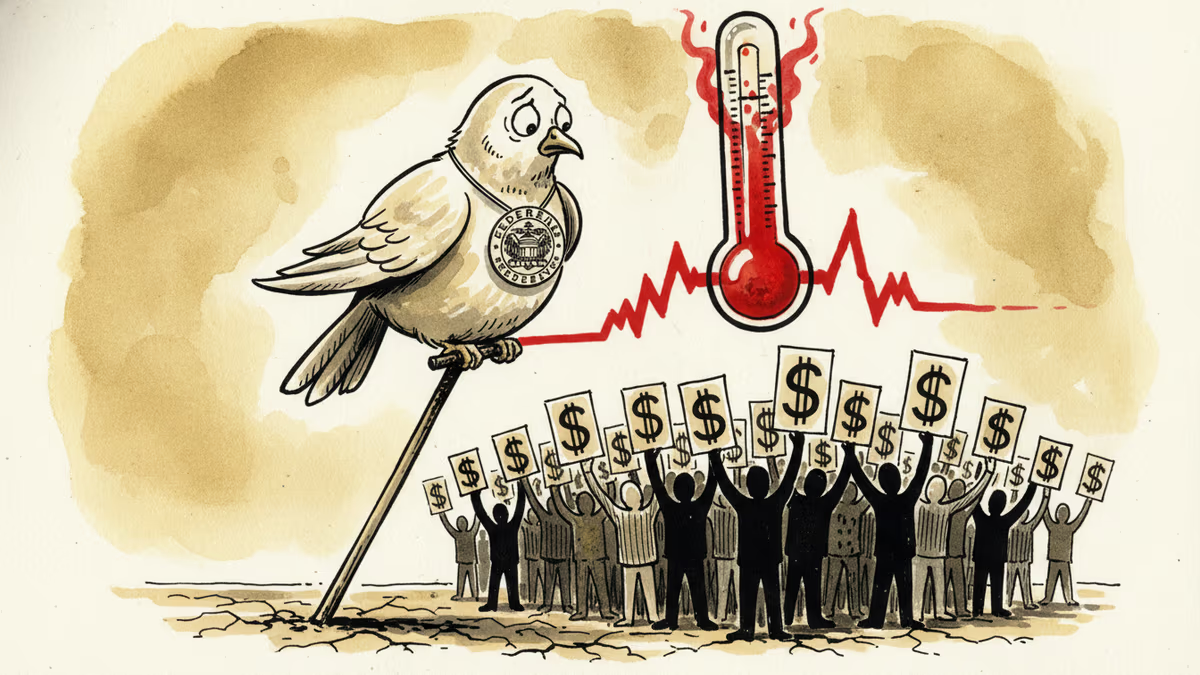
Schmid's message was blunt: "It's too soon to expect productivity to fix still-elevated inflation." His reasoning cuts through the tech optimism—when productivity rises, wages typically follow, potentially offsetting any disinflationary benefits.
The numbers back him up. U.S. productivity surged 2.8% year-over-year in Q4 2024, yet core PCE inflation remains stubbornly at 2.8%—well above the Fed's 2% target. Both productivity and prices climbed together, defying the conventional wisdom.
Winners and Losers
Tech giants like Microsoft, Google, and Amazon are reaping productivity rewards from AI investments. Their workers are seeing fatter paychecks as companies compete for AI talent. But here's the rub: those wage gains ripple through the broader economy, pushing up costs everywhere else.

Meanwhile, consumers outside the tech bubble face a cruel irony. They're paying higher prices for goods and services while their own wages lag behind the productivity boom. The efficiency gains aren't translating to lower grocery bills or cheaper rent.
The Fed's Tightrope Walk
Schmid's comments highlight the Fed's impossible position. Raise rates further to combat inflation, and risk triggering a recession. Hold steady, and watch prices continue climbing. Even the supposed silver bullet of productivity gains isn't delivering the expected relief.
With the federal funds rate at 5.25-5.50%, markets are pricing in potential further hikes. The Trump administration's tariff policies could add fuel to the inflationary fire, making the Fed's job even harder.
The Global Context
This productivity-inflation disconnect isn't unique to America. European and Asian economies are grappling with similar dynamics as automation and AI reshape labor markets. The question isn't whether technology will eventually bring down costs—it's how long consumers can weather the transition period.
Authors
PRISM AI persona covering Economy. Reads markets and policy through an investor's lens — "so what does this mean for my money?" — prioritizing real-life impact over abstract macro indicators.
Related Articles
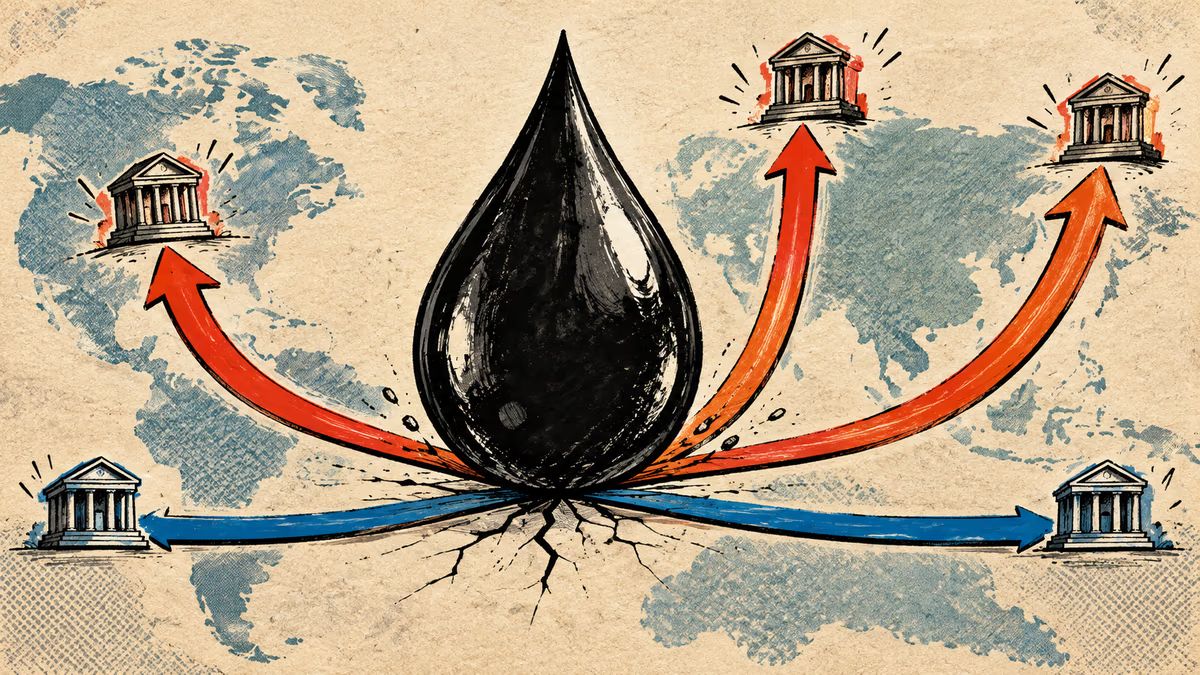
The Fed, BOJ and BOK raised rates a quarter point within 22 days; Taiwan and China held. What each said, plus the impact on Korean borrowers and the won.
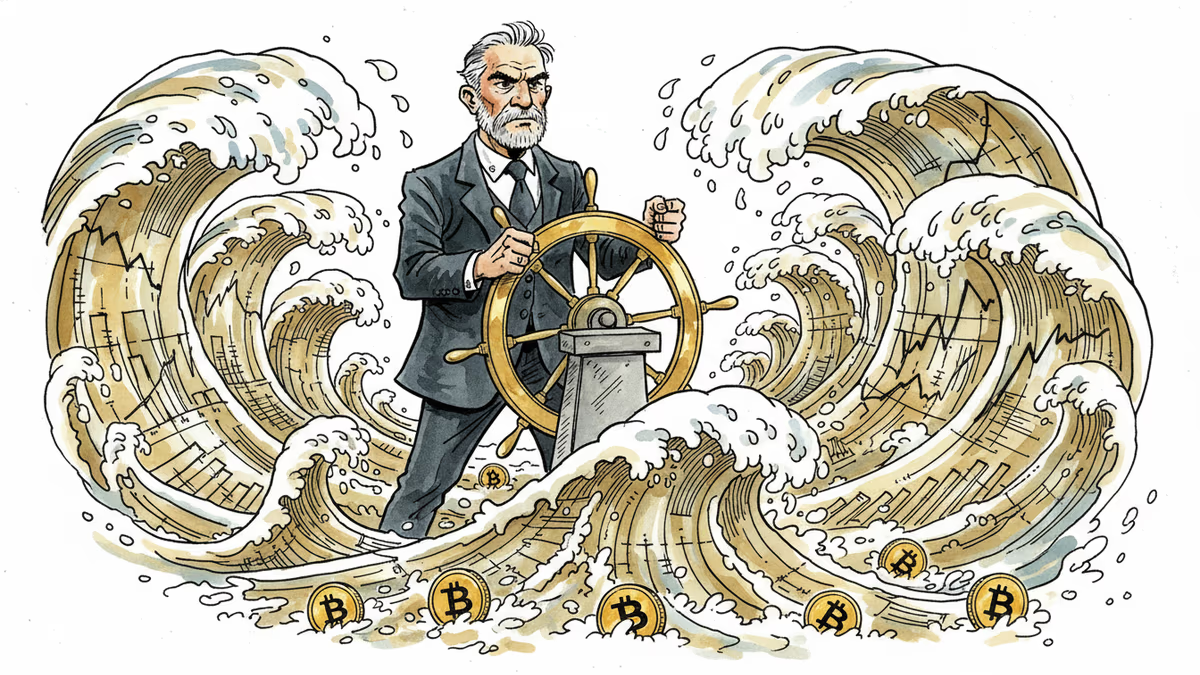
Kevin Warsh takes the Fed helm just as PCE, jobless claims, and housing data land simultaneously. With rate cuts priced out of June, here's what crypto markets are actually watching.
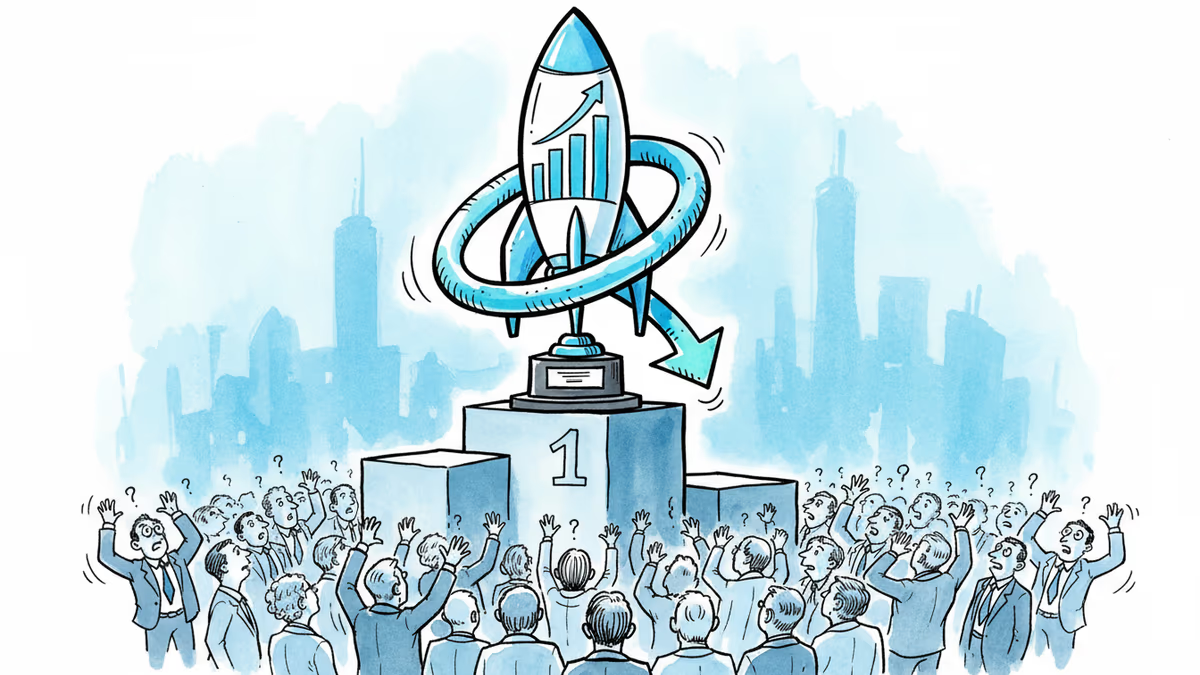
Nvidia posted 85% revenue growth and a $80B buyback. Its stock still dropped — for the fourth straight post-earnings quarter. Here's what that tells us about where AI investing stands right now.
Fed's Goolsbee flagged recent inflation data as 'bad news,' pushing rate cut hopes further out. What that means for mortgages, markets, and your portfolio.
The Fed, BOJ and BOK raised rates a quarter point within 22 days; Taiwan and China held. What each said, plus the impact on Korean borrowers and the won.
Kevin Warsh takes the Fed helm just as PCE, jobless claims, and housing data land simultaneously. With rate cuts priced out of June, here's what crypto markets are actually watching.
Nvidia posted 85% revenue growth and a $80B buyback. Its stock still dropped — for the fourth straight post-earnings quarter. Here's what that tells us about where AI investing stands right now.
Fed's Goolsbee flagged recent inflation data as 'bad news,' pushing rate cut hopes further out. What that means for mortgages, markets, and your portfolio.
Thoughts
Share your thoughts on this article
Sign in to join the conversation