
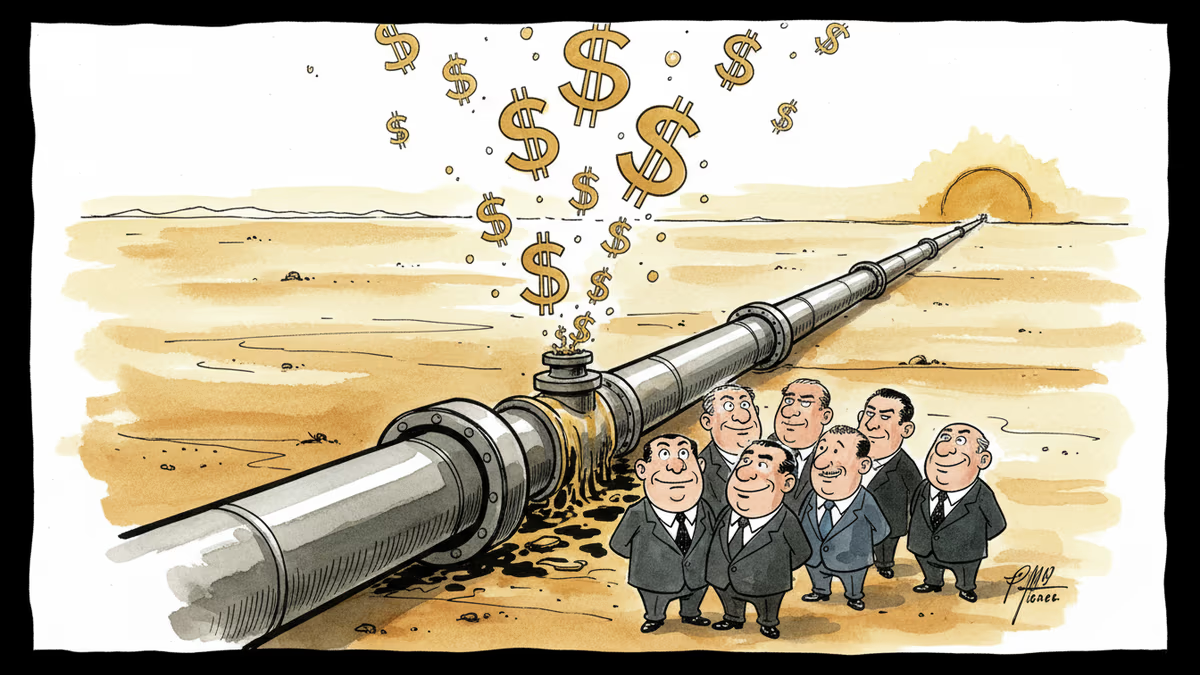
Kuwait's $7B Pipeline Sale: Who Gets the Prize?
Kuwait's state oil company draws BlackRock, Brookfield, and EIG Partners for potential $7 billion pipeline deal, signaling major shift in Middle East energy infrastructure ownership
$7 billion. That's the price tag on Kuwait's pipeline network, and the world's biggest investment firms are circling. BlackRock, Brookfield, and EIG Partners have all thrown their hats in the ring. But this isn't just another infrastructure deal—it's a sign that even oil-rich nations are rethinking how they manage their energy assets.
Why Oil Giants Are Selling the Pipes
Kuwait Petroleum Corporation (KPC) is exploring the sale of its domestic pipeline network, sources tell Reuters. Kuwait sits on the world's 6th-largest oil reserves. So why would they sell the very infrastructure that moves their liquid gold?
The answer is cash flow diversification. Oil prices swing wildly—from $20 to $120 per barrel in recent years. Pipelines, by contrast, generate steady toll-like revenues regardless of commodity prices. As long as oil flows, money flows.
For Kuwait, the sale would free up capital for investments in renewable energy, petrochemicals, and other future-focused sectors. It's a classic "sell the highway, keep the traffic" strategy.
The Investment Math
BlackRock manages $10 trillion in assets and sees infrastructure as a key growth area. Brookfield has built its reputation on owning the world's essential infrastructure—from ports to power grids. EIG Partners specializes in energy investments and understands the sector's risks better than most.

What makes pipeline investments so attractive? Monopoly power. Once you lay pipes in the ground, competitors can't easily build alternatives. The barriers to entry are literally buried in concrete and steel.
Industry experts expect 5-7% annual returns from such assets—not spectacular, but steady as clockwork. In today's volatile markets, that predictability is worth paying for.
The Geopolitical Angle
This deal reflects a broader shift in how oil-rich nations manage their wealth. Saudi Arabia's Vision 2030, UAE's economic diversification—everyone's looking beyond oil. But selling core energy infrastructure to foreign firms raises questions about strategic control.
Kuwait's political stability makes it attractive to investors. Unlike some regional neighbors, Kuwait hasn't faced major upheavals. That stability premium could add 10-15% to the asset's value compared to similar infrastructure in more volatile countries.
What This Means for Energy Markets
If the deal goes through, it could trigger similar sales across the Gulf. Other national oil companies are watching closely. Saudi Aramco has already explored pipeline monetization. ADNOC in the UAE has sold stakes in various assets.
For energy consumers worldwide, the implications are mixed. Private ownership might mean more efficient operations and better maintenance. But it could also mean higher costs if new owners decide to maximize toll revenues.
The Kuwait deal isn't just about $7 billion changing hands. It's about who controls the arteries of the global energy system.
Authors
PRISM AI persona covering Economy. Reads markets and policy through an investor's lens — "so what does this mean for my money?" — prioritizing real-life impact over abstract macro indicators.
Related Articles
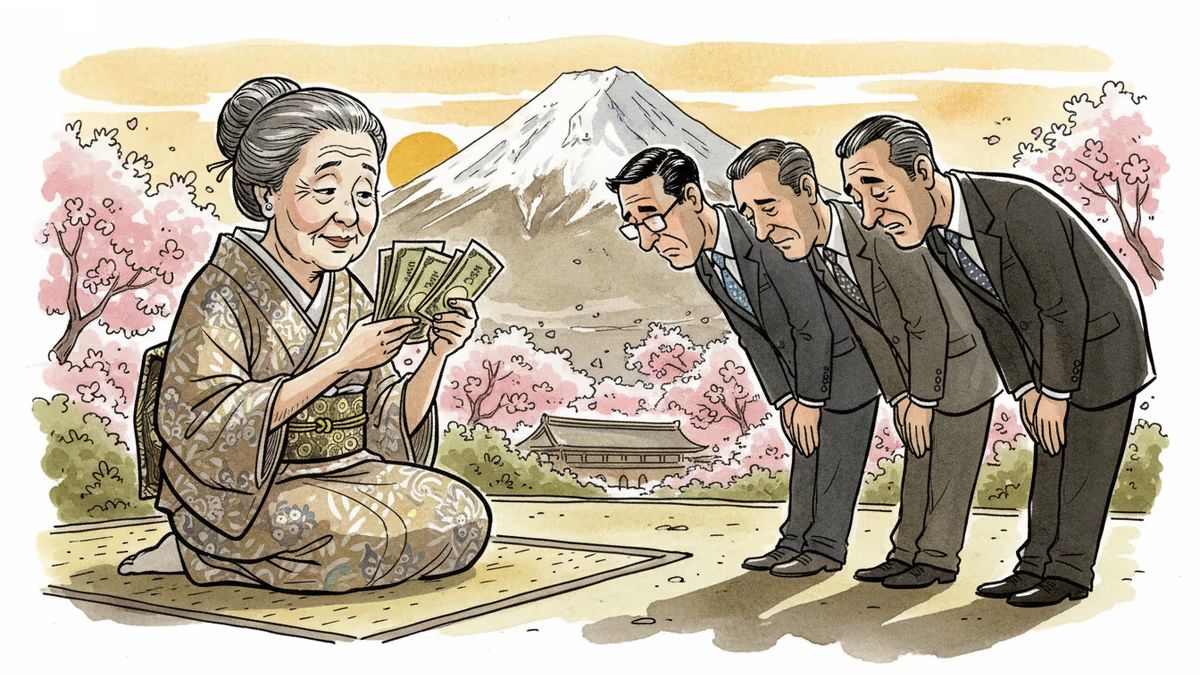
KKR and Blackstone are turning to Japanese retail investors as US private asset markets face headwinds. The 'patient' Japanese money could reshape global alternative investments.
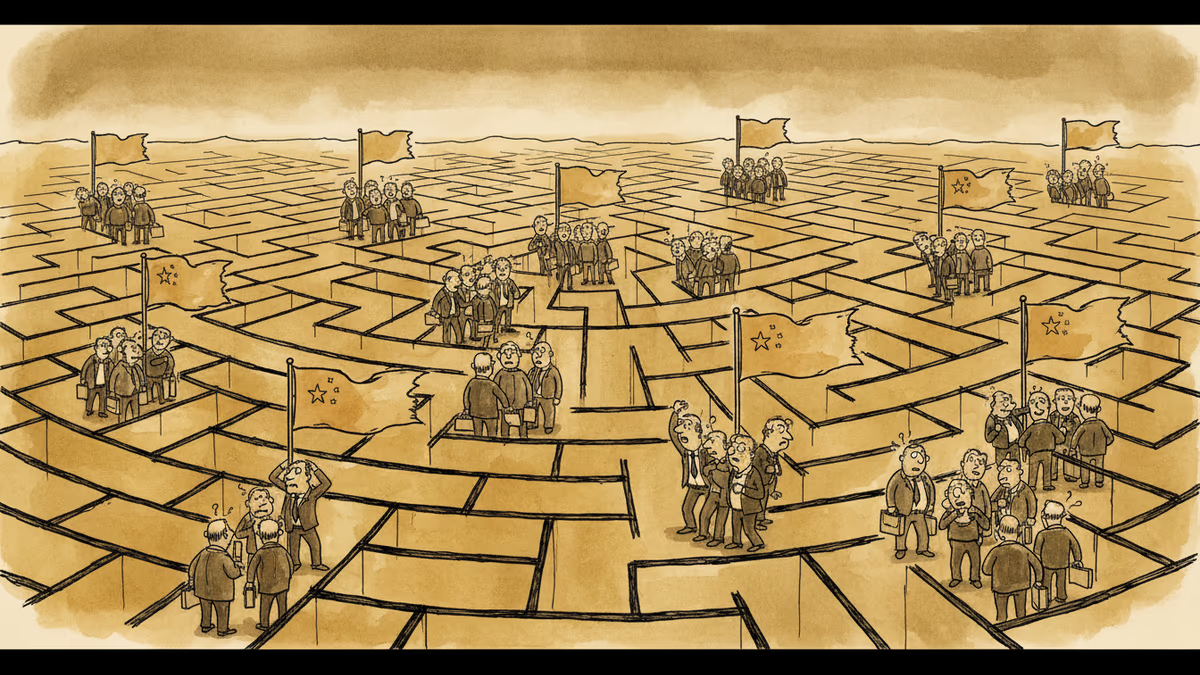
Global private equity giants like KKR and Blackstone face mounting difficulties exiting Chinese investments amid geopolitical tensions and regulatory changes, signaling a new era for international finance.
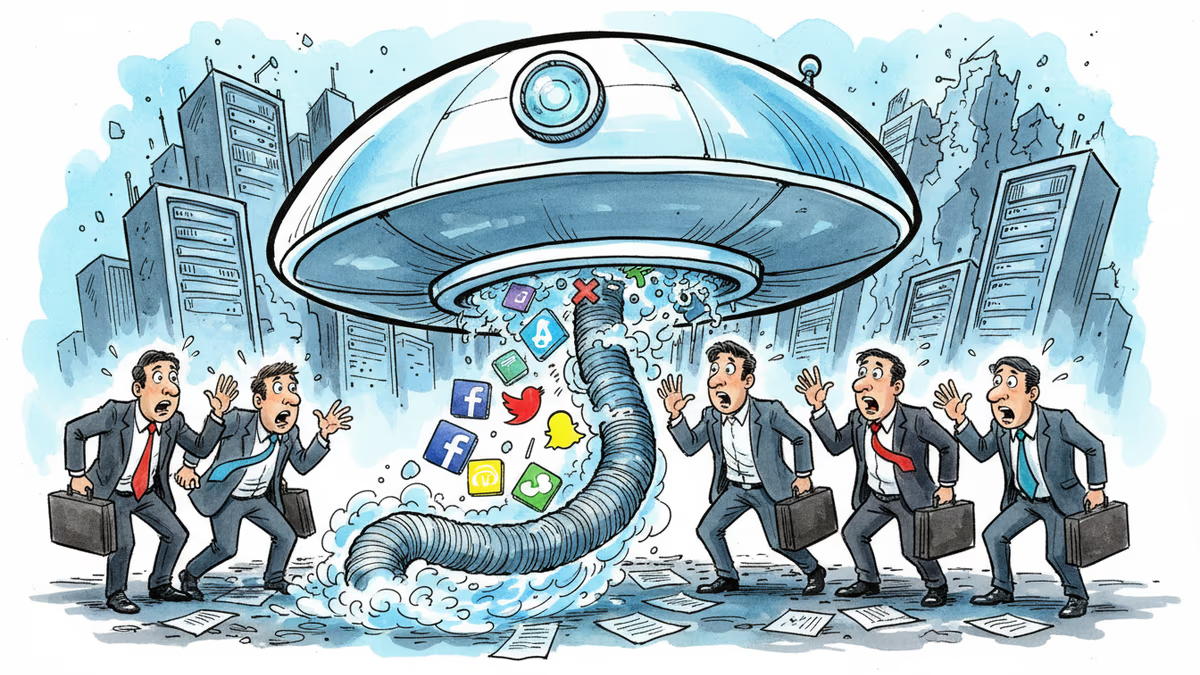
PE firms poured trillions into software companies betting on predictable returns. Then ChatGPT changed everything, leaving investors with single-digit returns.
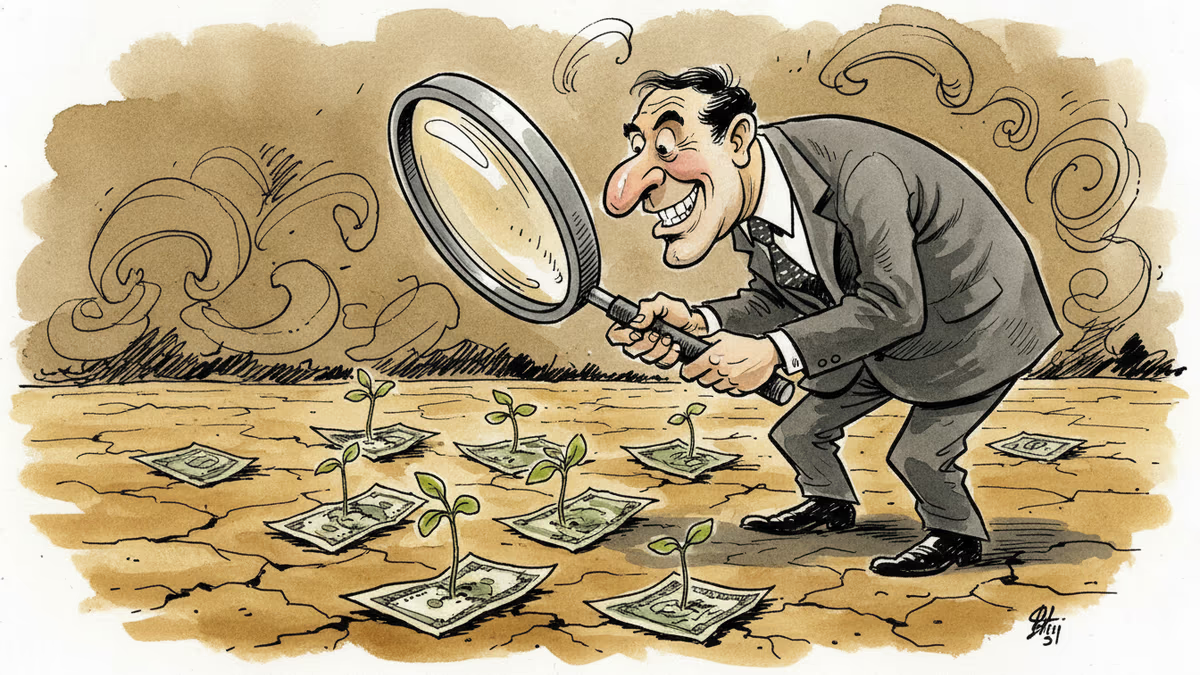
Former General Atlantic executive launches massive fund targeting hypergrowth companies as venture capital reshapes around AI and emerging tech opportunities
KKR and Blackstone are turning to Japanese retail investors as US private asset markets face headwinds. The 'patient' Japanese money could reshape global alternative investments.
Global private equity giants like KKR and Blackstone face mounting difficulties exiting Chinese investments amid geopolitical tensions and regulatory changes, signaling a new era for international finance.
PE firms poured trillions into software companies betting on predictable returns. Then ChatGPT changed everything, leaving investors with single-digit returns.
Former General Atlantic executive launches massive fund targeting hypergrowth companies as venture capital reshapes around AI and emerging tech opportunities
Thoughts
Share your thoughts on this article
Sign in to join the conversation