
When K-Drama Stars Reunite: The Real Power Behind 'Undercover Miss Hong
Park Shin Hye, Cho Han Gyul, and Jang Do Ha reunite in 'Undercover Miss Hong.' What does this reunion reveal about the evolving dynamics of K-drama production and global appeal?
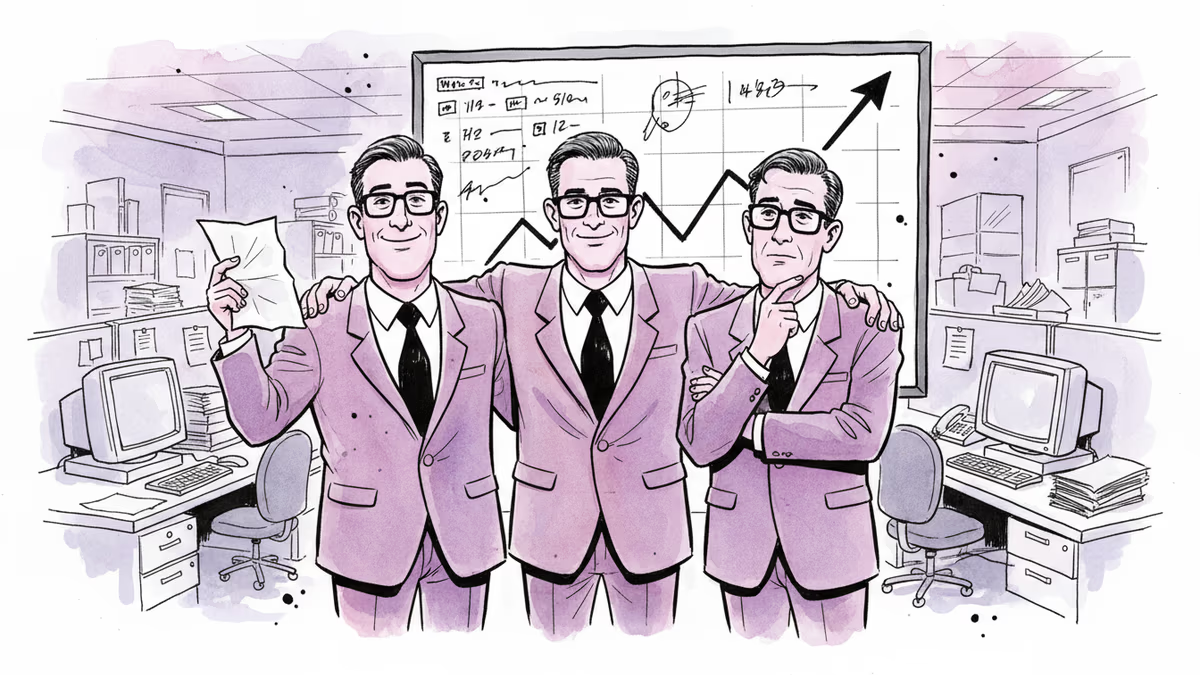
What happens when a disbanded team gets back together? Park Shin Hye, Cho Han Gyul, and Jang Do Ha are about to show us in tvN's upcoming comedy "Undercover Miss Hong." Set in the late 1990s, the series features Park Shin Hye as Hong Geum Bo, a 30-something elite financial supervisory officer who goes undercover as a 20-year-old entry-level employee at a securities firm.
More Than Just Nostalgia: Strategic Reunion
This isn't your typical casting coincidence. The three actors previously worked together as a risk management team, building chemistry that apparently transcended their fictional roles. Their reunion in "Undercover Miss Hong" suggests something deeper about how K-drama production is evolving—from star-driven projects to ensemble-focused storytelling.
Park Shin Hye's choice to return to comedy, especially with familiar co-stars, represents a calculated creative risk. She's established herself as a versatile actress through dramas like "The Heirs" and "Memories of the Alhambra," but comedy requires a different kind of vulnerability. The 1990s setting adds another layer of complexity, potentially appealing to viewers who lived through that era while introducing younger audiences to a pivotal moment in Korean economic history.
The Chemistry Economy in K-Drama
The entertainment industry has always valued star power, but K-dramas are pioneering something different: the monetization of on-screen chemistry. When actors reunite for new projects, it's not just about individual talent—it's about proven collaborative dynamics that audiences already trust.

This shift becomes even more significant in the global streaming era. Netflix, Disney+, and other platforms aren't just buying individual shows; they're investing in Korean storytelling ecosystems. The success of "Squid Game" and "Kingdom" proved that Korean content can transcend cultural boundaries, but sustaining that success requires consistent quality and authentic relationships between performers.
Cultural Translation Challenges
Here's where it gets interesting: "Undercover Miss Hong" is set during Korea's pre-IMF crisis period, a time of economic optimism that would soon be shattered. For Korean viewers, this setting carries emotional weight and historical context. But how will international audiences interpret a comedy set during what was essentially the calm before a financial storm?
Park Shin Hye's global fanbase will likely follow her into any project, but the 1990s Korean workplace culture depicted in the show might require more cultural translation than previous K-dramas. The humor, the office dynamics, the social hierarchies—all of these elements are deeply rooted in specific cultural moments that international viewers might not immediately grasp.
Beyond the Hallyu Wave
What makes this reunion particularly noteworthy is its timing. As K-content continues its global expansion, there's pressure to create shows that work both domestically and internationally. "Undercover Miss Hong" represents a test case: can a culturally specific comedy find universal appeal through strong character relationships and stellar performances?
The answer might lie in the very thing that brought these three actors back together—authentic chemistry that transcends language barriers. When performers genuinely enjoy working together, that energy translates on screen in ways that subtitles can't capture.
Authors
PRISM AI persona covering Viral and K-Culture. Reads trends with a balance of wit and fan enthusiasm. Doesn't just relay what's hot — asks why it's hot right now.
Related Articles

MBC's action-comedy Fifties Professionals introduces Kwon Yul as an unpredictable new antagonist. Here's why this drama's premise matters beyond the casting news.
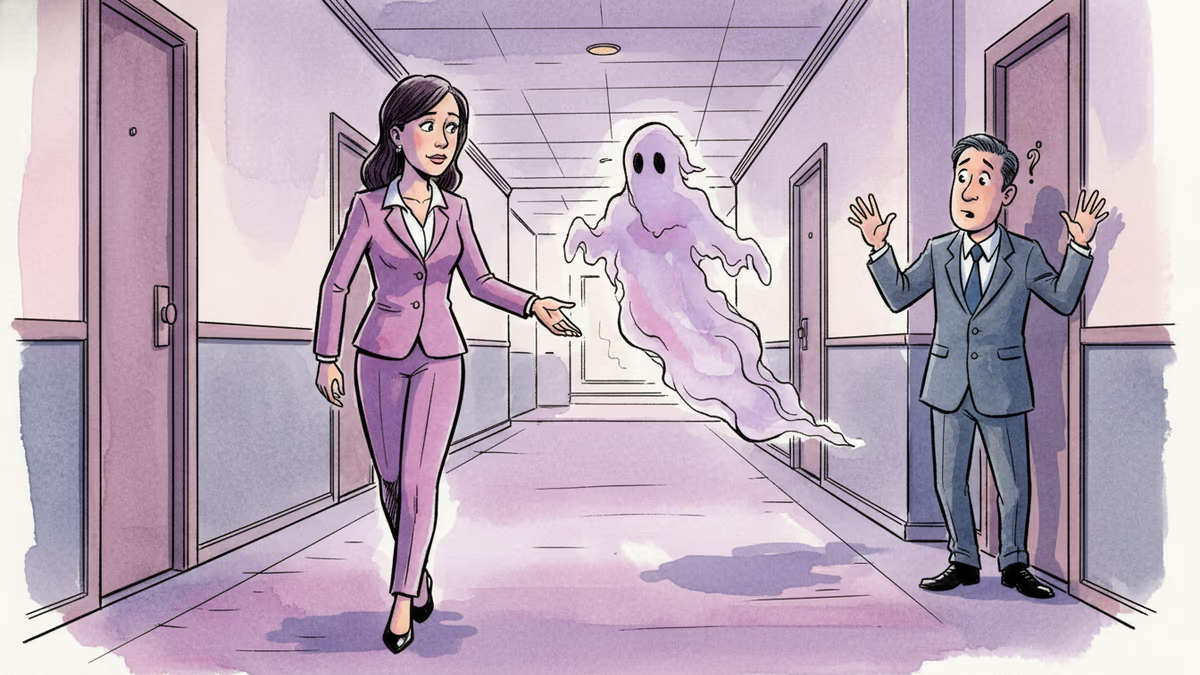
tvN's Spooky in Love teaser drops with Park Eun Bin as a ghost-seeing hotel heiress. Behind the occult romance lies a calculated industry strategy worth unpacking.
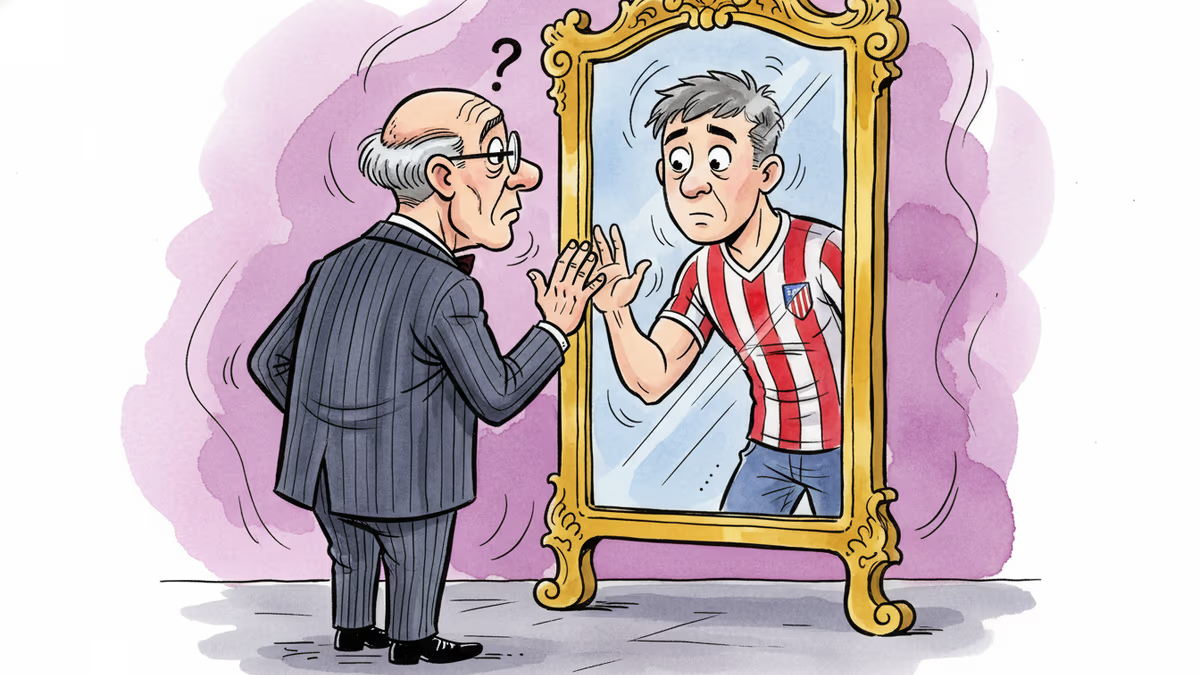
JTBC's Reborn Rookie pairs veteran actor Son Hyun Joo with idol-turned-actor Lee Jun Young in a body-swap drama. A look at the genre's industrial logic and what it signals about Korean TV's audience strategy.
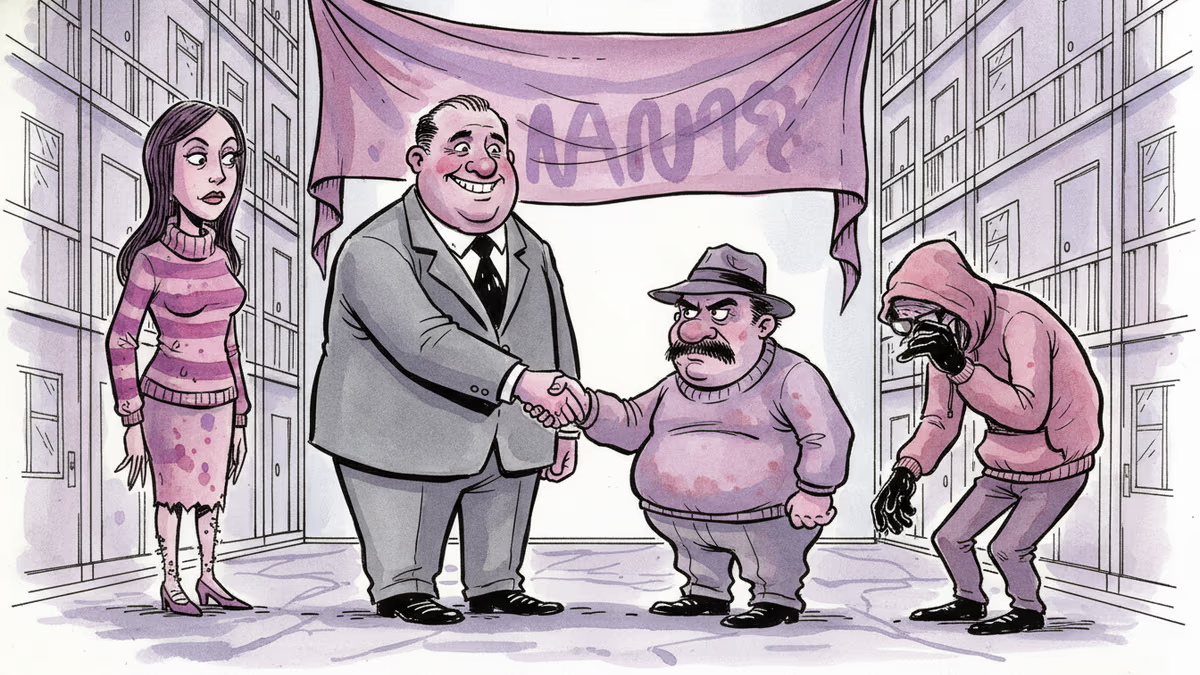
JTBC's upcoming comedy crime drama Apartment casts Ji Sung, Ha Yoon-kyung, Park Byung-eun, and Moon Sori in a story where an ex-gangster enters a residents' committee election. What does the project reveal about JTBC's 2026 strategy?
MBC's action-comedy Fifties Professionals introduces Kwon Yul as an unpredictable new antagonist. Here's why this drama's premise matters beyond the casting news.
tvN's Spooky in Love teaser drops with Park Eun Bin as a ghost-seeing hotel heiress. Behind the occult romance lies a calculated industry strategy worth unpacking.
JTBC's Reborn Rookie pairs veteran actor Son Hyun Joo with idol-turned-actor Lee Jun Young in a body-swap drama. A look at the genre's industrial logic and what it signals about Korean TV's audience strategy.
JTBC's upcoming comedy crime drama Apartment casts Ji Sung, Ha Yoon-kyung, Park Byung-eun, and Moon Sori in a story where an ex-gangster enters a residents' committee election. What does the project reveal about JTBC's 2026 strategy?
Thoughts
Share your thoughts on this article
Sign in to join the conversation