
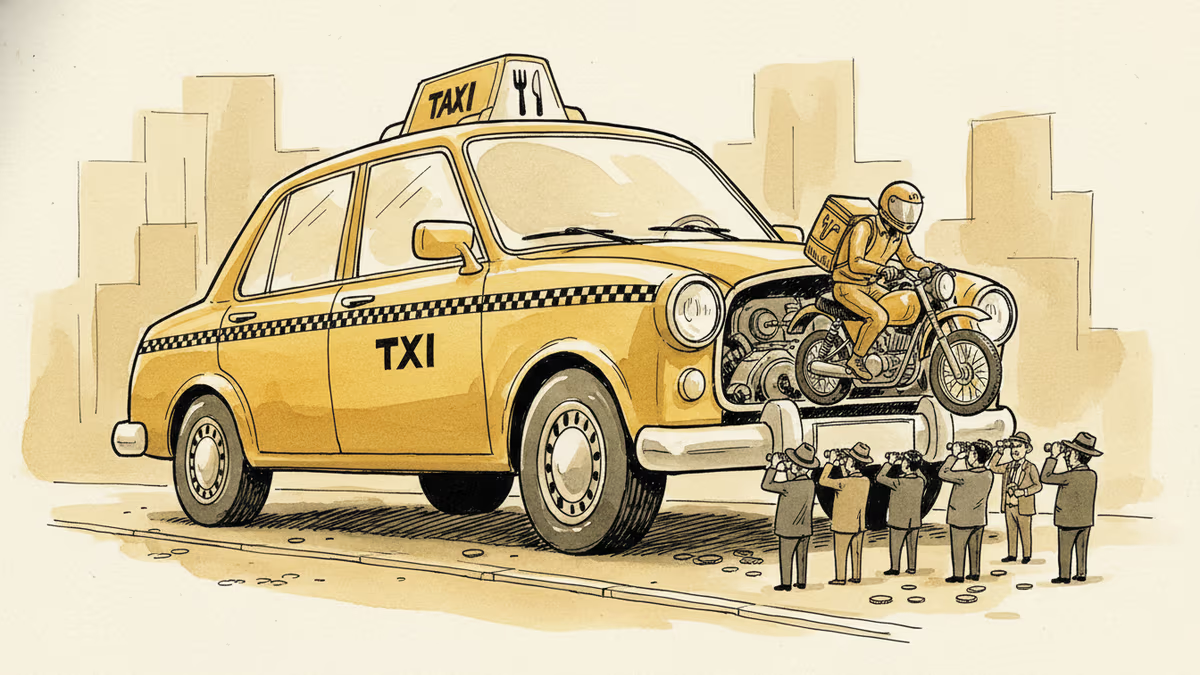
Uber's Bid for Delivery Hero: The Last Big Meal?
Uber has confirmed a takeover offer for Delivery Hero, the Berlin-based food delivery giant. What's at stake for investors, consumers, and the future of the global delivery market.
What happens when the world's biggest ride-hailing company decides it also wants to own your dinner?
Uber has officially confirmed it has made a takeover offer for Delivery Hero, the Berlin-headquartered food delivery giant that operates in more than 50 countries. The confirmation, following a Reuters report, sent both companies' stocks moving — and raised a question that investors, regulators, and hungry consumers all have a stake in answering.
The Setup: Why Delivery Hero Is on the Block
Delivery Hero was one of the defining tech darlings of the pandemic era. As lockdowns turned restaurant dining into a distant memory, its platforms — Talabat in the Middle East, Foodpanda in Asia, Glovo in Europe — became essential infrastructure. Revenues soared. So did losses.
When the world reopened, the math stopped working. Delivery Hero's share price has fallen roughly 80% from its 2021 peak. The company has spent the past three years shedding assets: it sold Yogiyo in South Korea in 2022, offloaded its Foodpanda Taiwan business, and restructured repeatedly. Yet profitability has remained elusive, and institutional shareholders have grown impatient.
For Delivery Hero's board, an offer from Uber — flush with cash and a rising share price — is not just attractive. For many investors, it may feel like the exit they've been waiting for.
What Uber Gets — and What It Costs
Uber already runs Uber Eats, one of the top two or three food delivery platforms in most English-speaking markets. But in continental Europe, the Middle East, and parts of Asia, Delivery Hero's brands dominate territory that Uber Eats has never fully cracked.

Acquiring Delivery Hero would give Uber an instant, dominant global footprint in food delivery — turning a competitive race into something closer to a fait accompli in dozens of markets. That's the strategic logic.
The financial logic is harder to pin down without a confirmed price. Delivery Hero's current market capitalization sits well below its peak, but a deal would almost certainly require a meaningful premium — typically 20–40% above market price in transactions of this scale. For Uber shareholders, that means either a significant cash outlay or dilutive stock issuance. Neither is painless.
The Regulator in the Room
Here's where the deal gets complicated. Uber and Delivery Hero together would control an outsized share of food delivery in multiple European markets. The EU's competition authorities have shown little appetite for waving through big-tech consolidation deals, particularly after high-profile interventions in recent years.
The question isn't whether regulators will scrutinize this deal — they will. The question is what they'll demand as a condition of approval. Forced divestitures in specific markets are a real possibility, which could strip away some of the strategic value Uber is paying for in the first place. Deals that look clean on a press release often get messier in Brussels.
Delivery Hero's Talabat business, which went public in Dubai in late 2024, adds another layer of complexity. Any acquisition structure would need to account for Talabat's separate listing and minority shareholders — a negotiation within a negotiation.
Consumers: Fewer Choices, Higher Fees?
For the average person ordering lunch, the immediate impact is invisible. Apps don't change overnight. But history suggests that when delivery markets consolidate around one or two dominant players, the competitive pressure that kept fees and commissions in check tends to ease.
Restaurant owners — who already pay platform commissions of 15–30% per order in many markets — are watching closely. A more dominant Uber with fewer credible rivals has less incentive to compete on those rates. Consumer delivery fees, which many platforms have already raised steadily since 2022, could follow the same trajectory.
This content is AI-generated based on source articles. While we strive for accuracy, errors may occur. We recommend verifying with the original source.
Related Articles
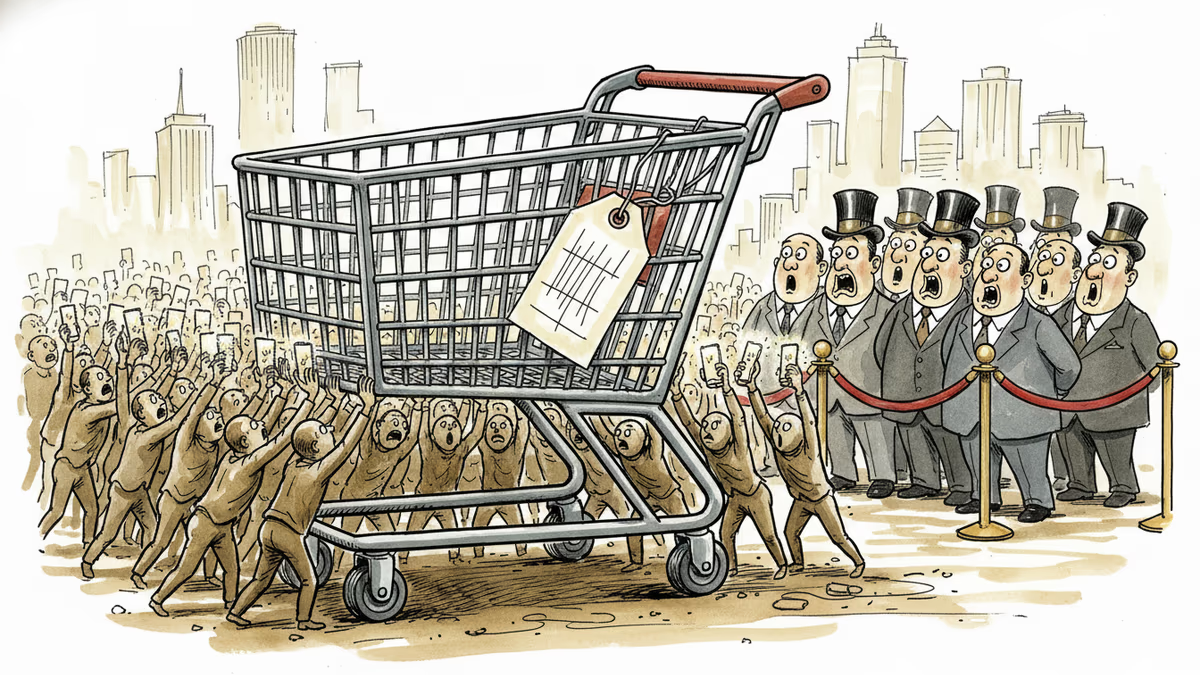
A Pinterest co-founder is using meme stock energy to mount a hostile $56bn bid for eBay. Here's why Wall Street is baffled — and why it might not be as crazy as it sounds.
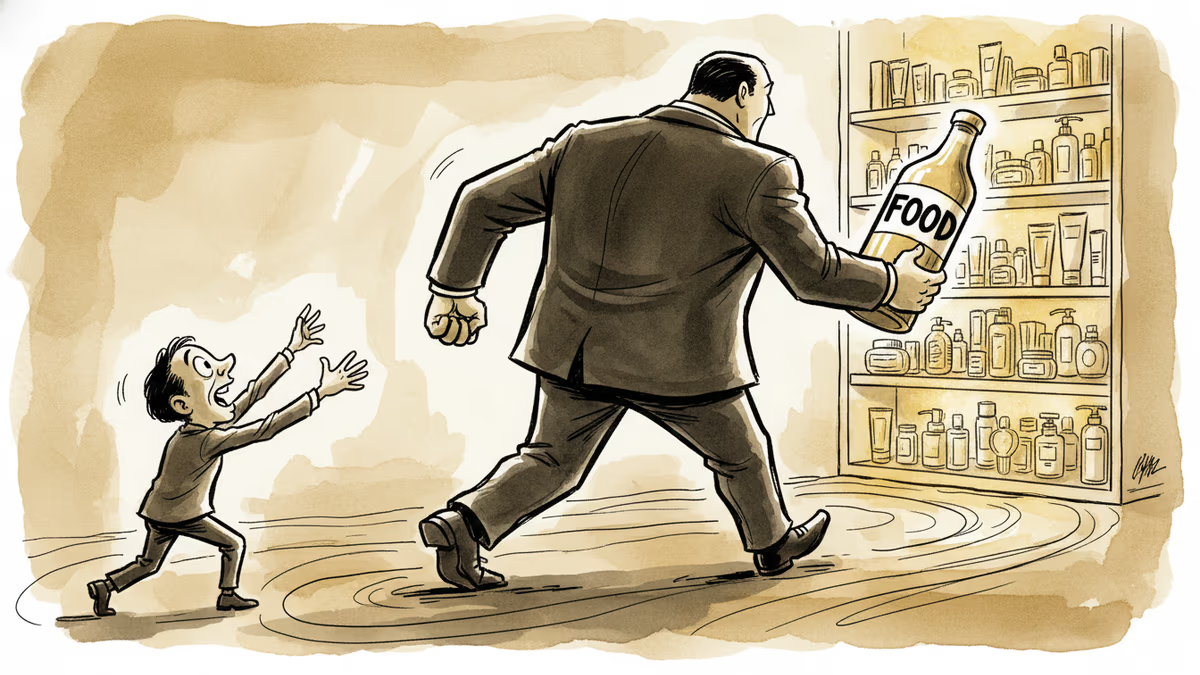
Unilever is reportedly in talks to sell its food division to McCormick for $16 billion in cash. What this tells us about the future of consumer goods — and who wins.
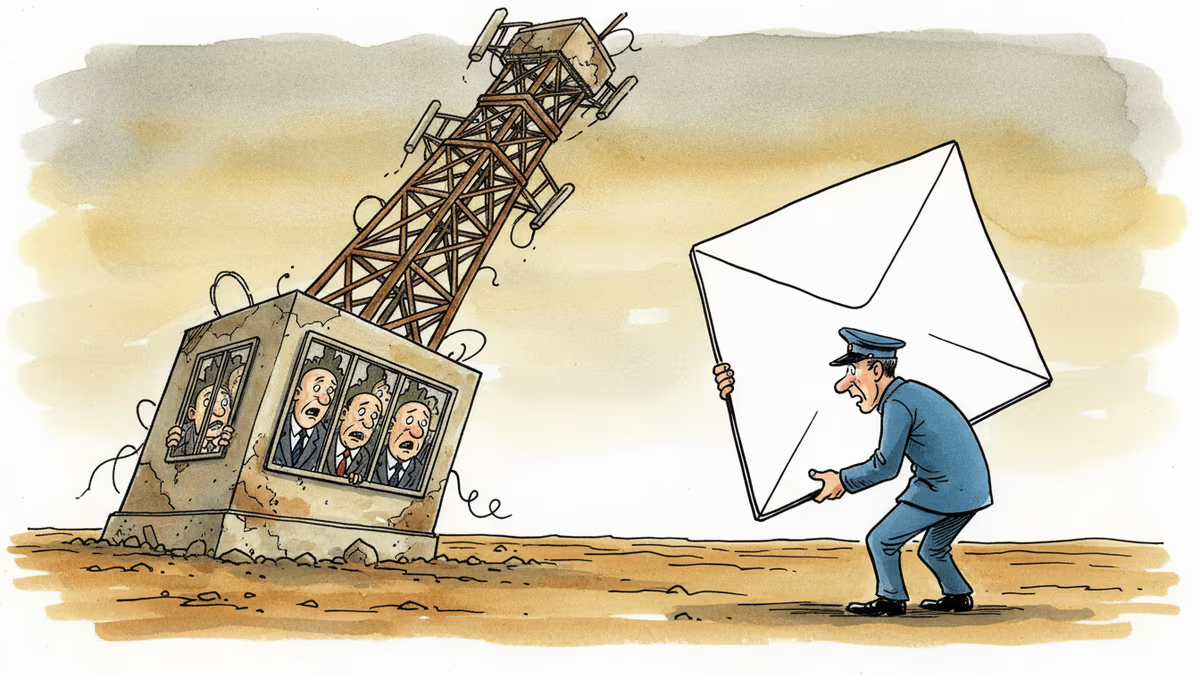
Poste Italiane has requested a board meeting with Telecom Italia to discuss a potential takeover. With the Italian government holding a 29% stake in Poste, this is more than a corporate approach.
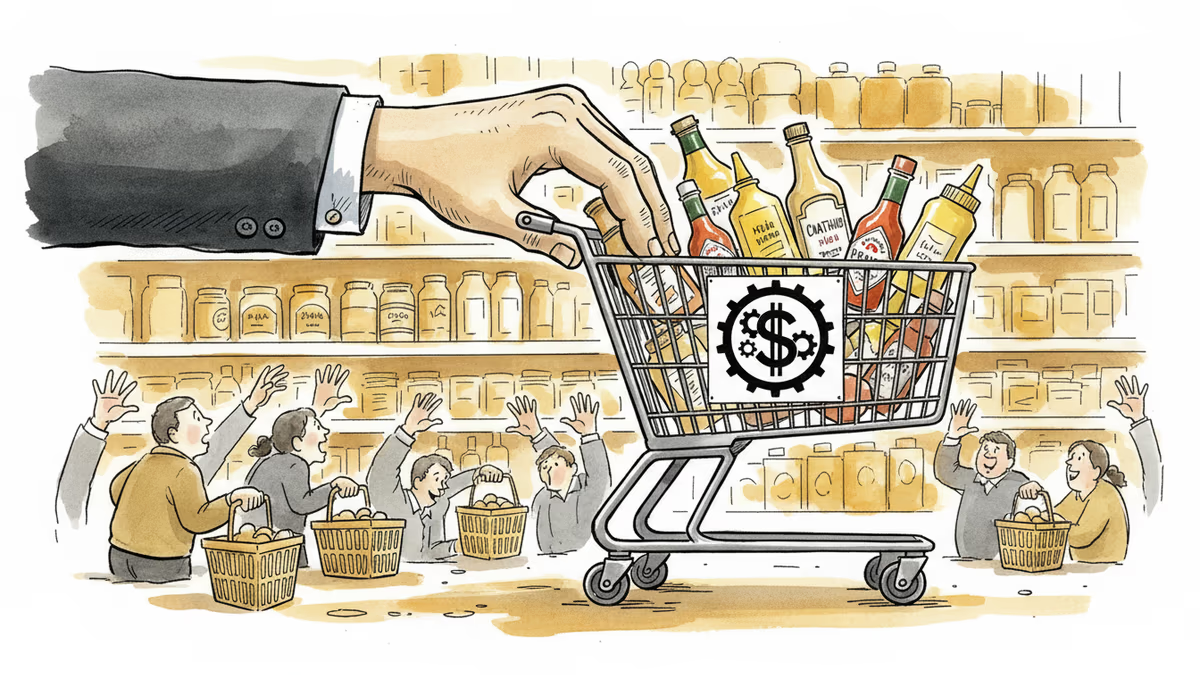
Unilever confirms it made an offer for McCormick, which would unite Hellmann's mayo with Cholula hot sauce and French's mustard under one roof. What it means for your grocery bill, investors, and the future of flavor.
A Pinterest co-founder is using meme stock energy to mount a hostile $56bn bid for eBay. Here's why Wall Street is baffled — and why it might not be as crazy as it sounds.
Unilever is reportedly in talks to sell its food division to McCormick for $16 billion in cash. What this tells us about the future of consumer goods — and who wins.
Poste Italiane has requested a board meeting with Telecom Italia to discuss a potential takeover. With the Italian government holding a 29% stake in Poste, this is more than a corporate approach.
Unilever confirms it made an offer for McCormick, which would unite Hellmann's mayo with Cholula hot sauce and French's mustard under one roof. What it means for your grocery bill, investors, and the future of flavor.
Thoughts
Share your thoughts on this article
Sign in to join the conversation