
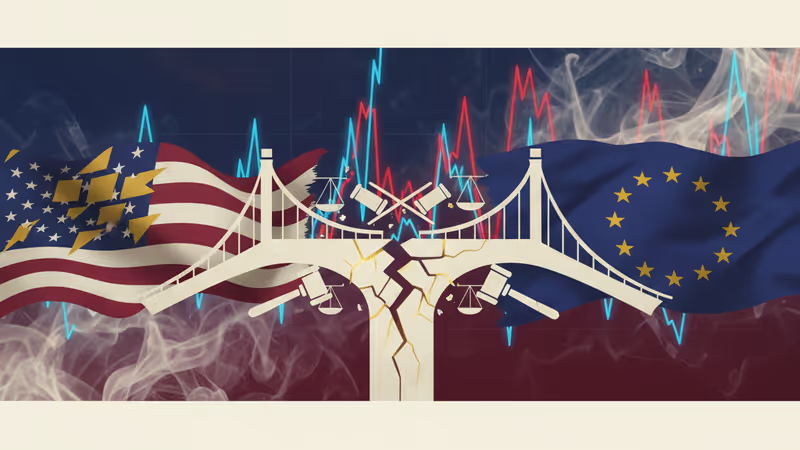
Trump Trans-Atlantic Relations Volatility 2026: Market Shocks from Greenland to Gaza
President Trump's 2026 statements on Greenland and Gaza have triggered volatility in trans-Atlantic relations and global markets. Read PRISM's analysis on the diplomatic strain.
Handshakes are out; volatility is in. President Trump's latest remarks have left global markets reeling and traditional allies questioning the very foundation of trans-Atlantic ties.
Trump Trans-Atlantic Relations Volatility 2026 and Global Fallout
It's been a bumpy ride for international diplomacy on this January 23, 2026. From unexpected claims regarding Greenland to polarizing stances on the Gaza conflict, the rhetoric has unsettled investors and strained long-standing partnerships. According to Reuters, these statements have directly contributed to a significant uptick in market uncertainty.

Allies aren't hiding their discomfort. European leaders have expressed concern that such unpredictable shifts undermine collective security. Meanwhile, supporters of the administration argue that these bold statements are necessary to rebalance global agreements in favor of U.S. interests.
From Greenland to Gaza: A Wide Net of Friction
The friction isn't localized. By revisiting the Greenland purchase idea, the administration has rattled Nordic diplomacy. Simultaneously, the focus on Gaza highlights a diverging path between Washington and its European counterparts regarding Middle Eastern stability.
This content is AI-generated based on source articles. While we strive for accuracy, errors may occur. We recommend verifying with the original source.
Related Articles
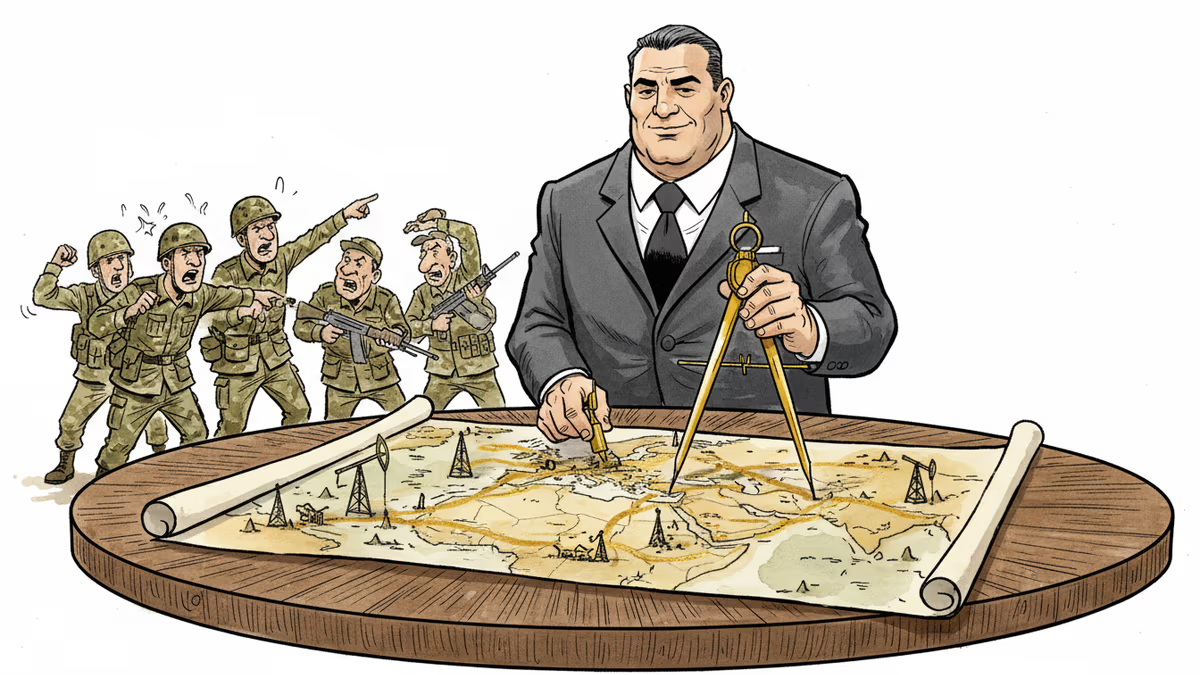
As the US tightens pressure on Iran, China is expanding economic footholds across the Middle East—from energy deals to infrastructure and diplomacy. What's really changing?
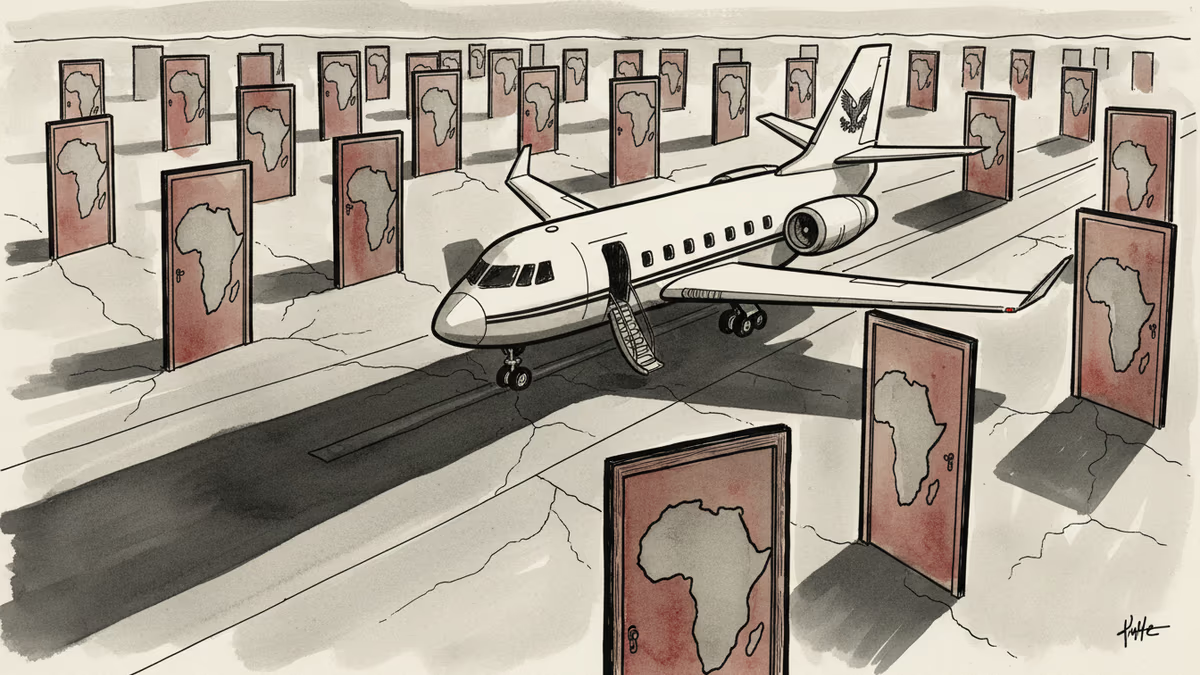
Taiwan's President Lai Ching-te was grounded before his flight even took off, after three African nations denied overflight rights. Beijing called it the right choice. The implications stretch far beyond one cancelled trip.
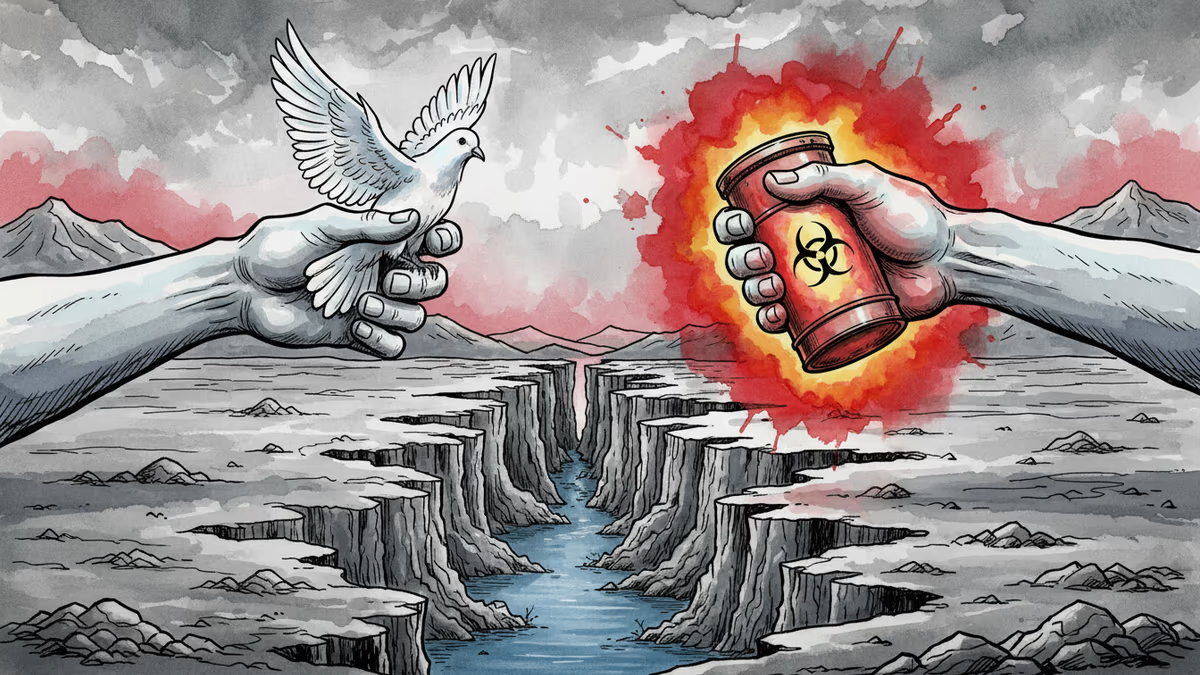
Trump claims a US-Iran nuclear deal could come within days, following the Israel-Lebanon ceasefire and Iran's reopening of the Strait of Hormuz. What's real, what's posturing, and what's at stake.
Vietnam's new paramount leader chose Beijing as his first foreign visit after consolidating power. Infrastructure deals, joint statements, and a symbolic train ride—what does it all mean?
As the US tightens pressure on Iran, China is expanding economic footholds across the Middle East—from energy deals to infrastructure and diplomacy. What's really changing?
Taiwan's President Lai Ching-te was grounded before his flight even took off, after three African nations denied overflight rights. Beijing called it the right choice. The implications stretch far beyond one cancelled trip.
Trump claims a US-Iran nuclear deal could come within days, following the Israel-Lebanon ceasefire and Iran's reopening of the Strait of Hormuz. What's real, what's posturing, and what's at stake.
Vietnam's new paramount leader chose Beijing as his first foreign visit after consolidating power. Infrastructure deals, joint statements, and a symbolic train ride—what does it all mean?
Thoughts
Share your thoughts on this article
Sign in to join the conversation