
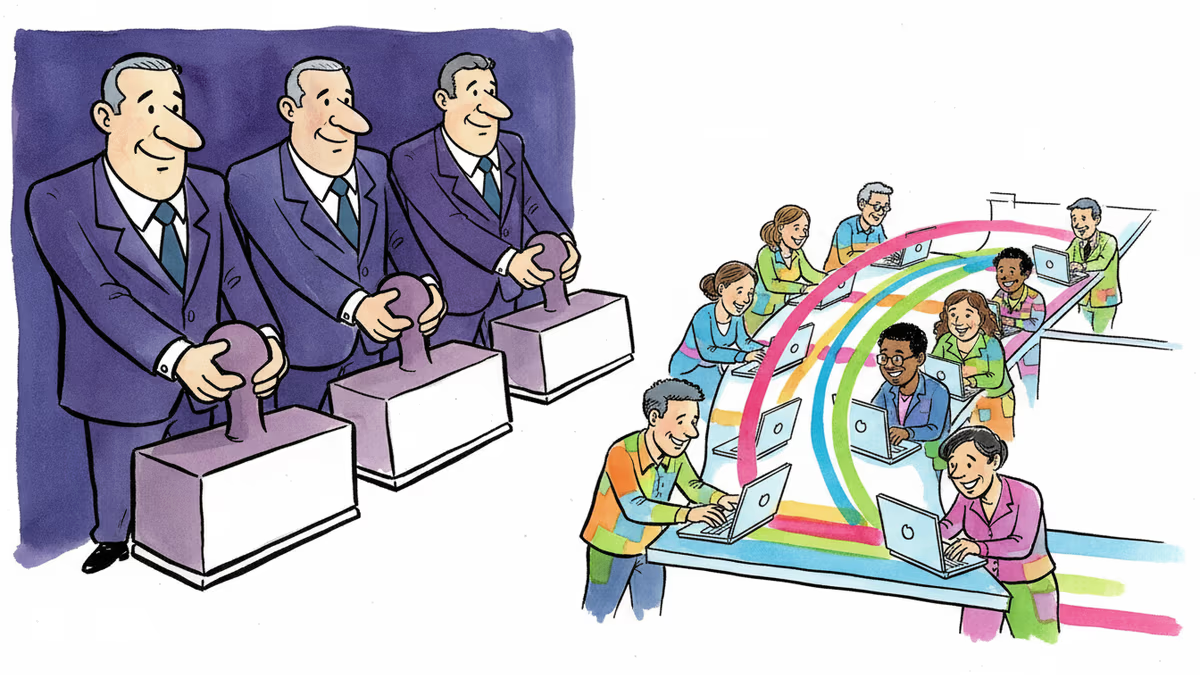
The Corporate Purge That Built a $2M Sex-Positive Empire
When Big Tech banned adult content, queer communities built their own platform. Batemates now serves 10,000 users willing to pay $18/month for authentic connection.
When Zoom Said No, They Built Their Own
Jaxon Roman's Wednesday night ritual involves eight strangers, zero clothes, and a pup hood. The 33-year-old Virginia program analyst isn't ashamed—he's part of a thriving community that Big Tech tried to erase.
When Skype shut down in May 2024 and Zoom started cracking down on adult content, thousands of men who practice communal masturbation—known as "bating"—suddenly found themselves digitally homeless. Their response? Build their own platform.
Batemates, launched by Parisian designer Johan Guams, now boasts nearly 10,000 paying subscribers at $17.99 per month. It's a remarkable case study in what happens when marginalized communities refuse to disappear quietly.
The Great Corporate Cleanup
The purge wasn't subtle. Microsoft's Teams prohibits "any images, videos, audio, text, or links that depict or imply nudity, sexual acts, sexual arousal." Zoom's guidelines ban "sensitive content" including "content intended to cause sexual arousal." Even Discord and Telegram tightened enforcement.
For the bating community—men who masturbate together online for stress relief, connection, and sexual expression—this represented more than inconvenience. It was digital gentrification.
"All the corporate tools were just banning us," Guams tells WIRED. "As members of the LGBTQ+ community, we had no space. I was really upset about the hypocrisy of the situation, especially when this is something everybody does."
The timing wasn't coincidental. As platforms faced increased scrutiny over content moderation, adult content became an easy sacrifice. But communities that had flourished during Covid lockdowns—when virtual intimacy became essential—weren't about to vanish.
Building Beyond the Ban

Batemates operates like a professional platform with amateur heart. Users create detailed profiles, join themed rooms (leather, verbal, toys), and participate in mandatory-camera sessions. No lurking allowed—a rule that distinguishes it from anonymous alternatives.
The platform's success metrics tell a story of unmet demand: 32-person room capacity (though most prefer smaller groups), 50% users of color (thanks to ethnicity filters that mainstream platforms abandoned), and a user base primarily aged 30-50.
"Everyone is participating," says Puppaluffagus, a Missouri software developer who uses his online persona professionally. "At this point, I use Batemates more than I use BateWorld."
The platform's growth coincides with "gooning" entering mainstream culture—a practice of prolonged masturbation that creates meditative, euphoric states. What started on forums like 4chan now appears in Harper's magazine and TikTok discussions.
The Economics of Exclusion
Guams' business model reveals something fascinating about digital exile: when you can't rely on free platforms, people will pay premium prices for authentic community.
At $155 annually, Batemates costs more than Netflix, Spotify, and Disney+ combined. Yet it's approaching $2 million in annual revenue—proof that intimacy and belonging command premium pricing when mainstream options disappear.
The platform uses third-party verification (Shufti Pro) and content moderation (Besedo) to maintain safety standards that rival corporate platforms. It's professionalization born from necessity.
The Moderation Paradox
Batemates faces the same content challenges that drove Big Tech's restrictions. How do you moderate intimate spaces without destroying their essence? How do you verify age without compromising privacy?
Their solution involves mandatory ID verification, real-time monitoring, and community self-policing. Room moderators can require face-showing. Users police each other against "lurking" behavior.
It's more restrictive than the anonymous forums many users fled, yet participants report feeling safer. The paradox of intimate digital spaces: sometimes more rules create more freedom.
Authors
Related Articles
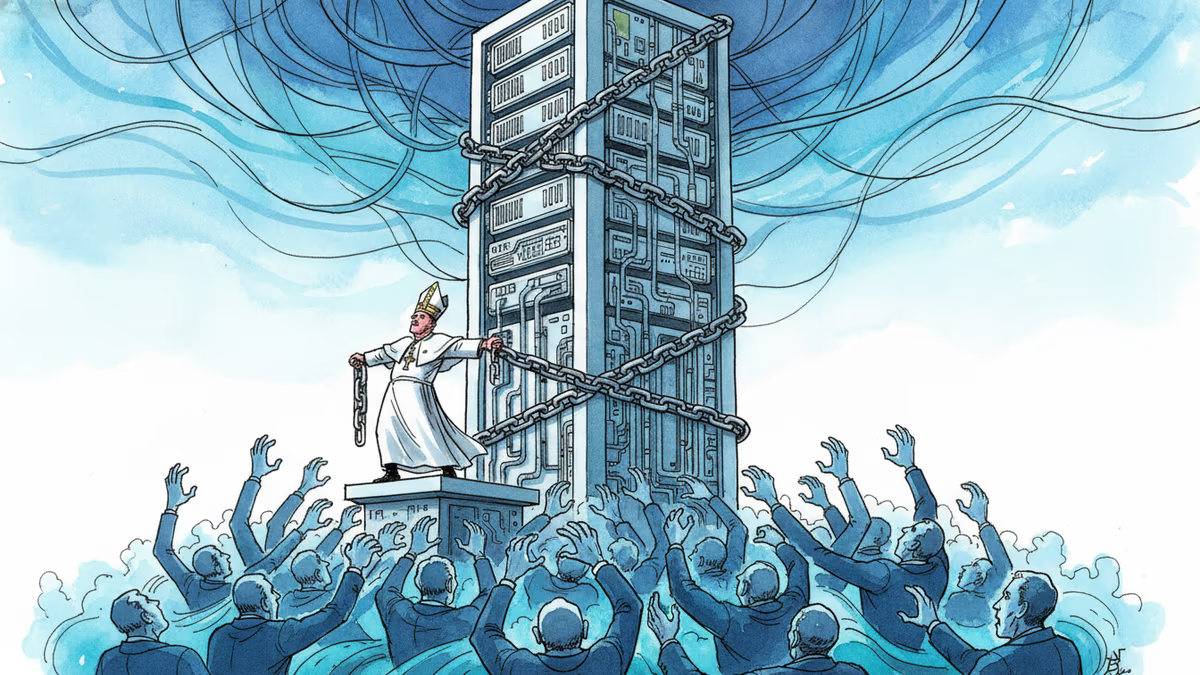
Pope Leo XIV's first encyclical frames AI not as a technology problem but a power problem. Who controls the algorithm controls reality—and that's a political question, not a spiritual one.
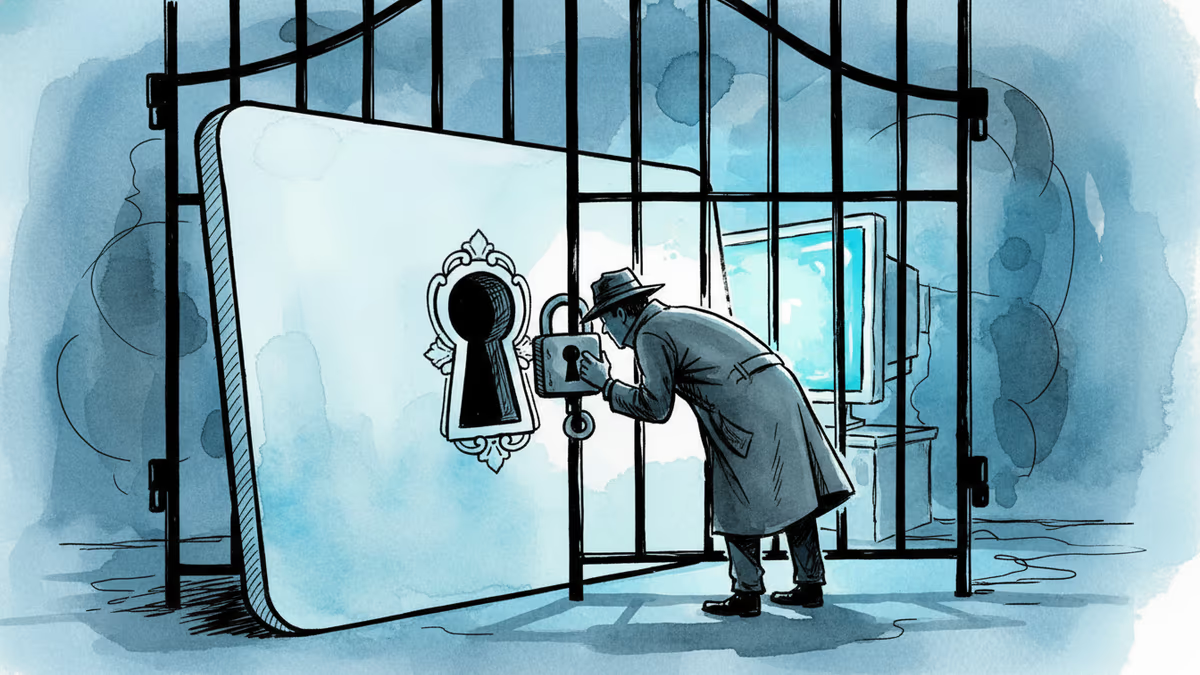
Wisconsin Governor Tony Evers vetoed an age verification bill for adult sites, citing privacy concerns. With 25+ states going the other way, the debate cuts to the heart of online freedom vs. child protection.

For Iranian diaspora families, digital communication isn't convenience—it's survival. What happens when staying connected becomes a political act?
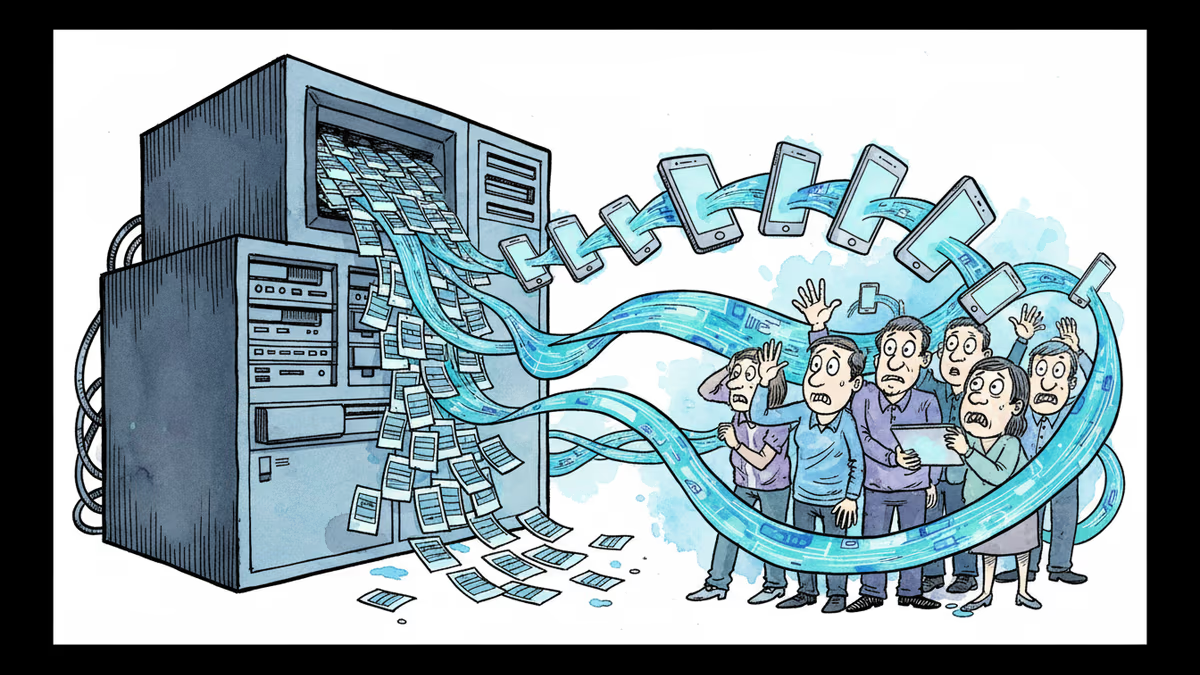
A 53-year-old government report predicted today's digital privacy crisis with uncanny accuracy. Why tech leaders are suddenly revisiting this forgotten document.
Pope Leo XIV's first encyclical frames AI not as a technology problem but a power problem. Who controls the algorithm controls reality—and that's a political question, not a spiritual one.
Wisconsin Governor Tony Evers vetoed an age verification bill for adult sites, citing privacy concerns. With 25+ states going the other way, the debate cuts to the heart of online freedom vs. child protection.
For Iranian diaspora families, digital communication isn't convenience—it's survival. What happens when staying connected becomes a political act?
A 53-year-old government report predicted today's digital privacy crisis with uncanny accuracy. Why tech leaders are suddenly revisiting this forgotten document.
Thoughts
Share your thoughts on this article
Sign in to join the conversation