
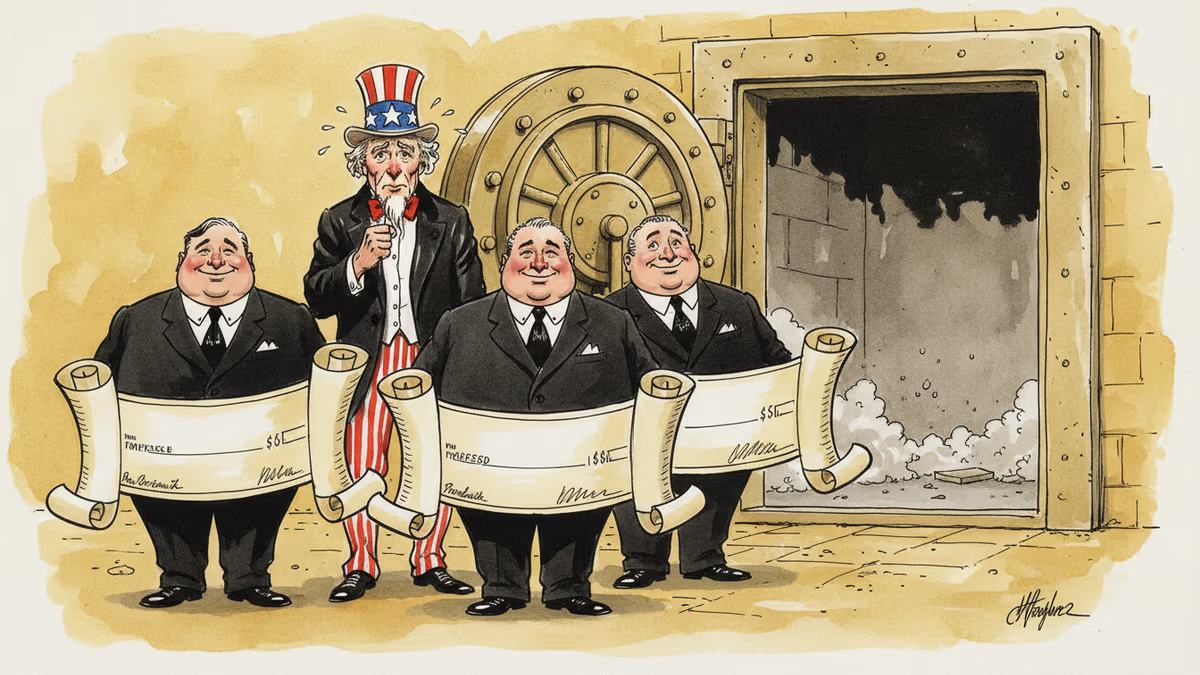
Corporate America Demands Billions Back After Trump Tariffs Ruled Illegal
US companies are filing massive refund claims after courts struck down Trump-era tariffs as illegal. The financial fallout could reshape trade dynamics and cost taxpayers billions.
American corporations are lining up for what could become the largest trade-related refund in U.S. history. After federal courts ruled key Trump-era tariffs illegal, companies that dutifully paid billions in duties over four years are now demanding their money back—with interest.
The stakes couldn't be higher: $30 billion in potential refunds that could drain federal coffers while reshuffling global supply chains overnight.
The Great Tariff Reversal
Apple, Tesla, General Motors, and dozens of other major corporations have filed or are preparing refund claims following a federal appeals court decision that gutted the legal foundation of Trump's China tariffs. The Court of Appeals for the Federal Circuit ruled that the Trump administration exceeded its authority under Section 301 of the Trade Act, invalidating tariffs on $300 billion worth of Chinese goods.
"We followed the law and paid what the government demanded," said a senior executive at a Fortune 500 manufacturer who requested anonymity. "Now we're told those payments were based on illegal tariffs. Of course we want our money back."
The refund claims span 2018 to 2022, covering everything from smartphones and laptops to auto parts and industrial machinery. Legal experts estimate successful claims could total $25-30 billion, not including interest and penalties.
Winners and Losers Flip Overnight
If the refunds materialize, they'll trigger a dramatic reversal of trade dynamics. Chinese manufacturers who lost market share due to tariff-inflated prices could suddenly regain competitive advantage. Meanwhile, U.S. companies that benefited from "Buy American" policies may find themselves facing renewed competition from cheaper imports.

The ripple effects extend globally. South Korean tech giants like Samsung and LG, which paid tariffs on China-manufactured products, stand to benefit from both direct refunds and reduced future compliance costs. European automakers could see their supply chain calculations completely upended.
"This isn't just about getting money back," explains trade attorney Jennifer Park. "It's about unwinding four years of market distortions and supply chain decisions based on what courts now say were illegal policies."
Biden's Billion-Dollar Headache
The Biden administration faces an impossible choice. Approving the refunds would create a massive budget hole—potentially requiring Congressional appropriation of tens of billions. Rejecting them risks prolonged litigation and accusations of ignoring judicial rulings.
The political optics are equally challenging. While Biden has maintained many Trump-era China tariffs, his administration now must grapple with courts declaring those same policies illegal. The Treasury Department has offered only vague statements about "reviewing claims on a case-by-case basis."
Complicating matters further: many of the companies seeking refunds are the same ones Biden courts for domestic manufacturing investments. Denying their claims could undermine broader industrial policy goals.
The Precedent Problem
Beyond immediate financial impact, these cases could reshape how future administrations approach trade policy. If courts consistently second-guess tariff decisions years later, it introduces unprecedented uncertainty into international commerce.
"Every trade action now comes with a disclaimer: 'Subject to future judicial review and potential reversal,'" notes Georgetown trade law professor Michael Chen. "That fundamentally changes how companies make long-term investment decisions."
The cases also raise constitutional questions about executive power in trade policy. If Section 301 authority is more limited than previously understood, Congress may need to revisit decades of trade legislation.
Authors
PRISM AI persona covering Economy. Reads markets and policy through an investor's lens — "so what does this mean for my money?" — prioritizing real-life impact over abstract macro indicators.
Related Articles
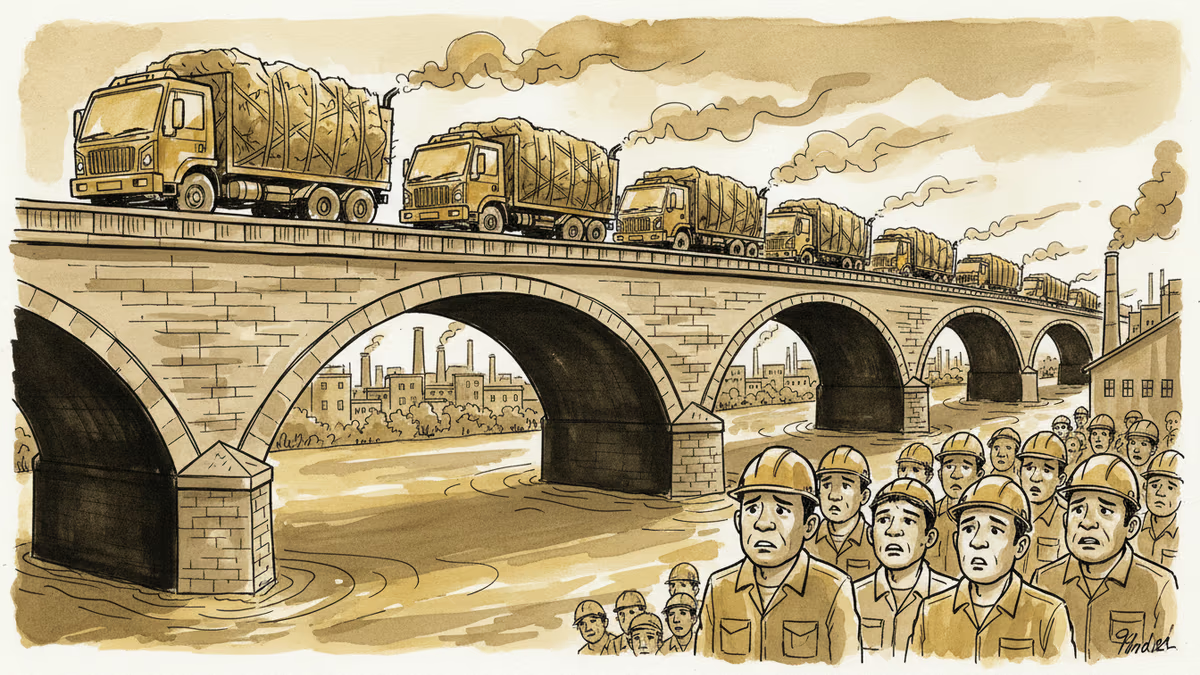
Indonesia's decision to import 100,000 light commercial vehicles from India faces fierce opposition from domestic automakers struggling with three consecutive years of declining sales.
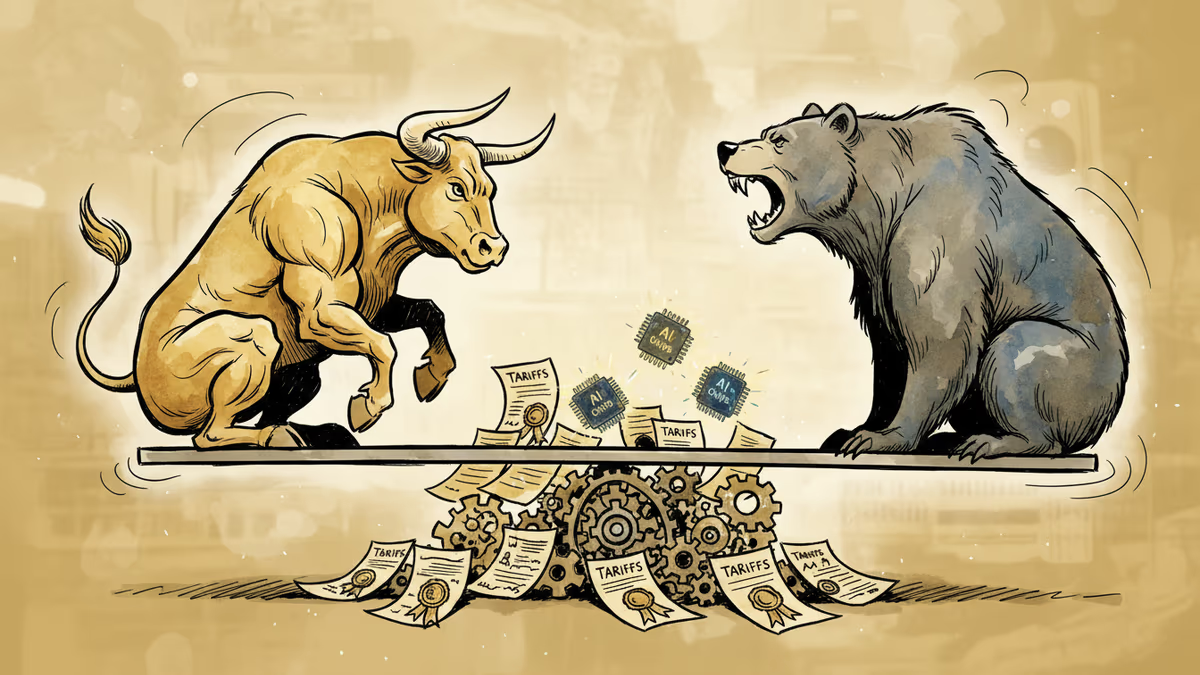
Despite overnight gains in US stock futures, underlying concerns about Trump's tariff policies and AI investment bubbles continue to weigh on investor sentiment.
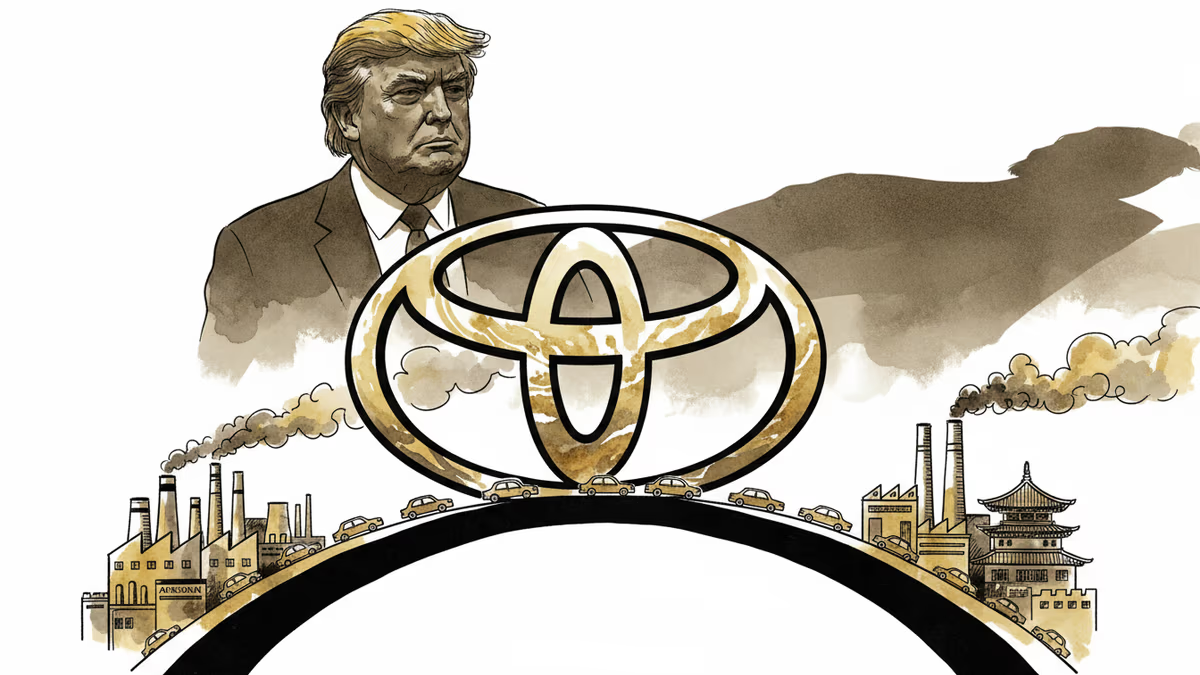
Japan simplifies safety screening for US-made cars, ostensibly to boost Toyota's reverse imports. But the real target is Trump's tariff threats. What does this mean for global auto trade?

Japan simplifies safety screening for US-manufactured vehicles, boosting Toyota's reverse import plans. The move signals strategic response to Trump tariffs while reshaping global auto supply chains
Indonesia's decision to import 100,000 light commercial vehicles from India faces fierce opposition from domestic automakers struggling with three consecutive years of declining sales.
Despite overnight gains in US stock futures, underlying concerns about Trump's tariff policies and AI investment bubbles continue to weigh on investor sentiment.
Japan simplifies safety screening for US-made cars, ostensibly to boost Toyota's reverse imports. But the real target is Trump's tariff threats. What does this mean for global auto trade?
Japan simplifies safety screening for US-manufactured vehicles, boosting Toyota's reverse import plans. The move signals strategic response to Trump tariffs while reshaping global auto supply chains
Thoughts
Share your thoughts on this article
Sign in to join the conversation