

Intel Q4 2025 Earnings and Consumer Chip Shortage: The AI Trade-off
Intel's Q4 2025 earnings reveal a 9% jump in AI products but a 7% slump in PC chips. Supply chain constraints may lead to a shortage of the upcoming Panther Lake processors.
Intel's caught in a high-stakes balancing act. According to Reuters, the tech giant reported its Q4 2025 earnings yesterday, showing a slight dip in annual revenue from $53.1 billion to $52.9 billion. While quarterly revenue fell 4% to $13.7 billion, it actually hit the high end of their own guidance, suggesting things aren't as grim as they look on the surface.
Deep Dive into Intel Q4 2025 Earnings and Consumer Chip Shortage
The numbers tell a story of two different worlds. Intel's Data Center and AI division is booming, up 9% for the quarter. Meanwhile, the Client Computing Group—the folks making your Core processors and Arc GPUs—saw a 7% decline. It's clear that while enterprises are hungry for AI silicon, the average PC buyer is keeping their wallet shut.

The Panther Lake Problem: Higher Prices Ahead?
This supply bind is bad news for gamers and prosumers. As Intel gears up to launch the Core Ultra Series 3 (codenamed Panther Lake), executives admitted they're allocating limited chip supply to the divisions that actually make money. Don't be surprised if we see significant shortages or price hikes when these new consumer processors finally hit the shelves.
Authors
Related Articles

Huawei's CANN is open source under a license barring software for non-Ascend chips. Inside China's second CUDA, and the two links still outside it: pre-training compute and 5nm capacity.
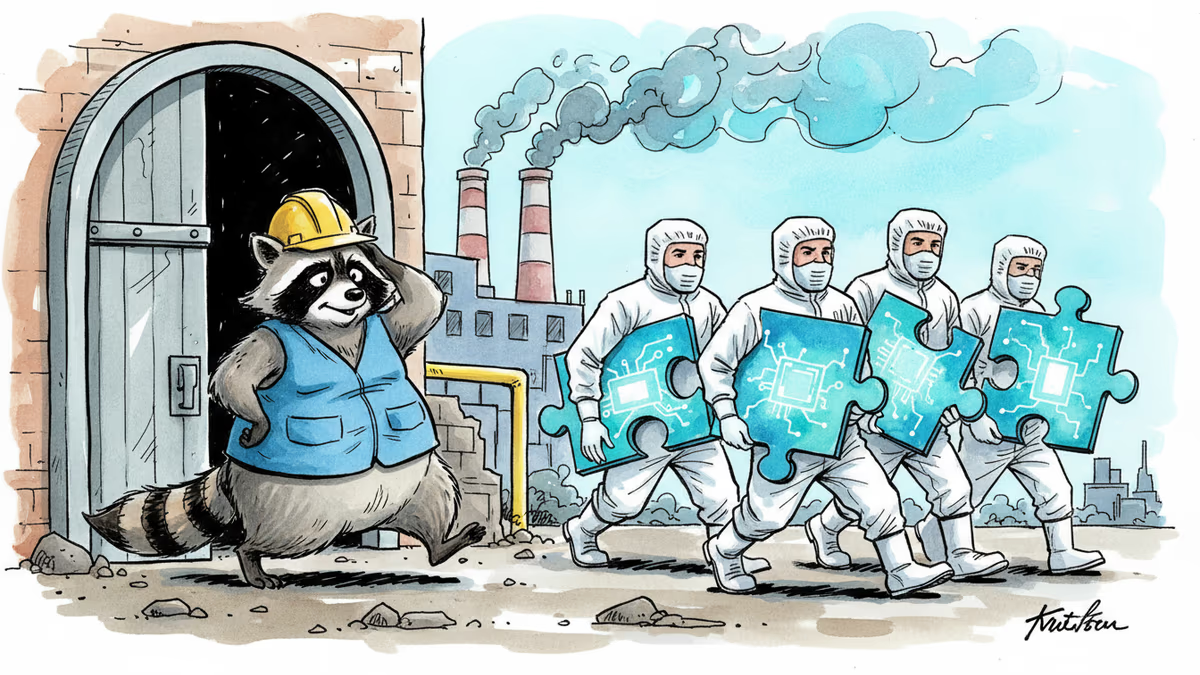
Cerebras Systems IPO yields a $5.3 billion return for Benchmark. Explore the 8.5-year journey from a reluctant first meeting to challenging Nvidia's AI dominance.
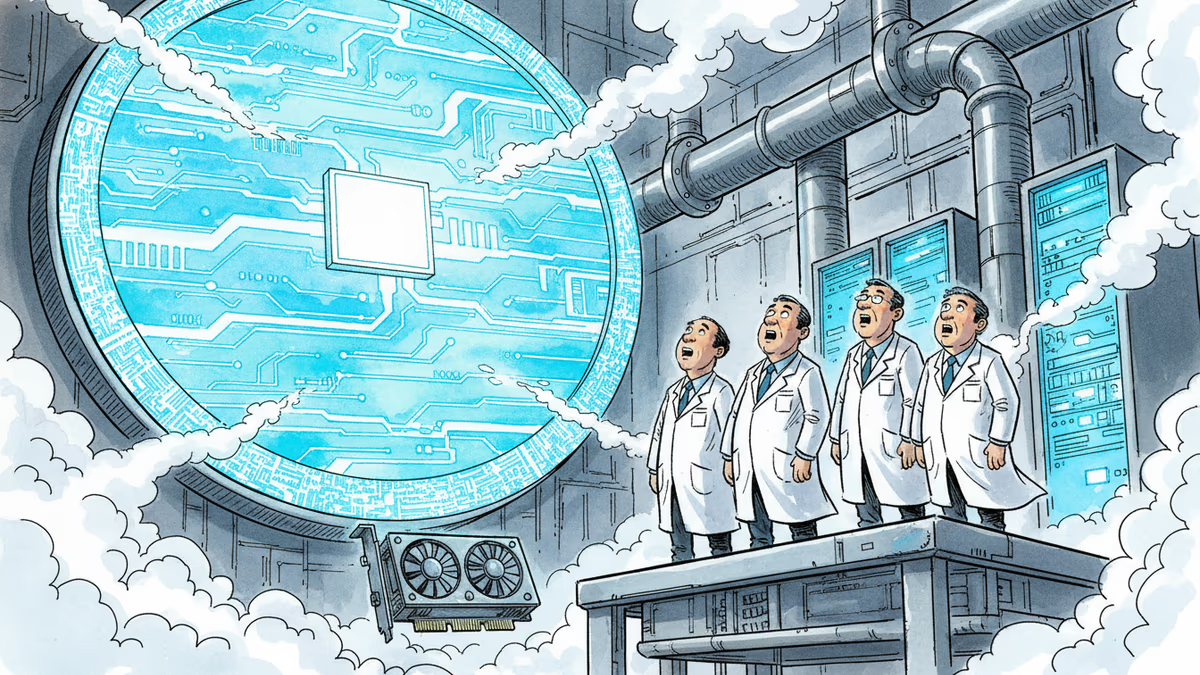
Intel's revived New Mexico fab is betting on advanced chip packaging to challenge TSMC and capture AI market share. Here's why this quiet technology could matter more than the chips themselves.

Arm's first in-house chip, the AGI CPU, breaks a 30-year licensing model. What happens when the company that powers your chip decides to sell one of its own?
Huawei's CANN is open source under a license barring software for non-Ascend chips. Inside China's second CUDA, and the two links still outside it: pre-training compute and 5nm capacity.
Cerebras Systems IPO yields a $5.3 billion return for Benchmark. Explore the 8.5-year journey from a reluctant first meeting to challenging Nvidia's AI dominance.
Intel's revived New Mexico fab is betting on advanced chip packaging to challenge TSMC and capture AI market share. Here's why this quiet technology could matter more than the chips themselves.
Arm's first in-house chip, the AGI CPU, breaks a 30-year licensing model. What happens when the company that powers your chip decides to sell one of its own?
Thoughts
Share your thoughts on this article
Sign in to join the conversation