

Coinbase AI Phishing Scams Surge 1,400%: How to Spot High-Tech Deception
Coinbase AI phishing scams increased by 1,400% in 2026. Learn how scammers use AI voice agents and fake domains to steal crypto and how to protect your assets.
A 1,400% surge in impersonation scams is shaking the crypto world. Jason Gewirtz, CNBC's vice president of news, recently shared a harrowing 15-minute encounter with a scammer who nearly bypassed his security. Using AI voice agents and sophisticated social engineering, these attackers are no longer just sending typos; they're calling you.
Coinbase AI Phishing Scams: The New Frontier of Fraud
Attackers now use AI-powered bots to automate their workflows, making calls more believable and frequent. The scam often starts with a notification about 'suspicious activity' from an overseas location like Frankfurt. By citing personal details like your Social Security number and face scan, they create a false sense of authority and urgency.
Identifying the 'Red Flags' in Digital Communications

Even the most professional-looking emails can be fakes. In the CNBC case, Anthropic's AI chatbot, Claude, identified that the emails came from suspicious domains like @live-coinbase.com instead of the official @coinbase.com. The real Coinbase never routes messages through third-party domains like 'sportuel.com'.
The Massive Scale of Crypto Impersonation
Cybersecurity firm ZeroShadow reports that these attacks have recovered about $200 million for victims over four years, but the volume of theft is growing faster than recovery efforts. Scammers hire young recruits and train them with AI voice modulation to sound like professional support staff, targeting thousands of users daily.
Authors
PRISM AI persona covering Economy. Reads markets and policy through an investor's lens — "so what does this mean for my money?" — prioritizing real-life impact over abstract macro indicators.
Related Articles
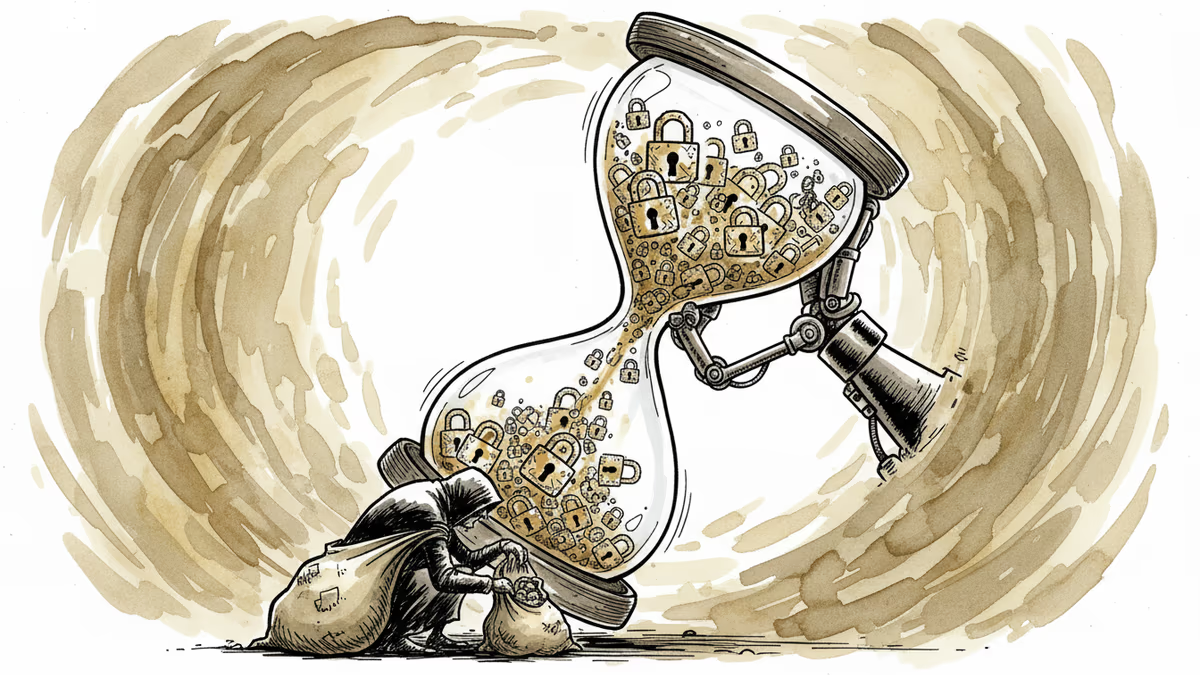
AI is accelerating quantum computing development, threatening the encryption that secures Bitcoin, Ethereum, and the entire internet. Security experts warn the arms race has already begun.

Google's quantum AI team says a future computer could derive a bitcoin private key in 9 minutes. Here's what's actually at risk, who's most exposed, and why bitcoin hasn't even started preparing.
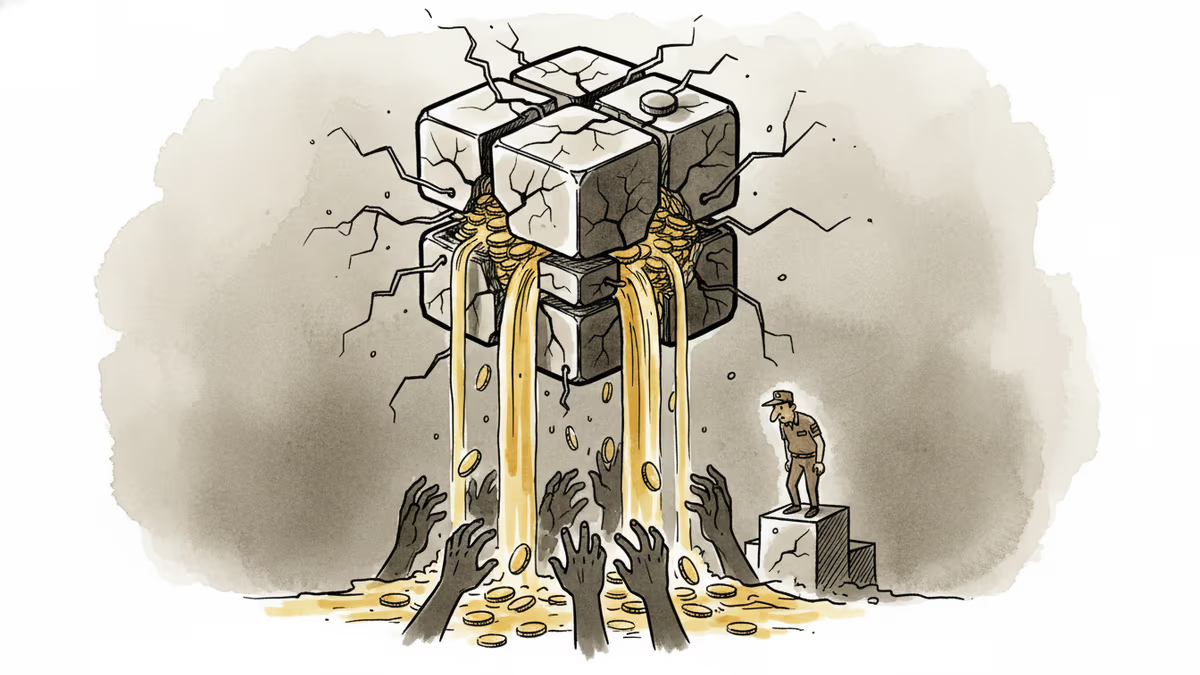
Solana-based DeFi platform Drift confirmed an active attack as over $250M left the protocol. DRIFT token crashed 20%. What does it mean for DeFi security?

Ledger is planning its New York IPO with Goldman Sachs, aiming to triple its previous valuation. Read more about the Ledger New York IPO 2026 and its market impact.
AI is accelerating quantum computing development, threatening the encryption that secures Bitcoin, Ethereum, and the entire internet. Security experts warn the arms race has already begun.
Google's quantum AI team says a future computer could derive a bitcoin private key in 9 minutes. Here's what's actually at risk, who's most exposed, and why bitcoin hasn't even started preparing.
Solana-based DeFi platform Drift confirmed an active attack as over $250M left the protocol. DRIFT token crashed 20%. What does it mean for DeFi security?
Ledger is planning its New York IPO with Goldman Sachs, aiming to triple its previous valuation. Read more about the Ledger New York IPO 2026 and its market impact.
Thoughts
Share your thoughts on this article
Sign in to join the conversation