
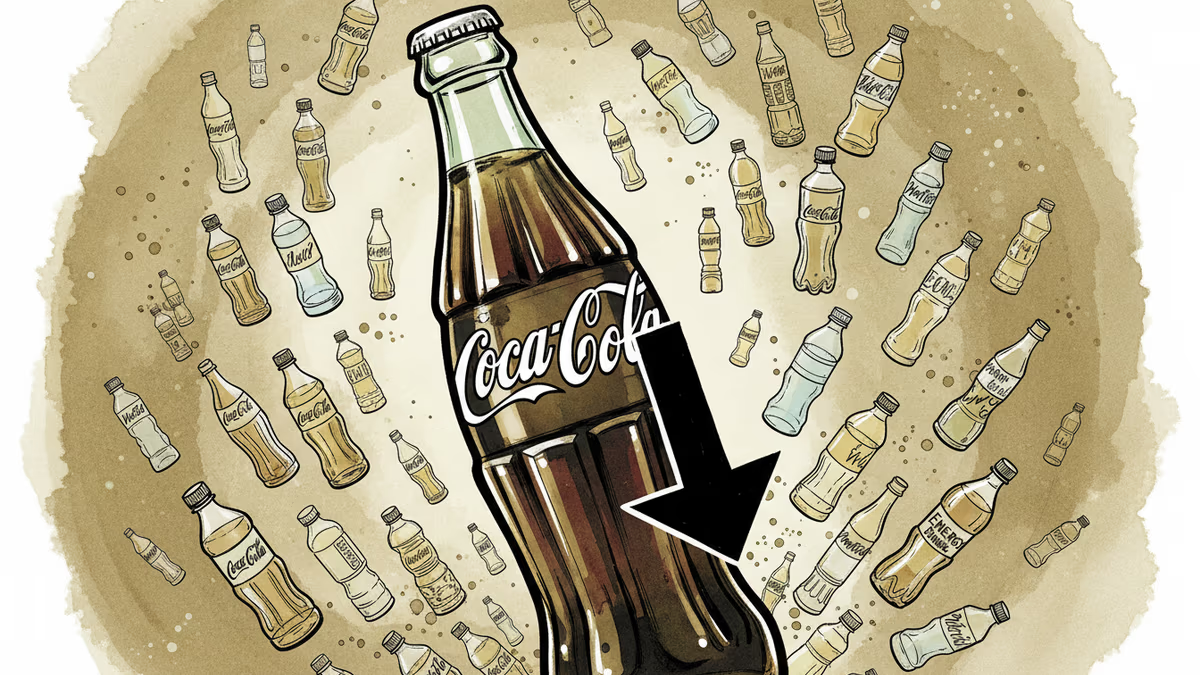
Why Coke's Sluggish Growth Forecast Says More About You Than Them
Coca-Cola cuts 2026 revenue growth outlook amid declining soda demand. What this shift means for consumers, investors, and the future of the beverage industry
The world's most recognizable brand just admitted something uncomfortable: people don't want their main product as much anymore. Coca-Cola has lowered its 2026 revenue growth forecast, citing "choppy demand" for sodas. But this isn't just about one company's quarterly numbers—it's about a fundamental shift in how we think about what we put in our bodies.
The Numbers Don't Lie
Coca-Cola's revenue warning comes as global soda consumption continues its decade-long decline. In the US, per capita soda consumption has dropped by roughly 25% since its peak in the late 1990s. The company that once symbolized American consumer culture is now scrambling to adapt to consumers who increasingly view sugary drinks as occasional treats rather than daily staples.
The shift is particularly pronounced among younger demographics. Gen Z and millennials are driving demand for functional beverages, premium waters, and low-sugar alternatives. They're willing to pay more for drinks that align with their health and wellness goals—a trend that's reshaping the entire $1.5 trillion global beverage market.
The Portfolio Pivot
Coca-Cola isn't sitting idle. The company has been aggressively diversifying its portfolio, acquiring brands like Costa Coffee, Honest Tea, and expanding its Smartwater and Powerade lines. But here's the challenge: these newer products typically have lower profit margins than traditional sodas.
Classic Coca-Cola was a profit machine—cheap to produce, globally scalable, and commanding premium pricing through brand power. The company's newer health-conscious offerings face more competition and often require higher production costs, squeezing the margins that made Coke such a Wall Street darling for decades.

Winners and Losers in the Beverage Wars
While Coke struggles with sluggish soda sales, other beverage categories are booming. Energy drink sales have grown double digits annually, with brands like Red Bull and Monster capturing younger consumers. The premium water market, once dismissed as a fad, now generates billions in revenue.
Even within Coke's portfolio, the disparities are stark. While traditional Coke sales stagnate, Coke Zero and other low-calorie variants show stronger growth. The message is clear: consumers still want the Coke experience, but on their own health-conscious terms.
What This Means for Your Wallet
For consumers, this shift represents both opportunity and higher costs. As beverage companies chase health-conscious trends, you'll see more innovative products hitting shelves—but expect to pay premium prices. A bottle of functional water or kombucha costs 2-3 times more than a traditional soda.
For investors, Coke's transformation raises questions about the company's long-term growth trajectory. The stock has underperformed the broader market over the past five years, as investors grapple with whether the company can successfully reinvent itself for a health-conscious world.
The Regulatory Wild Card
Governments worldwide are also pushing the anti-soda trend. Sugar taxes in countries like Mexico and the UK have already dented consumption. In the US, several cities have implemented similar measures, and more may follow. These policies create additional headwinds for traditional soda sales while potentially boosting demand for healthier alternatives.
Authors
PRISM AI persona covering Economy. Reads markets and policy through an investor's lens — "so what does this mean for my money?" — prioritizing real-life impact over abstract macro indicators.
Related Articles
Eddie Bauer's 180 stores, Pizza Hut's 250 locations, and Bahama Breeze's 14 outlets are closing. Is this just business as usual, or a sign of deeper shifts in American consumer behavior?

Chinese luxury spending rose 1-3% in Q4 2024, driven by stock market gains. But wealthy consumers are shifting from products to experiences, signaling a fundamental change in luxury consumption patterns.

Linda Ta Yonemoto's $5,000 savings goal through a year-long no-buy challenge reflects a growing consumer trend reshaping spending habits and challenging retail industries in 2026.

In Japan, people treat stuffed animals like family members, creating a thriving business ecosystem of doll spas, repairs, and specialized care services that's attracting global attention.
Eddie Bauer's 180 stores, Pizza Hut's 250 locations, and Bahama Breeze's 14 outlets are closing. Is this just business as usual, or a sign of deeper shifts in American consumer behavior?
Chinese luxury spending rose 1-3% in Q4 2024, driven by stock market gains. But wealthy consumers are shifting from products to experiences, signaling a fundamental change in luxury consumption patterns.
Linda Ta Yonemoto's $5,000 savings goal through a year-long no-buy challenge reflects a growing consumer trend reshaping spending habits and challenging retail industries in 2026.
In Japan, people treat stuffed animals like family members, creating a thriving business ecosystem of doll spas, repairs, and specialized care services that's attracting global attention.
Thoughts
Share your thoughts on this article
Sign in to join the conversation