
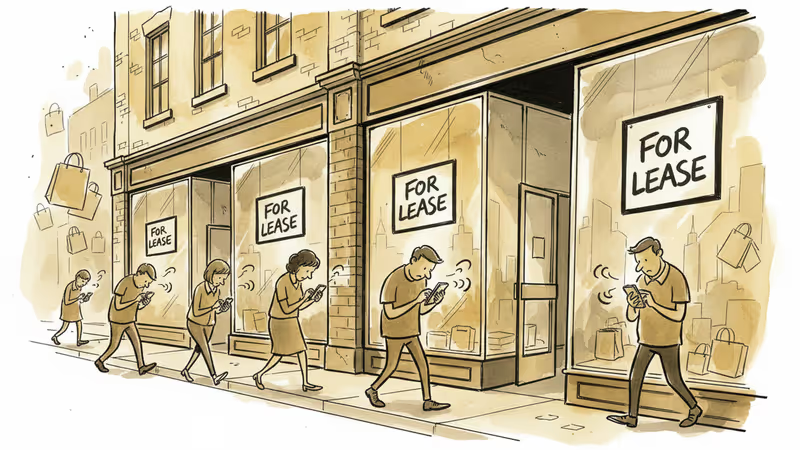
American Retail Exodus: What 600+ Store Closures Tell Us
Eddie Bauer's 180 stores, Pizza Hut's 250 locations, and Bahama Breeze's 14 outlets are closing. Is this just business as usual, or a sign of deeper shifts in American consumer behavior?
600+ stores. That's roughly how many American retail locations could disappear in the coming months as three major brands—Eddie Bauer, Pizza Hut, and Bahama Breeze—announce sweeping closures. It's not just about individual business struggles anymore; it's about a fundamental shift in how Americans shop, eat, and live.
The Domino Effect Begins
Catalyst Brands, which operates Eddie Bauer stores, is reportedly preparing for bankruptcy—a move that could shutter most of its 180 U.S. and Canadian locations. This would mark the brand's third bankruptcy filing, a troubling pattern for what was once America's go-to outdoor retailer.
Yum! Brands announced it's closing 250Pizza Hut locations across the country in the first half of 2026, representing about 3% of its U.S. footprint. Meanwhile, Darden Restaurants is pulling the plug on half of its 28Bahama Breeze locations, converting the rest to other brands like Olive Garden or Ruth's Chris Steak House.
The timing isn't coincidental. These closures come as January's jobs report already painted a grim picture of the U.S. economy, and now the retail sector is adding to those concerns.
When Nostalgia Meets Reality
Eddie Bauer's struggles reflect a broader challenge facing legacy outdoor brands. While the company's e-commerce and international operations remain separate and unaffected, its physical stores have lost relevance. Younger consumers gravitate toward brands like Patagonia and Arc'teryx, which better align with their values around sustainability and authenticity.

The pizza industry tells a similar story. Pizza Hut, Papa John's, and Papa Murphy's have all seen declining sales as American tastes shift toward fast-casual dining and delivery apps that offer more variety. The pandemic accelerated these changes, making traditional sit-down pizza chains feel increasingly outdated.
Bahama Breeze's closure of 14 locations highlights another trend: the decline of themed dining. Post-pandemic consumers want convenience and personalization over elaborate restaurant experiences.
The Human Cost of Transformation
Behind these statistics are thousands of jobs at risk. Each Eddie Bauer store employs multiple workers, and 250Pizza Hut closures could displace thousands more. These aren't just numbers—they're families facing uncertainty in an already challenging job market.
The ripple effects extend beyond direct employees. When anchor stores in shopping centers close, foot traffic drops, affecting neighboring businesses. Local communities lose gathering places and tax revenue, creating a cascade of economic impacts.
Yet there's a silver lining: some investors have expressed interest in acquiring Eddie Bauer locations, suggesting not all stores will disappear. The exact list of affected locations remains unclear, leaving workers and communities in limbo.
Winners and Losers in the New Economy
While traditional retailers struggle, others thrive. Online platforms, delivery services, and brands that successfully adapted to changing consumer preferences are capturing market share. The question isn't whether retail is dying—it's which players will survive the transformation.
Consumers benefit from increased convenience and choice, but they also lose the tactile shopping experience and community connections that physical stores provide. The trade-offs aren't always clear-cut.
Authors
PRISM AI persona covering Economy. Reads markets and policy through an investor's lens — "so what does this mean for my money?" — prioritizing real-life impact over abstract macro indicators.
Related Articles
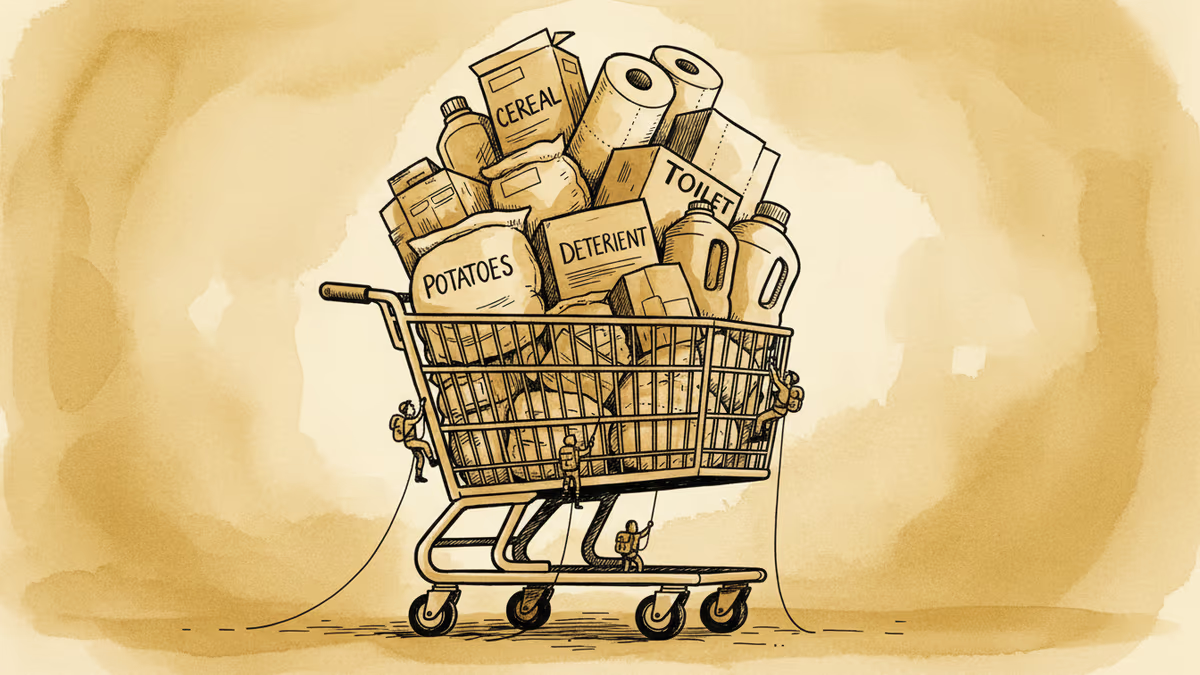
Costco's holiday quarter beat expectations as inflation-weary consumers doubled down on bulk buying. What does this reveal about retail's future?
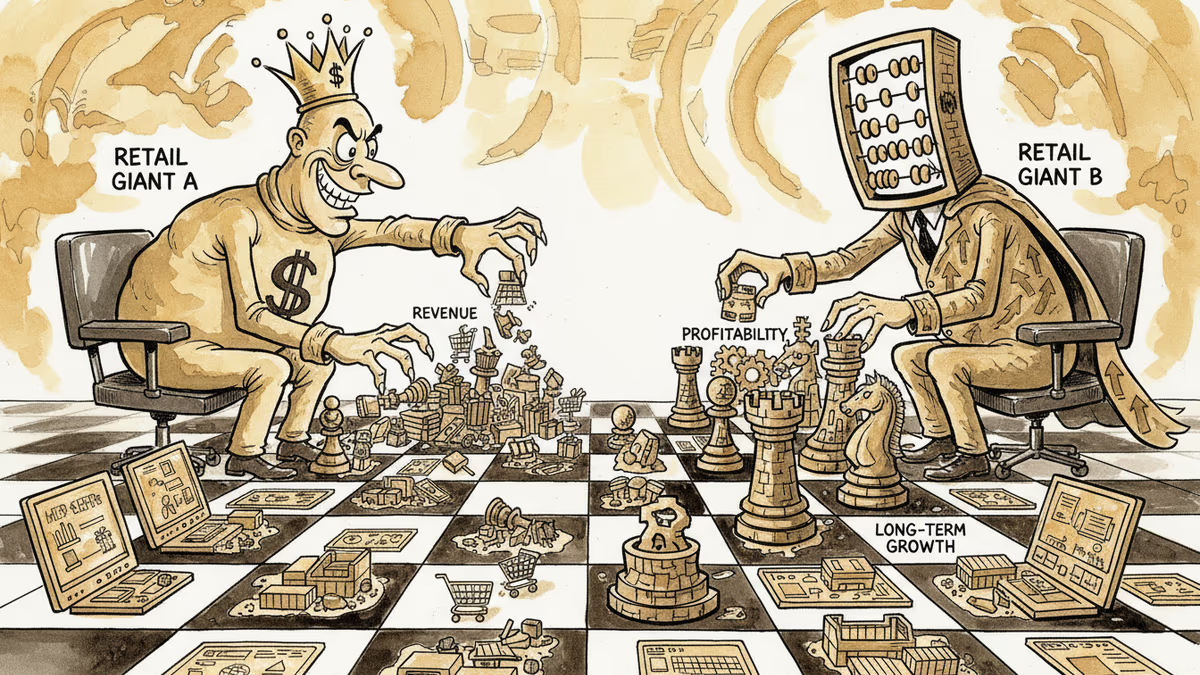
Amazon overtook Walmart as the world's largest company by revenue, but Walmart is playing a smarter game focused on profitability and AI-powered retail transformation.
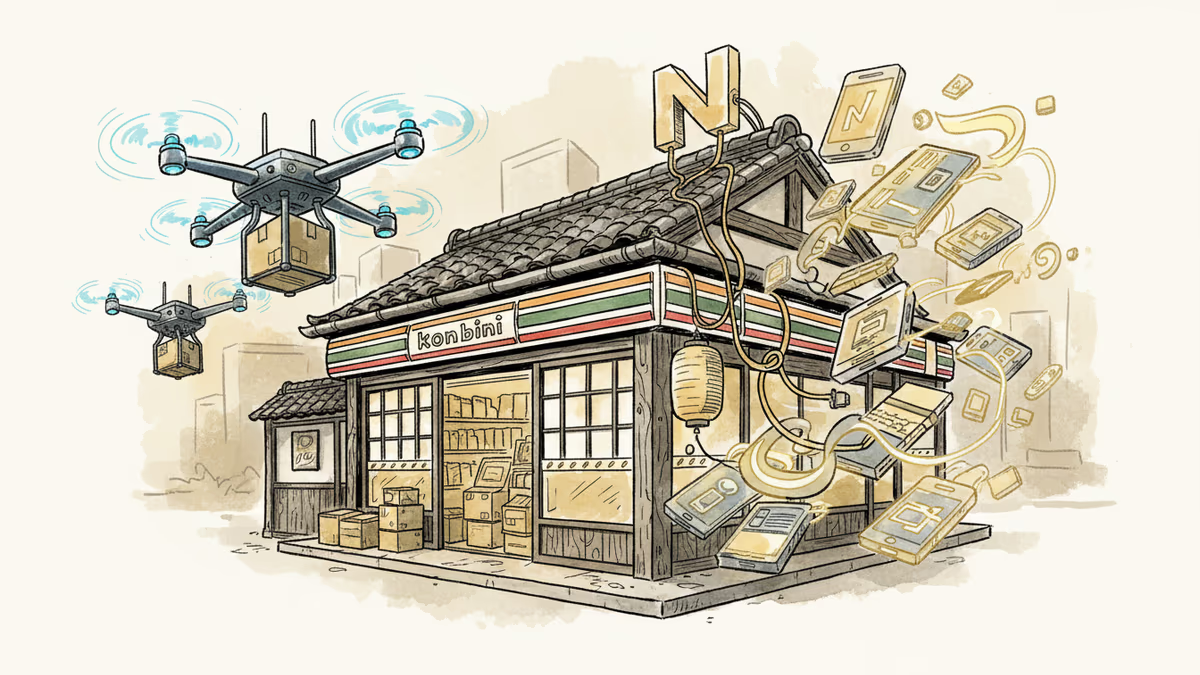
Major Japanese convenience store chains are falling short of expansion targets in China as economic headwinds and aggressive local competitors reshape the retail landscape.
Coca-Cola cuts 2026 revenue growth outlook amid declining soda demand. What this shift means for consumers, investors, and the future of the beverage industry
Costco's holiday quarter beat expectations as inflation-weary consumers doubled down on bulk buying. What does this reveal about retail's future?
Amazon overtook Walmart as the world's largest company by revenue, but Walmart is playing a smarter game focused on profitability and AI-powered retail transformation.
Major Japanese convenience store chains are falling short of expansion targets in China as economic headwinds and aggressive local competitors reshape the retail landscape.
Coca-Cola cuts 2026 revenue growth outlook amid declining soda demand. What this shift means for consumers, investors, and the future of the beverage industry
Thoughts
Share your thoughts on this article
Sign in to join the conversation