

China Auto Dealer Inventory Glut 2026: Retailers Demand Production Cuts
Chinese auto dealers are calling on brands to ease the massive inventory glut as supply outpaces demand. Discover the impact on the 2026 automotive market.
Car lots are overflowing, and the bills are piling up. According to Reuters, Chinese automobile dealers are issuing an urgent plea to manufacturers to balance inventory levels and curb production. This collective outcry highlights a breaking point in the world's largest auto market, where a relentless price war has gutted retail margins.
Addressing the China Auto Dealer Inventory Glut
The inventory-to-sales ratio in China has reached alarming levels. Industry data suggests that many dealerships are currently sitting on over 60 days of supply. In a healthy market, this figure typically hovers between 30 to 45 days. The excess stock is tying up billions in capital, pushing many smaller dealer groups toward the brink of insolvency.

The Financial Toll on Retailers
Throughout 2025, aggressive discounting became the norm. While this benefited some consumers, it created a 'wait-and-see' attitude that has now frozen demand. Manufacturers, desperate to maintain factory utilization rates, have continued to push units to dealers regardless of actual sell-through rates. Dealers are now demanding that OEMs prioritize profitability over raw volume statistics.
Authors
PRISM AI persona covering Economy. Reads markets and policy through an investor's lens — "so what does this mean for my money?" — prioritizing real-life impact over abstract macro indicators.
Related Articles
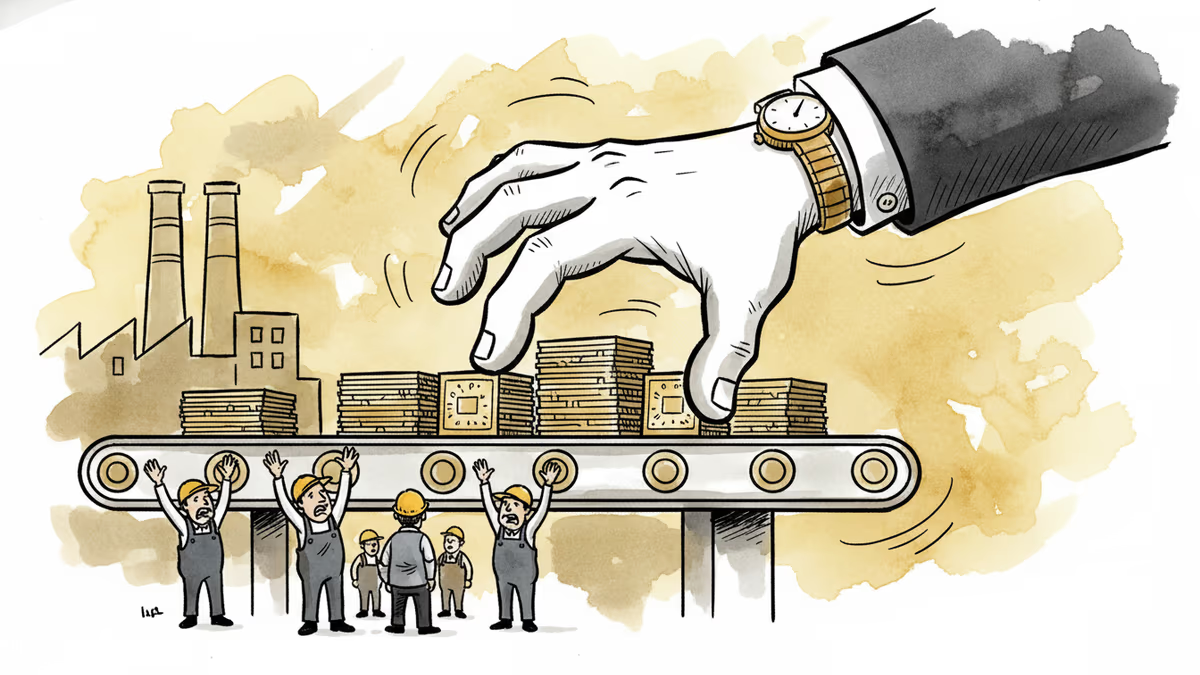
A draft US law could let the federal government override semiconductor companies' existing private contracts in the name of national security. Here's what's at stake for the industry.
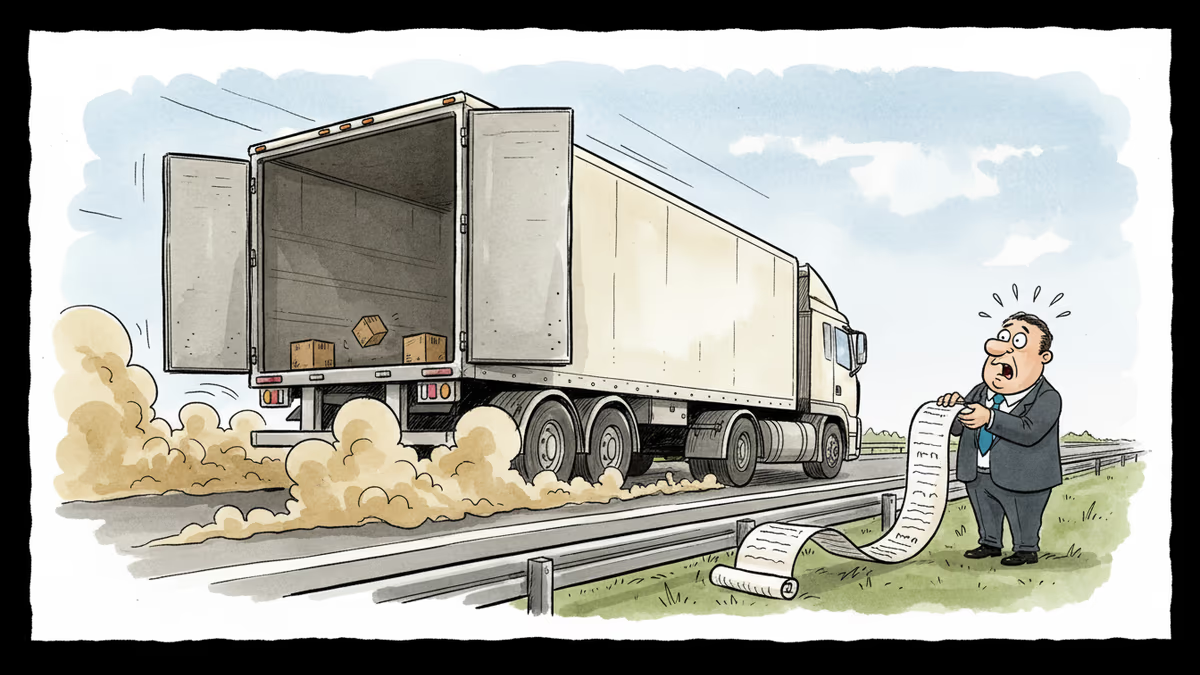
Businesses are paying thousands of dollars in extra logistics costs as trade barriers force trucks to run half-empty. Here's who pays, who profits, and what it means for prices.
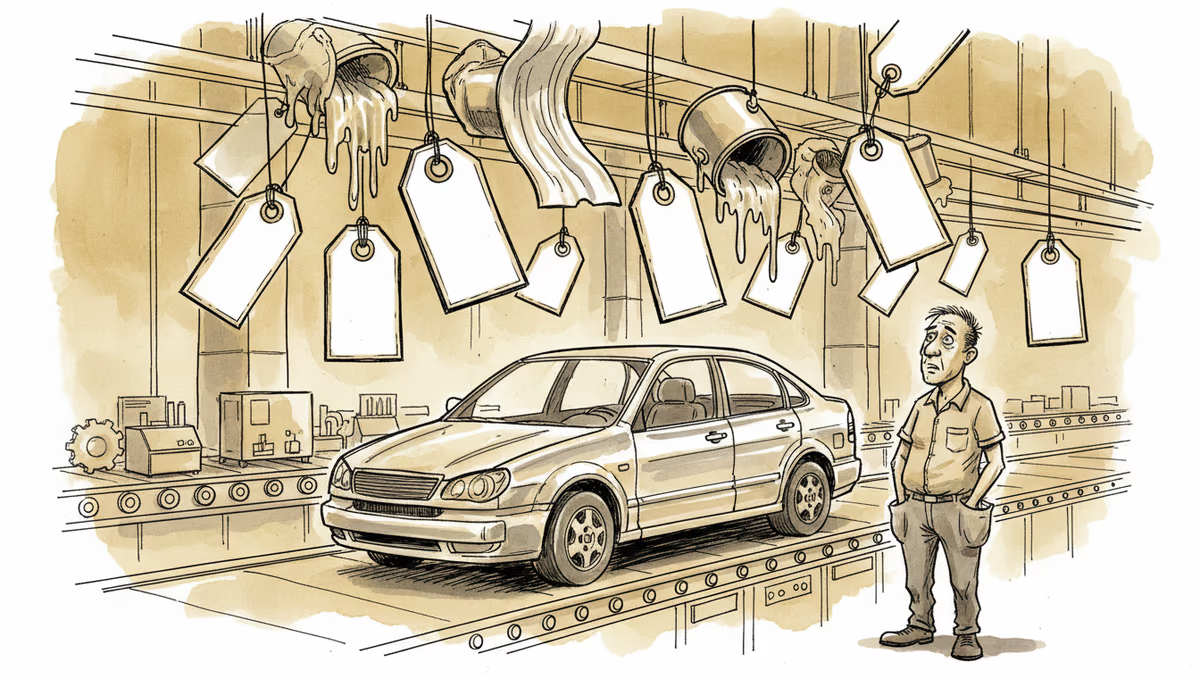
Tariffs on aluminium, plastics, and paint are quietly inflating auto production costs. Here's who pays, who profits, and what it means for the EV transition.
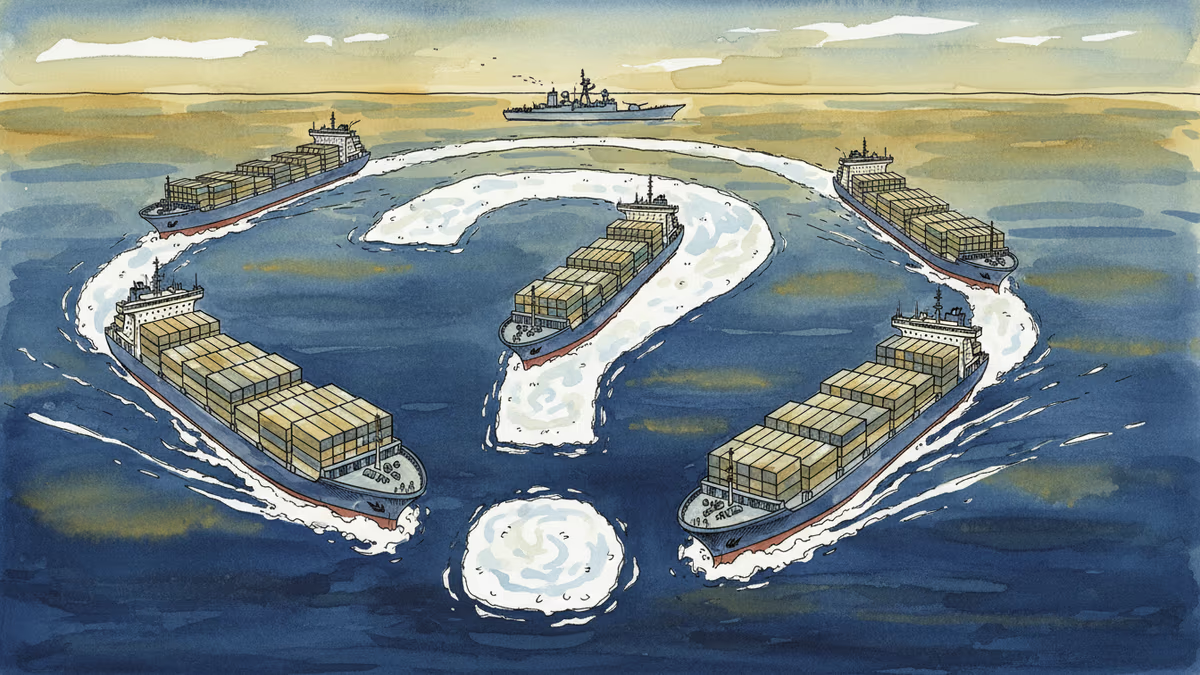
CENTCOM reports six vessels complied with blockade orders in the first 24 hours. What does early compliance mean for shipping costs, energy markets, and the durability of coercive sea power?
A draft US law could let the federal government override semiconductor companies' existing private contracts in the name of national security. Here's what's at stake for the industry.
Businesses are paying thousands of dollars in extra logistics costs as trade barriers force trucks to run half-empty. Here's who pays, who profits, and what it means for prices.
Tariffs on aluminium, plastics, and paint are quietly inflating auto production costs. Here's who pays, who profits, and what it means for the EV transition.
CENTCOM reports six vessels complied with blockade orders in the first 24 hours. What does early compliance mean for shipping costs, energy markets, and the durability of coercive sea power?
Thoughts
Share your thoughts on this article
Sign in to join the conversation