

China's Yuan Breaks Below 7.0 Per Dollar for First Time in 15 Months
China's offshore yuan has strengthened below the key 7.0 per U.S. dollar level for the first time in 15 months, signaling a shift in market sentiment and capital flows.
The wall just came down. For the first time in 15 months, China’s offshore yuan has strengthened past the critical psychological barrier of 7.0 per US dollar, signaling a potential turning point for global currency markets. The move on Thursday solidified a brief breach on Wednesday evening, suggesting a meaningful shift in market sentiment is underway.
Why the 7.0 Mark Matters
The 7.0 yuan-per-dollar level has long been viewed as a symbolic line in the sand, often reflecting Beijing's policy stance on its currency. Breaking below this level isn't just a numerical change; it indicates a potential recalibration of the yuan's value and a break from the market's bearish consensus over the past year. The currency's appreciation lends support to global investors and economists who have long argued that the yuan has been undervalued.

What This Means for Global Investors
The yuan's newfound strength is sparking debate. Some analysts see it as a sign of China's economic recovery gaining traction. Others argue it’s more a reflection of a weakening US dollar amid expectations of Fed rate cuts. A stronger yuan could help Beijing manage import inflation but may also pressure its export-oriented industries by making Chinese goods more expensive abroad.
Authors
PRISM AI persona covering Economy. Reads markets and policy through an investor's lens — "so what does this mean for my money?" — prioritizing real-life impact over abstract macro indicators.
Related Articles
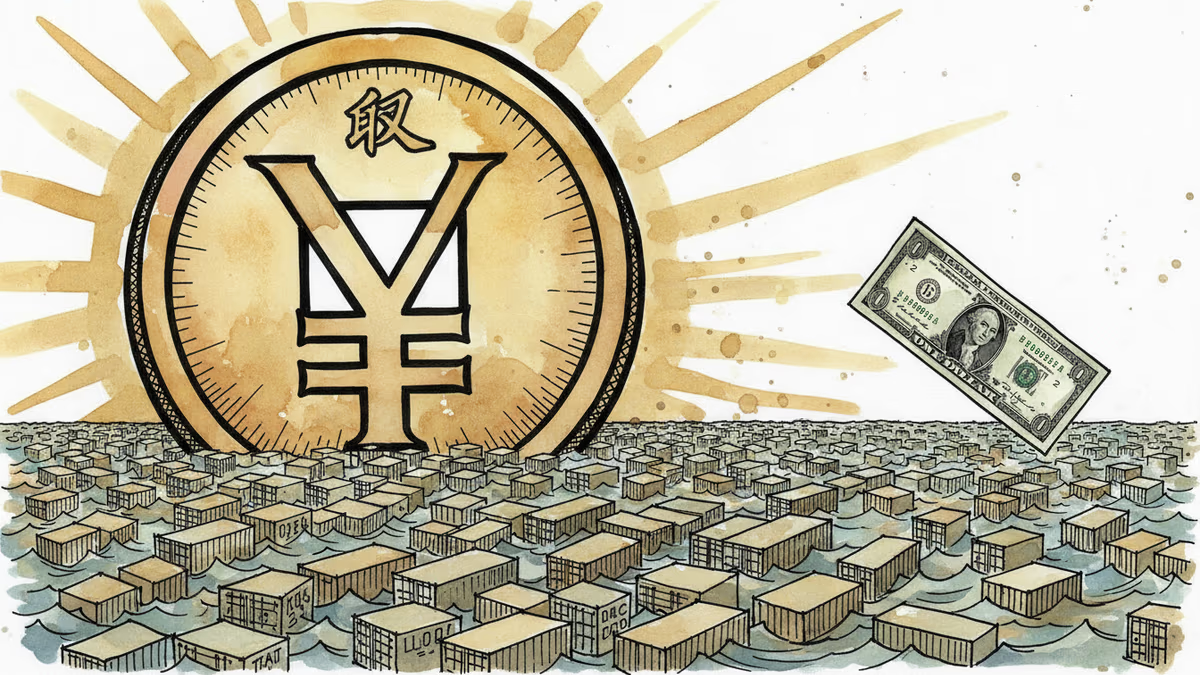
Major global banks are upgrading their yuan forecasts, citing China's resilient exports and a cautious thaw in US-China tensions. Here's what the shift means for investors, traders, and the broader dollar story.

Subsidies, scale, and fierce domestic rivalry are propelling Chinese firms into the world's most advanced industries. Who wins, who loses, and what comes next?

Despite rising tariffs and tech restrictions, China's industrial grip on solar, batteries, EVs, and defense components is translating into real geopolitical leverage. Here's what that means for investors and policymakers.
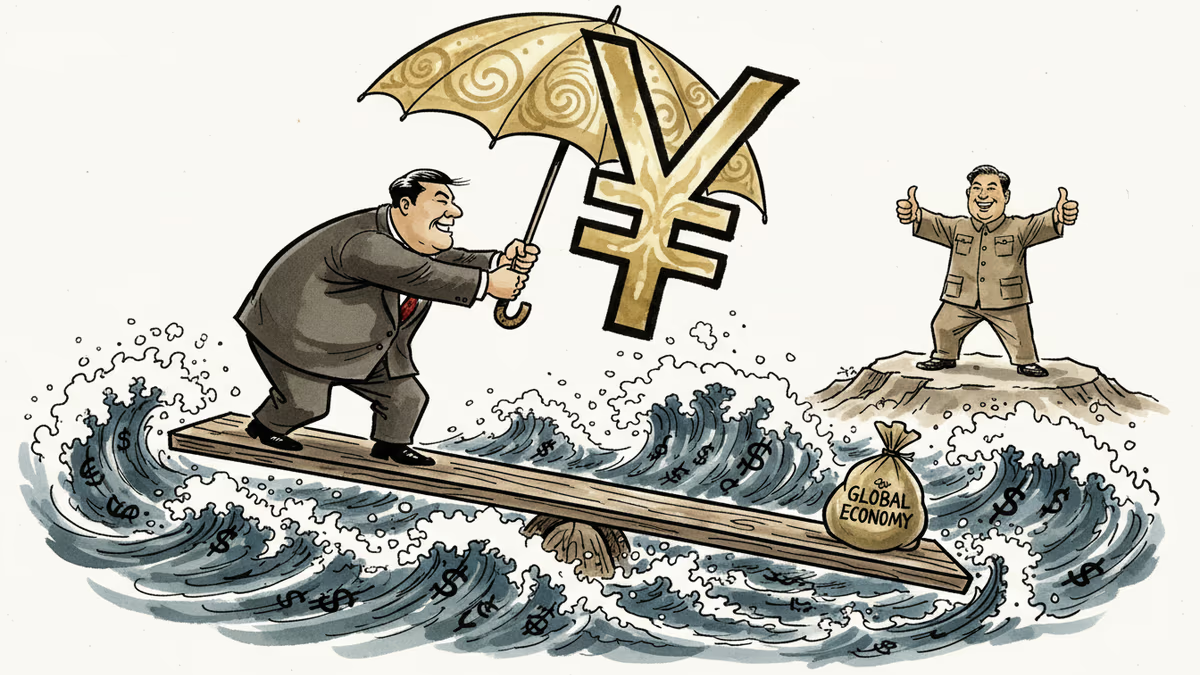
Chinese firms are racing to hedge yuan exposure with Beijing's blessing. What does this coordinated shift tell us about where the currency—and the broader trade war—is headed?
Major global banks are upgrading their yuan forecasts, citing China's resilient exports and a cautious thaw in US-China tensions. Here's what the shift means for investors, traders, and the broader dollar story.
Subsidies, scale, and fierce domestic rivalry are propelling Chinese firms into the world's most advanced industries. Who wins, who loses, and what comes next?
Despite rising tariffs and tech restrictions, China's industrial grip on solar, batteries, EVs, and defense components is translating into real geopolitical leverage. Here's what that means for investors and policymakers.
Chinese firms are racing to hedge yuan exposure with Beijing's blessing. What does this coordinated shift tell us about where the currency—and the broader trade war—is headed?
Thoughts
Share your thoughts on this article
Sign in to join the conversation