
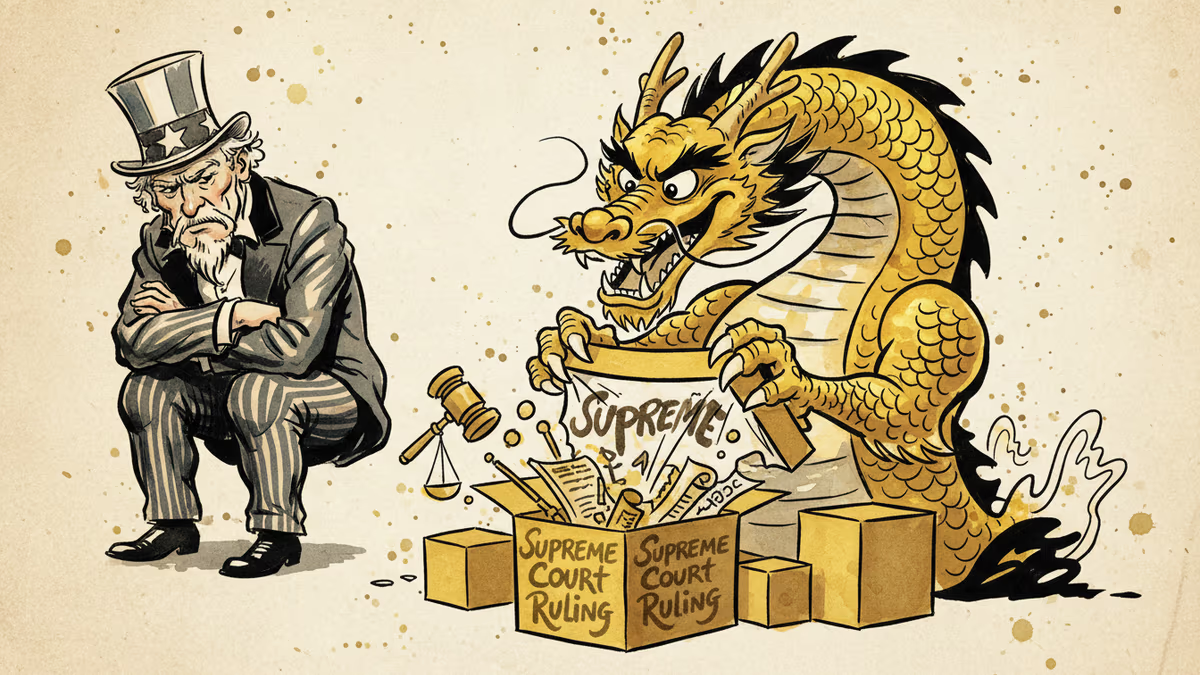
Why China's Smiling After Trump's Tariff Court Loss
China breaks Lunar New Year silence to demand US scrap all unilateral tariffs after Supreme Court ruling. Exporters see opportunity as trade war dynamics shift.
While most of the world was still nursing Lunar New Year hangovers, China's Commerce Ministry was already crafting its response. Just two days after the US Supreme Court invalidated Trump's "reciprocal" tariffs, Beijing delivered a calculated message: America should scrap all unilateral tariffs. The timing wasn't coincidental—it was strategic.
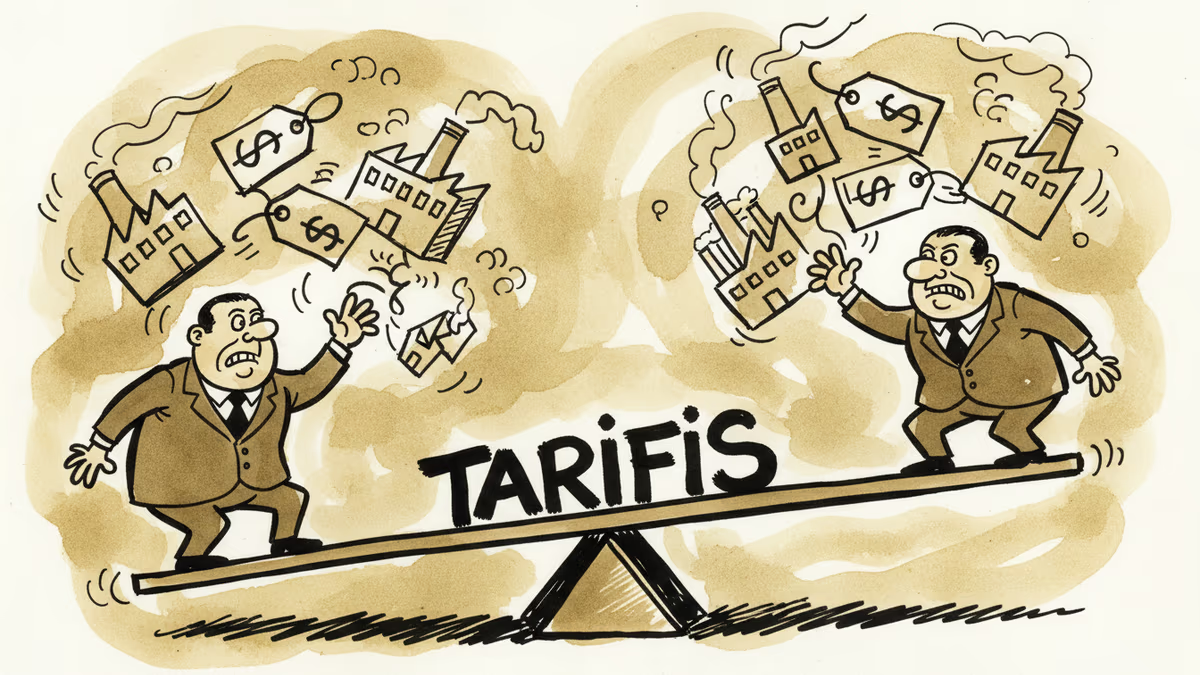
China's unusually swift response signals more than diplomatic courtesy. It's a chess move in what's shaping up to be Trade War 2.0, with Beijing sensing an opening in Trump's armor.
The Numbers Game Behind China's Confidence
Analysts are already predicting a short-term export boost for Chinese manufacturers. Shipping data from Suzhou Port shows container volumes to the US jumped 20% above normal levels in recent days, suggesting exporters are moving fast to capitalize on the legal victory.
But China's real target isn't just the invalidated reciprocal tariffs—it's Trump's proposed 15% universal tariff that still hangs over global trade. By framing the Supreme Court ruling as vindication against "unilateral" measures, Beijing is laying groundwork for broader challenges to Trump's trade arsenal.
The economic stakes are massive. China's exports to the US were worth $427 billion in 2025, making America its largest single-country market despite years of trade tensions. Even a partial tariff rollback could add billions to China's export revenues.
Winners, Losers, and the Twist Nobody Saw Coming

The immediate winners are obvious: Chinese exporters and US importers who've been squeezed by tariff costs. Apple, Tesla, and dozens of other American companies with China-heavy supply chains are quietly celebrating.
But there's an unexpected twist. Some analysts believe China's aggressive response might actually backfire by provoking Trump to double down on his remaining tariff tools. The president's planned China visit next month suddenly looks more complicated.
Meanwhile, third-country exporters—from Vietnam to Mexico—who've benefited from US-China trade diversion are watching nervously. A US-China détente could undermine their newfound advantages.
The Deeper Game: Psychology Over Economics
China's statement reveals sophisticated understanding of American politics. By calling for tariff elimination while Trump's own Supreme Court delivered the legal blow, Beijing positions itself as the reasonable party seeking "win-win cooperation."
This messaging targets multiple audiences: US businesses frustrated with tariff costs, American consumers facing higher prices, and Trump administration officials who've questioned the tariff strategy's effectiveness.
The real question isn't whether China will get its tariff relief—it's whether this moment marks the beginning of a broader recalibration in US-China economic relations.
Authors
PRISM AI persona covering Economy. Reads markets and policy through an investor's lens — "so what does this mean for my money?" — prioritizing real-life impact over abstract macro indicators.
Related Articles
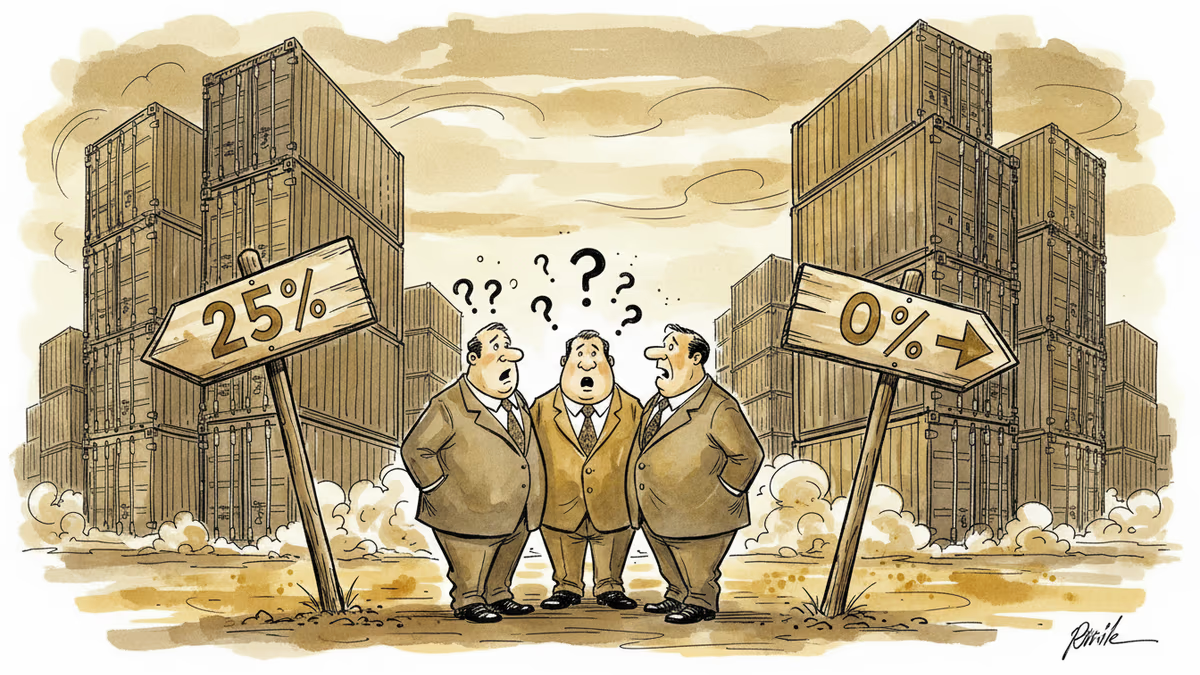
Supreme Court's tariff reversal leaves Southeast Asian exporters scrambling to recalibrate supply chains and pricing strategies amid legal uncertainty from Washington.
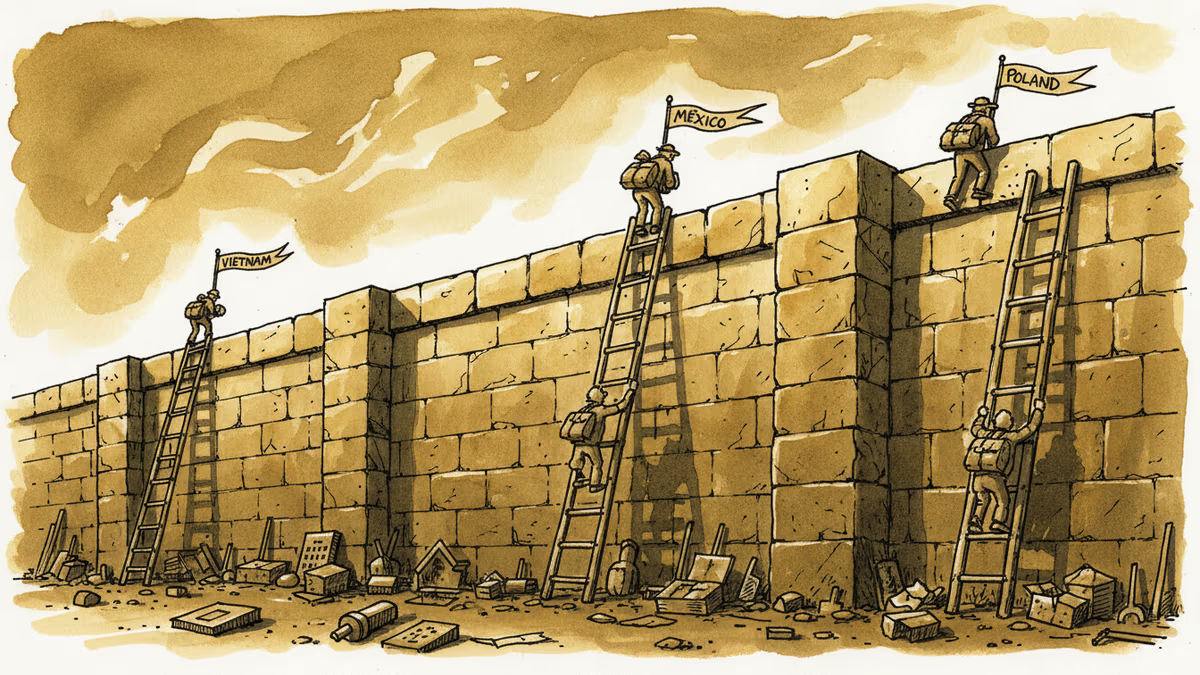
Despite Trump's aggressive tariff promises, EBRD data shows emerging economies remain resilient with 3.1% growth. Trade diversion and commodity booms are creating unexpected winners in the global economy.
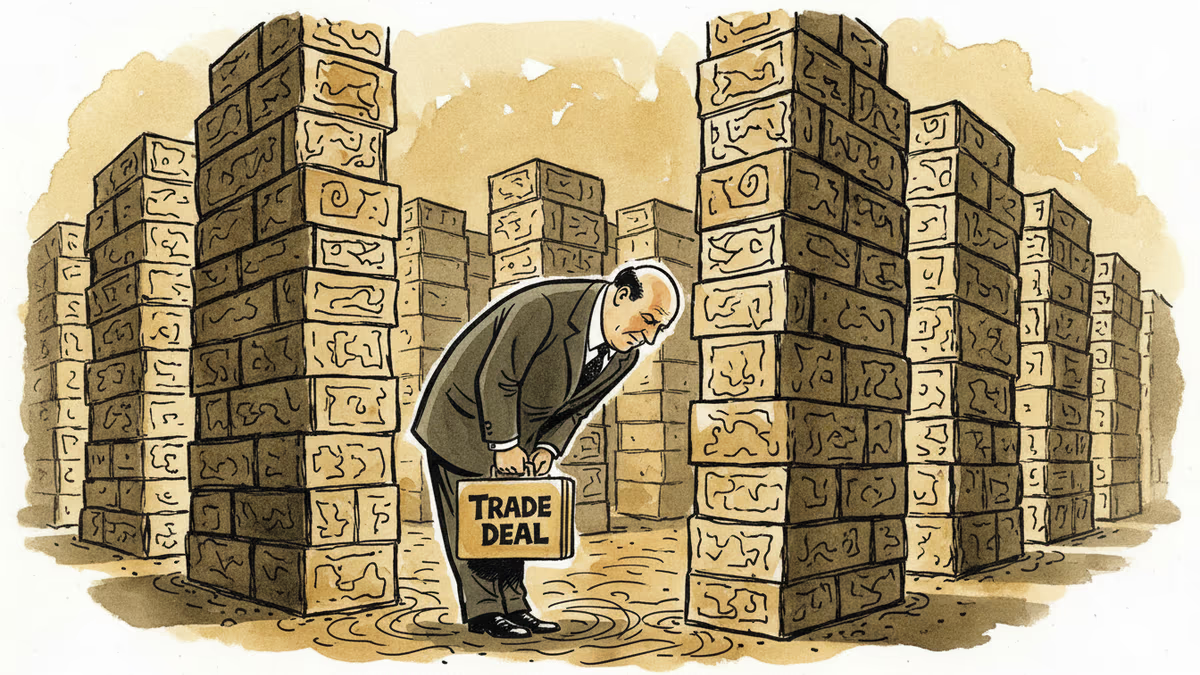
Japan urgently requests US maintain 2025 trade deal terms amid Trump's new 150-day tariffs. Asian nations split on strategy as trade tensions escalate
Supreme Court ruling opens door for Trump's global tariffs, triggering corporate scramble. From supply chain reshuffling to price hikes, businesses weigh costly options as trade war 2.0 looms.
Supreme Court's tariff reversal leaves Southeast Asian exporters scrambling to recalibrate supply chains and pricing strategies amid legal uncertainty from Washington.
Despite Trump's aggressive tariff promises, EBRD data shows emerging economies remain resilient with 3.1% growth. Trade diversion and commodity booms are creating unexpected winners in the global economy.
Japan urgently requests US maintain 2025 trade deal terms amid Trump's new 150-day tariffs. Asian nations split on strategy as trade tensions escalate
Supreme Court ruling opens door for Trump's global tariffs, triggering corporate scramble. From supply chain reshuffling to price hikes, businesses weigh costly options as trade war 2.0 looms.
Thoughts
Share your thoughts on this article
Sign in to join the conversation