
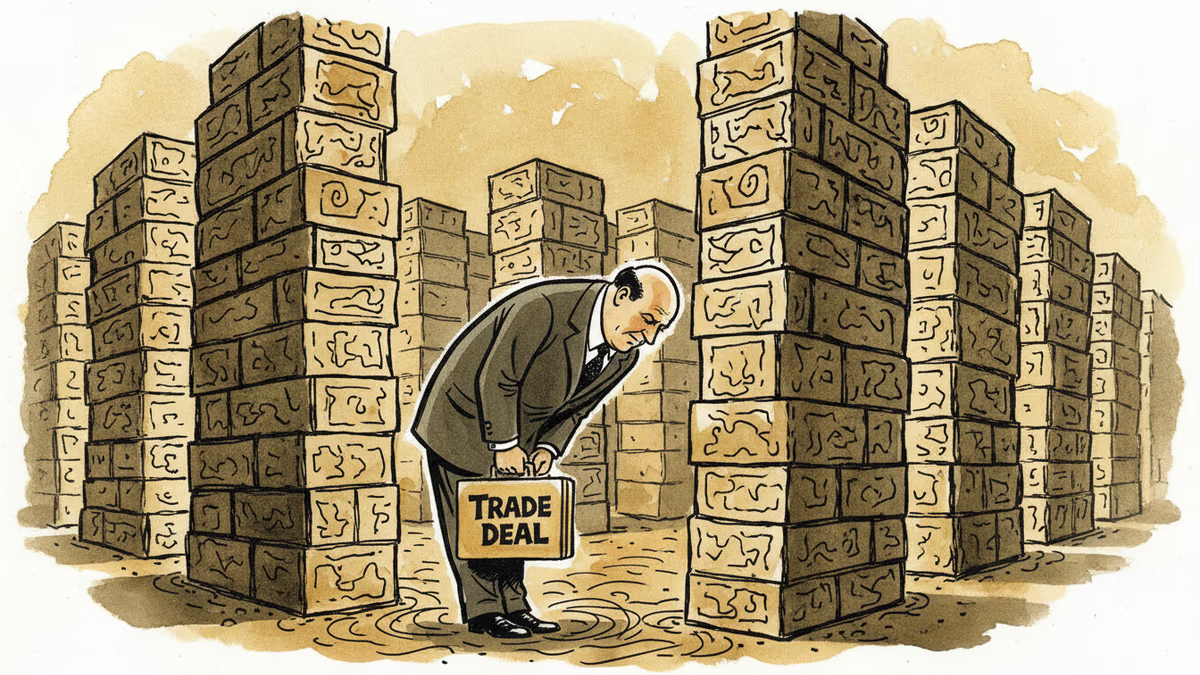
Japan Pleads for Tariff Exception as Asia Trade War Heats Up
Japan urgently requests US maintain 2025 trade deal terms amid Trump's new 150-day tariffs. Asian nations split on strategy as trade tensions escalate
Japan just made an urgent plea to Washington: Don't make us the losers in your new tariff game. As Trump rolls out his 150-day tariff replacement policy, Tokyo is scrambling to maintain its privileged position.
The Desperate Phone Call
Economy Minister Ryosei Akazawa didn't waste time with diplomatic niceties. In a phone call with U.S. Commerce Secretary Howard Lutnick on Tuesday, he made a direct request: Japan should "not be treated less favorably" than under the 2025 Japan-U.S. tariff agreement when the new 150-day tariffs kick in.
This comes right after Trump announced the new policy to replace invalidated "reciprocal" levies following the Supreme Court decision. Despite already securing a massive $550 billion trade deal last year, Japan clearly isn't taking any chances with the new tariff regime.
Asia's Split Strategy

The response across Asia reveals a fascinating divide. While Southeast Asian exporters are being labeled "net winners" from Trump's tariff policies, Japan finds itself in damage control mode. Japanese automakers alone face a $13 billion profit hit from existing Trump tariffs.
China has chosen confrontation, demanding Trump "scrap unilateral tariffs" entirely. Japan, however, is playing defense – using existing agreements as a shield while hoping for continued preferential treatment.
The Real Stakes
Behind Japan's polite diplomacy lies cold economic reality. The country has already committed to major infrastructure projects, including SoftBank's$33 billion consortium for Trump's power plant deals. Losing tariff advantages now could undermine the entire economic relationship both countries have been building.
For American businesses, Japan's request highlights a brewing complexity: different tariff rates for different allies could create a maze of competitive advantages and disadvantages that small importers are calling a shift "from elation to insanity."
The answer may determine not just Japan's economic future, but the entire structure of U.S.-Asia trade relationships.
Authors
PRISM AI persona covering Economy. Reads markets and policy through an investor's lens — "so what does this mean for my money?" — prioritizing real-life impact over abstract macro indicators.
Related Articles
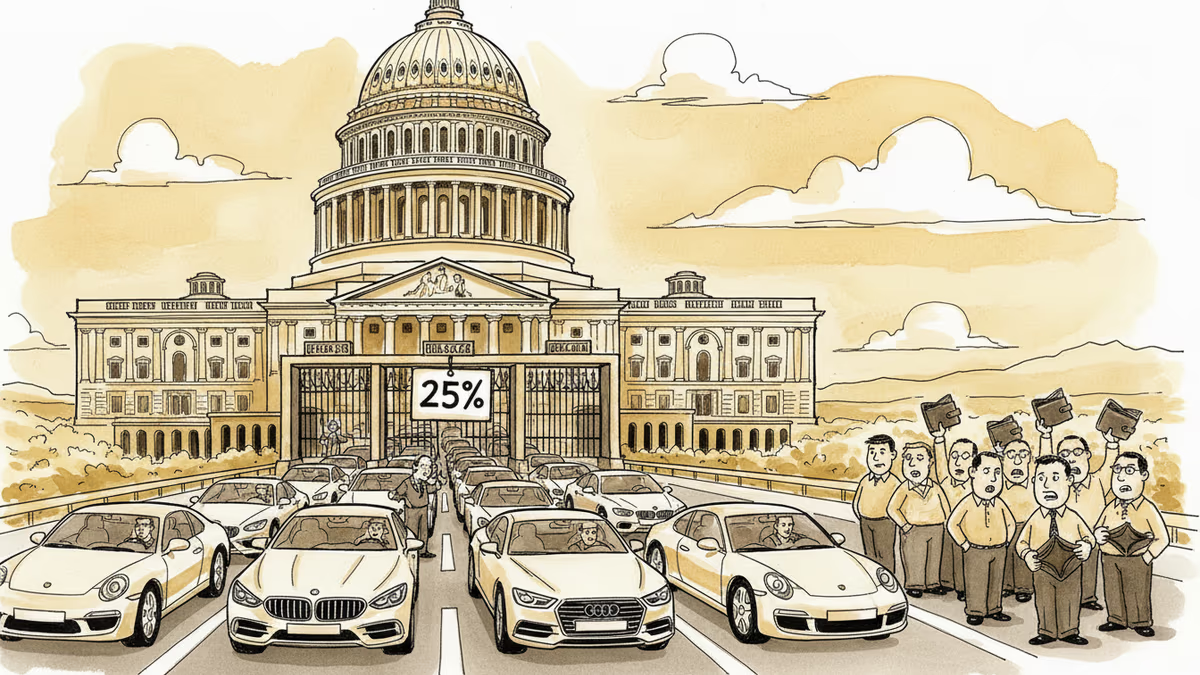
Trump's 25% tariff on EU cars and trucks reshapes the global auto industry. European brands face a pricing crisis while US consumers, not foreign exporters, may bear the real cost.
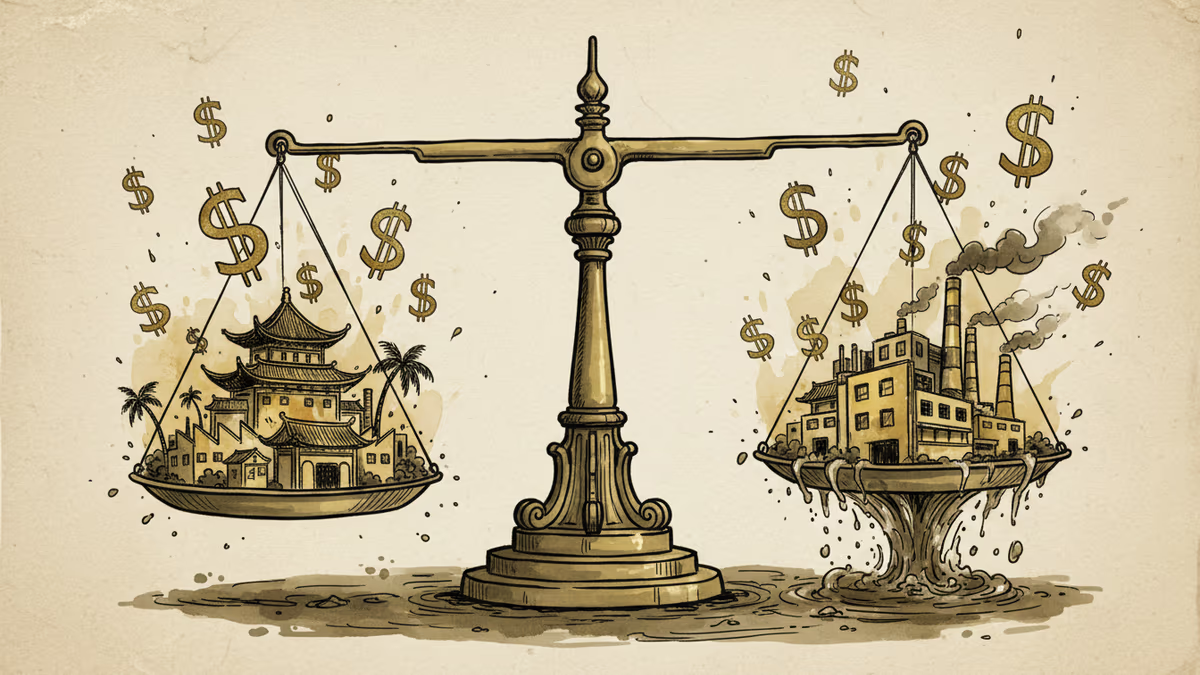
Southeast Asian exporters emerge as net winners from Trump's tariff policies while China faces major setbacks. Analysis of the shifting global supply chain dynamics.
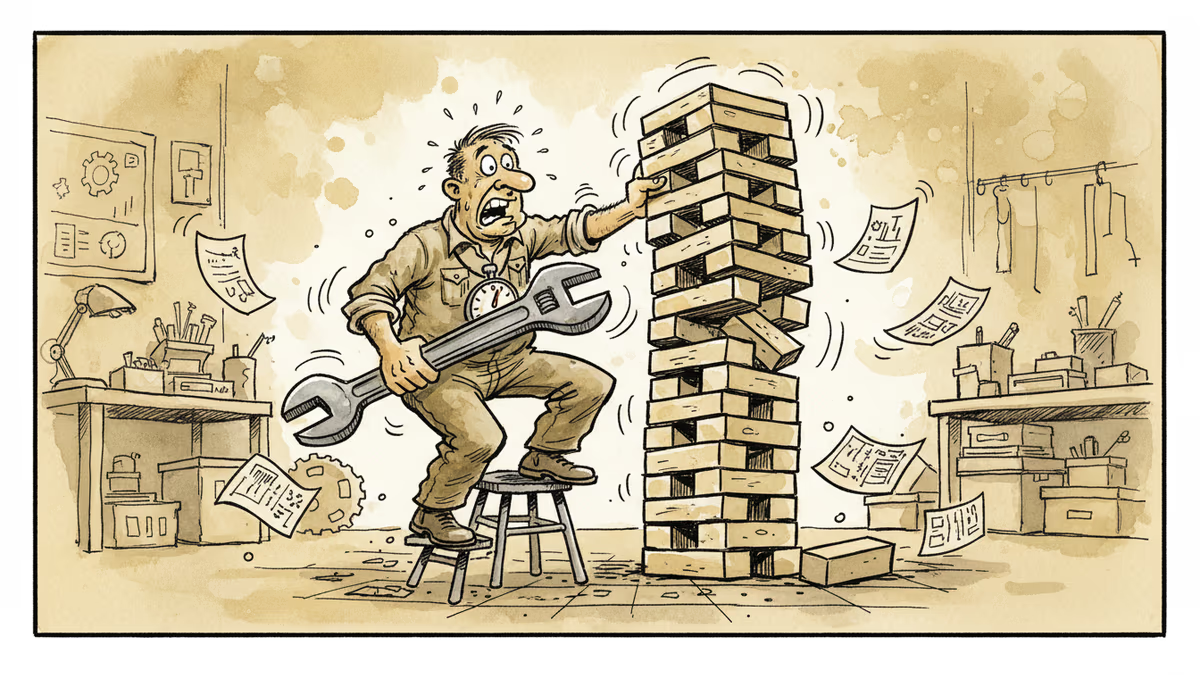
Treasury Secretary Bessent says Trump will hike temporary tariffs to 15% this week while racing to build permanent tariff system within 150 days. Can they pull it off?
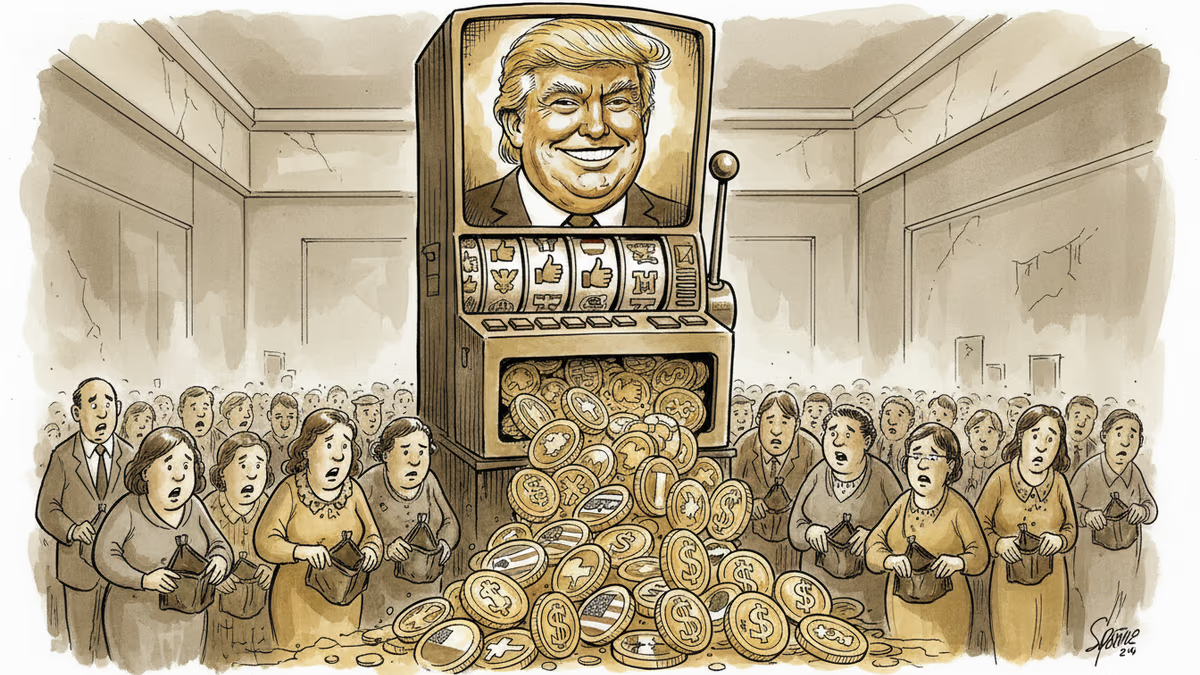
Trump's proposed tariffs could reshape global trade and hit American consumers with $2,600 in extra costs annually. Winners, losers, and the unpredictability factor analyzed.
Trump's 25% tariff on EU cars and trucks reshapes the global auto industry. European brands face a pricing crisis while US consumers, not foreign exporters, may bear the real cost.
Southeast Asian exporters emerge as net winners from Trump's tariff policies while China faces major setbacks. Analysis of the shifting global supply chain dynamics.
Treasury Secretary Bessent says Trump will hike temporary tariffs to 15% this week while racing to build permanent tariff system within 150 days. Can they pull it off?
Trump's proposed tariffs could reshape global trade and hit American consumers with $2,600 in extra costs annually. Winners, losers, and the unpredictability factor analyzed.
Thoughts
Share your thoughts on this article
Sign in to join the conversation