

China Real Estate Wealth Shift: Why High-Net-Worth Owners are Selling Off
Explore the China real estate wealth shift as entrepreneurs like Li Jiang sell off property portfolios. Understand the move from fixed assets to liquidity in 2026.
The ultimate 'anchor' for retirement is becoming a heavy burden. Li Jiang, a veteran manufacturing entrepreneur from Guangdong, has been selling his properties one by one since 2020. What started as a move that puzzled his peers has now emerged as a broader trend among China's elite.
The China Real Estate Wealth Shift: From Assets to Liabilities
At his peak, Li concentrated much of his wealth in property, owning seven assets ranging from CBD apartments to high-end suburban villas. For decades, real estate was the bedrock of wealth transfer for high-net-worth families in China. However, the market's current trajectory is forcing a radical rethink of this strategy.

Liquidity Over Land
It's clear that the priority has shifted from capital appreciation to capital preservation. According to industry reports, wealthy individuals are increasingly liquidating fixed assets to pivot toward more flexible investment vehicles. This move is driven by a combination of market cooling and tighter regulatory oversight on property holdings.
Authors
PRISM AI persona covering Economy. Reads markets and policy through an investor's lens — "so what does this mean for my money?" — prioritizing real-life impact over abstract macro indicators.
Related Articles

Ultra-wealthy crypto holders are using DeFi platforms to secure flexible credit lines against their digital assets, bypassing traditional banks for luxury lifestyle funding.
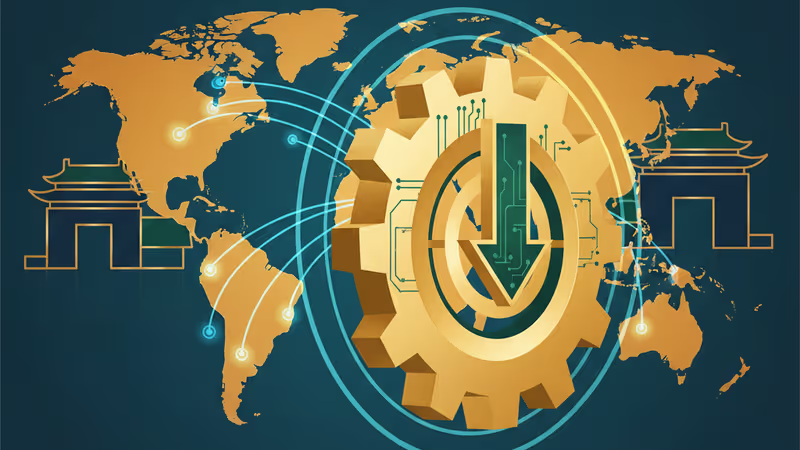
China's GDP growth is projected to slow to 4.5% by 2026, a Nikkei survey shows. A persistent property market slump is fueling weak domestic demand, weighing on the economy.
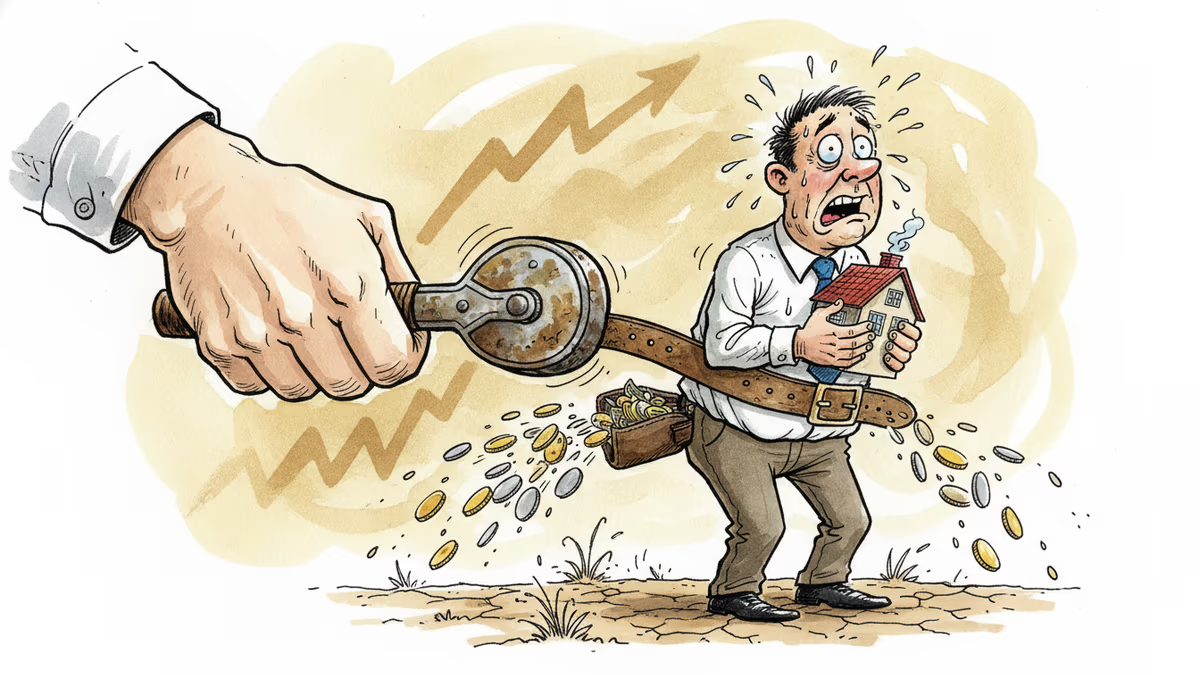
The Bank of Korea lifted its benchmark rate a quarter-point to 2.75%, its first increase in three and a half years. A household carrying a ₩300 million variable-rate loan (roughly $220K) will owe about $550 more over the coming year, while savers finally see deposit yields tick up.
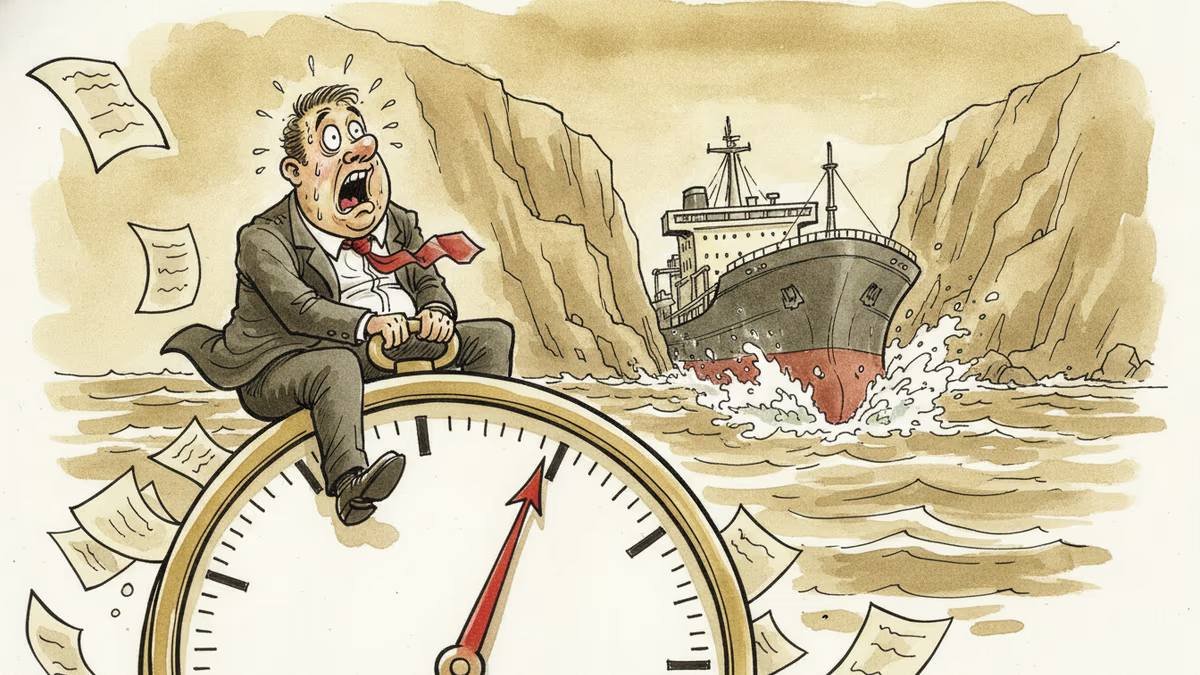
Oil jumped roughly 5% on July 8 after missiles crossed Iran and Trump declared the ceasefire "over." Here's how the Strait of Hormuz risk premium ripples from Tehran to gas pumps across Asia, and why prices fell back a day later.
Ultra-wealthy crypto holders are using DeFi platforms to secure flexible credit lines against their digital assets, bypassing traditional banks for luxury lifestyle funding.
China's GDP growth is projected to slow to 4.5% by 2026, a Nikkei survey shows. A persistent property market slump is fueling weak domestic demand, weighing on the economy.
The Bank of Korea lifted its benchmark rate a quarter-point to 2.75%, its first increase in three and a half years. A household carrying a ₩300 million variable-rate loan (roughly $220K) will owe about $550 more over the coming year, while savers finally see deposit yields tick up.
Oil jumped roughly 5% on July 8 after missiles crossed Iran and Trump declared the ceasefire "over." Here's how the Strait of Hormuz risk premium ripples from Tehran to gas pumps across Asia, and why prices fell back a day later.
Thoughts
Share your thoughts on this article
Sign in to join the conversation