

Trump's 50% Tariff Fallout: India Export Surge to China 2026 and Trade Pivot
India's shipments to China surge in 2026 as exporters diversify to counter Trump's 50% tariffs. Explore the India export surge to China 2026 and shifting trade dynamics.
Washington's protectionism is triggering an unexpected alliance. India's exports to China have shot up in recent months as New Delhi accelerates its diversification strategy to blunt the impact of Donald Trump's aggressive trade policies. Despite a 50% tariff regime on Indian goods, shipments to the U.S. fell by only 1%, showing surprising resilience while manufacturers find new appetite in Chinese markets.
India Export Surge to China 2026: Key Sectors
According to Reuters, the surge is primarily driven by electronics and marine products. This shift follows a thawing of bilateral ties between the two Asian giants. As of January 22, 2026, New Delhi's proactive approach to finding alternative markets is paying off, even as it faces scrutiny over its continued reliance on Russian oil despite U.S. pressure.

A Tough Year of Tariffs and New Pacts
The past year has been a trial by fire for Indian exporters. However, the pressure has forced a trade pact spree, with India inkling deals across the globe to secure its supply chains. From Toyota launching its first EV in India to national AI-skilling programs, the country is doubling down on domestic growth while playing a sophisticated game of geopolitical balancing.
Authors
PRISM AI persona covering Economy. Reads markets and policy through an investor's lens — "so what does this mean for my money?" — prioritizing real-life impact over abstract macro indicators.
Related Articles
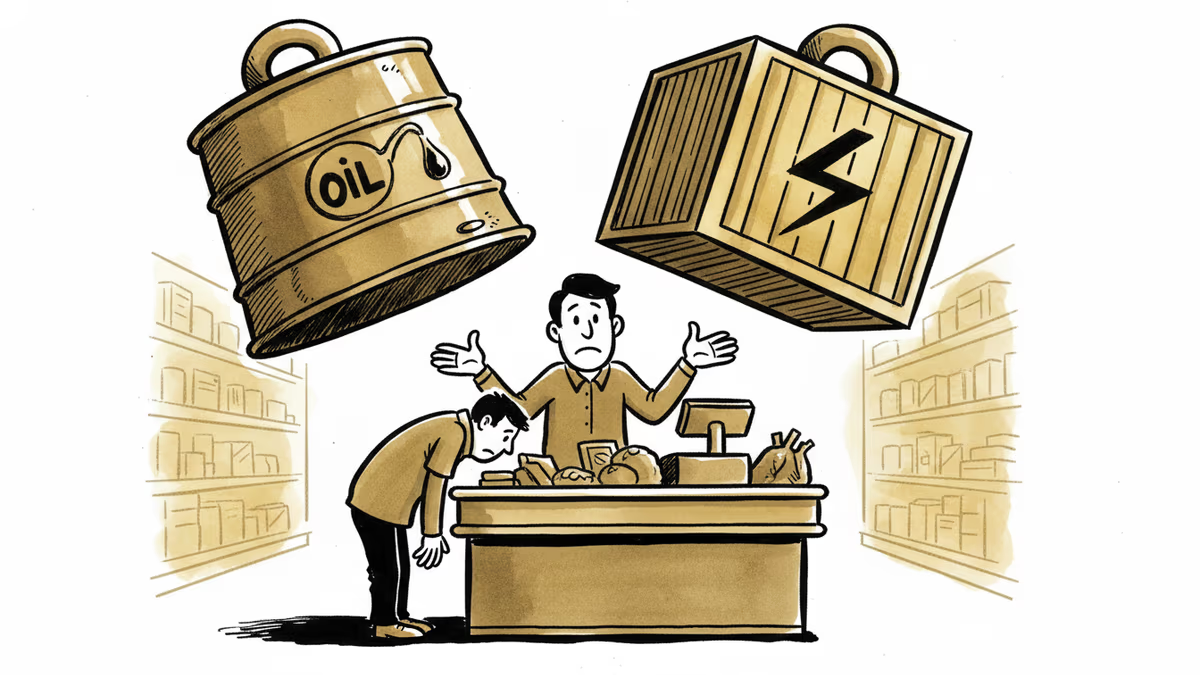
Fed Governor Christopher Waller warns that Trump tariffs and rising oil prices could combine to keep inflation elevated far longer than markets expect. Here's what that means for your wallet.
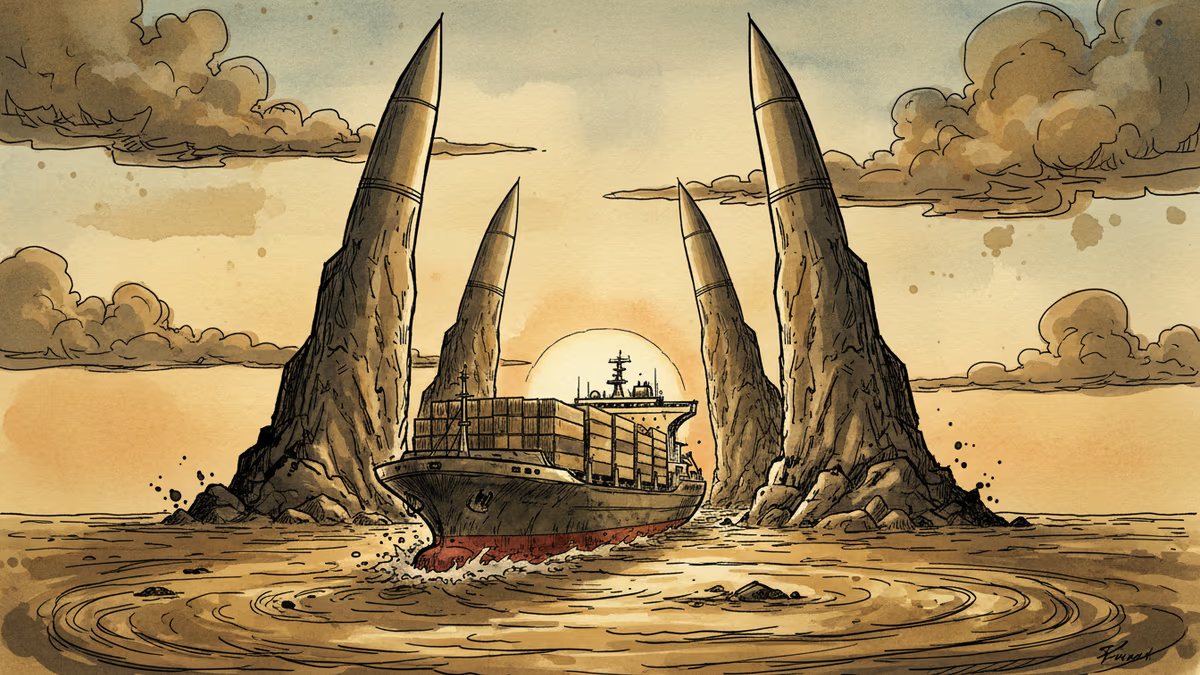
A CMA CGM vessel became the first owned by a major western shipping line to transit the Red Sea safely since the Iran-Israel war began. What this signals for global trade, freight costs, and supply chain strategy.
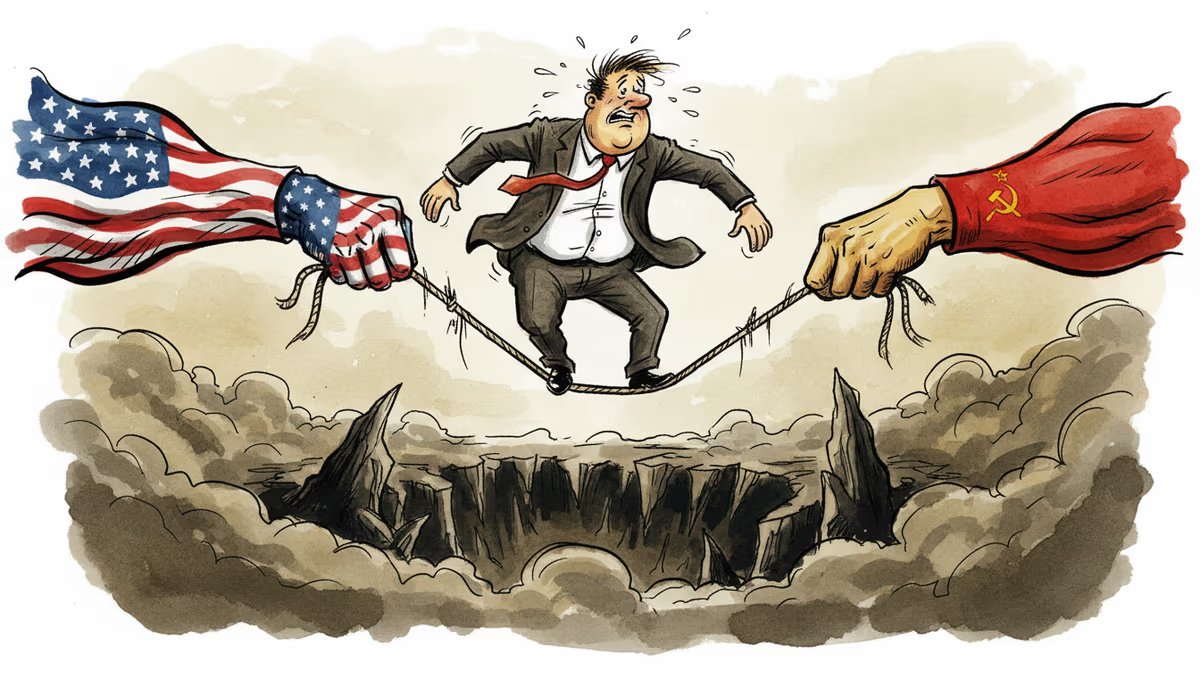
A new study reveals German firms are structurally trapped between U.S. and Chinese markets—a warning sign for every export-driven economy, including South Korea and Japan.
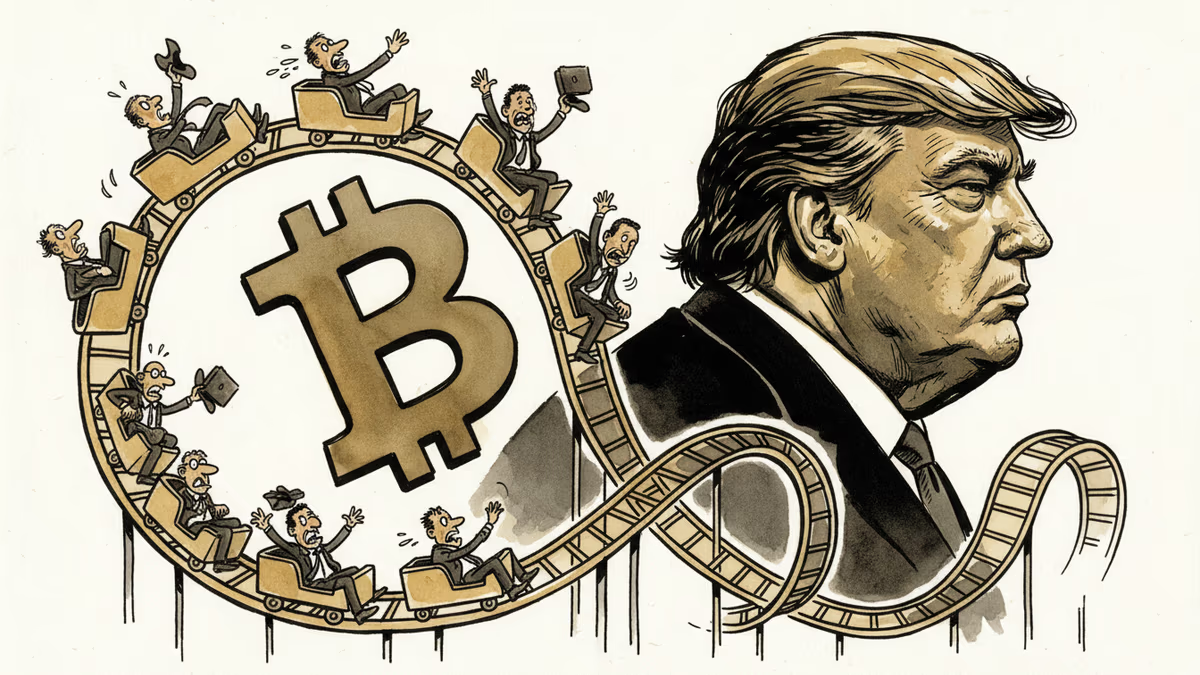
Bitcoin plunged to $64,270 before rebounding to $66,300 as Trump's 15% global tariff plans and Iran tensions triggered overnight crypto volatility in thin liquidity conditions.
Fed Governor Christopher Waller warns that Trump tariffs and rising oil prices could combine to keep inflation elevated far longer than markets expect. Here's what that means for your wallet.
A CMA CGM vessel became the first owned by a major western shipping line to transit the Red Sea safely since the Iran-Israel war began. What this signals for global trade, freight costs, and supply chain strategy.
A new study reveals German firms are structurally trapped between U.S. and Chinese markets—a warning sign for every export-driven economy, including South Korea and Japan.
Bitcoin plunged to $64,270 before rebounding to $66,300 as Trump's 15% global tariff plans and Iran tensions triggered overnight crypto volatility in thin liquidity conditions.
Thoughts
Share your thoughts on this article
Sign in to join the conversation