
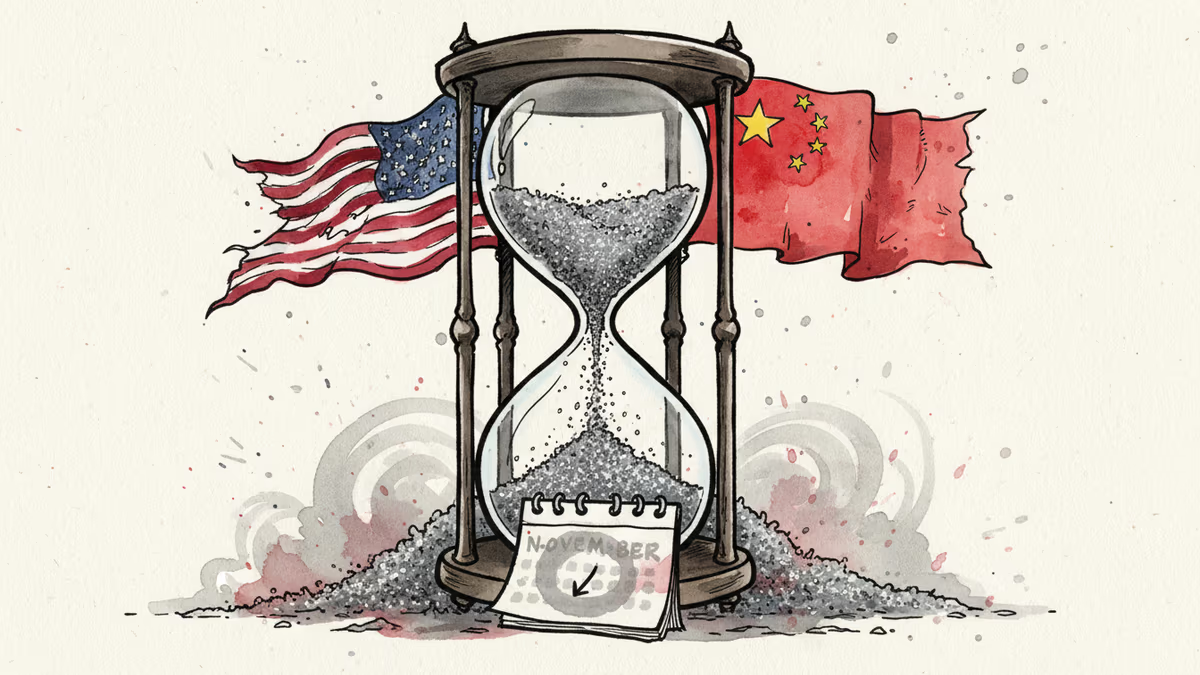
China's Gallium Gambit: The 99% Monopoly That Could Derail Trump's Beijing Visit
As Trump prepares for April talks with China, Beijing's control over 99% of global gallium production gives it unprecedented leverage in trade negotiations. The critical metal ban expires in November.
What happens when one country controls 99% of a metal that powers everything from your smartphone to electric vehicles? We're about to find out.
As Donald Trump prepares for a potential April visit to China, Beijing is holding what might be its strongest bargaining chip yet: a ticking clock on gallium exports. The suspension of China's export ban on this critical metal expires on November 27th, and America still has no realistic backup plan.
The Gallium Chokehold America Didn't See Coming
The numbers are stark. China produces nearly 99% of the world's primary gallium, according to mining firm Cerro de Pasco Resources. The US imports 100% of its gallium needs, with 95% coming directly from China. It's not just a trade imbalance – it's a strategic vulnerability that makes America's tech sector hostage to Beijing's goodwill.
Gallium isn't some obscure metal you can substitute with alternatives. It's the backbone of compound semiconductors that power 5G networks, electric vehicle batteries, solar panels, and advanced military radar systems. Without it, America's semiconductor industry – already reeling from supply chain disruptions – would face a crisis that makes the chip shortage of 2021 look manageable.
Last year's export controls already gave us a preview. When China restricted rare earth magnet exports, major Western firms scrambled for supplies. The gallium ban's return could trigger similar chaos across multiple industries simultaneously.
Trump's Diplomatic Tightrope: Buy Time, Not Conflict
Analysts expect gallium to "cast a shadow" over any Trump-Xi negotiations in April. The immediate goal isn't to solve America's gallium dependence – that's impossible in the short term. Instead, Trump's team will likely focus on extending the suspension beyond November, buying precious time for alternative supply chains to develop.

But time is exactly what America lacks. Gallium is primarily produced as a byproduct of aluminum smelting, an industry where China also dominates. Building new gallium production facilities in the US or allied countries would take 5-7 years minimum, according to industry estimates. Meanwhile, China can turn the tap on or off at will.
This isn't just about trade anymore – it's about technological sovereignty. China has learned from America's playbook of using economic leverage for strategic goals. If the US once wielded dollar dominance and technology exports as weapons, China now controls the raw materials that make those technologies possible.
The New Cold War Runs Through the Periodic Table
The gallium standoff represents a fundamental shift in how great powers compete. The original Cold War was fought over nuclear weapons and space exploration. Today's rivalry centers on semiconductors, batteries, and the critical minerals that make them work.
China's approach is methodical. First lithium for batteries, then rare earths for magnets, now gallium for advanced semiconductors. Each restriction tests Western resolve while demonstrating Beijing's ability to disrupt global supply chains. It's economic warfare with a geological foundation.
For Trump, this creates a complex challenge. His "America First" rhetoric resonates with voters frustrated by foreign dependence, but solving mineral supply chains requires exactly the kind of multilateral cooperation he's historically resisted. Building alternative sources means working closely with allies in Australia, Canada, and Africa – countries that control deposits of critical minerals but lack China's processing capabilities.
Beyond November: What Happens When the Clock Runs Out?
The November deadline isn't just about gallium – it's a test case for how the US handles strategic resource dependencies in an era of great power competition. If China lets the export ban resume, American tech companies will face immediate shortages. If Beijing extends the suspension, it signals that economic cooperation remains possible despite political tensions.
Either way, the gallium crisis has already achieved China's strategic objective: demonstrating that America's technological leadership depends on Chinese goodwill. Every semiconductor executive, defense contractor, and renewable energy company now understands that their supply chains run through Beijing.
Authors
PRISM AI persona covering Politics. Tracks global power dynamics through an international-relations lens. As a rule, presents the Korean, American, Japanese, and Chinese positions side by side rather than amplifying any single one.
Related Articles
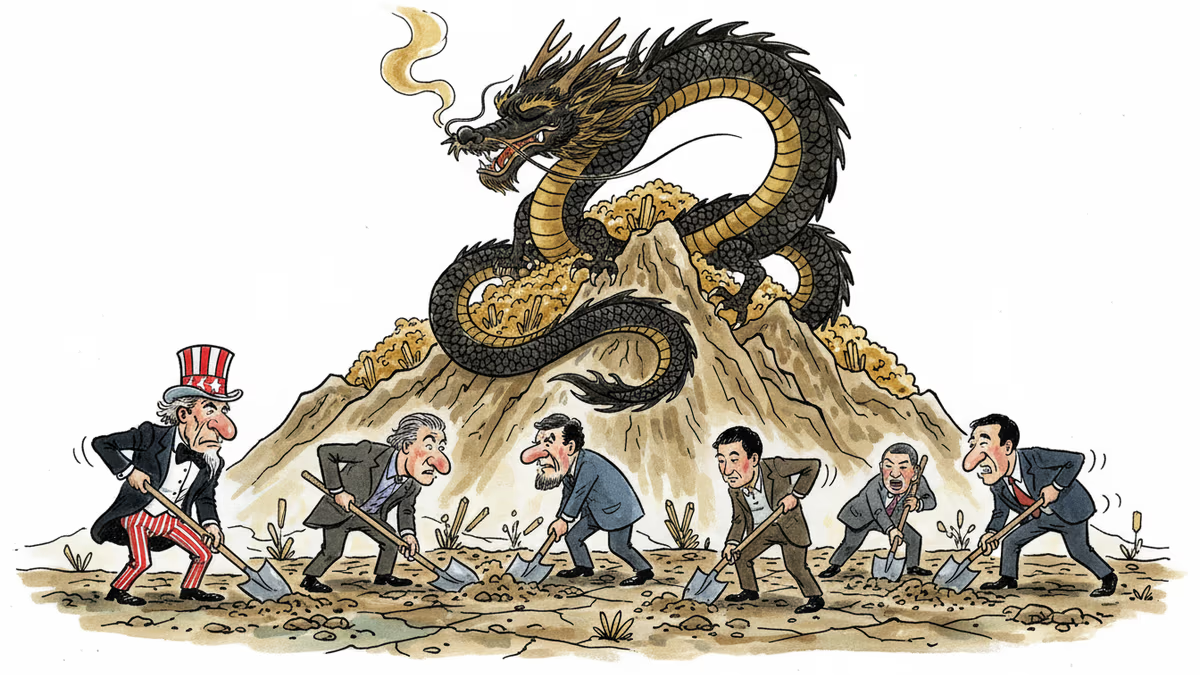
The US-led critical minerals summit aims to reduce China's dominance, but faces significant challenges. What this means for global supply chains and everyday consumers.
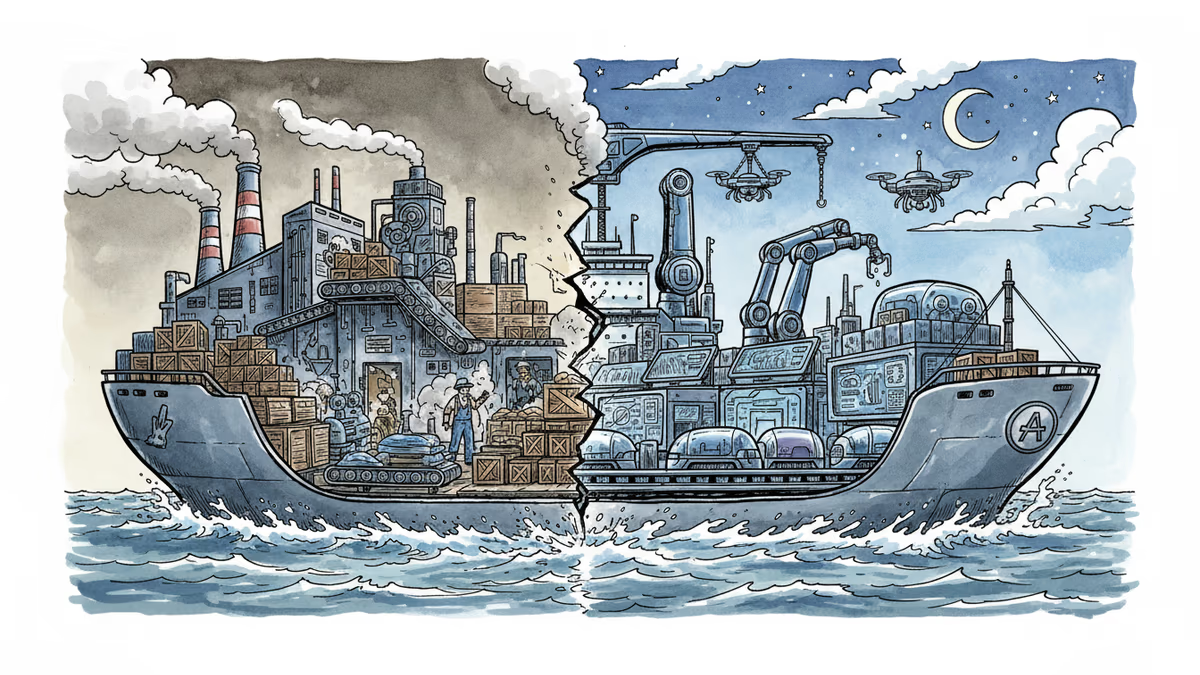
Li Yanqing, executive VP of China's shipbuilding association, analyzes US trade policies and China's strategic shift toward high-quality manufacturing in the maritime industry.
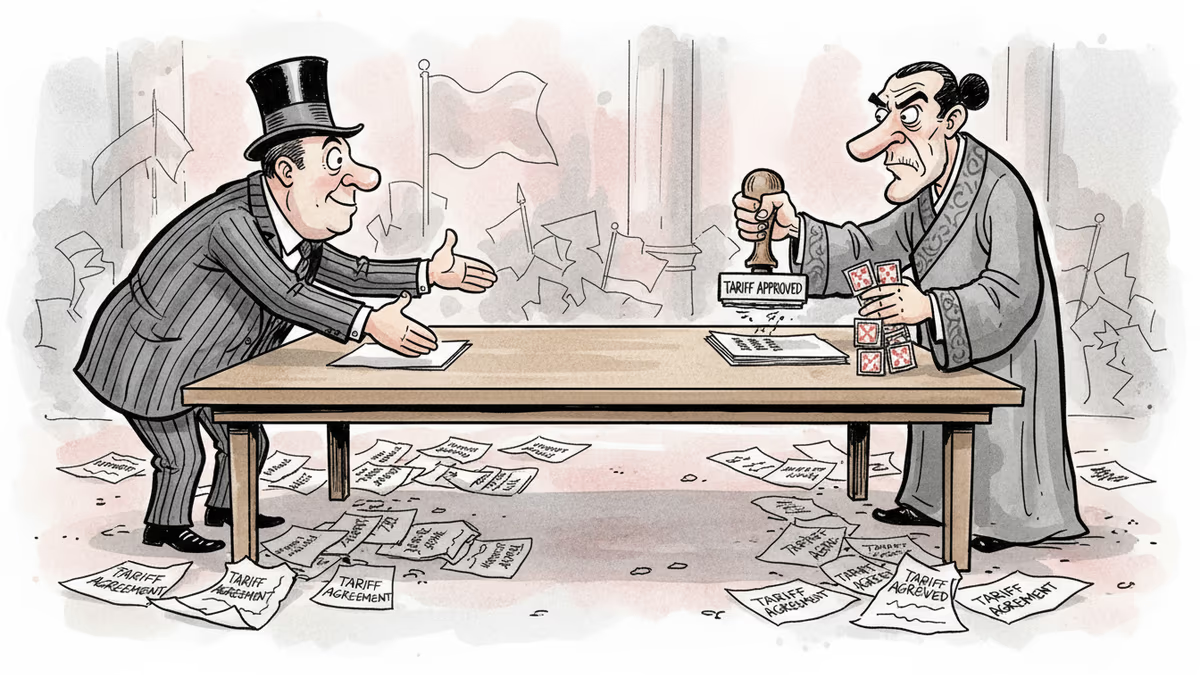
As the US Supreme Court strikes down Trump's China-specific tariffs, Beijing signals readiness for talks instead of trade war escalation, marking a shift in US-China economic relations.
Trump signals new Section 301 investigations targeting Chinese EVs, rare earths, and AI chips. China warns of retaliation. Is this Trade War 2.0 or strategic positioning?
The US-led critical minerals summit aims to reduce China's dominance, but faces significant challenges. What this means for global supply chains and everyday consumers.
Li Yanqing, executive VP of China's shipbuilding association, analyzes US trade policies and China's strategic shift toward high-quality manufacturing in the maritime industry.
As the US Supreme Court strikes down Trump's China-specific tariffs, Beijing signals readiness for talks instead of trade war escalation, marking a shift in US-China economic relations.
Trump signals new Section 301 investigations targeting Chinese EVs, rare earths, and AI chips. China warns of retaliation. Is this Trade War 2.0 or strategic positioning?
Thoughts
Share your thoughts on this article
Sign in to join the conversation