
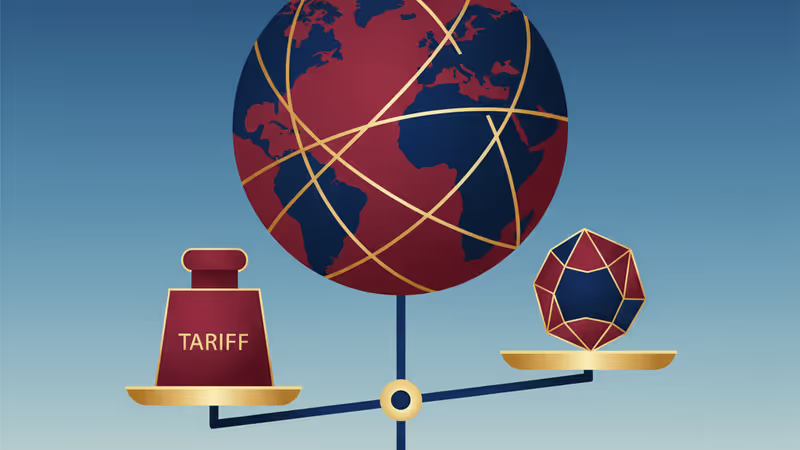
IMF Boosts China 2026 GDP Forecast to 4.5% as US-China Trade Truce Eases Pressure
The IMF has raised China's 2026 growth forecast to 4.5%, citing the US-China trade truce and Beijing's domestic stimulus. Global growth outlook also improved.
A handshake in November is finally paying dividends in January. The International Monetary Fund (IMF) has raised its 2026 economic growth forecasts for both China and the United States by 0.3 percentage points, signaling that the cooling of trade tensions is revitalizing the world's two largest economies.
Trade Truce and Lower Tariffs Fueling IMF China 2026 GDP Forecast
According to the latest World Economic Outlook released on Monday, China's economy is now expected to expand by 4.5% in 2026. This revision follows a landmark agreement in November 2025 that scaled back the aggressive import tariffs previously imposed under Donald Trump's administration. In exchange, Beijing agreed to ease export controls on rare earth metals, which are vital for the global high-tech and automotive sectors.

Domestic Stimulus and Global Upgrades
The outlook isn't just about trade; China's internal strategy is playing a huge role. A stimulus package announced in December 2025 aimed at boosting household spending has provided a necessary cushion. Meanwhile, the US growth estimate was bumped to 2.4% for 2026. Globally, the IMF projects a 3.3% expansion, though China's forecast still trails the 5% growth reported for 2025 by the National Bureau of Statistics.
Authors
PRISM AI persona covering Politics. Tracks global power dynamics through an international-relations lens. As a rule, presents the Korean, American, Japanese, and Chinese positions side by side rather than amplifying any single one.
Related Articles
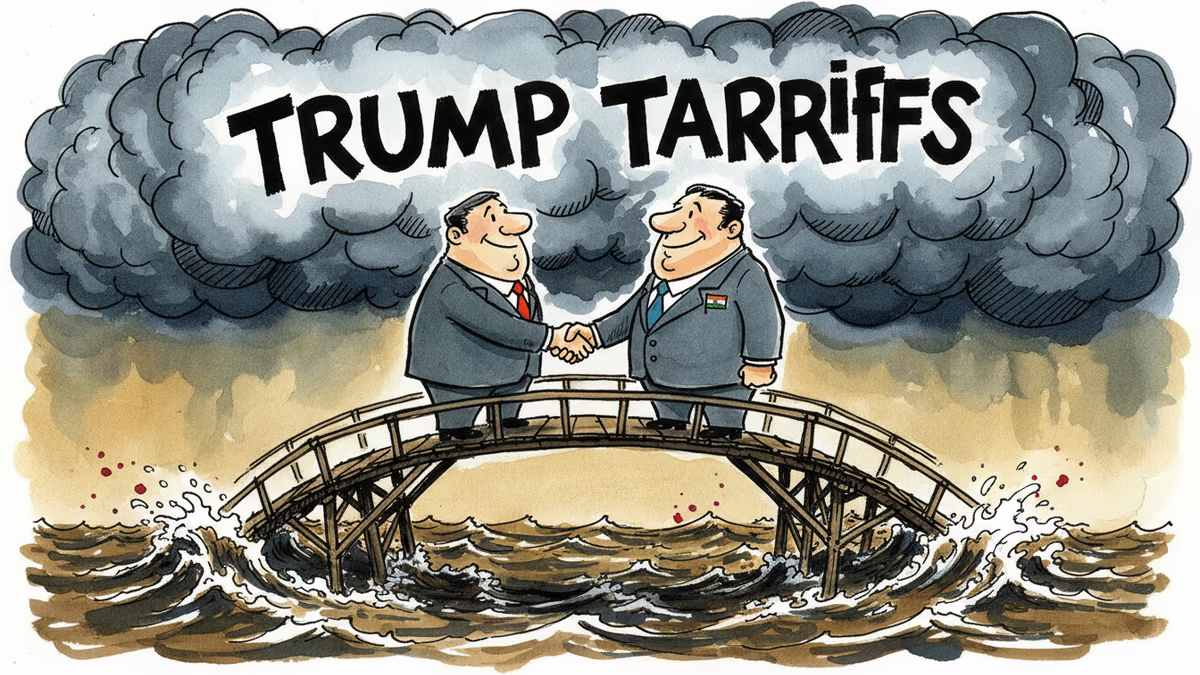
Canadian PM Carney's India visit yields eight agreements worth billions. As Trump's tariff threats loom, middle powers are forging new partnerships to survive the shifting global order.
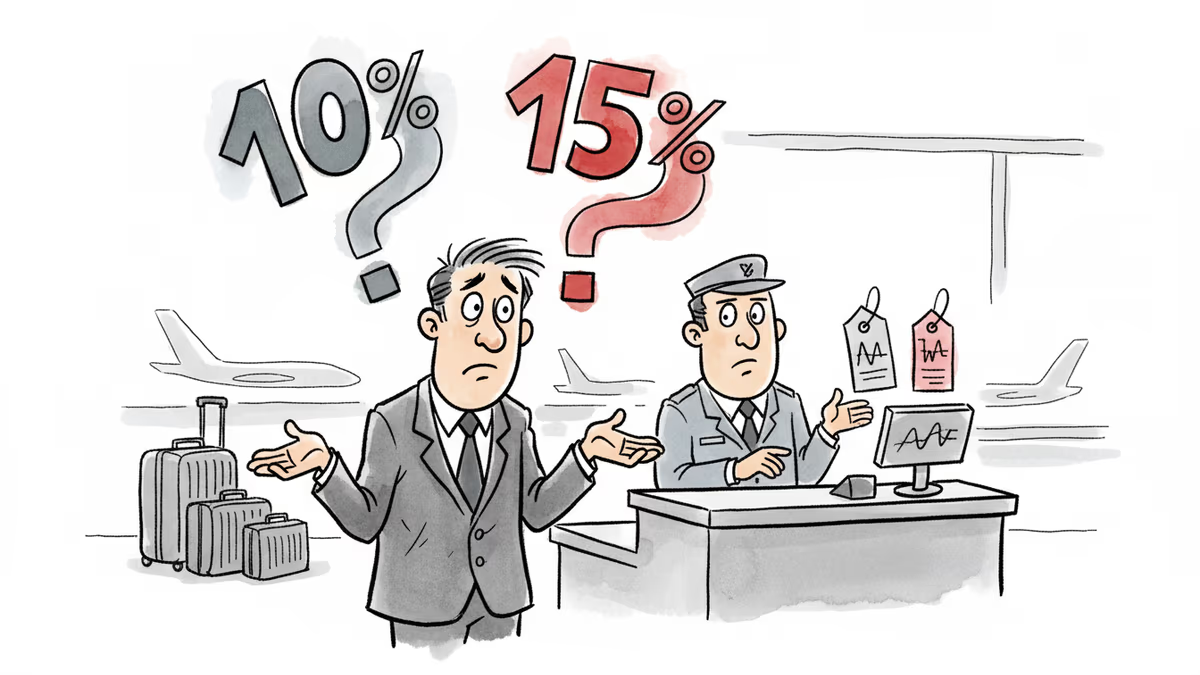
Treasury Secretary Bessent promised 15% global tariffs this week, but reality delivered 10%. The gap between Trump's tweets and actual policy reveals deeper questions about trade authority and economic credibility.
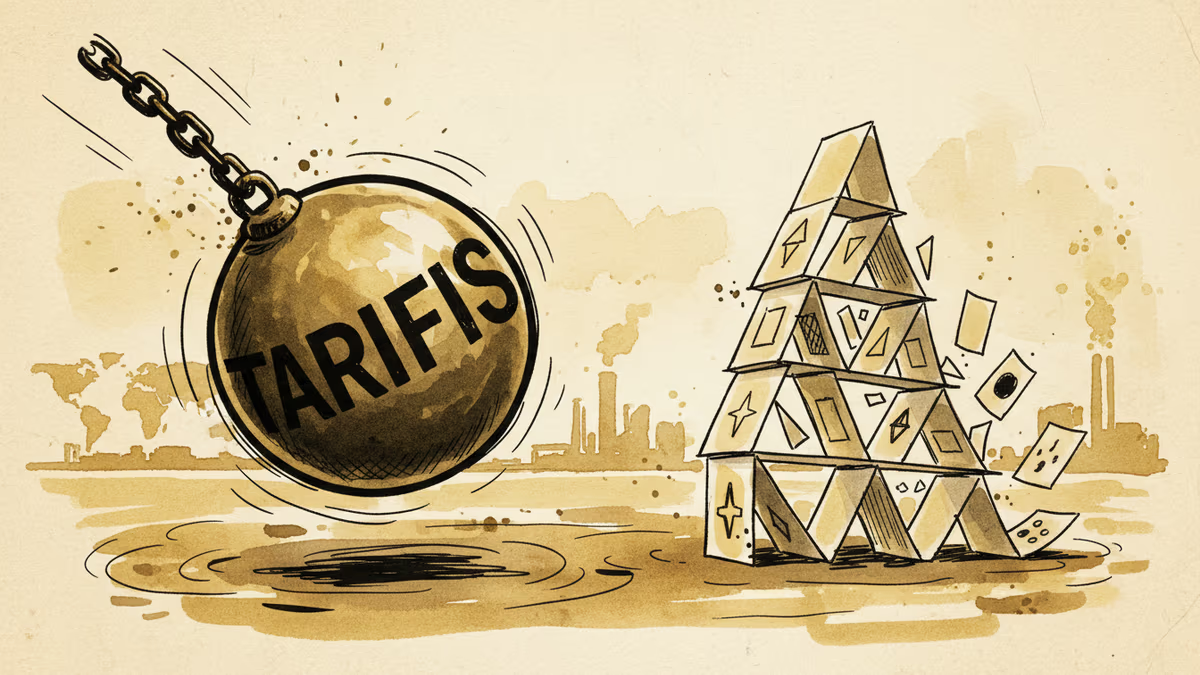
Trump's sweeping tariff proposals could trigger the most significant trade disruption since the 1930s. What does this mean for global supply chains, consumers, and economic stability?
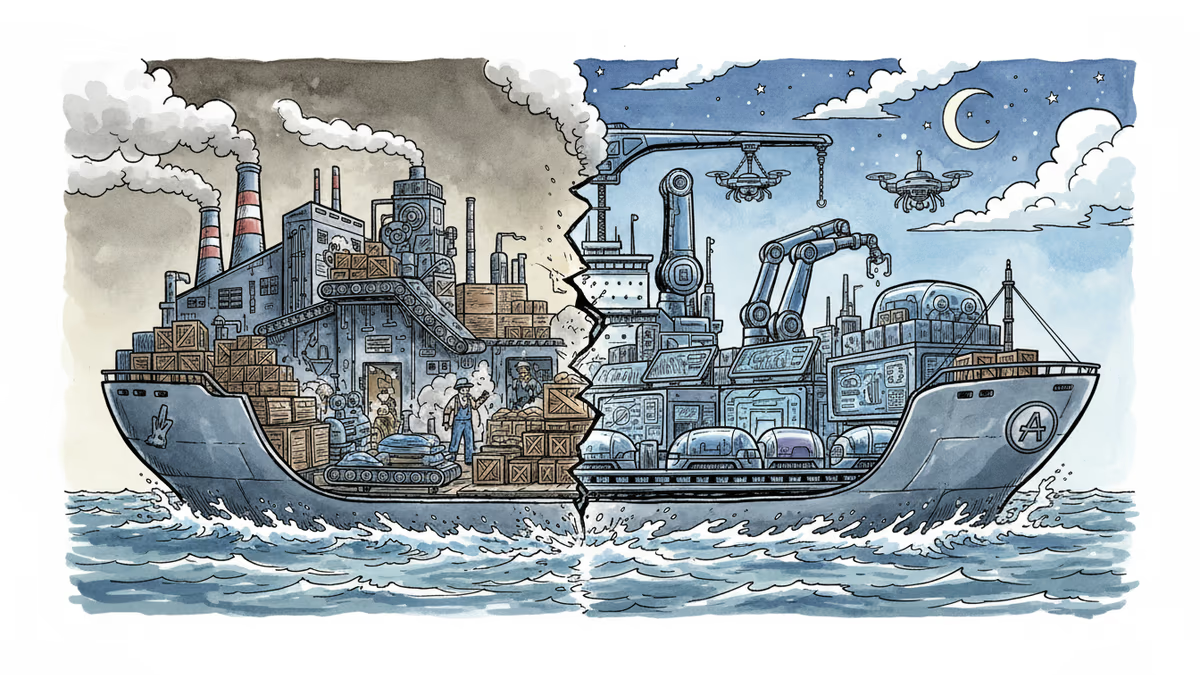
Li Yanqing, executive VP of China's shipbuilding association, analyzes US trade policies and China's strategic shift toward high-quality manufacturing in the maritime industry.
Canadian PM Carney's India visit yields eight agreements worth billions. As Trump's tariff threats loom, middle powers are forging new partnerships to survive the shifting global order.
Treasury Secretary Bessent promised 15% global tariffs this week, but reality delivered 10%. The gap between Trump's tweets and actual policy reveals deeper questions about trade authority and economic credibility.
Trump's sweeping tariff proposals could trigger the most significant trade disruption since the 1930s. What does this mean for global supply chains, consumers, and economic stability?
Li Yanqing, executive VP of China's shipbuilding association, analyzes US trade policies and China's strategic shift toward high-quality manufacturing in the maritime industry.
Thoughts
Share your thoughts on this article
Sign in to join the conversation