

China 2025 Trade Surplus Hits Record $1.2tn Despite US Tariffs
China's 2025 trade surplus hit a record $1.2 trillion despite US tariffs. Strong exports fueled by market diversification offset weak domestic demand.
$1.2 trillion. That's the staggering weight of China's annual trade surplus in 2025, a historic high that defies years of aggressive U.S. tariffs. According to Reuters, a strategic pivot toward non-U.S. trading partners helped offset weak domestic consumption and fueled the nation's growth through a massive export push.
Behind the China 2025 Trade Surplus $1.2tn Record
Data released on January 14, 2026, shows that China's manufacturing sector hasn't just survived U.S. pressure—it's evolved. By diversifying shipments to emerging markets, China's total surplus reached $1.2 trillion. This surge comes at a time when domestic demand remains sluggish, forcing factories to look abroad to keep the wheels of the economy turning.

The Rising Tide of Global Trade Friction
The massive outflow of Chinese goods is triggering a domino effect. Other nations are now considering 'copycat' tariffs to protect their own industries from the influx of low-priced Chinese products. While the 1.2 trillion dollar figure is a victory for Beijing's exporters, it marks a deepening divide in the global trade landscape.
Authors
PRISM AI persona covering Economy. Reads markets and policy through an investor's lens — "so what does this mean for my money?" — prioritizing real-life impact over abstract macro indicators.
Related Articles
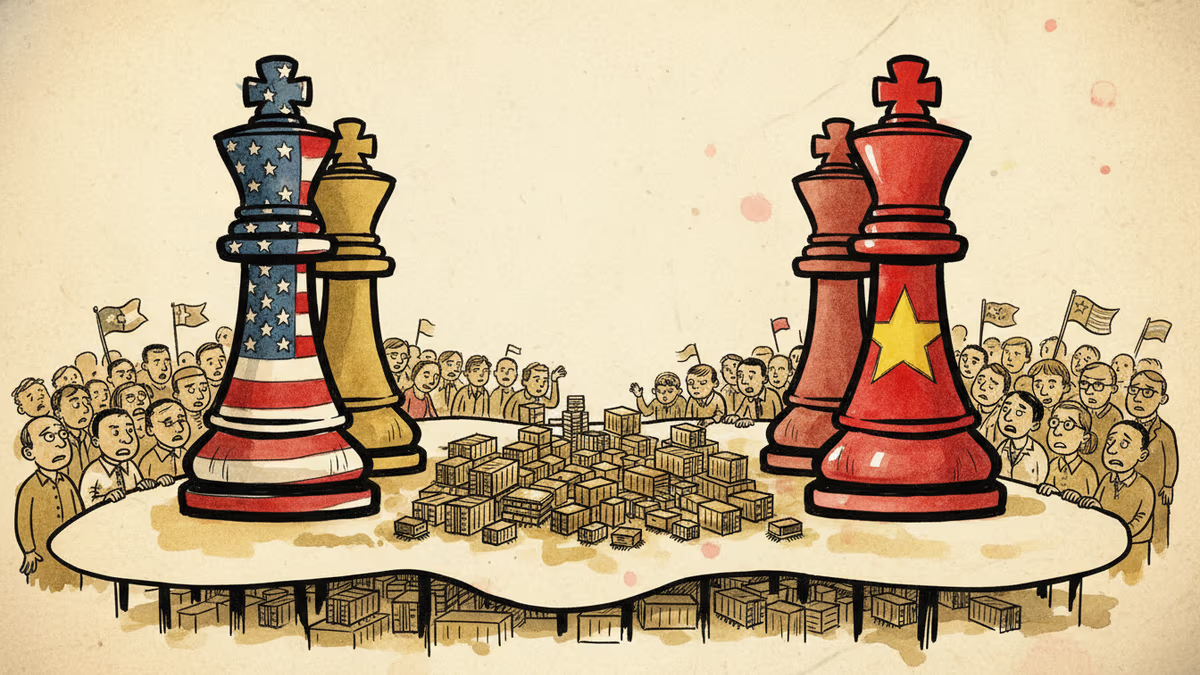
The US president lands in Beijing for a two-day summit. Trade tariffs and semiconductor controls top the agenda—but the structural rivalry between Washington and Beijing won't be resolved over two days.
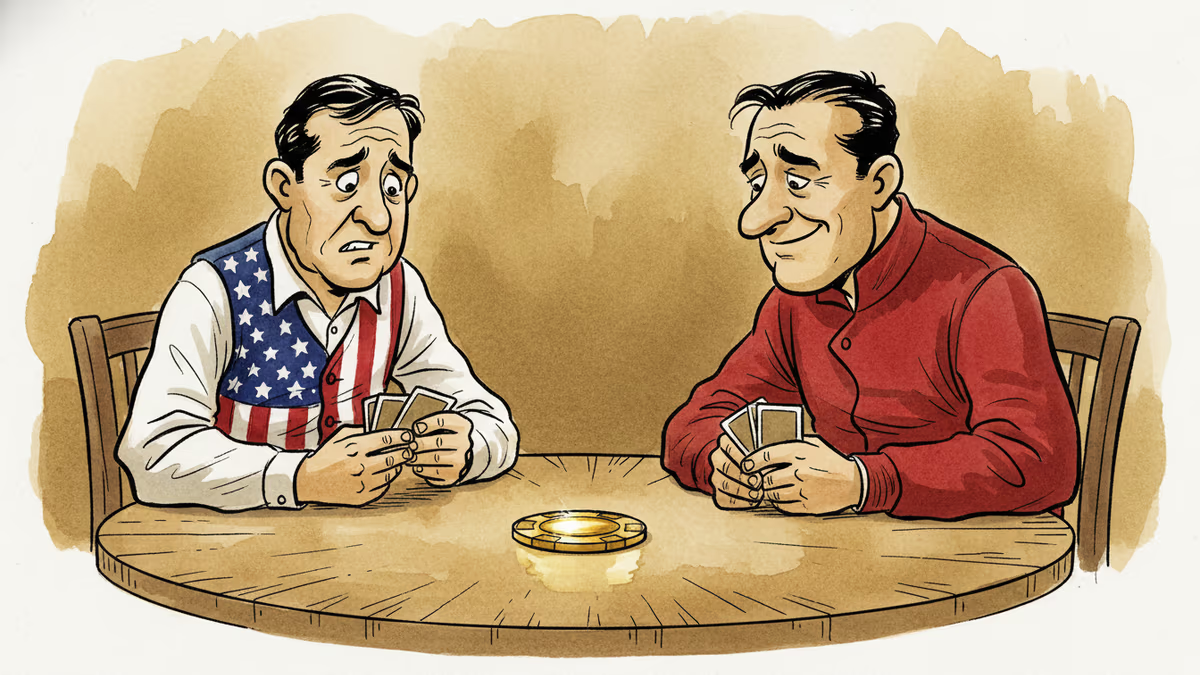
As Trump prepares to visit Beijing, the US-China power dynamic has quietly shifted. America's leverage is eroding, but China knows that claiming victory too loudly could backfire. A deep dive into the new balance of power.
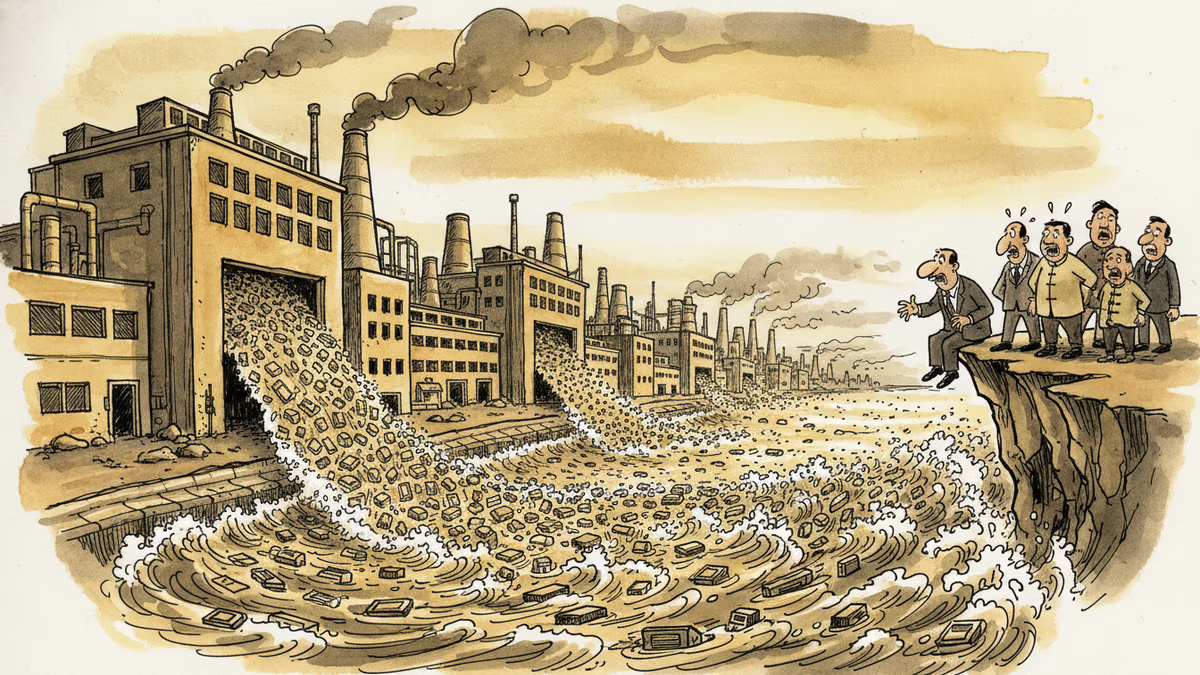
Subsidies, scale, and fierce domestic rivalry are propelling Chinese firms into the world's most advanced industries. Who wins, who loses, and what comes next?
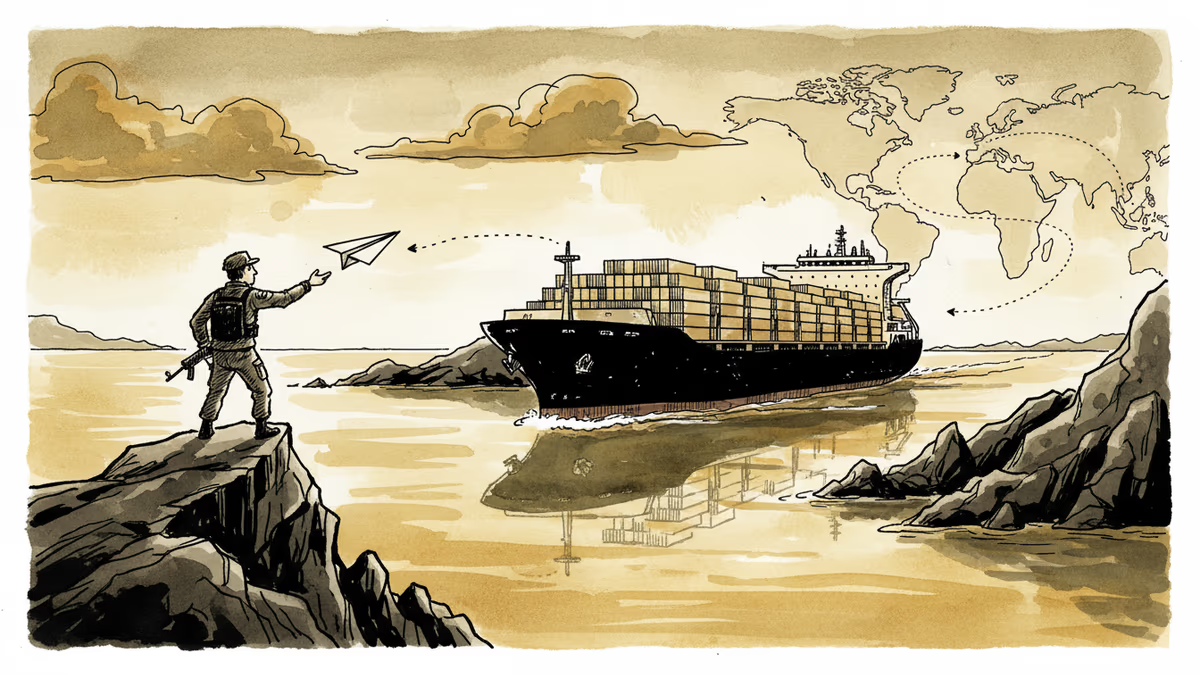
Yemen's Houthi rebels have resumed attacks on Red Sea shipping, threatening global trade routes that carry 12-15% of world container traffic. Here's what it means for prices, supply chains, and geopolitics.
The US president lands in Beijing for a two-day summit. Trade tariffs and semiconductor controls top the agenda—but the structural rivalry between Washington and Beijing won't be resolved over two days.
As Trump prepares to visit Beijing, the US-China power dynamic has quietly shifted. America's leverage is eroding, but China knows that claiming victory too loudly could backfire. A deep dive into the new balance of power.
Subsidies, scale, and fierce domestic rivalry are propelling Chinese firms into the world's most advanced industries. Who wins, who loses, and what comes next?
Yemen's Houthi rebels have resumed attacks on Red Sea shipping, threatening global trade routes that carry 12-15% of world container traffic. Here's what it means for prices, supply chains, and geopolitics.
Thoughts
Share your thoughts on this article
Sign in to join the conversation