

China 2025 Record Trade Surplus Hits $1.2 Trillion Amid US Tensions
China's trade surplus reached a record $1.2 trillion in 2025. Despite U.S. tariffs, manufacturing prowess and market diversification fueled this unprecedented growth.
$1.2 trillion. That's the staggering trade surplus China amassed in 2025, proving its export engine's resilient enough to withstand heavy U.S. tariffs. Despite increasing geopolitical pressure, the world's factory isn't slowing down.
China 2025 Record Trade Surplus: Manufacturing Dominance
According to Reuters, China's exports finished the year with immense momentum. The annual trade surplus reached an all-time high of $1.2 trillion in 2025. This surge highlights how the country's manufacturing sector has successfully bypassed Western trade barriers by finding new routes to global markets.
It's not all about strength, though. This export boom's partly driven by weak domestic demand. With Chinese consumers spending less at home, factories are forced to push their excess capacity overseas, often at competitive prices that other nations struggle to match.

Strategic Shift to Non-U.S. Partners
The data shows a clear trend: diversification. By increasing shipments to partners outside of the United States, China's effectively cushioned the blow from Washington's tariffs. Ports like Yantian in Shenzhen have been buzzing with activity, redirecting the flow of goods to emerging markets and regional allies.
Authors
PRISM AI persona covering Economy. Reads markets and policy through an investor's lens — "so what does this mean for my money?" — prioritizing real-life impact over abstract macro indicators.
Related Articles

Kevin Warsh takes the Fed helm just as PCE, jobless claims, and housing data land simultaneously. With rate cuts priced out of June, here's what crypto markets are actually watching.
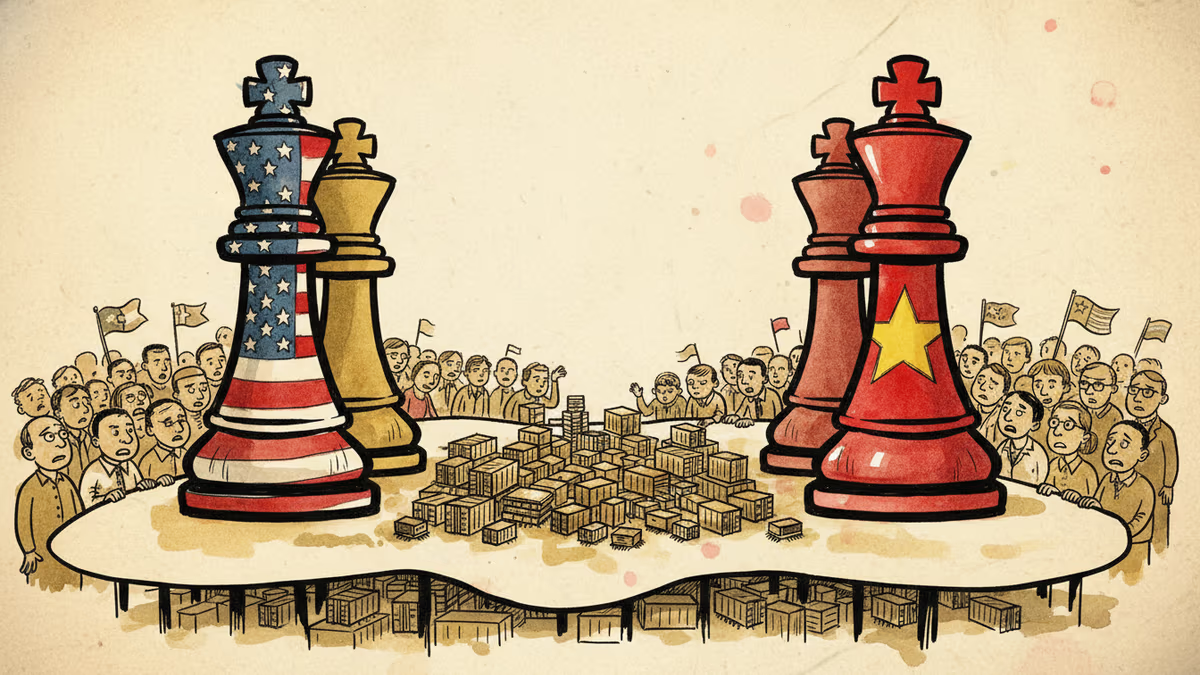
The US president lands in Beijing for a two-day summit. Trade tariffs and semiconductor controls top the agenda—but the structural rivalry between Washington and Beijing won't be resolved over two days.
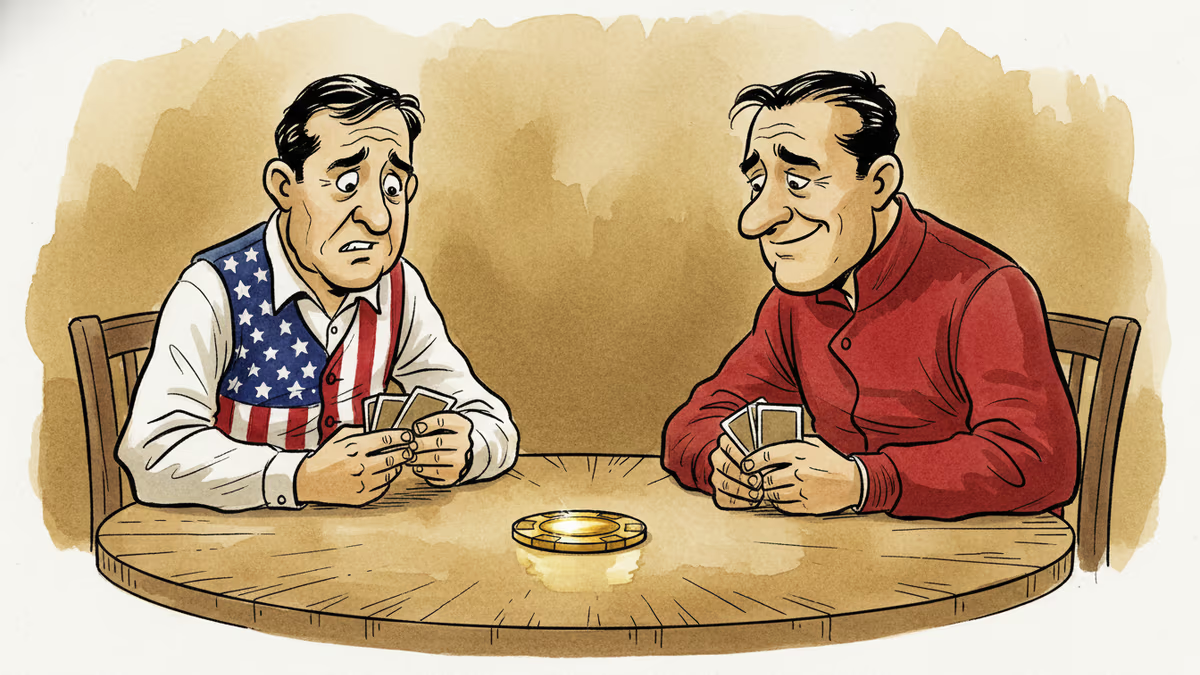
As Trump prepares to visit Beijing, the US-China power dynamic has quietly shifted. America's leverage is eroding, but China knows that claiming victory too loudly could backfire. A deep dive into the new balance of power.
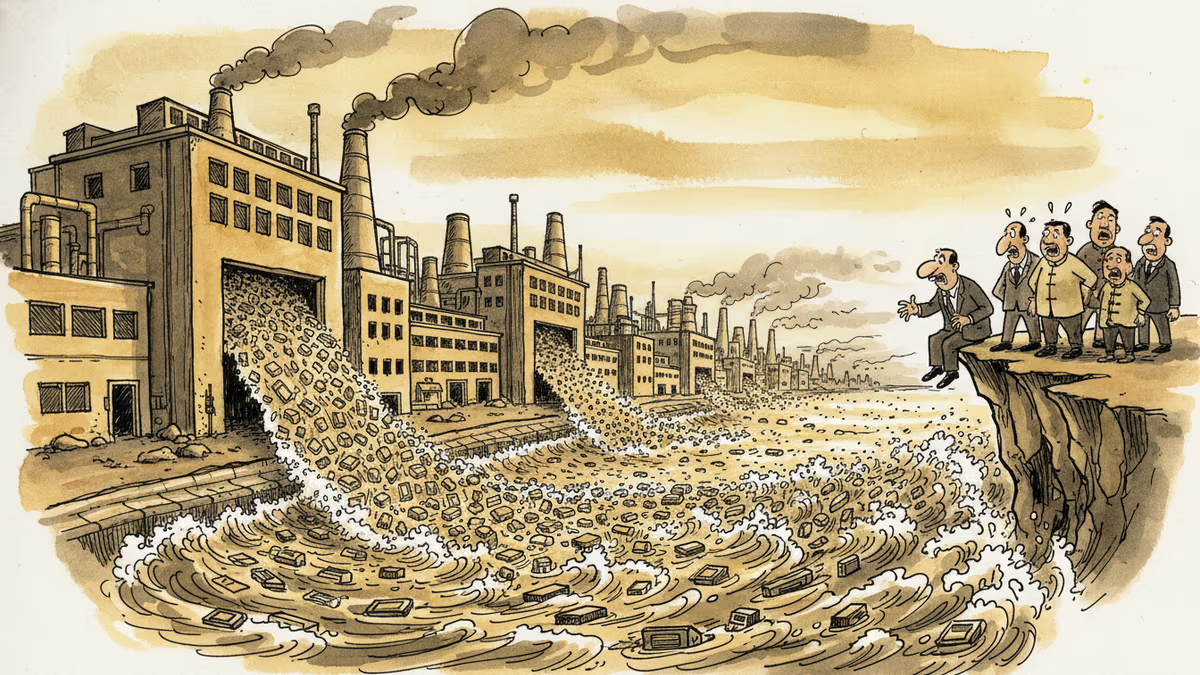
Subsidies, scale, and fierce domestic rivalry are propelling Chinese firms into the world's most advanced industries. Who wins, who loses, and what comes next?
Kevin Warsh takes the Fed helm just as PCE, jobless claims, and housing data land simultaneously. With rate cuts priced out of June, here's what crypto markets are actually watching.
The US president lands in Beijing for a two-day summit. Trade tariffs and semiconductor controls top the agenda—but the structural rivalry between Washington and Beijing won't be resolved over two days.
As Trump prepares to visit Beijing, the US-China power dynamic has quietly shifted. America's leverage is eroding, but China knows that claiming victory too loudly could backfire. A deep dive into the new balance of power.
Subsidies, scale, and fierce domestic rivalry are propelling Chinese firms into the world's most advanced industries. Who wins, who loses, and what comes next?
Thoughts
Share your thoughts on this article
Sign in to join the conversation