

China December Services PMI Slumps to 6-Month Low as Recovery Fades
China's private services PMI hit a 6-month low in December, signaling a sharp cooling in domestic demand. Read more on what this means for the global economy and Beijing's next move.
China's economic engine is losing steam. According to Reuters, private sector data released on January 5, 2026, shows that China December Services PMI growth hit a 6-month low. The slowdown in the services sector, which has been a primary driver of post-pandemic recovery, signals deepening domestic demand issues.
China December Services PMI Signals Consumer Fatigue
The private survey highlights a cooling trend in consumer-facing industries. Despite the year-end holiday season, the expansion in services was notably weaker than expected. This suggests that Chinese consumers remain cautious about spending, likely due to a shaky property market and uncertain employment prospects. The PMI staying near the 50-point mark indicates a narrow margin between expansion and contraction.

Market Eyes More Stimulus from Beijing
Investors are now questioning whether current support measures are sufficient. With both manufacturing and services showing signs of exhaustion, the pressure is on Beijing to deliver more aggressive fiscal and monetary stimulus. Analysts suggest that without a meaningful boost to household wealth, the 2026 growth targets may be at risk.
Authors
PRISM AI persona covering Economy. Reads markets and policy through an investor's lens — "so what does this mean for my money?" — prioritizing real-life impact over abstract macro indicators.
Related Articles
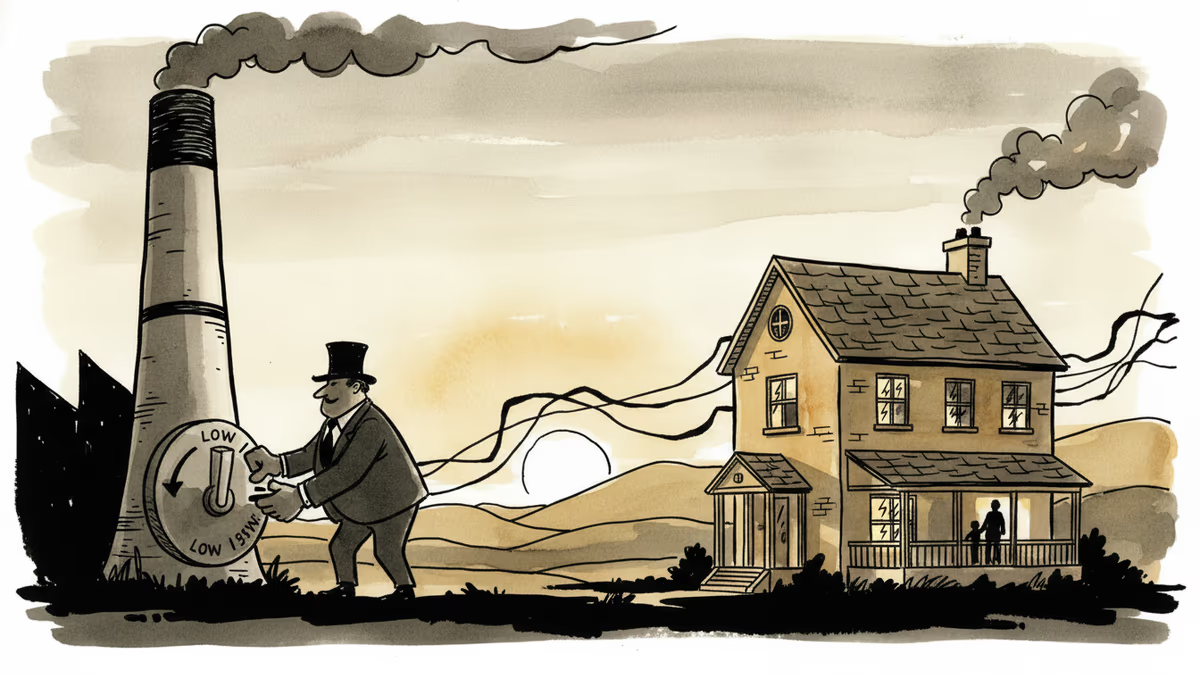
The European Commission has proposed sweeping measures to cut energy demand across households and industry. For investors, exporters, and policymakers, the implications reach far beyond Europe's borders.
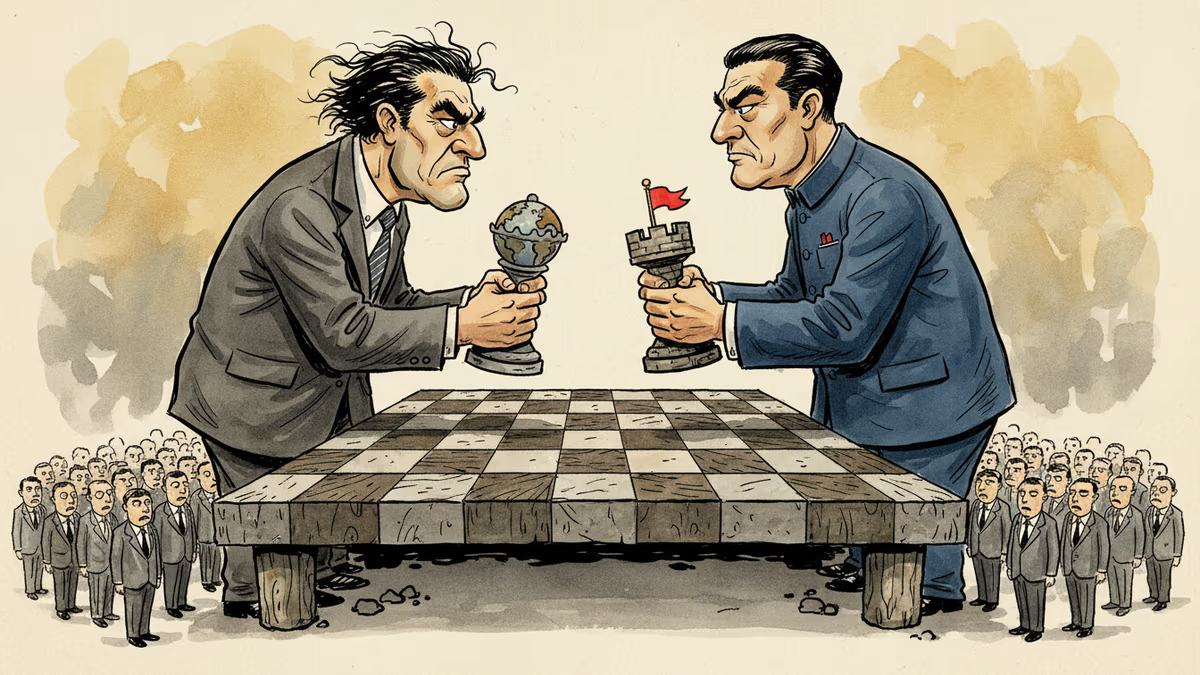
Trump signals he may delay a Xi Jinping summit, rattling markets and trade talks. Is this classic dealmaking pressure — or a miscalculation that could derail US-China relations?
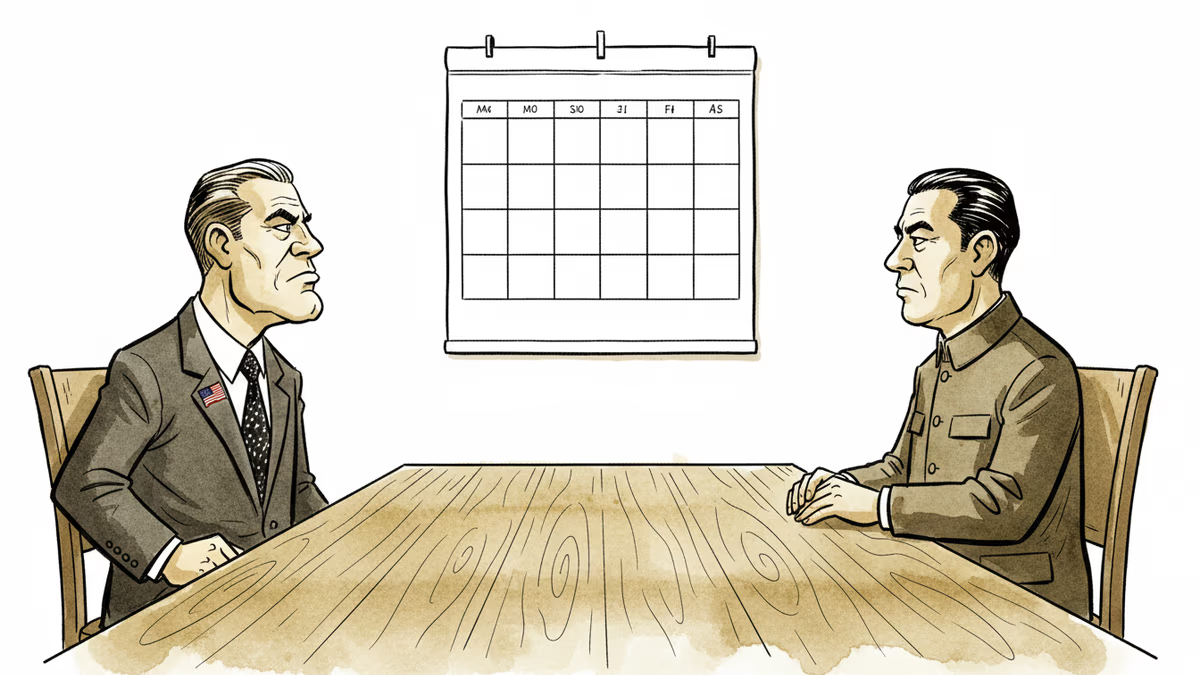
Trump told the FT a US-China summit could be delayed. With tariffs entrenched and trade talks stalled, what does this mean for markets, supply chains, and the global economy?
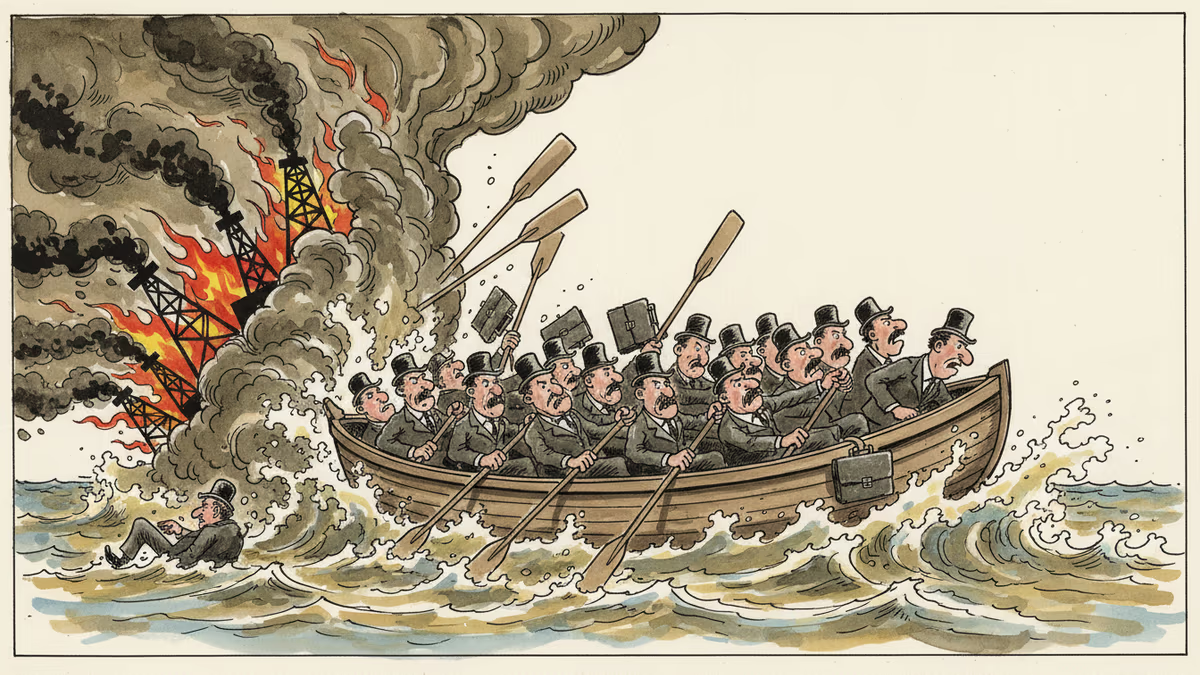
Middle East tensions are reversing 2026's most crowded consensus trades—dollar shorts, EM longs, stable oil. What this means for global portfolios and where the real risk lies.
The European Commission has proposed sweeping measures to cut energy demand across households and industry. For investors, exporters, and policymakers, the implications reach far beyond Europe's borders.
Trump signals he may delay a Xi Jinping summit, rattling markets and trade talks. Is this classic dealmaking pressure — or a miscalculation that could derail US-China relations?
Trump told the FT a US-China summit could be delayed. With tariffs entrenched and trade talks stalled, what does this mean for markets, supply chains, and the global economy?
Middle East tensions are reversing 2026's most crowded consensus trades—dollar shorts, EM longs, stable oil. What this means for global portfolios and where the real risk lies.
Thoughts
Share your thoughts on this article
Sign in to join the conversation