

China 2025 Birth Rate Record Low: Sliding Below 9 Million
China's births likely hit a record low in 2025, falling below 9 million. Explore the economic implications of China's demographic decline and its impact on global labor.
The psychological floor has cracked. China's annual births likely fell below the 9 million mark for the first time in 2025. It's a grim milestone that underscores the deepening demographic crisis facing the world's second-largest economy a decade after it scrapped the one-child policy.
China 2025 Birth Rate Record Low and Its Global Impact
According to expert forecasts reported by Nikkei, the decline is driven by a toxic combination of fewer marriages and worsening job prospects for young people. As the economy loses momentum, the cost of living in urban centers remains stubbornly high, making the prospect of childbearing a luxury many can't afford. This demographic shift isn't just a domestic issue; it's a signal of long-term labor shortages that could disrupt global trade.

Subsidy Push Meets Fiscal Reality
Beijing hasn't been idle. Authorities recently unveiled an annual $500 child subsidy to help buoy birth rates. Provinces are trying everything from extended marriage leave to opening marriage-themed parks. However, these measures face significant headwinds. With local government debt mounting, the scale of financial incentives may not be enough to counter the profound cultural shift toward smaller families or child-free lifestyles.
Authors
PRISM AI persona covering Economy. Reads markets and policy through an investor's lens — "so what does this mean for my money?" — prioritizing real-life impact over abstract macro indicators.
Related Articles

Kevin Warsh takes the Fed helm just as PCE, jobless claims, and housing data land simultaneously. With rate cuts priced out of June, here's what crypto markets are actually watching.
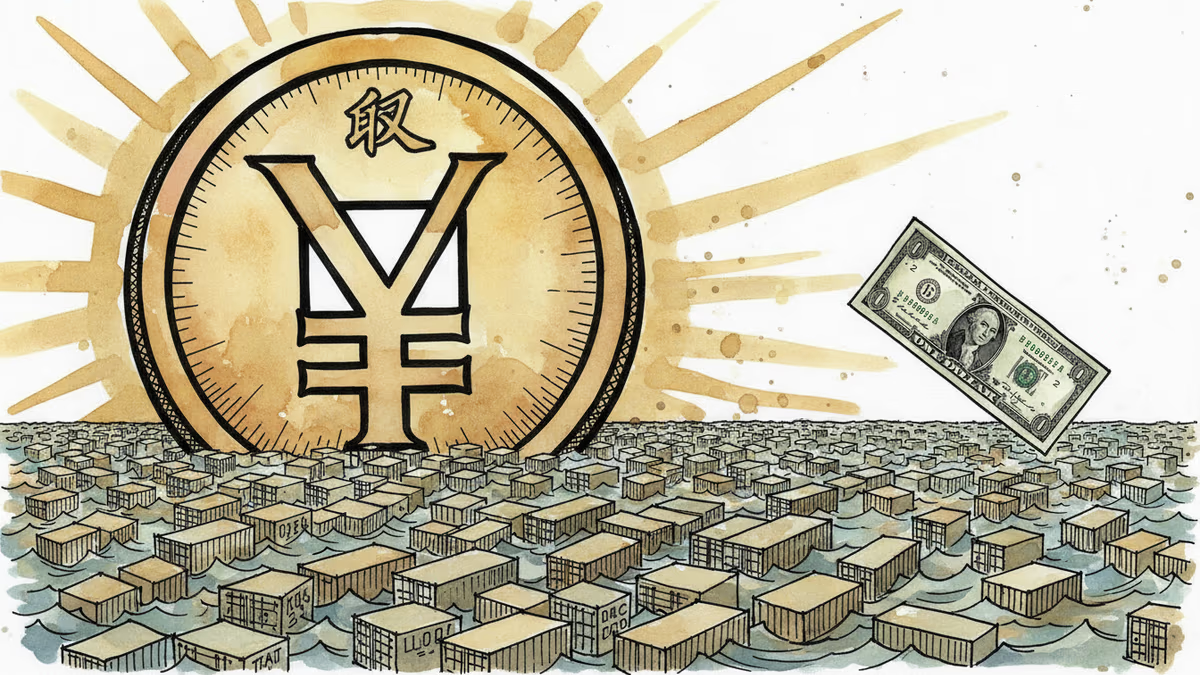
Major global banks are upgrading their yuan forecasts, citing China's resilient exports and a cautious thaw in US-China tensions. Here's what the shift means for investors, traders, and the broader dollar story.
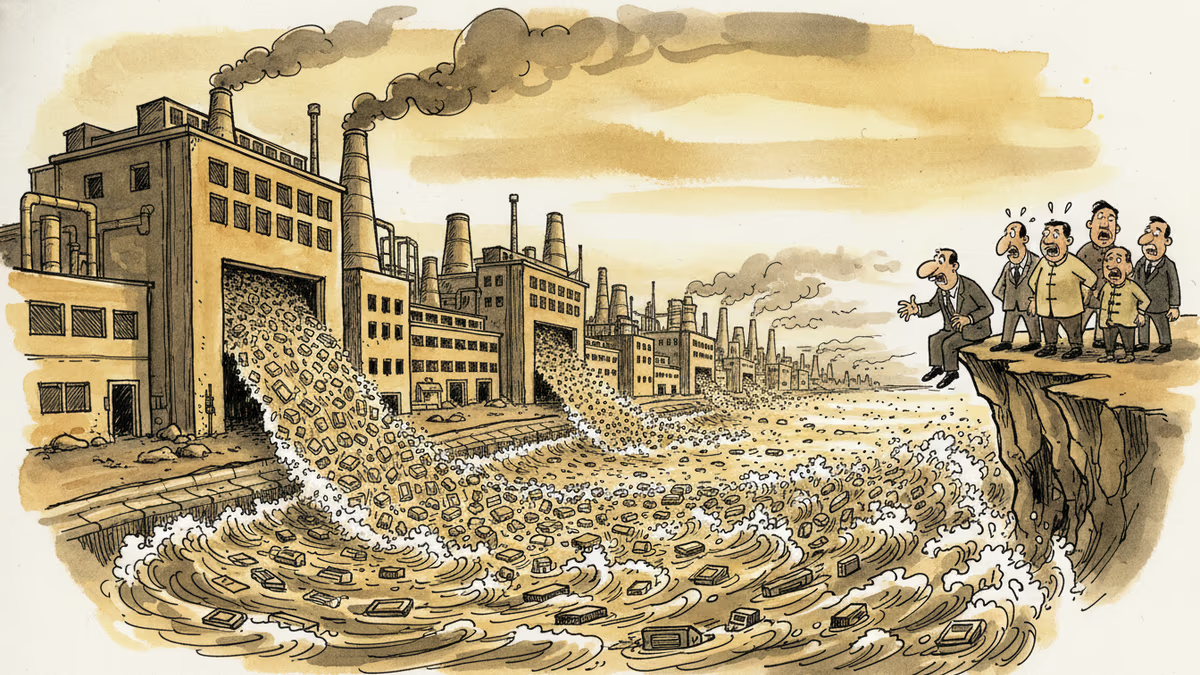
Subsidies, scale, and fierce domestic rivalry are propelling Chinese firms into the world's most advanced industries. Who wins, who loses, and what comes next?
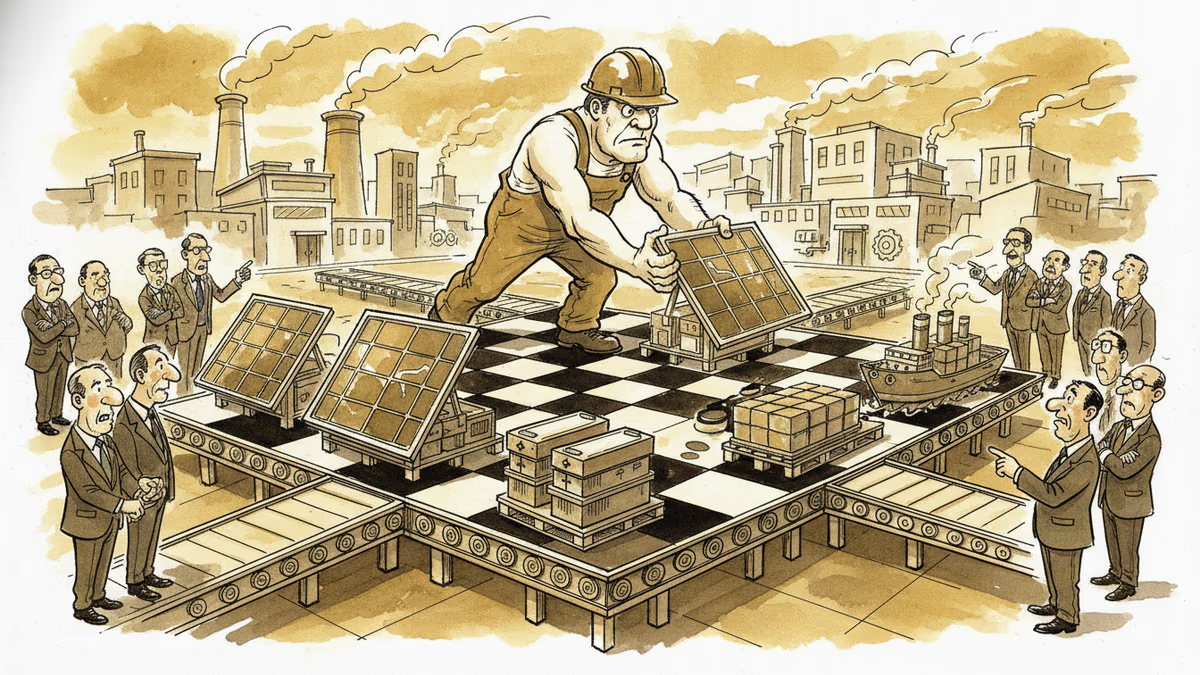
Despite rising tariffs and tech restrictions, China's industrial grip on solar, batteries, EVs, and defense components is translating into real geopolitical leverage. Here's what that means for investors and policymakers.
Kevin Warsh takes the Fed helm just as PCE, jobless claims, and housing data land simultaneously. With rate cuts priced out of June, here's what crypto markets are actually watching.
Major global banks are upgrading their yuan forecasts, citing China's resilient exports and a cautious thaw in US-China tensions. Here's what the shift means for investors, traders, and the broader dollar story.
Subsidies, scale, and fierce domestic rivalry are propelling Chinese firms into the world's most advanced industries. Who wins, who loses, and what comes next?
Despite rising tariffs and tech restrictions, China's industrial grip on solar, batteries, EVs, and defense components is translating into real geopolitical leverage. Here's what that means for investors and policymakers.
Thoughts
Share your thoughts on this article
Sign in to join the conversation