
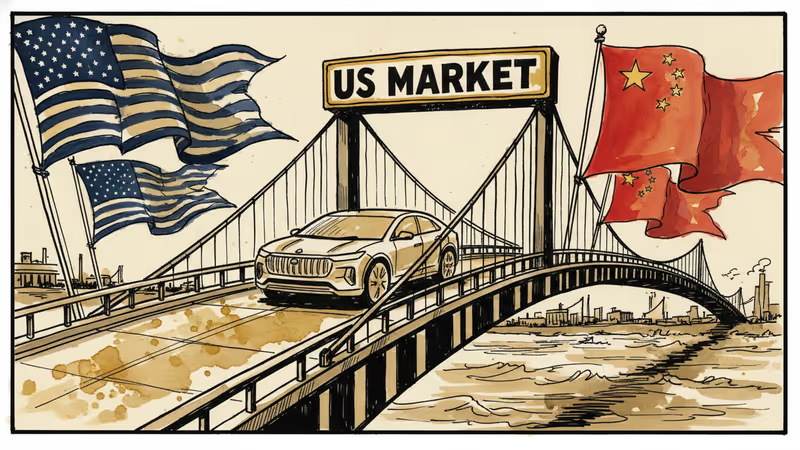
Chinese Cars Are Finally Coming to America—But Are We Ready?
After years of tariffs and tensions, Chinese automakers like Geely are finding ways into the US market. What does this mean for American consumers and the auto industry?
Geely wants to sell cars in America. That sentence alone would have seemed impossible just a few years ago, when 100% tariffs and geopolitical tensions created an impenetrable wall around the US auto market. But the Chinese automaker—owner of Volvo Cars—has found a potential pathway through its existing South Carolina assembly plant.
The strategy is clever: Build Chinese-designed vehicles in American factories, bypassing the tariff barriers that have kept Chinese cars out of US showrooms. It's a move that could reshape the American automotive landscape in ways we're only beginning to understand.
The Chinese Auto Revolution Nobody Saw Coming
China didn't just become the world's largest auto market—it became the largest car exporter, surpassing traditional powerhouses like Germany and Japan. Chinese automakers like BYD, Geely, and NIO have spent years perfecting their craft, often with technology that rivals or exceeds what American consumers currently drive.
These aren't the cheap knockoffs of decades past. Chinese electric vehicles feature cutting-edge battery technology, sophisticated autonomous driving systems, and price points that would make Tesla executives nervous. BYD's latest models offer 400-mile ranges at prices 30-40% lower than comparable American EVs.
Yet American consumers have been locked out of this automotive revolution by trade policies designed to protect domestic manufacturers. The question isn't whether Chinese cars are good enough for America—it's whether America is ready for Chinese cars.
The Geely Gateway Strategy

Geely's approach through Volvo represents more than just corporate maneuvering. It's a test case for how Chinese automakers might navigate the complex web of American trade, safety, and political considerations. The South Carolina plant already produces vehicles that meet US safety standards and employ American workers.
But this strategy raises fascinating questions about what makes a car "American" or "Chinese" in a globalized economy. If a Chinese company designs a vehicle, but American workers build it with globally sourced parts, which country gets credit—or blame?
The automotive industry has always been global, but Chinese entry into the US market would accelerate this trend dramatically. American consumers could benefit from increased competition, lower prices, and access to technologies that US automakers have been slower to develop.
The Ripple Effects Nobody's Talking About
Chinese automakers entering the US market would trigger changes far beyond the showroom floor. American auto workers might find themselves competing with Chinese efficiency and innovation, potentially forcing domestic manufacturers to accelerate their own transformation.
For consumers, the implications are equally complex. Lower prices and better technology sound appealing, but they come with questions about data privacy, supply chain security, and long-term service support. Chinese cars are already collecting vast amounts of data in other markets—how would that work in a country increasingly concerned about Chinese surveillance?
The timing is particularly significant as the US pushes toward electric vehicle adoption. Chinese companies have a significant head start in EV technology and manufacturing scale. Keeping them out might protect American jobs in the short term, but could leave American consumers with fewer options and higher prices in the long run.
Authors
Related Articles
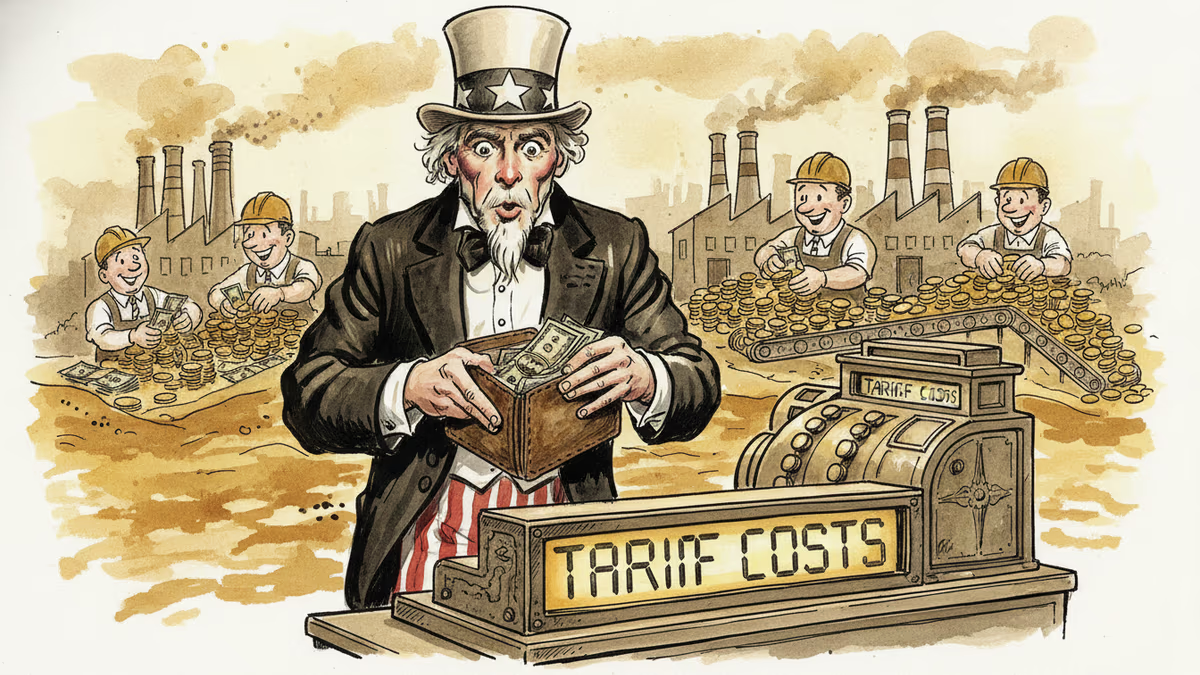
Federal Reserve research shows US businesses and consumers bore nearly 90% of Trump's tariff costs in 2025, contradicting claims that foreign companies would pay.
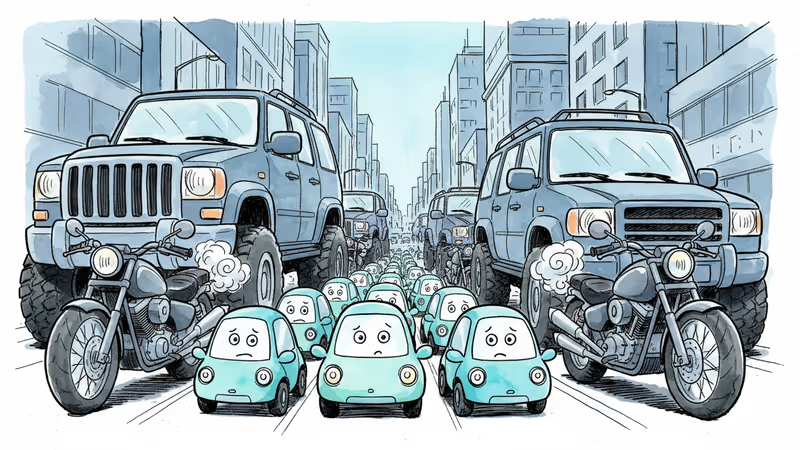
Despite urban mobility needs, micro EVs capture just 1% of the global EV market. Are they the future of city transport or stuck in an uncomfortable middle ground?
Ford is pivoting from all-in on EVs to a hybrid-focused future. Our analysis reveals why this retreat is a brilliant strategic move for investors and the industry.
Five stories from late September, traced to where the paper trail stops: Korea's export record, Nvidia's Hugging Face 8-K, a US-China AI channel, the UN on AI, and rising births.
Federal Reserve research shows US businesses and consumers bore nearly 90% of Trump's tariff costs in 2025, contradicting claims that foreign companies would pay.
Despite urban mobility needs, micro EVs capture just 1% of the global EV market. Are they the future of city transport or stuck in an uncomfortable middle ground?
Ford is pivoting from all-in on EVs to a hybrid-focused future. Our analysis reveals why this retreat is a brilliant strategic move for investors and the industry.
Five stories from late September, traced to where the paper trail stops: Korea's export record, Nvidia's Hugging Face 8-K, a US-China AI channel, the UN on AI, and rising births.
Thoughts
Share your thoughts on this article
Sign in to join the conversation