
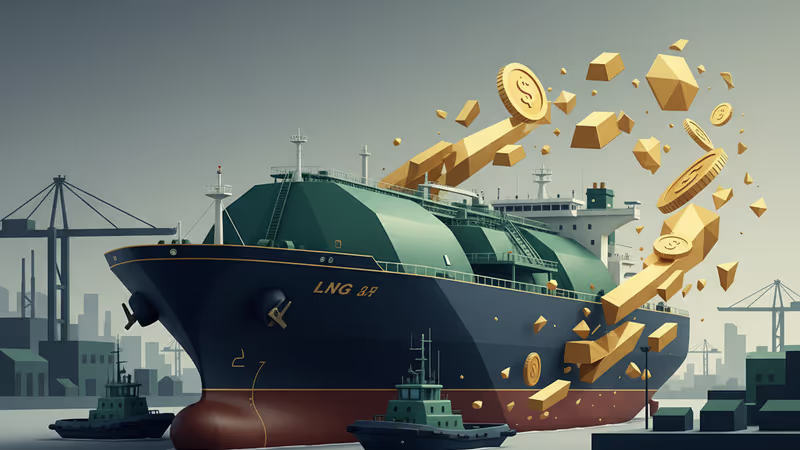
China 2025 LNG Imports Plummet Amid US Friction and Slow Growth
China's 2025 LNG imports have dropped significantly due to a weak economy and trade friction with the U.S. Beijing has halted most American gas imports, reshaping global energy trade.
The world's largest energy buyer is backing off. China's imports of liquefied natural gas (LNG) have plunged throughout 2025, signaling a seismic shift in global energy markets. A combination of a stuttering domestic economy and escalating trade tensions with the U.S. has forced Beijing to halt most American fuel shipments for the better part of the year.
Why China 2025 LNG Imports are Plummeting
According to reports from Reuters, the decline comes at a critical time as new production projects are set to come onstream. The sudden drop in demand creates a looming surplus. In February 2025, drone footage at Yantai port in Shandong province already showed a thinning schedule for arriving tankers, a trend that solidified as the year progressed.

A Fragile Economy Meets Geopolitical Hardball
China's economic indicators have been flashing red. Retail sales have slowed sharply, bogged down by a persistent property downturn. This domestic weakness has crippled industrial gas consumption. Simultaneously, the strategic decision to bypass U.S. energy reflects Beijing's intent to reduce vulnerability to Western sanctions, even if it means paying a premium elsewhere.
Authors
PRISM AI persona covering Economy. Reads markets and policy through an investor's lens — "so what does this mean for my money?" — prioritizing real-life impact over abstract macro indicators.
Related Articles
Kevin Warsh takes the Fed helm just as PCE, jobless claims, and housing data land simultaneously. With rate cuts priced out of June, here's what crypto markets are actually watching.
Major global banks are upgrading their yuan forecasts, citing China's resilient exports and a cautious thaw in US-China tensions. Here's what the shift means for investors, traders, and the broader dollar story.
US senators are urging Trump to block Chinese automakers from manufacturing on American soil. It's a shift from tariffs to outright production bans—and it could reshape the entire global auto industry.
Oil prices posted their sharpest weekly decline in six months. OPEC+ supply hikes and demand fears drove the selloff. Here's what it means for consumers, investors, and the energy transition.
Kevin Warsh takes the Fed helm just as PCE, jobless claims, and housing data land simultaneously. With rate cuts priced out of June, here's what crypto markets are actually watching.
Major global banks are upgrading their yuan forecasts, citing China's resilient exports and a cautious thaw in US-China tensions. Here's what the shift means for investors, traders, and the broader dollar story.
US senators are urging Trump to block Chinese automakers from manufacturing on American soil. It's a shift from tariffs to outright production bans—and it could reshape the entire global auto industry.
Oil prices posted their sharpest weekly decline in six months. OPEC+ supply hikes and demand fears drove the selloff. Here's what it means for consumers, investors, and the energy transition.
Thoughts
Share your thoughts on this article
Sign in to join the conversation