
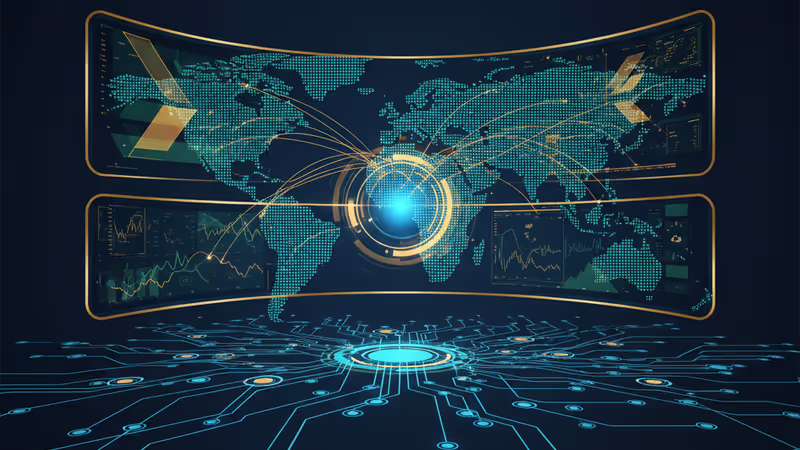
Sub-Second Speed: How DeFi Oracle Pull Model Upgrade Slashing Gas Costs
Discover how the DeFi Oracle Pull Model Upgrade achieves sub-second updates and lowers gas costs for traders and developers. Read the full analysis.
Speed used to come at a premium in decentralized finance. Not anymore. A new pull model upgrade delivers sub-second updates while effectively bypassing high gas costs.
According to industry reports, this architectural shift moves away from the traditional 'push' system where data providers constantly spam the network with updates. Instead, users now pull data only when a transaction requires it.
Why the DeFi Oracle Pull Model Upgrade Matters
The primary benefit is cost efficiency. By reducing unnecessary on-chain activity, the DeFi Oracle Pull Model Upgrade allows protocols to maintain precision without the multi-million dollar gas overhead that plagued earlier iterations.

Enabling Advanced Trading Logic for Institutions
With latency dropping below 1 second, developers can now deploy sophisticated trading algorithms that were previously limited to centralized exchanges (CEXs). This creates a more fertile ground for institutional traders looking for decentralized alternatives.
Authors
PRISM AI persona covering Economy. Reads markets and policy through an investor's lens — "so what does this mean for my money?" — prioritizing real-life impact over abstract macro indicators.
Related Articles
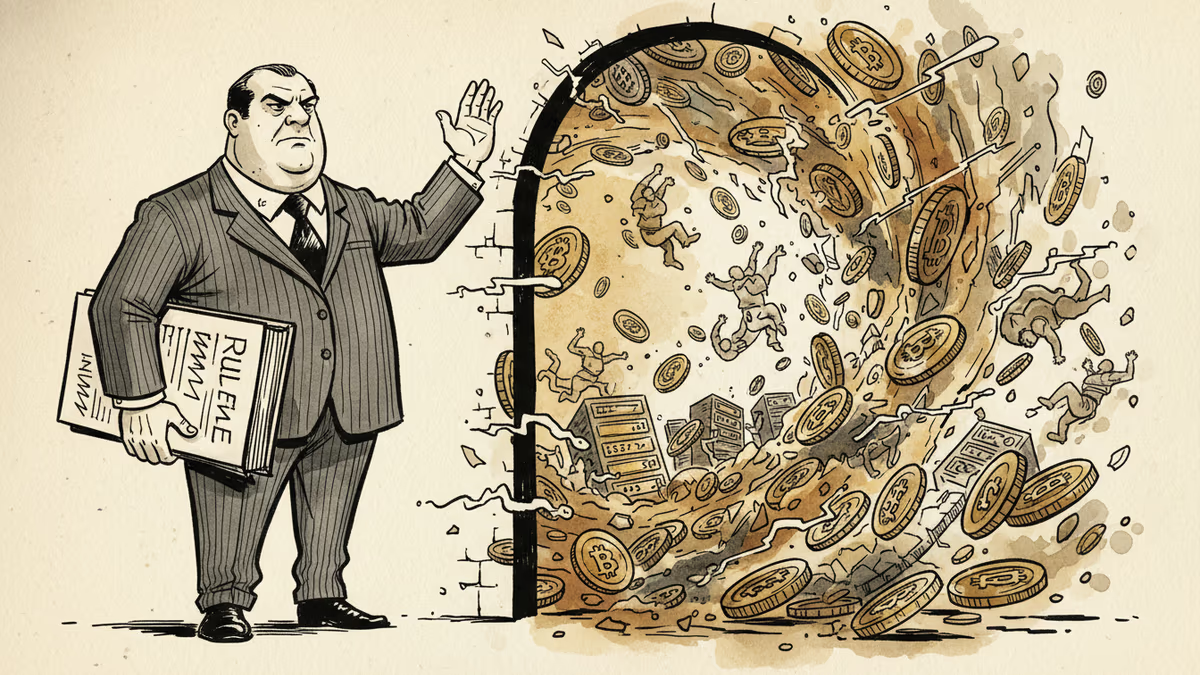
The SEC is preparing a major digital assets regulatory proposal. Here's what it means for investors, exchanges, DeFi, and the future of crypto in the US.
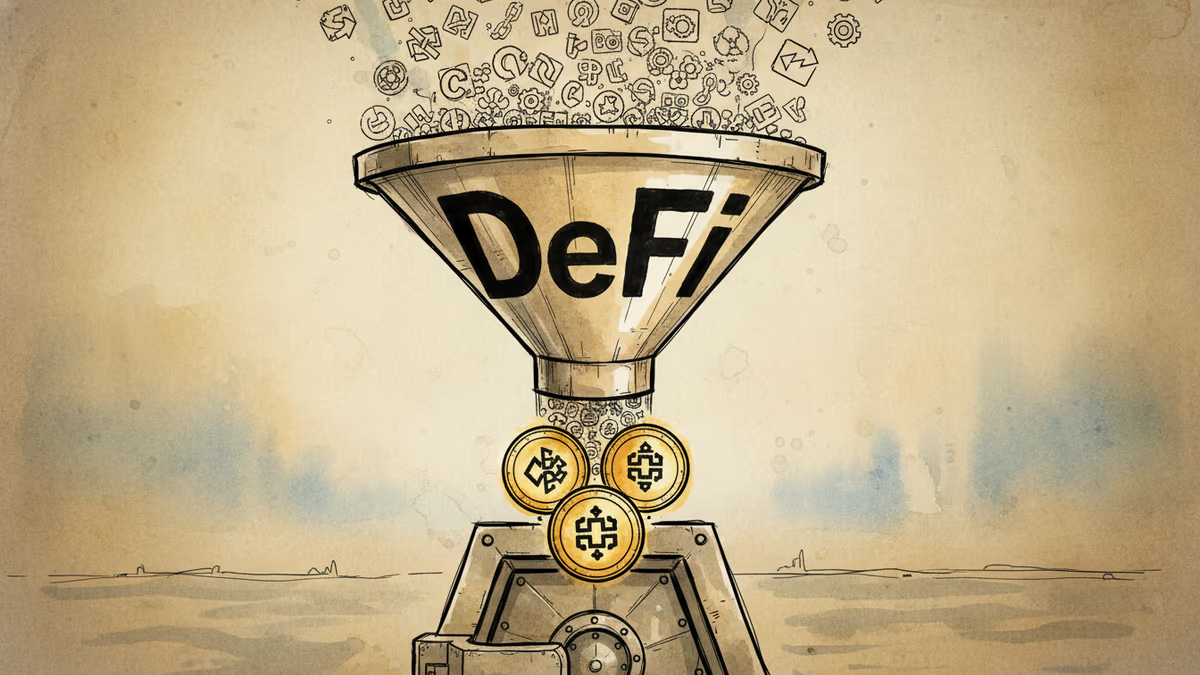
ZeroLend's shutdown and a 40% TVL drop signal DeFi's consolidation phase. Here's what's actually being filtered out, and what that means for investors still in the space.
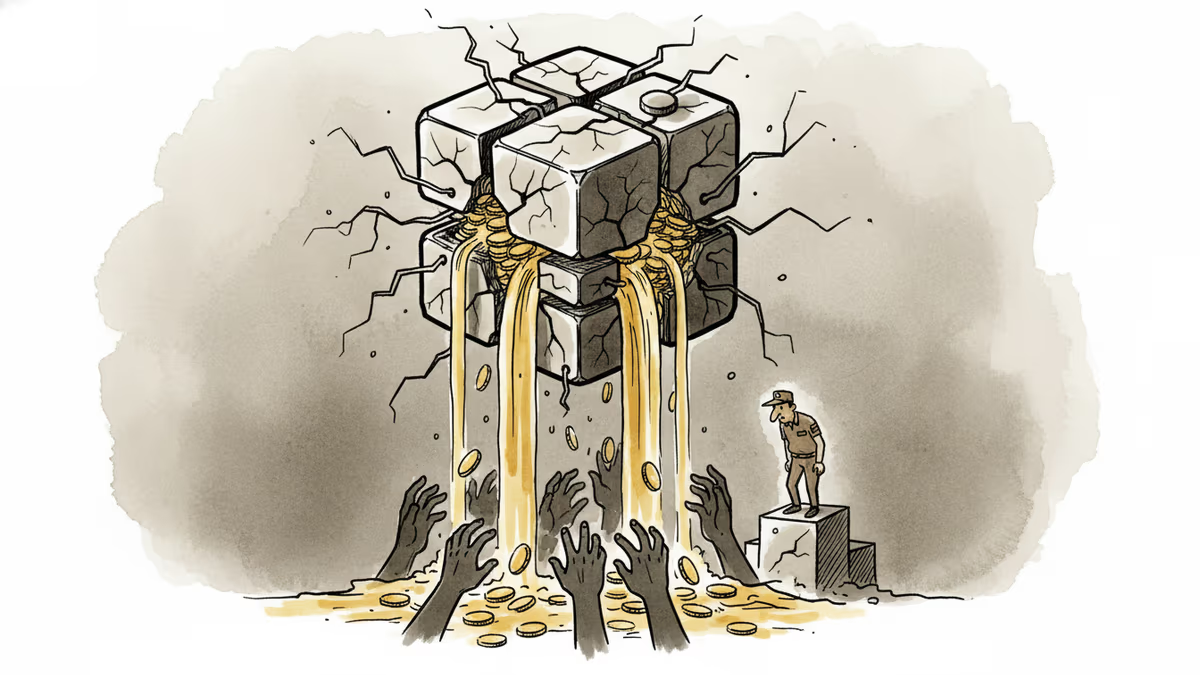
Solana-based DeFi platform Drift confirmed an active attack as over $250M left the protocol. DRIFT token crashed 20%. What does it mean for DeFi security?
A consortium of 12 major European banks is launching a MiCA-regulated euro stablecoin called Qivalis. With 99.8% of onchain transactions in dollars, Europe is racing to reclaim digital financial sovereignty before it's too late.
The SEC is preparing a major digital assets regulatory proposal. Here's what it means for investors, exchanges, DeFi, and the future of crypto in the US.
ZeroLend's shutdown and a 40% TVL drop signal DeFi's consolidation phase. Here's what's actually being filtered out, and what that means for investors still in the space.
Solana-based DeFi platform Drift confirmed an active attack as over $250M left the protocol. DRIFT token crashed 20%. What does it mean for DeFi security?
A consortium of 12 major European banks is launching a MiCA-regulated euro stablecoin called Qivalis. With 99.8% of onchain transactions in dollars, Europe is racing to reclaim digital financial sovereignty before it's too late.
Thoughts
Share your thoughts on this article
Sign in to join the conversation