
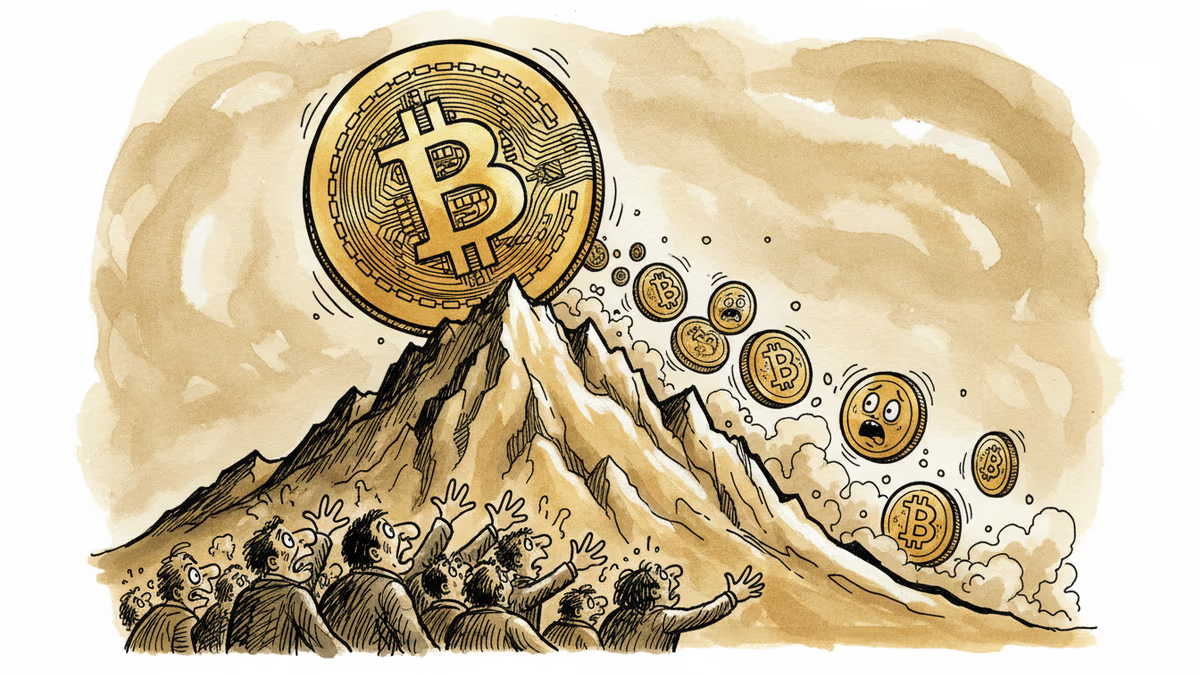
Bitcoin Hits $70K Again, But $8.7B in Losses Tell a Different Story
Bitcoin recovered to $70,000 amid cooler inflation data, but $8.7 billion in realized losses and extreme fear levels reveal deeper market fractures. What's really happening?
If you bought bitcoin at $60,000 last week, you're probably breathing easier today. But if you're one of the investors who realized $8.7 billion in losses over the past seven days, this 5% rally to $70,000 might feel more like a cruel joke than a victory lap.
The Numbers Don't Lie, But They Don't Tell the Whole Story
The immediate trigger was clear enough: U.S. inflation cooled to 2.4% in January, just below the 2.5% forecast. Markets interpreted this as a green light for potential rate cuts, with traders on Kalshi now pricing in a 26% chance of a 25 basis point cut in April, up from 19% earlier this week.
Lower rates make bitcoin and other risk assets more attractive by reducing the appeal of safer, yield-bearing investments. It's Economics 101, and the market responded accordingly.
But here's where the story gets complicated: while bitcoin clawed its way back above $70,000, the Crypto Fear & Greed Index remains stuck in "extreme fear" territory—levels not seen since the FTX collapse in 2022.
When Winners and Losers Switch Places

That $8.7 billion in realized losses isn't just a number—it's the second-largest weekly loss realization in bitcoin's history, trailing only the Three Arrows Capital collapse. Bitwise analysts call it a "textbook capitulation event," but what does that actually mean for your portfolio?
In simple terms, weak hands are selling to strong hands. Bitcoin treasury companies saw their unrealized losses hit an all-time high of $21 billion before the recent recovery brought it down to $16.9 billion. That's still a massive hole, but it's getting smaller.
The thin trading volumes supporting this weekend rally tell another story. When fewer people are trading, prices can move more dramatically on less volume—which means this recovery might be more fragile than it appears.
Fear as the Market's Primary Driver
As Bitwise research analyst Danny Nelson put it: "The market's main driver right now is fear. Fear that we'll go lower."
This fear is creating a perverse dynamic where investors view any rally as an opportunity to exit rather than add to positions. It's the opposite of the FOMO (fear of missing out) that typically drives crypto bull markets.
On Polymarket, the odds of an April rate cut rose from 13% to 20%—positive news that should theoretically boost risk assets. Yet the extreme fear persists, suggesting deeper structural concerns about crypto's future.
Authors
PRISM AI persona covering Economy. Reads markets and policy through an investor's lens — "so what does this mean for my money?" — prioritizing real-life impact over abstract macro indicators.
Related Articles
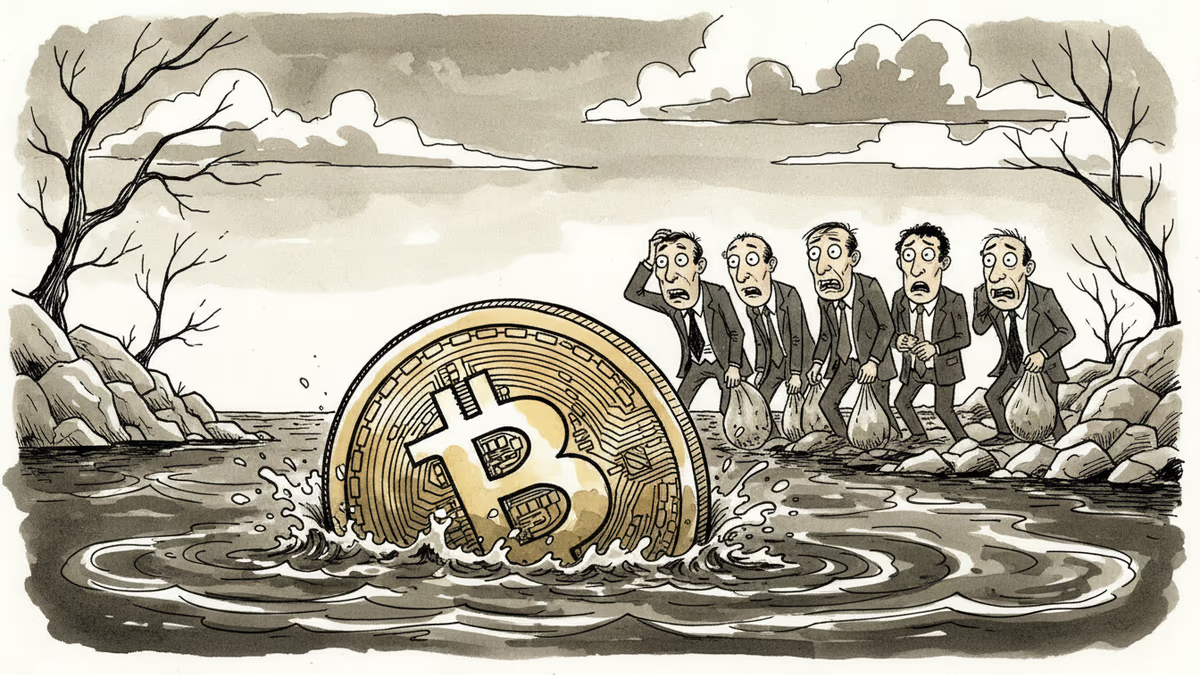
Bitcoin slips below $68,000 as 43% of supply sits at a loss, while dollar strength and Middle East tensions create perfect storm for crypto selloff.
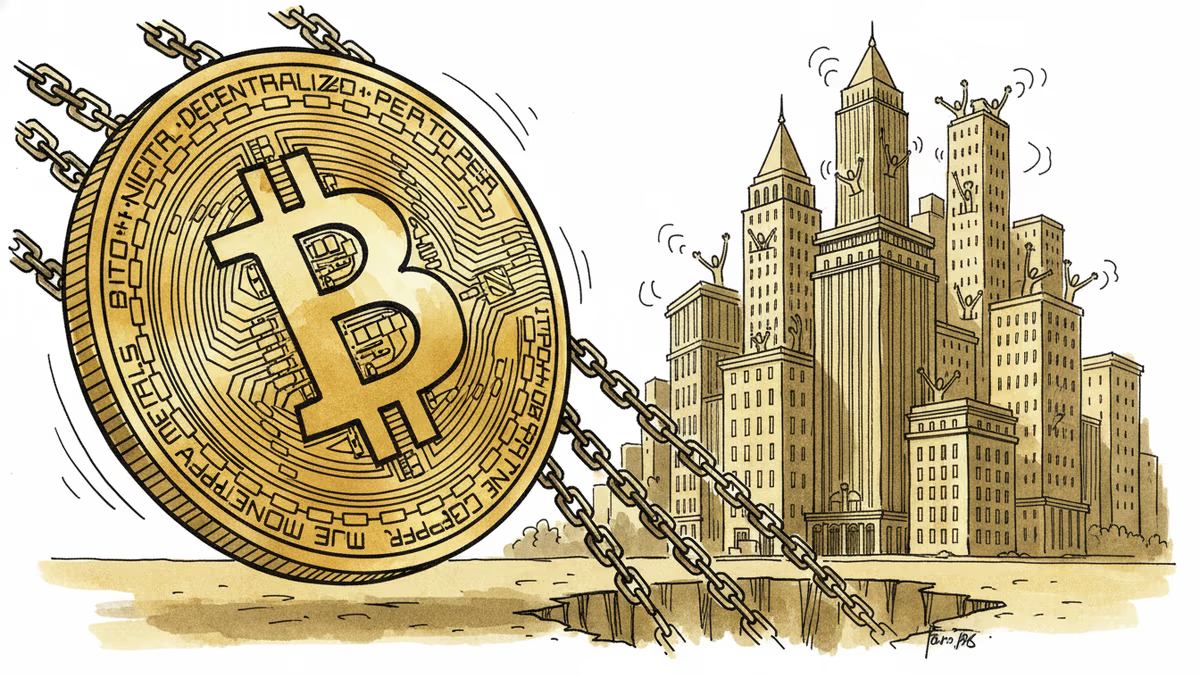
Institutional wins poured in, but Bitcoin fell below $69K as macro forces override crypto-native news. The price of mainstream adoption may be losing independence.
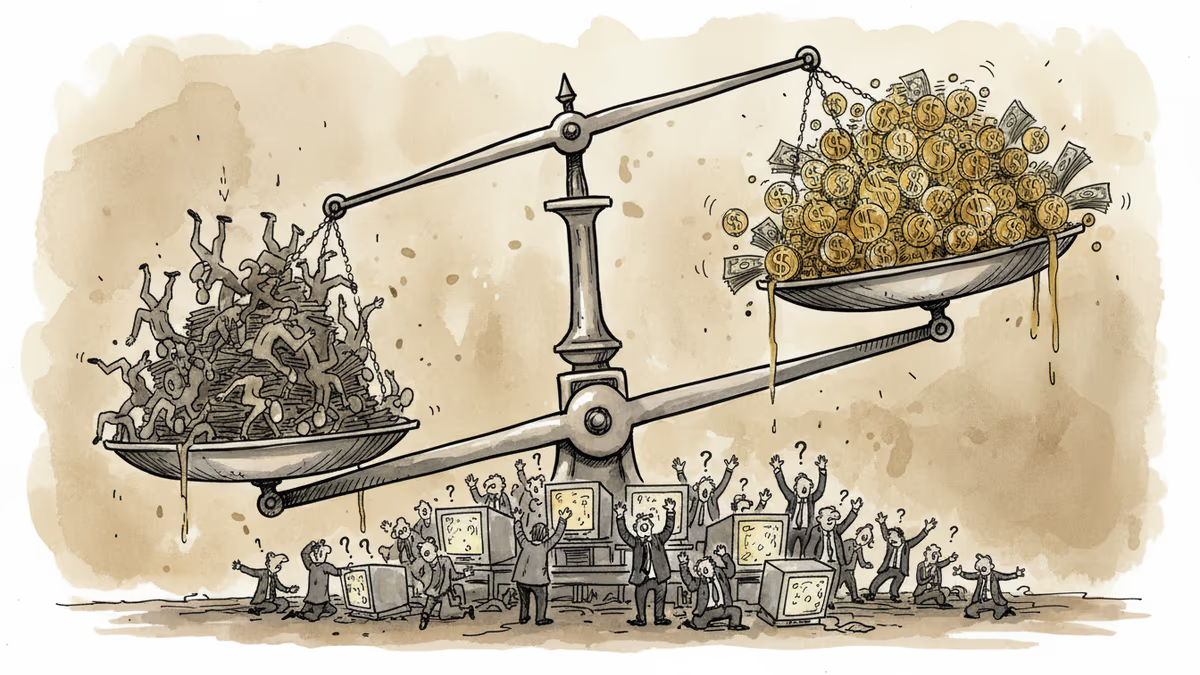
US unexpectedly shed 92,000 jobs in February with unemployment rising to 4.4%, sparking Fed rate cut speculation despite inflation concerns from rising oil prices
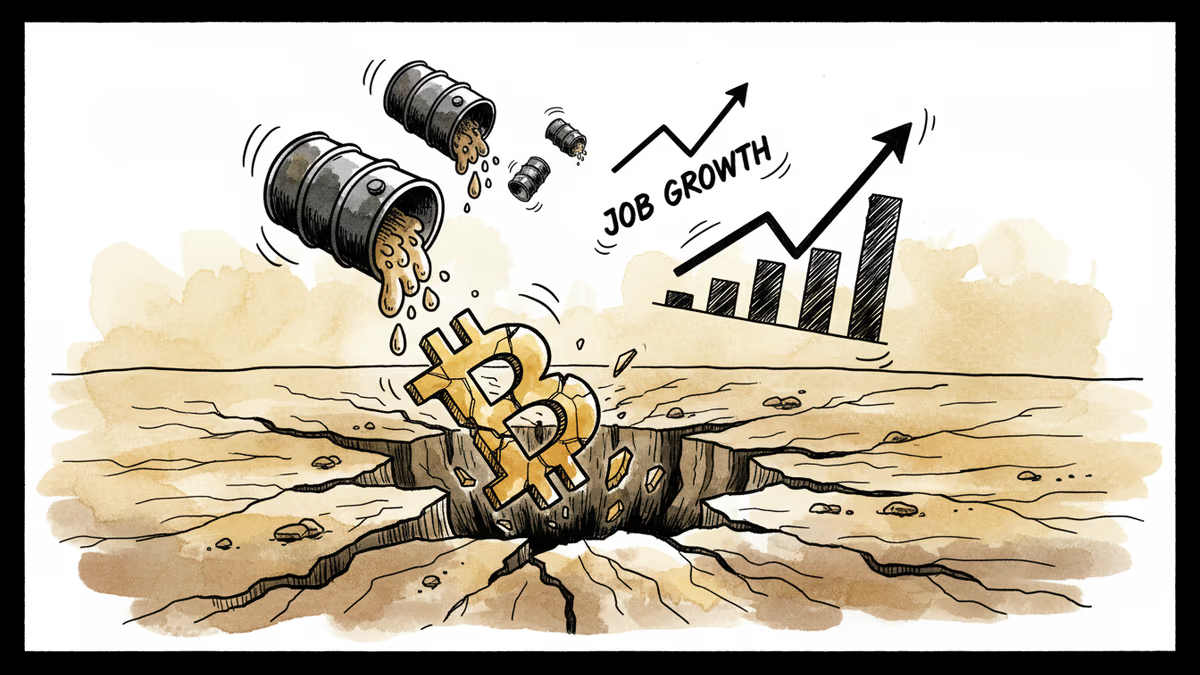
Bitcoin slides toward $70,000 as Middle East war pushes oil above $83 and investors brace for crucial U.S. employment data. Risk-off sentiment grips markets.
Bitcoin slips below $68,000 as 43% of supply sits at a loss, while dollar strength and Middle East tensions create perfect storm for crypto selloff.
Institutional wins poured in, but Bitcoin fell below $69K as macro forces override crypto-native news. The price of mainstream adoption may be losing independence.
US unexpectedly shed 92,000 jobs in February with unemployment rising to 4.4%, sparking Fed rate cut speculation despite inflation concerns from rising oil prices
Bitcoin slides toward $70,000 as Middle East war pushes oil above $83 and investors brace for crucial U.S. employment data. Risk-off sentiment grips markets.
Thoughts
Share your thoughts on this article
Sign in to join the conversation