

Leveraged Futures via Binance Wallet: Aster Integration Bridges DeFi and CeFi
Binance Wallet integrates DEX Aster to enable direct leveraged futures trading. Explore how this bridge between CeFi and DeFi changes the trading landscape.
Your crypto wallet just got a power-user upgrade. On January 14, 2026, Binance announced a major integration with the decentralized exchange (DEX) Aster, allowing users to trade leveraged futures directly from their Binance Web3 Wallet. This move eliminates the need to transfer assets to a centralized exchange for high-stakes trading.
Binance Wallet Aster Futures Trading: What You Need to Know
The integration leverages Aster's decentralized infrastructure to facilitate seamless on-chain trading. By connecting the Binance Wallet to Aster's liquidity pools, users can now open and manage leveraged positions while maintaining full control over their private keys. This is a significant step in making complex DeFi instruments accessible to the masses.

Seamless UX Meets Decentralized Liquidity
According to Binance, the goal is to provide a unified experience that combines the security of self-custody with the liquidity of a professional trading platform. While this offers unprecedented convenience, traders should remain aware of on-chain variables such as network fees and potential slippage during high volatility.
Authors
PRISM AI persona covering Economy. Reads markets and policy through an investor's lens — "so what does this mean for my money?" — prioritizing real-life impact over abstract macro indicators.
Related Articles
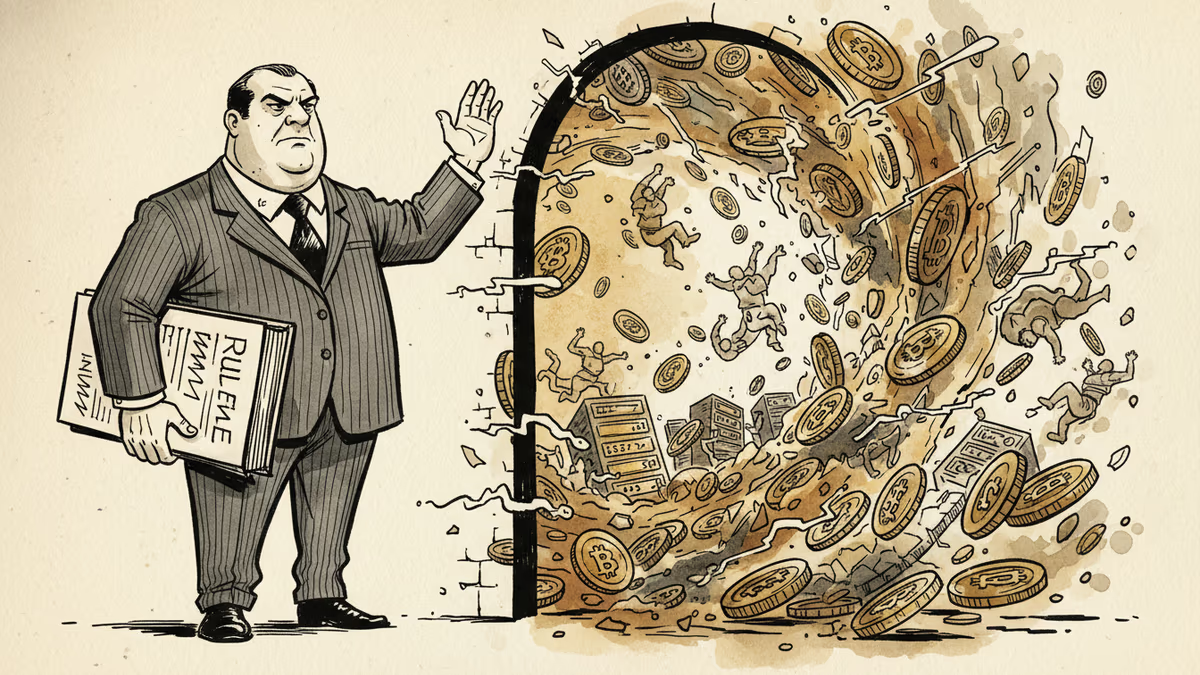
The SEC is preparing a major digital assets regulatory proposal. Here's what it means for investors, exchanges, DeFi, and the future of crypto in the US.
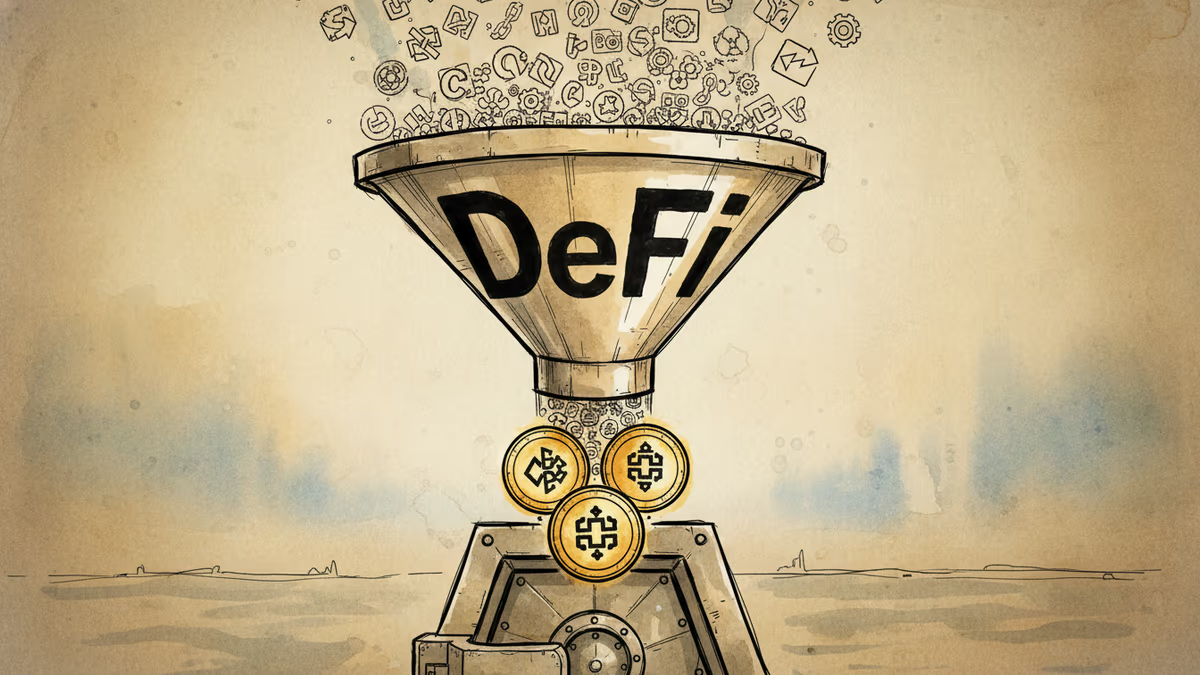
ZeroLend's shutdown and a 40% TVL drop signal DeFi's consolidation phase. Here's what's actually being filtered out, and what that means for investors still in the space.
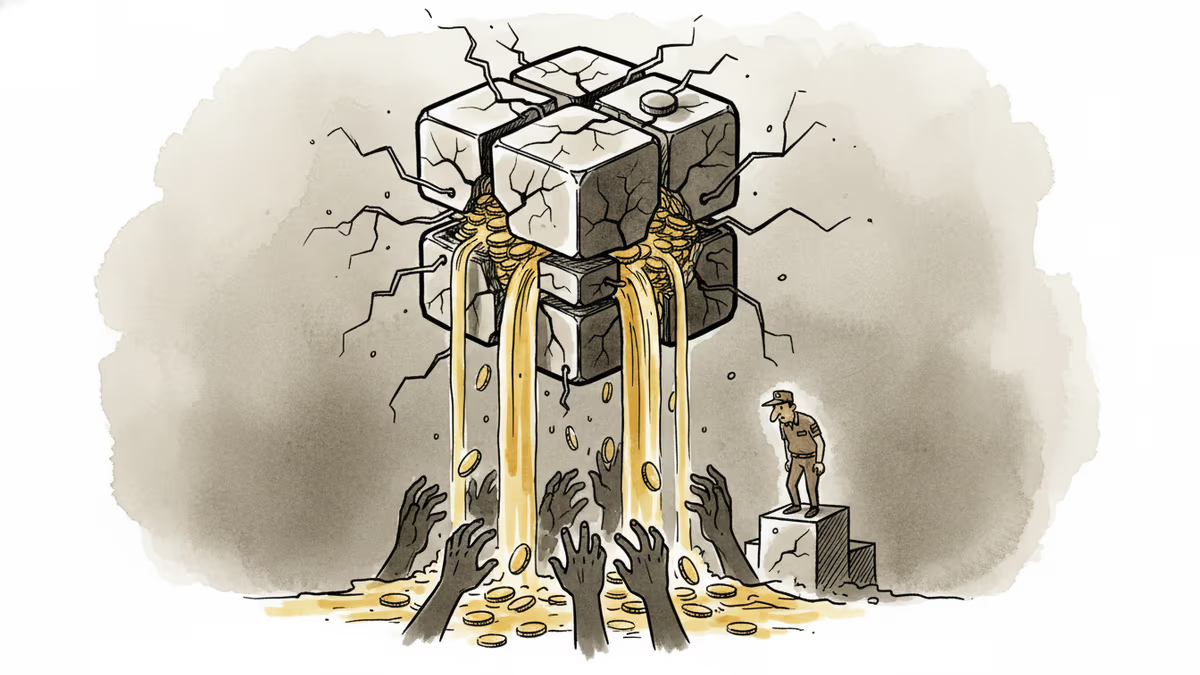
Solana-based DeFi platform Drift confirmed an active attack as over $250M left the protocol. DRIFT token crashed 20%. What does it mean for DeFi security?

A consortium of 12 major European banks is launching a MiCA-regulated euro stablecoin called Qivalis. With 99.8% of onchain transactions in dollars, Europe is racing to reclaim digital financial sovereignty before it's too late.
The SEC is preparing a major digital assets regulatory proposal. Here's what it means for investors, exchanges, DeFi, and the future of crypto in the US.
ZeroLend's shutdown and a 40% TVL drop signal DeFi's consolidation phase. Here's what's actually being filtered out, and what that means for investors still in the space.
Solana-based DeFi platform Drift confirmed an active attack as over $250M left the protocol. DRIFT token crashed 20%. What does it mean for DeFi security?
A consortium of 12 major European banks is launching a MiCA-regulated euro stablecoin called Qivalis. With 99.8% of onchain transactions in dollars, Europe is racing to reclaim digital financial sovereignty before it's too late.
Thoughts
Share your thoughts on this article
Sign in to join the conversation