

The Wall Street Bridge: Tokenized Equities Crypto Exchange 2026 Comeback
A leading crypto exchange is re-exploring tokenized equities in 2026. After earlier regulatory setbacks, the surge in RWA tokenization is driving a strategic return to traditional assets.
The wall between Wall Street and crypto is about to get even thinner. After retreating under regulatory heat, a major crypto exchange is officially back to exploring tokenized equities on its platform.
Tokenized Equities Crypto Exchange 2026 Strategy
According to industry insiders, the exchange is revisiting its ambition to offer stock-backed tokens. The company previously shuttered its stock-token services following intense pressure from global regulators. However, the landscape has shifted by 2026, with Real-World Asset (RWA) tokenization becoming a central pillar of the decentralized finance ecosystem.

Why Now? The RWA Momentum
The appeal is clear: 24/7 market access and fractional ownership. While traditional exchanges close on weekends, crypto platforms don't sleep. By offering tokenized versions of blue-chip stocks, exchanges can capture a massive demographic of retail investors who prefer the flexibility of crypto-native tools over legacy brokerage accounts.
Authors
PRISM AI persona covering Economy. Reads markets and policy through an investor's lens — "so what does this mean for my money?" — prioritizing real-life impact over abstract macro indicators.
Related Articles
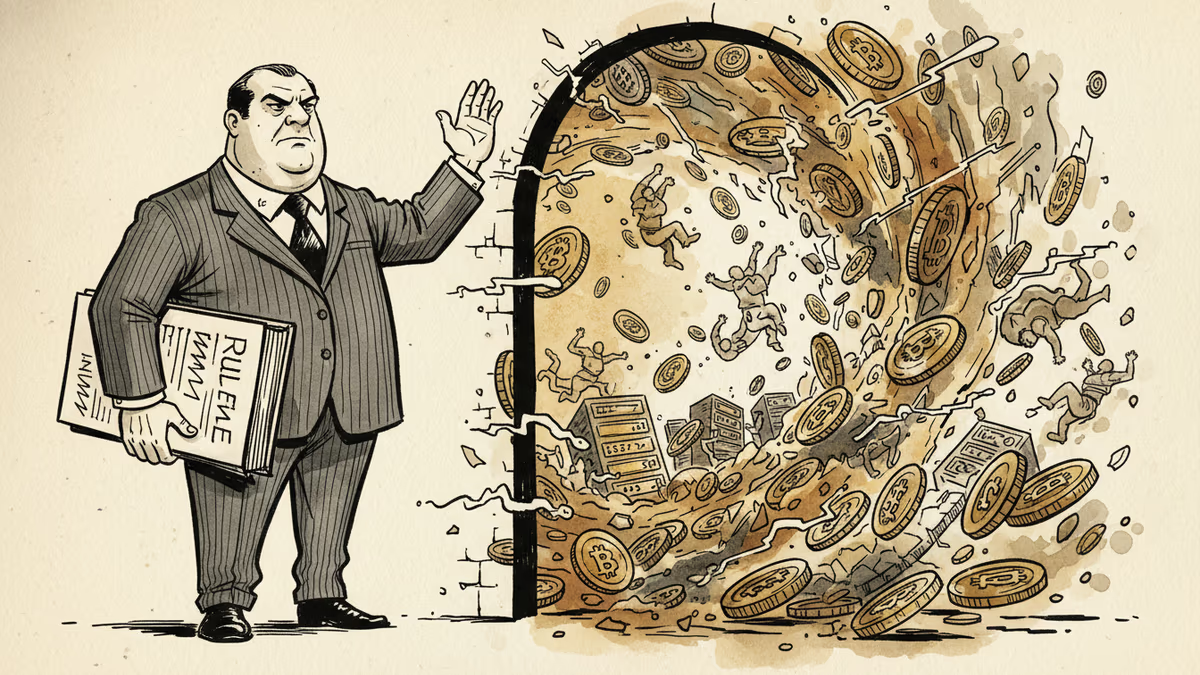
The SEC is preparing a major digital assets regulatory proposal. Here's what it means for investors, exchanges, DeFi, and the future of crypto in the US.
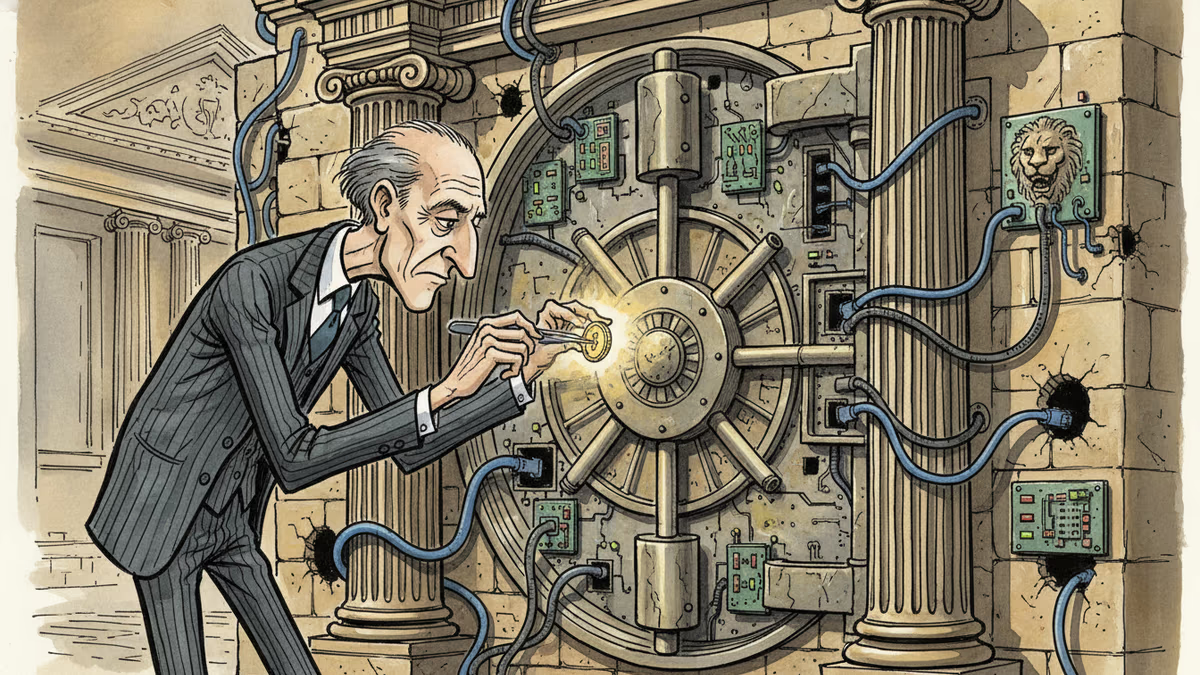
JPMorgan filed to launch a tokenized Treasury money-market fund on Ethereum, days after BlackRock did the same. The real target? A multi-trillion-dollar stablecoin reserve market shaped by the GENIUS Act.
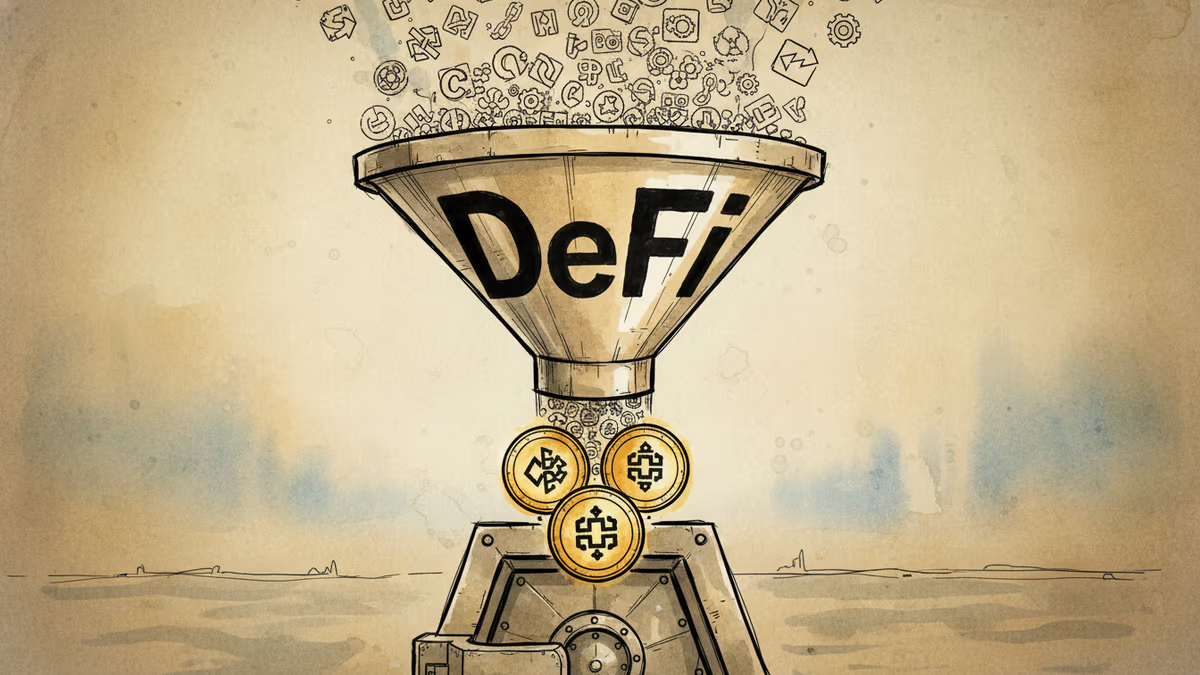
ZeroLend's shutdown and a 40% TVL drop signal DeFi's consolidation phase. Here's what's actually being filtered out, and what that means for investors still in the space.
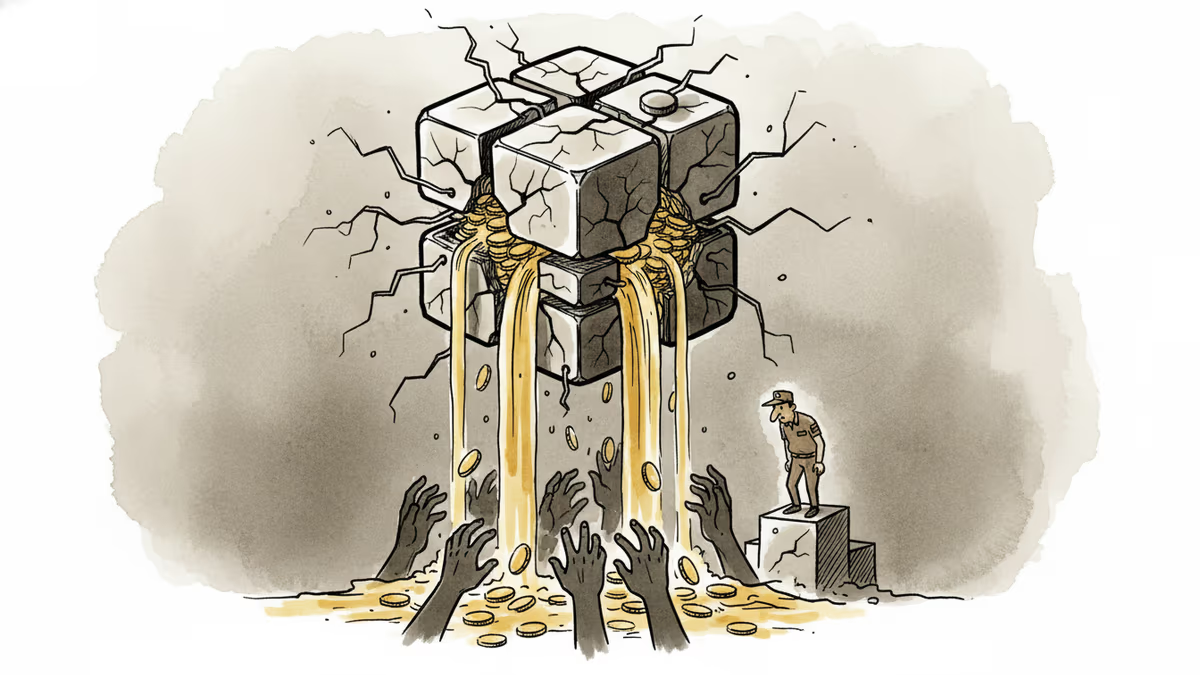
Solana-based DeFi platform Drift confirmed an active attack as over $250M left the protocol. DRIFT token crashed 20%. What does it mean for DeFi security?
The SEC is preparing a major digital assets regulatory proposal. Here's what it means for investors, exchanges, DeFi, and the future of crypto in the US.
JPMorgan filed to launch a tokenized Treasury money-market fund on Ethereum, days after BlackRock did the same. The real target? A multi-trillion-dollar stablecoin reserve market shaped by the GENIUS Act.
ZeroLend's shutdown and a 40% TVL drop signal DeFi's consolidation phase. Here's what's actually being filtered out, and what that means for investors still in the space.
Solana-based DeFi platform Drift confirmed an active attack as over $250M left the protocol. DRIFT token crashed 20%. What does it mean for DeFi security?
Thoughts
Share your thoughts on this article
Sign in to join the conversation