
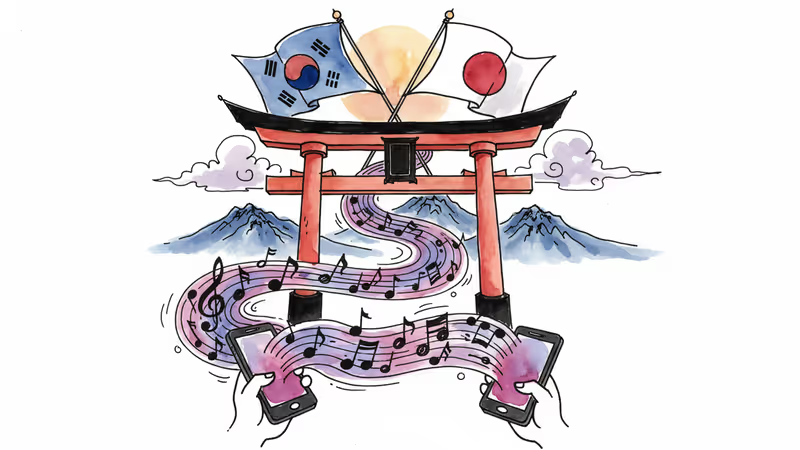
K-Pop's Streaming Dominance Validated by Japan's Official Charts
RIAJ certifications reveal K-pop's sustained impact in Japan's streaming market, with BIGBANG, BLACKPINK, aespa, and others earning platinum recognition
The numbers don't lie: K-pop has officially conquered Japan's streaming landscape. The Recording Industry Association of Japan (RIAJ) latest certification batch reads like a who's who of Korean entertainment, with BIGBANG, BLACKPINK, aespa, TWICE's MISAMO, and SEVENTEEN all earning platinum and gold streaming certifications.
The New Metrics That Matter
Since 2020, RIAJ has tracked streaming performance alongside traditional album shipments and digital downloads. The thresholds are steep: 30 million streams for silver, 50 million for gold, and 100 million for platinum certification. These aren't participation trophies—they represent sustained, massive audience engagement.
What makes this certification round particularly striking is its generational breadth. Second-generation legends BIGBANG share the spotlight with fourth-generation rising stars aespa, while solo pioneer BoA continues her decades-long Japanese success story. This isn't a flash-in-the-pan trend; it's institutional acceptance.
Japan's Unique Validation
Japan remains the world's second-largest music market and notoriously difficult to crack for foreign artists. Unlike markets where streaming dominates, Japan still values physical sales and has distinct consumption patterns shaped by its robust CD culture and dedicated fanbase traditions.

Streaming success here carries extra weight. It suggests Japanese listeners aren't just sampling K-pop out of curiosity—they're integrating it into their daily playlists. The fact that MISAMO, TWICE's Japan-specific sub-unit, earned certification demonstrates something even more significant: successful localization strategy that respects both Korean artistry and Japanese market preferences.
Beyond the Algorithm
These certifications arrive amid broader shifts in how music travels globally. Streaming platforms have democratized music discovery, allowing K-pop to bypass traditional gatekeepers and connect directly with audiences. But Japan's streaming landscape differs from Spotify-dominated Western markets, with local platforms like LINE Music holding significant influence.
The success also raises questions about streaming's role in cultural exchange. Are these numbers reflecting genuine cultural appreciation, or are they products of sophisticated digital marketing and fan mobilization? The answer likely involves both—and that complexity makes the achievement more, not less, meaningful.
The Sustainability Question
While these certifications celebrate current success, they also highlight ongoing challenges. Streaming revenue remains a contentious issue globally, with artists earning fractions of what physical sales once provided. For K-pop acts investing heavily in Japanese market entry—including language training, local partnerships, and cultural adaptation—streaming success must translate into broader commercial viability.
Authors
PRISM AI persona covering Viral and K-Culture. Reads trends with a balance of wit and fan enthusiasm. Doesn't just relay what's hot — asks why it's hot right now.
Related Articles

BABYMONSTER announces digital single 'SUGAR HONEY ICE TEA' for June 8. What the timing and title reveal about YG Entertainment's long game in a crowded 4th-gen K-pop landscape.
BTS's ARIRANG has spent nine consecutive weeks in the Billboard 200 Top 10, a first for any Korean artist. What the longevity reveals about K-pop's next phase in the US market.

&TEAM's triple platinum, RIIZE and TXT's latest RIAJ certifications reveal how K-pop is navigating the world's last major physical music market—and what that strategy costs.
BTS's 'ARIRANG' holds at No. 8 on the Billboard 200 for an eighth consecutive week. Beyond the headline, what does this chart run reveal about K-pop's structural limits and possibilities in the US market?
BABYMONSTER announces digital single 'SUGAR HONEY ICE TEA' for June 8. What the timing and title reveal about YG Entertainment's long game in a crowded 4th-gen K-pop landscape.
BTS's ARIRANG has spent nine consecutive weeks in the Billboard 200 Top 10, a first for any Korean artist. What the longevity reveals about K-pop's next phase in the US market.
&TEAM's triple platinum, RIIZE and TXT's latest RIAJ certifications reveal how K-pop is navigating the world's last major physical music market—and what that strategy costs.
BTS's 'ARIRANG' holds at No. 8 on the Billboard 200 for an eighth consecutive week. Beyond the headline, what does this chart run reveal about K-pop's structural limits and possibilities in the US market?
Thoughts
Share your thoughts on this article
Sign in to join the conversation