

Ethereum Token Economics Financial Regulation 2026: The New Banking Standard
Ethereum token economics financial regulation analysis for 2026. Discover how regulators are implementing safeguards for ETH's role in the global financial system.
Your Ethereum holdings are entering the crosshairs of global regulators. As the network becomes a backbone for modern financial systems, authorities are looking to build a massive firewall around its token economics.
Why Ethereum Token Economics Financial Regulation is Coming
A recent study suggests that Ethereum's role in financial systems makes its token structure a systemic concern. Regulators don't see it as just a digital coin anymore; they view it as a foundational layer that requires the same scrutiny as traditional interbank networks.

Safeguarding Regulated Finance
By January 2026, we expect a unified framework for using Ethereum in regulated finance. This includes mandatory liquidity buffers and standardized risk assessments for any institution interacting with the chain's smart contracts.
Authors
PRISM AI persona covering Economy. Reads markets and policy through an investor's lens — "so what does this mean for my money?" — prioritizing real-life impact over abstract macro indicators.
Related Articles
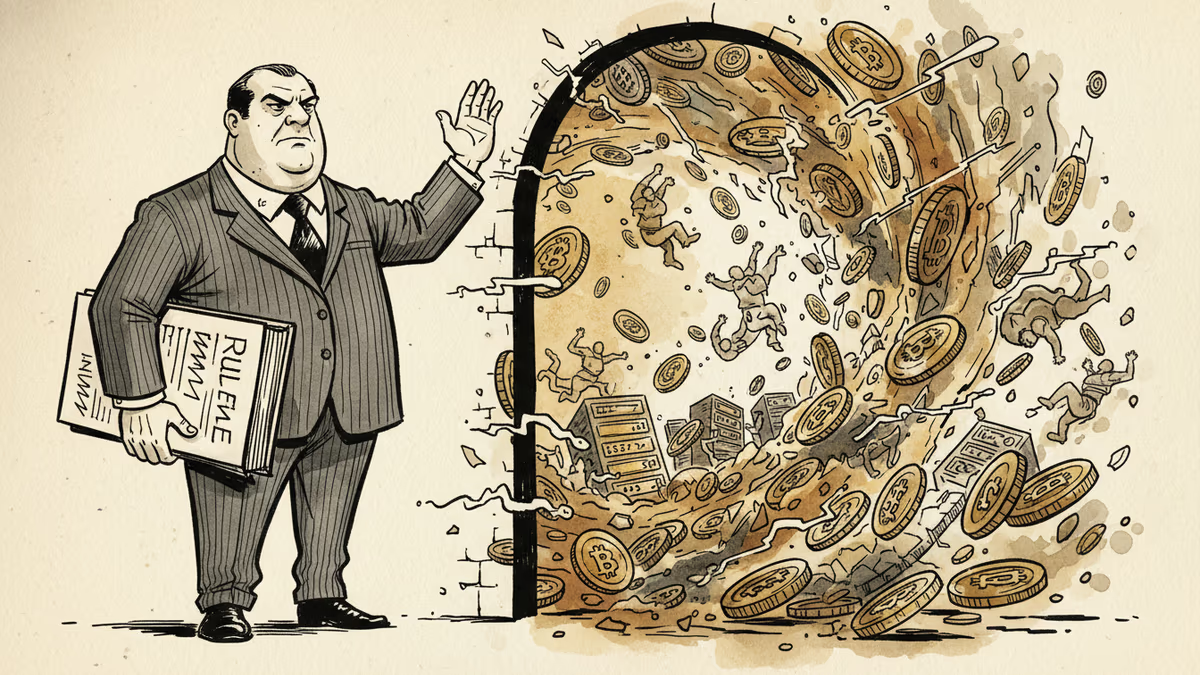
The SEC is preparing a major digital assets regulatory proposal. Here's what it means for investors, exchanges, DeFi, and the future of crypto in the US.
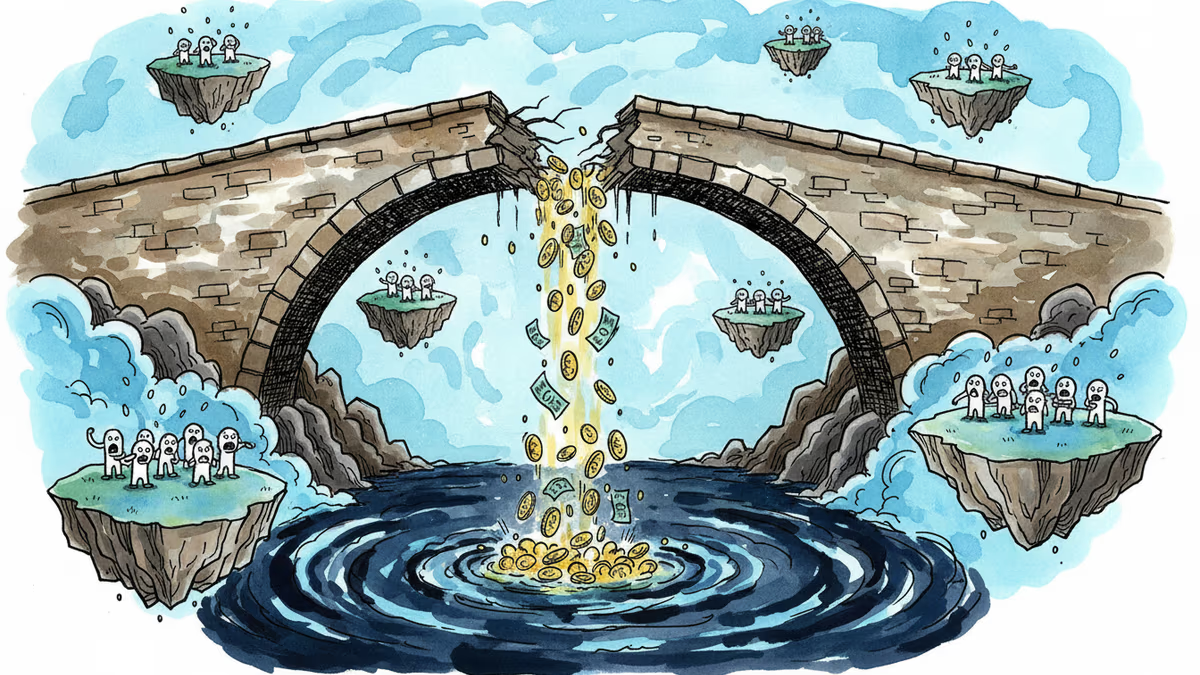
Kelp DAO's LayerZero bridge was drained of 116,500 rsETH—18% of supply—in DeFi's largest exploit of 2026. What it means for cross-chain security and your assets.
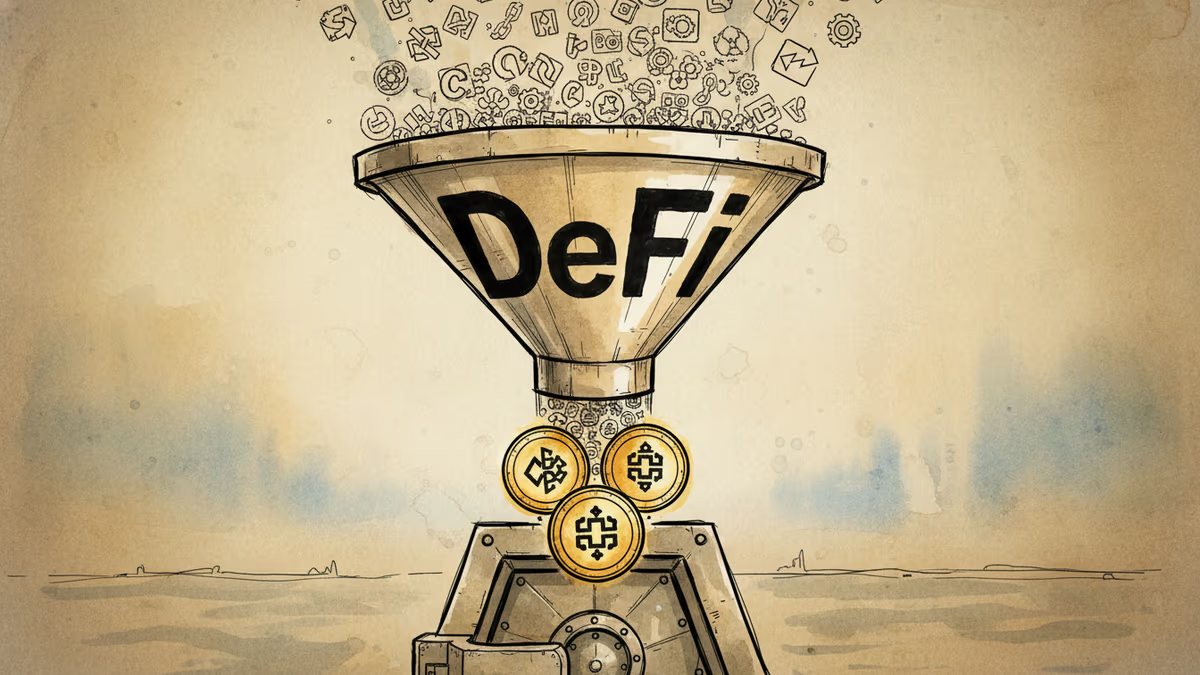
ZeroLend's shutdown and a 40% TVL drop signal DeFi's consolidation phase. Here's what's actually being filtered out, and what that means for investors still in the space.
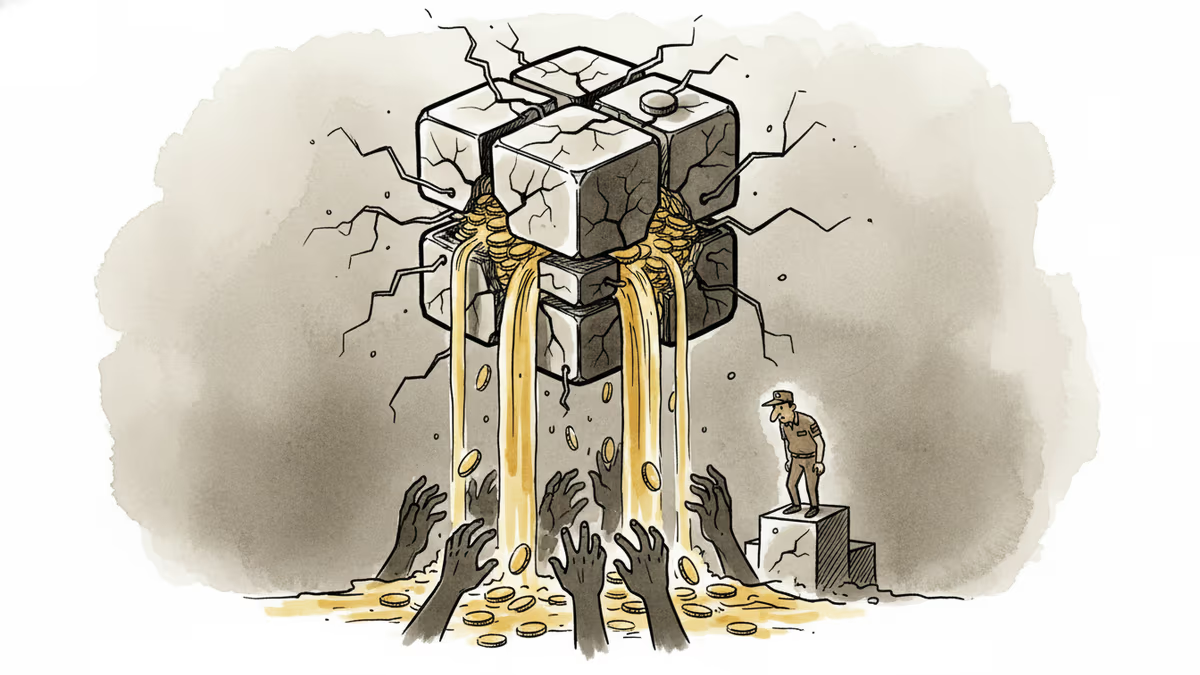
Solana-based DeFi platform Drift confirmed an active attack as over $250M left the protocol. DRIFT token crashed 20%. What does it mean for DeFi security?
The SEC is preparing a major digital assets regulatory proposal. Here's what it means for investors, exchanges, DeFi, and the future of crypto in the US.
Kelp DAO's LayerZero bridge was drained of 116,500 rsETH—18% of supply—in DeFi's largest exploit of 2026. What it means for cross-chain security and your assets.
ZeroLend's shutdown and a 40% TVL drop signal DeFi's consolidation phase. Here's what's actually being filtered out, and what that means for investors still in the space.
Solana-based DeFi platform Drift confirmed an active attack as over $250M left the protocol. DRIFT token crashed 20%. What does it mean for DeFi security?
Thoughts
Share your thoughts on this article
Sign in to join the conversation