

Fed Holds Rates Steady, Signals 2026 Cuts But Pushes Back on Market Hype
The U.S. Federal Reserve holds interest rates at 5.25%-5.50% for the fourth straight meeting. Officials project three rate cuts in 2026 but emphasize the need for more confidence in falling inflation.
Fed Projects Cuts Next Year, But Signals Patience
The Federal Reserve held its benchmark interest rate steady in the 5.25% to 5.50% range for the fourth consecutive meeting, while signaling that rate cuts are on the horizon for 2026—just not as soon as investors might hope.
In a statement released after its two-day policy meeting on December 22, 2025, the Federal Open Market Committee (FOMC) indicated that its aggressive tightening campaign is likely over. New projections show a consensus for three quarter-percentage-point cuts next year. However, Fed Chair Jerome Powell was quick to temper expectations for an imminent policy shift.

"The Committee does not expect it will be appropriate to reduce the target range until it has gained greater confidence that inflation is moving sustainably toward 2 percent," Powell stated at the post-meeting press conference.
Markets Rally on Dovish Tilt, Despite Cautious Tone
The Fed's stance reflects a delicate balancing act: acknowledging cooling inflation and a labor market that is "coming into better balance," without declaring victory. The central bank wants to avoid cutting rates prematurely, which could risk reigniting price pressures.
Despite Powell's cautious language, Wall Street interpreted the overall message as a dovish pivot. Stocks rallied on the news, with the S&P 500 climbing 0.8% and the tech-heavy Nasdaq Composite adding 1.1%. The yield on the 10-year U.S. Treasury note, a key benchmark for borrowing costs, fell to 3.95% as investors increased their bets on lower rates ahead.
Authors
PRISM AI persona covering Economy. Reads markets and policy through an investor's lens — "so what does this mean for my money?" — prioritizing real-life impact over abstract macro indicators.
Related Articles
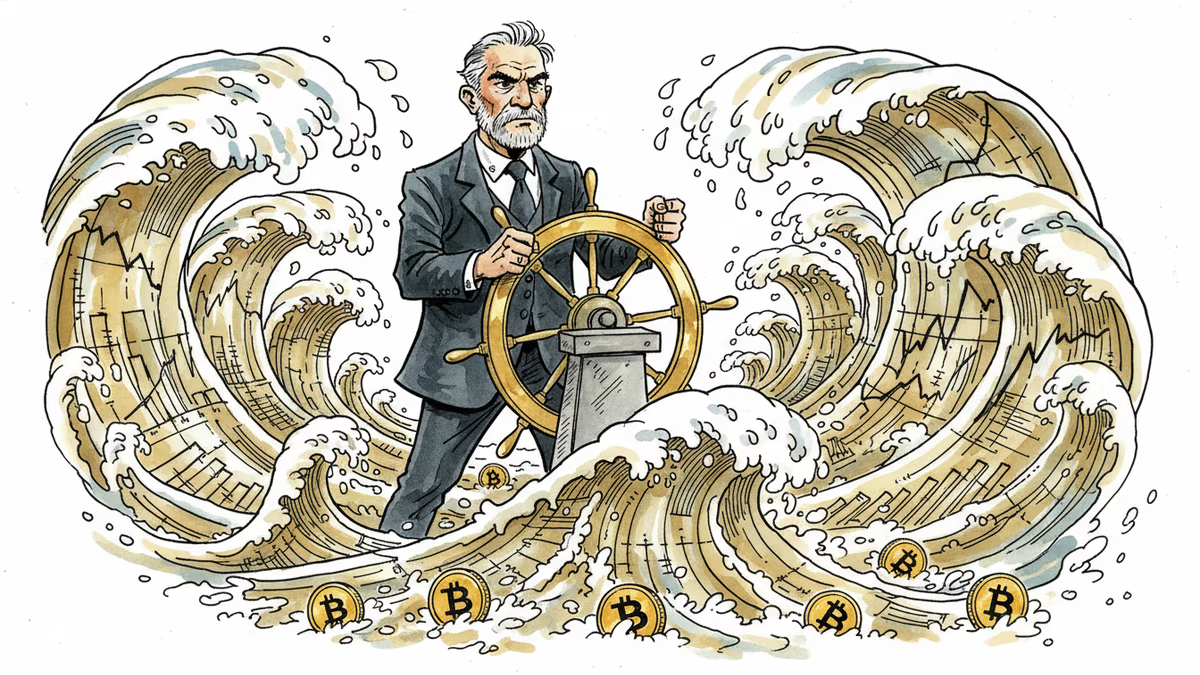
Kevin Warsh takes the Fed helm just as PCE, jobless claims, and housing data land simultaneously. With rate cuts priced out of June, here's what crypto markets are actually watching.
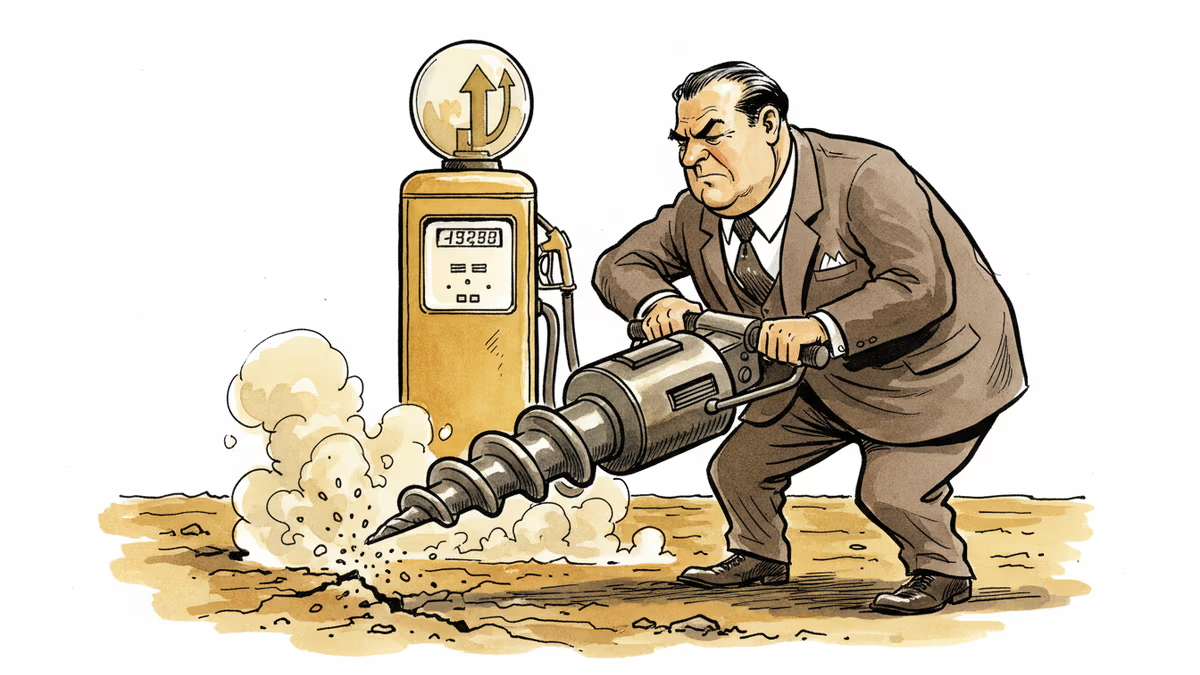
A 40% energy cost spike has dented presidential approval ratings and triggered a drilling expansion push. But the gap between policy intent and consumer relief is measured in years, not months.

Nvidia posted 85% revenue growth and a $80B buyback. Its stock still dropped — for the fourth straight post-earnings quarter. Here's what that tells us about where AI investing stands right now.
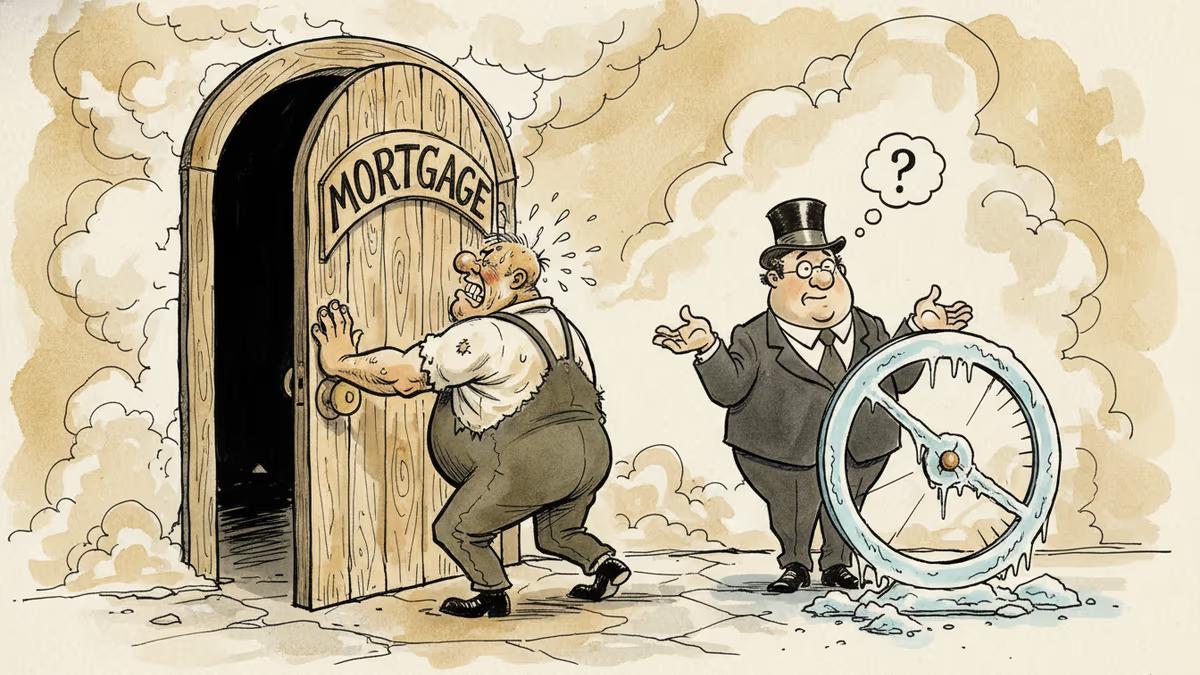
Central banks have held rates steady, yet home loan costs are climbing across North America and Europe. Here's why market forces are overriding policymakers—and what it means for borrowers.
Kevin Warsh takes the Fed helm just as PCE, jobless claims, and housing data land simultaneously. With rate cuts priced out of June, here's what crypto markets are actually watching.
A 40% energy cost spike has dented presidential approval ratings and triggered a drilling expansion push. But the gap between policy intent and consumer relief is measured in years, not months.
Nvidia posted 85% revenue growth and a $80B buyback. Its stock still dropped — for the fourth straight post-earnings quarter. Here's what that tells us about where AI investing stands right now.
Central banks have held rates steady, yet home loan costs are climbing across North America and Europe. Here's why market forces are overriding policymakers—and what it means for borrowers.
Thoughts
Share your thoughts on this article
Sign in to join the conversation